In 1984, two broke young illustrators named Kevin Eastman and Peter Laird were trying to break into comics. Eastman randomly doodled a turtle in ninja attire and the pair decided that it was a Teenage Mutant Ninja Turtle, essentially a madlib of everything that was popular in comics at the time (except for turtles).
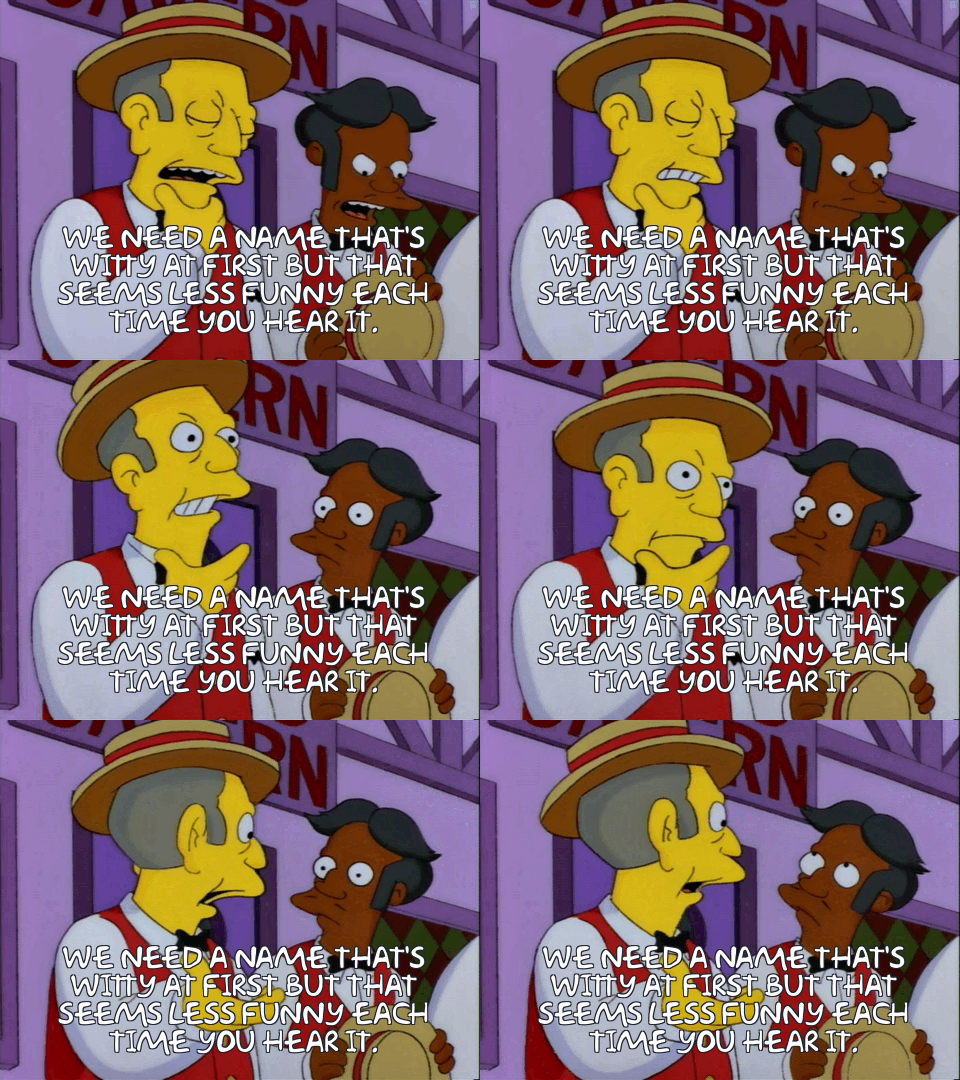
They then wrote a silly little issue parodying Frank Miller’s Daredevil run and that, of course, was that.
This one weird joke concept riffing on an incredibly specific moment in comic book history in a black and white indie vanished without a trace, the very definition of a flash in the pan.
Wait, no. *checks notes*
It went on to conquer the goddamn world. To this day, TMNT is quite possibly the most lucrative Western comic book property not published by either DC or Marvel. Third most successful toyline of all time. Seven TV series, seven films, multiple videogames, hundreds and hundreds of comic issues and a metric shit-ton of merch. Which, on the one hand, is crazy.
How did a concept so ridiculous, and so seemingly instantly dated become one of the most successful and enduring pop culture phenomena of the past half century? Well, success has many fathers. Firstly, I think the franchise’s longevity was sealed with this:
A theme tune that catchy only comes around once in a blue moon. Play it over NINE SEASONS and it’s practically brainwashing.
Then there’s the fact that TMNT relies on a template that has proven to be amazingly durable over the last 180 years.
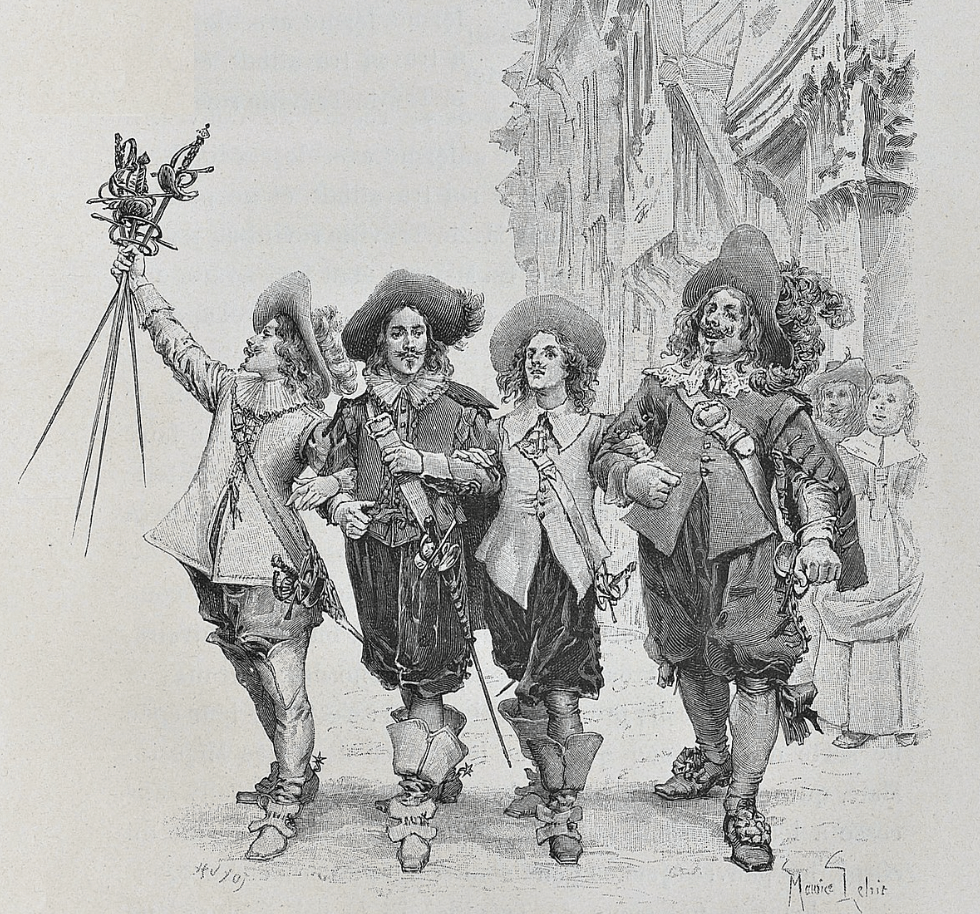
The Musketeer Archetypes are like the Four Chords of character writing. They’re bloody everywhere, but they’re there for a reason. They work, dammit. And these character traits (Leads, Does Machines, Cool but Rude, Party Dude) hold true across virtually all interpretations of the characters which gives continuity across the franchise. But, and this is crucial, with that stability and continuity there also comes incredible plasticity. The Turtles fandom is fantastically diverse in terms of its age range and that’s because TMNT can be this:
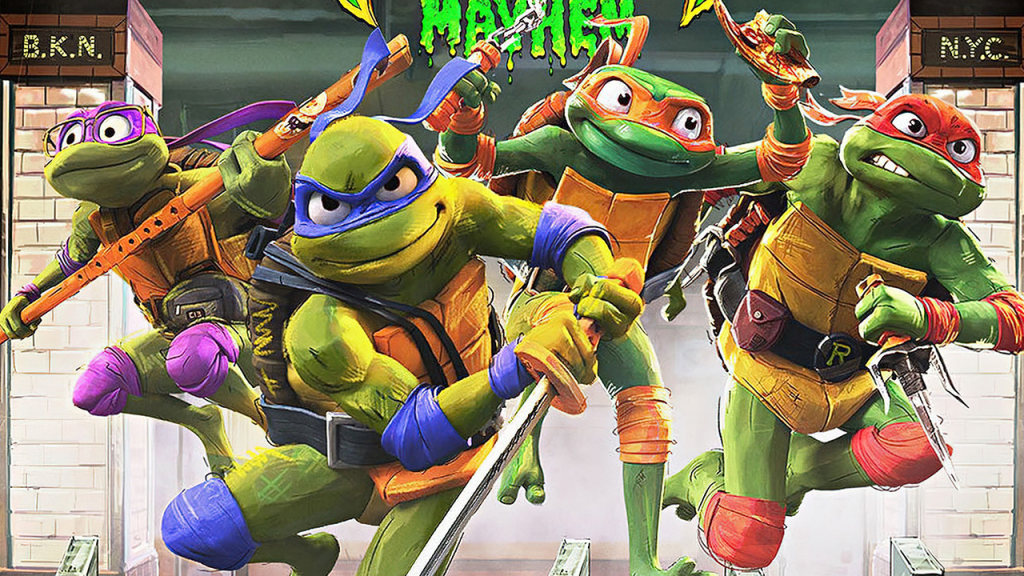
Or it can be THIS:
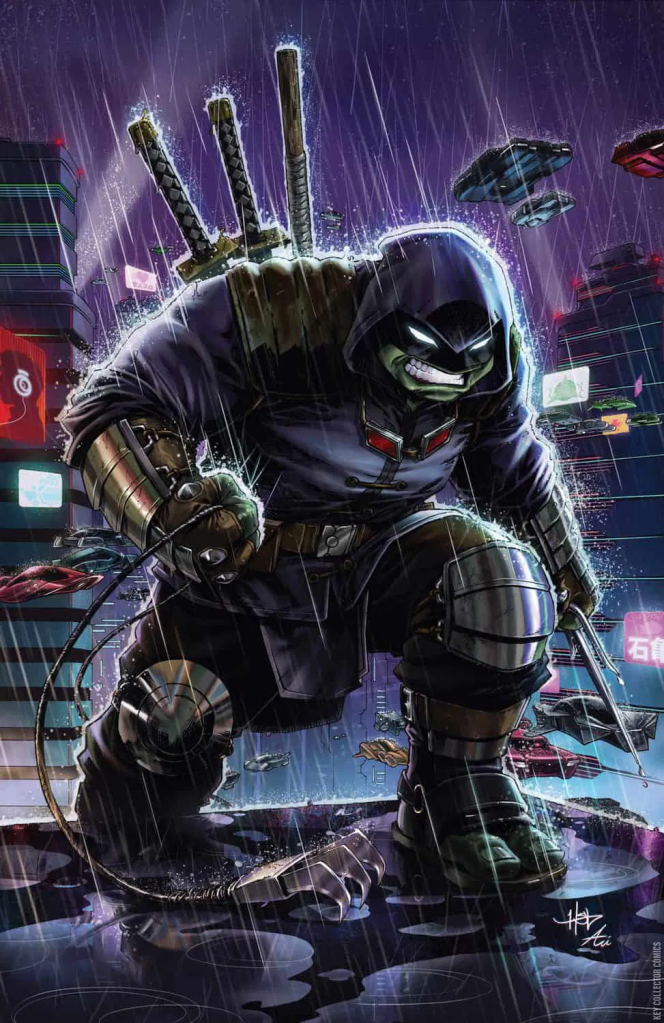
Once you get past the initially (very, very, very) silly premise, the Brothers Turtle can grow with their audience. There’s stuff for kids and there’s also stuff for adults. So, class, where have we heard that before? A character that has a rock solid core that’s also surprisingly adaptable and can tell stories for any and all ages?

So before we go any further, I owe you all an apology. I know I said I’d be reviewing Turtles Forever but you need to know three things:
- My DVD of Turtles Forever didn’t arrive in time (that’ll teach me to support physical media).
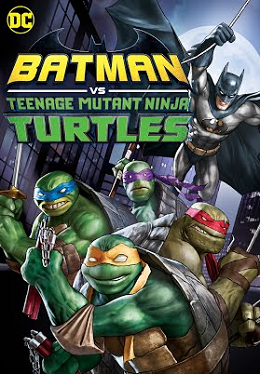
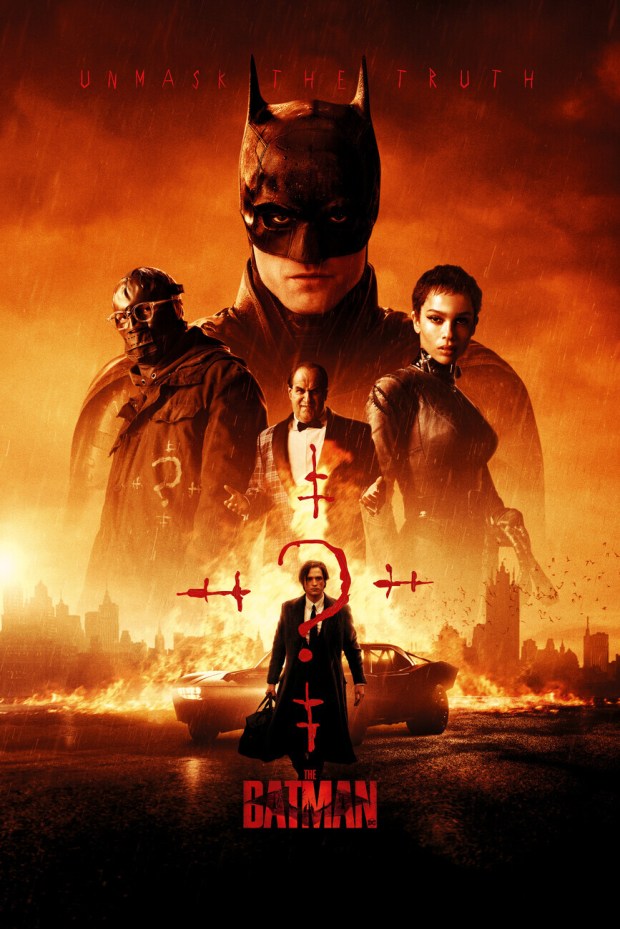
- There’s a Turtles movie with Batman in it, how am I NOT going to review that?
- It is SHOCKINGLY good.


 unshavedmouse