Month: July 2024

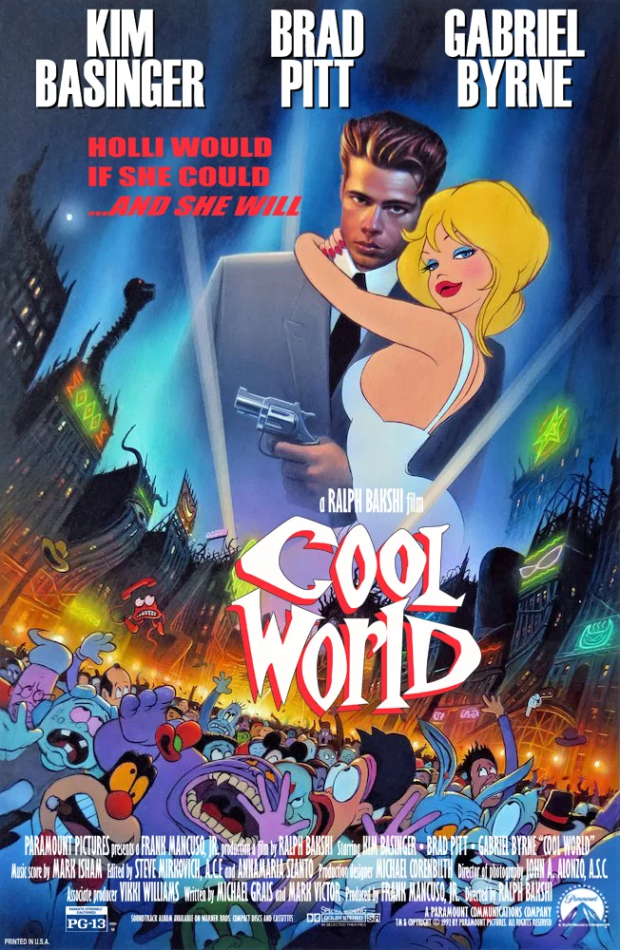
Cool World (1992)

“Hey, what if cartoons, like, had sex?” is actually not as new a question as you might think. The cartoons have actually, like, having sex far longer than many people realise, with the first pornographic animations appearing at least four years before Micky Mouse did Steamboat Willy (which was not a porno which now seems like a bit of a missed opportunity).

But, while there has been sexually explicit animation for almost as long as there has been animation, it was always restricted to “stag” films. The mainstream perception of animation in the West, especially after the Hays office started cracking skulls, was that cartoons were for children.

Enter Ralph Bakshi.

Okay, if you’re a longtime reader of this blog then this isn’t your first rodeo. We have discussed his work here many a time and oft. Short version: Ralph Bakshi is at once a towering and transformative figure in the history of American animation and also kind of a terrible animator and film-maker. I can’t say I have actually enjoyed any of his films, but his best work tends to be the kind of grungy, ugly, politics-heavy film-making that you aren’t really supposed to enjoy. And, at least, Bakshi at his best his never boring.

No, you want really bad Bakshi you got to look at his tamer stuff. Either because he was taming himself to try and appeal to a broader audience (like Wizards) or because the studio held him down and cut his hair and forced him to conform to their, like, rules, maaaaan (like this fucking thing we’re about to review right here).

I will not mince words. This is the last of all Ralph Bakshi’s feature animations. I say “last” as in “last one he made” as well as “if all his movies were in a race, this is the one that wouldn’t even cross the finish line because it ate its own legs.”

This movie had a troubled history in the same way like, the Balkans, have had a troubled history and it’s easy to just blame the studio. In 1988 Who Framed Roger Rabbit?, gave Disney their biggest hit in history up to the that point, due in no small part to the instantly iconic appearance of Sexiest Cartoon of All Time Jessica Rabbit. Ralph Bakshi decided that, as the grandfather of sexy cartoons, the time had come for selling out. Bakshi approached Paramount and pitched them a dark cartoon horror story about a live action human who has sex with a cartoon woman and fathers a demonic half-human/half-toon child. Paramount greenlit the movie but forced Bakshi to cast Kim Basinger as the cartoon woman. Basinger wanted a more family friendly movie which led to the studio and Bakshi butting heads and resulting in the deeply compromised, barely coherent mess of a movie that we were left with. Everything that could go wrong with this movie did go wrong. Paramount launched a raunchy marketing campaign that completely oversold the limp PG 13 offering as some kind of taboo shattering sex-fest and then pretty much bribed the City of Los Angeles to allow them to descerate the Hollywood sign with a 75 foot cutout of Basinger’s character, Holly Would, which brought a hurricane of negative publicity.
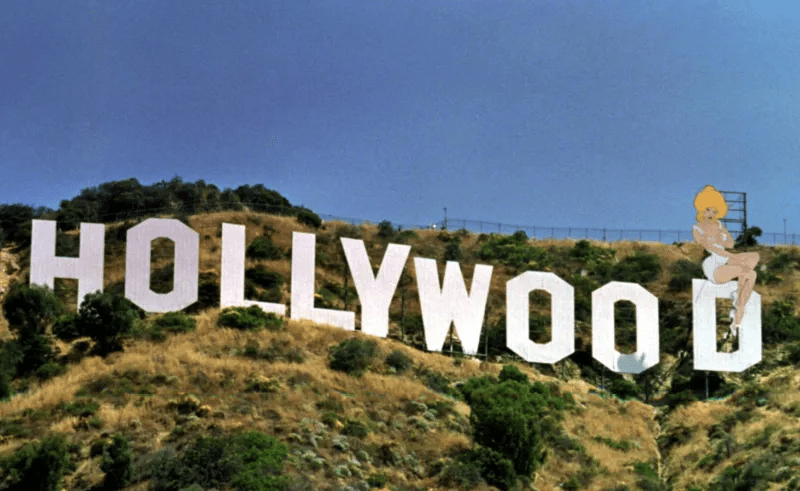
What kind of monster would try and make the Hollywood sign TACKY?

Savage critical reaction and utterly abysmal word of mouth did the rest.

As I said, it’s easy to read that and assume that Bakshi was just another brilliant creative screwed over by the soulless suits but you know me. I never do things the easy way. Frankly, I think this project was doomed the second Ralph Bakshi thought he could do his own Who Framed Roger Rabbit?

See, the animation on Who Framed Roger Rabbit? was overseen by Richard Williams who I would probably rank as the single most brilliant animator I have ever had the pleasure of reviewing if Hayao Miyazaki didn’t exist. And one of the reasons why Roger Rabbit works so well (apart from the fantastic script, excellent direction, phenomenal world-building, perfect score, terrifying villain, a career best performance from the late great Bob Hoskins and Jessica Fucking Rabbit ushering an entire generation into sexual awakening) was that there was literally nothing Williams could not do as an animator. That movie has characters from eight different animation studios from across three decades and they’re all rendered flawlessly. That movie is like Once Upon a Studio but without the benefit of modern technology and feature length. That’s Richard Williams. That’s the guy.

Whereas Bakshi…Bakshi is not that guy.

“Fuck you, man.”
(more…)

(New!) New Book News!

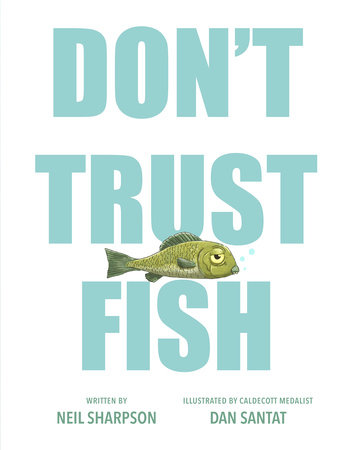
Hey folks! As I’ve already mentioned, my third book The Burial Tide is due to hit shelves in Spring of next year. BUT! I can now reveal that my FOURTH book will also be released at around the same time!

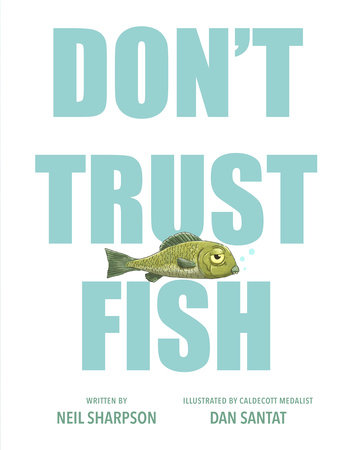
That’s right! There will be twin Sharpson book babies in the new year. So what’s the newest addition about? Well, after starting out with a hard-boiled sci-fi/spy-thriller and two Celtic mythology influenceD horror novels, I’ve decided the next step in my writing career will be…a picture book about fish for kids aged three to seven.

Don’t Trust Fish will be published by Penguin Dial in the US, Andersen Press in the UK and Ireland and Penguin Australia in Kazakhstan *checks notes* I mean Australia and New Zealand.

Oh, and it’s illustrated by DAN FREAKING SANTAT, #1 NEW YORK TIMES BEST SELLING AUTHOR AND ILLUSTRATOR AND WINNER OF A FRICKETY FRUCKETY CALDECOTT MEDAL.

Dude. Is. Legit.

Anyway, this is something I’ve been sitting on since the Pandemic and I cannot tell you how happy and proud and excited I am to finally get this out in the world.

More news to come!

MOUSE OUT.

Superman versus the Elite (2012)

Here’s the big problem with writing a character like Superman: he can’t change the world.

The superhero genre is about taking our world, the recognisable world we live in, and adding a few discreet fantastical elements. That’s the appeal. Ordinary people, trudging to their ordinary jobs look up and see a brightly coloured figure streaking through the air. Is it a bird? Is it a plane? No! It’s Superman!

That’s the magic that the entire genre runs on. Which can create problems when, say, certain real world events have to be incorporated into the fictional reality of the universe.

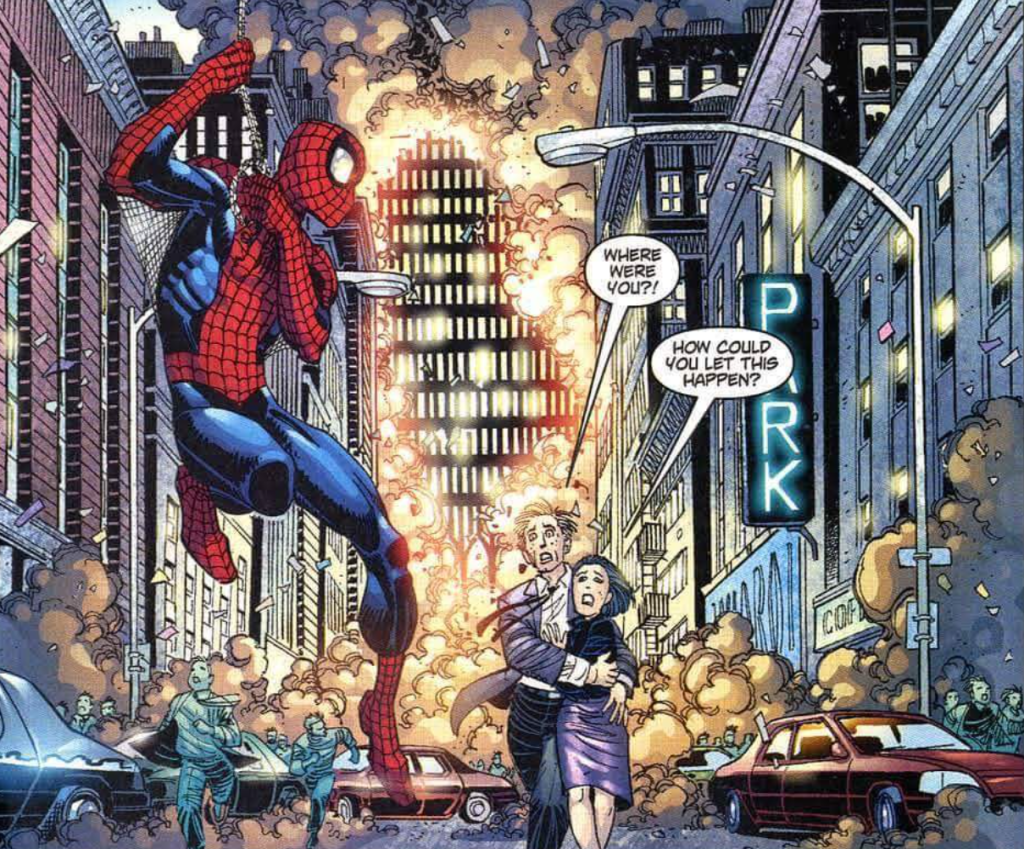
Yeah Spider-man. You should have used your…webs…to stop 9/11.

And that can throw up all kinds of logical head-scratchers. Like (and I’m really, really not trying to be offensive here) ask yourself; would 9/11 even be that big a deal in the Marvel universe? Given that this is the same world where Kang the Conqueror once wiped out the entire population of DC or New York is under constant attack from Galactus, Symbiotes and God knows what else?

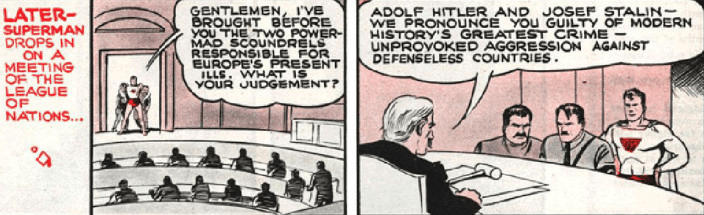
This is not a new problem. In 1940, Siegel and Schuster wrote a non-canon Superman story for Look magazine called “How Superman would End the War”, where Supes abducts Hitler and Stalin and drags them before a tribunal to stand trial.

The League of Nations being useful. There’s some comic book logic for you.

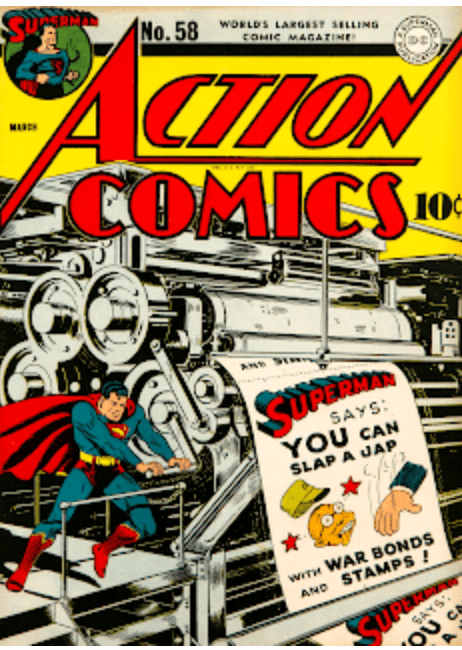
But in the main Action Comics and Superman titles the war went largely unmentioned apart from some now deeply uncomfortable covers schilling war bonds.

Out of universe, the reason for that is obvious. If Superman takes a more active role in world affairs and gets rid of Hitler (or Stalin. Or Saddam Hussein. Or Putin) then his world diverges too far from our own and the story loses that central appeal. It stops being our world and becomes an almost alien alternate reality.

But in-universe, you need to explain why Superman doesn’t just stop every dictator and despot around the world. It’s a problem that a lot of great Superman media has grappled with, and a lot of shitty media too.

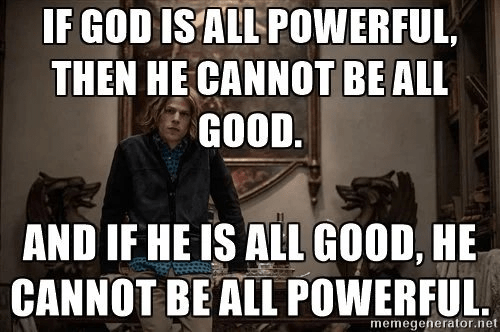
Oh fuck, the Problem of Evil. What a radical new concept.

So in 1999, Warren Ellis and Bryan Hitch launched The Authority, a series about a Justice League pastiche that actually does take out dictators and get its hands dirty in global geo-politics. While Ellis intended the Authority to be seen as villain protagonists, when Mark Millar (OF FUCKING COURSE) took over as writer the team’s extreme and violent tactics were portrayed much more positively. The incredible popularity of this run prompted some fans and critics to claim that the nice old status-quo reliant heroes like Superman were strictly squares-ville, daddio, and that political assassinations and low-key fascism were what the cool kids were into. This prompted Superman writer Joe Kelly to pen What’s so Funny about Truth, Justice and the American Way?, where Supes comes face to face with a very thinly veiled pastiche of the Authority and demonstrates that wanting Big Daddy Strongman to come in and fix all our problems and punish our enemies is the cause of, like, 90% of the bad shit in our history as a species.

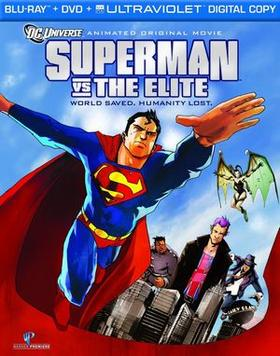
And…here’s where I have to confess to being a fraud and a coward. I haven’t actually read it. Yeah, I know. Even though I self righteously quoted it in the Dawn of Justice review I haven’t actually read the entire story. But, I have seen the 2012 animated adaptation Superman versus The Elite. And I am going to review it. And that is the thing you are reading now. If you’re a long time reader, you probably knew that, but I try to keep things accessible for the newbies.

(more…)