“You sons of bitches, we were so close. We were so close!“
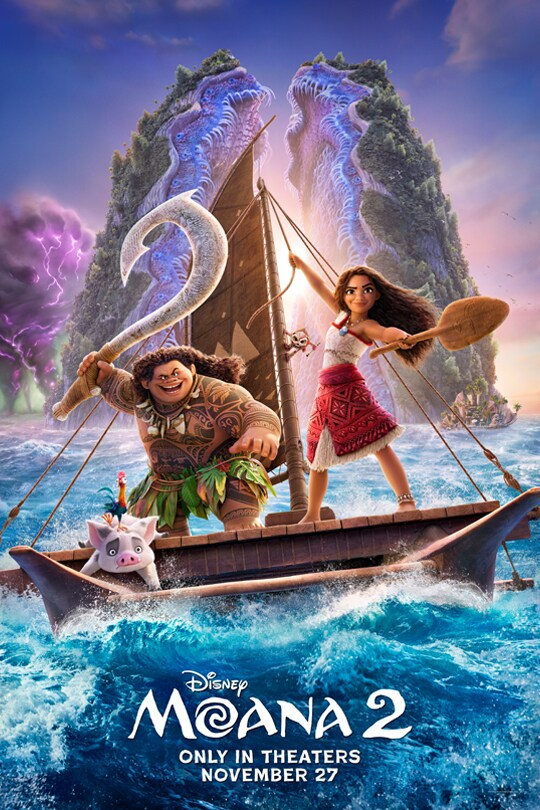
After a string of godawful mediocrities and outright turds the likes of which the canon hadn’t seen since the earliest years of the millennium, the opportunity was ripe for Disney to start filling the executive-grade wicker basket with heads and put some people in charge with fresh ideas and real talent.
But noooooooooooo.
Disney pulled the old “take the first three episodes of a scrapped TV show, wash it off and serve it up as a new movie” trick they used to pull in the direct-to-video sequel era and what did you do? Did you laugh? Did you scorn such obvious desperate chicanery? Did you hell!
ONE BILLION AT THE BOX OFFICE. FOR THIS.
We could have had another Renaissance with a bit of luck. Instead, I’m going to be reviewing Frozen 13 when I’m in my nineties. Because obviously the reason Strange World, Rayaand Wish flopped was not that they were poop on a bun, it’s because they were original ideas (kinda). I mean, it’s hard to make the argument that quality was the issue when all it took them to make a billion dollars was to put the number “2” after the title of one of their most popular films.
The future is bleak, and I’m not just saying that because the proliferation of AI slop online means that every time I search for images to use I run the risk of seeing something that will make me want to put my head in a mouse-trap.
If you want to imagine the future, picture pregnant cross-eyed Moana stamping on a human face, forever.
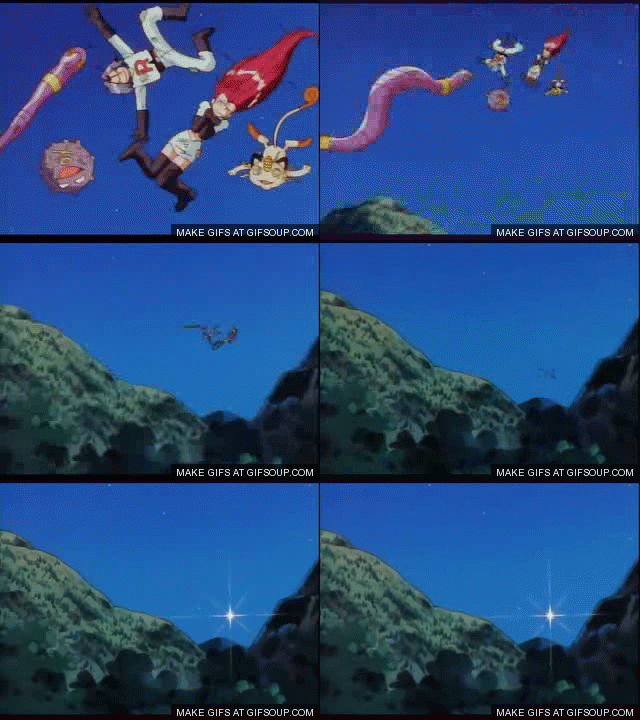
Look, I know everybody idolises the first decade they can properly remember but this is different. The nineties really were awesome. The Cold War was over, the War on Terror hadn’t started, we’d fixed acid rain and the hole in the ozone layer (and that whole global warming thing would probably sort itself out) and the only threats to world peace were goobs like Saddam Hussein and Slobodan Milosevic who would occasionally show up to cause trouble before being punted into the air like Team Rocket.
Meowth is Gaddafi fyi.
Plus, the movies, the TV shows, the music. I love this whole era. So I was overjoyed when I finally got my hands on a boxset of the complete Daria, an animated sitcom that ran from 1997 to 2002. Not merely a nineties show, but probably the most nineties show.
And imagine my disappointment on discovering that, like so much nostalgia, it doesn’t actually hold up all that well.
In 1984, two broke young illustrators named Kevin Eastman and Peter Laird were trying to break into comics. Eastman randomly doodled a turtle in ninja attire and the pair decided that it was a Teenage Mutant Ninja Turtle, essentially a madlib of everything that was popular in comics at the time (except for turtles).
They then wrote a silly little issue parodying Frank Miller’s Daredevil run and that, of course, was that.
This one weird joke concept riffing on an incredibly specific moment in comic book history in a black and white indie vanished without a trace, the very definition of a flash in the pan.
Wait, no. *checks notes*
It went on to conquer the goddamn world. To this day, TMNT is quite possibly the most lucrative Western comic book property not published by either DC or Marvel. Third most successful toyline of all time. Seven TV series, seven films, multiple videogames, hundreds and hundreds of comic issues and a metric shit-ton of merch. Which, on the one hand, is crazy.
How did a concept so ridiculous, and so seemingly instantly dated become one of the most successful and enduring pop culture phenomena of the past half century? Well, success has many fathers. Firstly, I think the franchise’s longevity was sealed with this:
A theme tune that catchy only comes around once in a blue moon. Play it over NINE SEASONS and it’s practically brainwashing.
Then there’s the fact that TMNT relies on a template that has proven to be amazingly durable over the last 180 years.
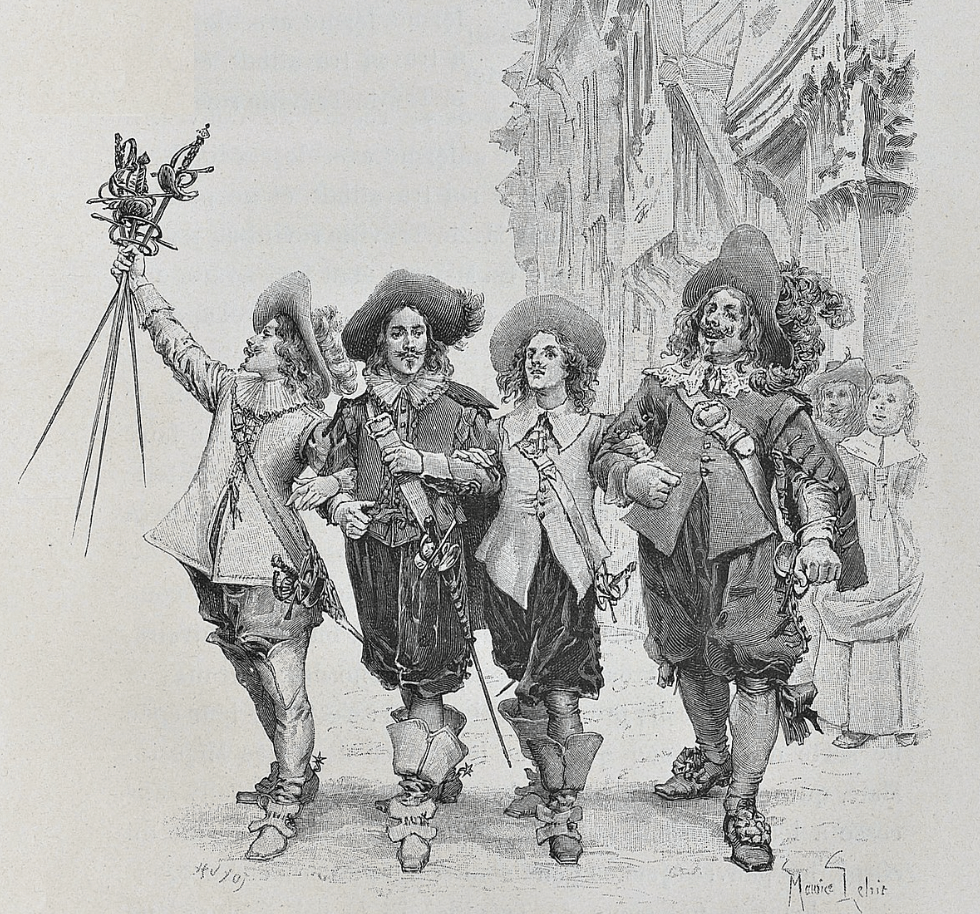
Hothead. Stoic Leader. Smart Guy. Big fun doofus.
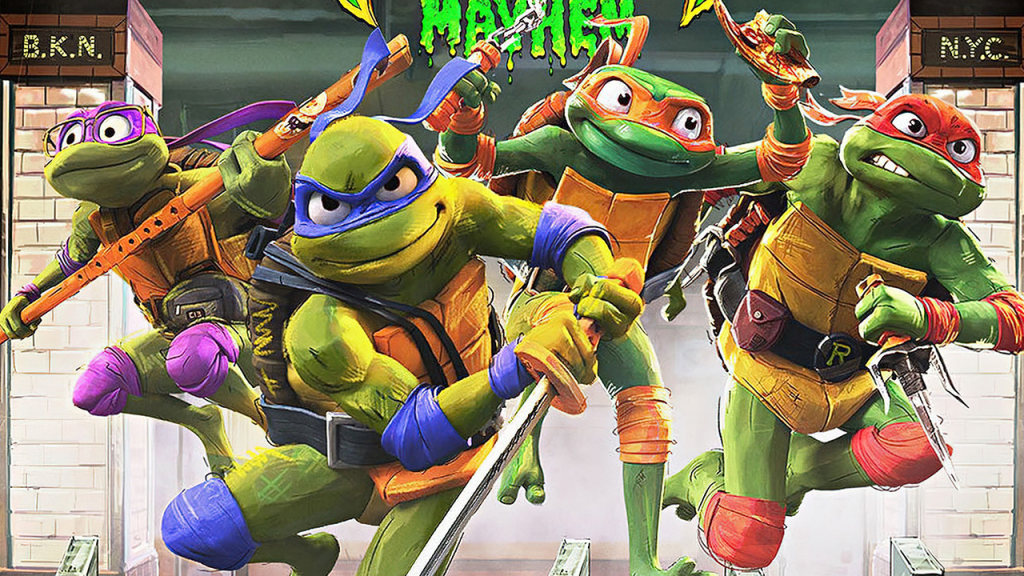
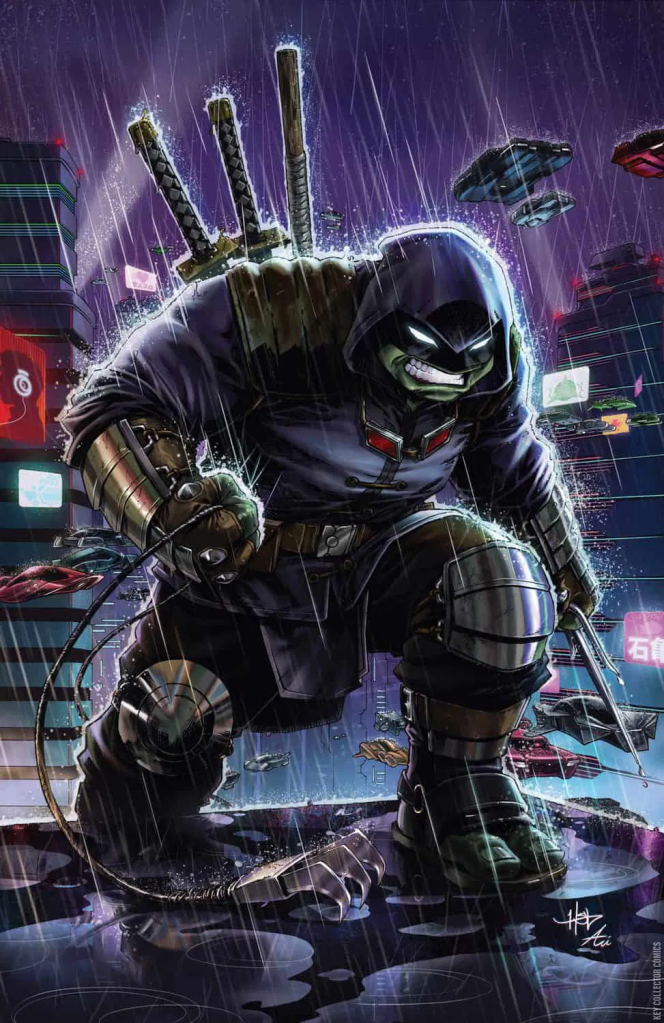
The Musketeer Archetypes are like the Four Chords of character writing. They’re bloody everywhere, but they’re there for a reason. They work, dammit. And these character traits (Leads, Does Machines, Cool but Rude, Party Dude) hold true across virtually all interpretations of the characters which gives continuity across the franchise. But, and this is crucial, with that stability and continuity there also comes incredible plasticity. The Turtles fandom is fantastically diverse in terms of its age range and that’s because TMNT can be this:
Or it can be THIS:
Once you get past the initially (very, very, very) silly premise, the Brothers Turtle can grow with their audience. There’s stuff for kids and there’s also stuff for adults. So, class, where have we heard that before? A character that has a rock solid core that’s also surprisingly adaptable and can tell stories for any and all ages?
So before we go any further, I owe you all an apology. I know I said I’d be reviewing Turtles Forever but you need to know three things:
My DVD of Turtles Forever didn’t arrive in time (that’ll teach me to support physical media).
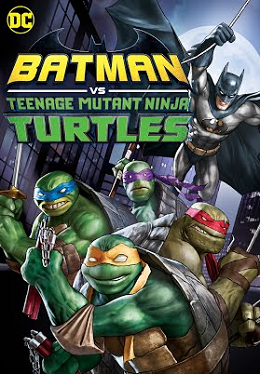
There’s a Turtles movie with Batman in it, how am I NOT going to review that?
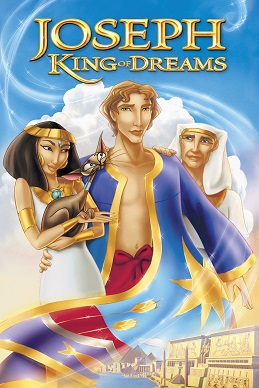
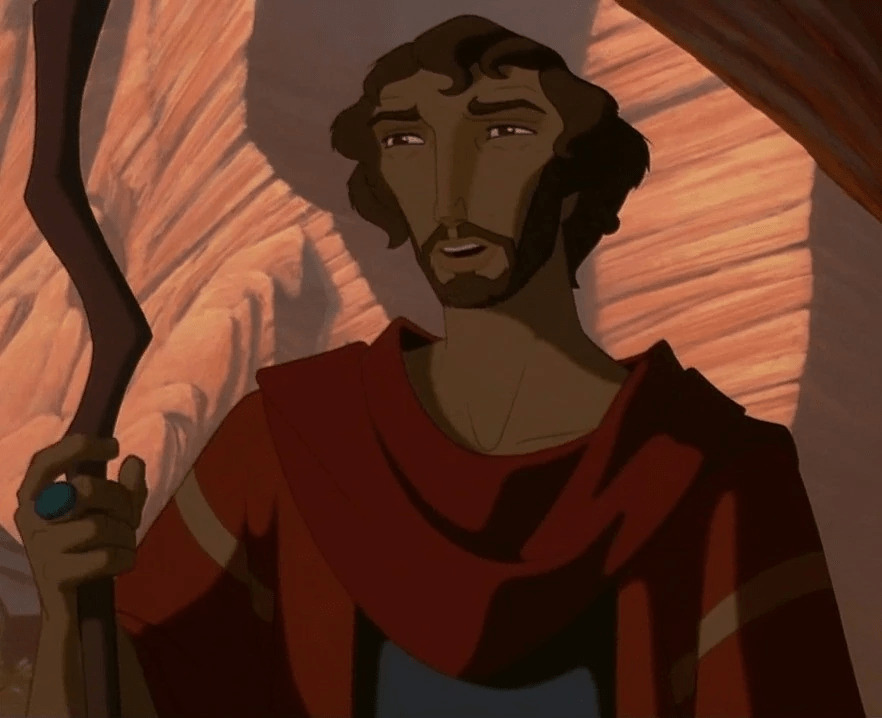
1998’s Prince of Egyptis what you might call a hard act to follow and the first thing any discussion of Joseph: The King of Dreams should stress is that it is neither fair nor productive to compare the two. But I’d argue there is actually a lot to learn from putting the two movies side by side.
I’ve always believed that, when it comes to animation at least, “cheap” is not the same as “bad”. Obviously, a generous budget is rarely a detriment but plenty of animators have put out stunning work on a shoe-string. And plenty of movies had absolutely scads of money thrown at them and still managed to look like something that the cat puked up on the rug. What makes the Dreamworks Torah Cinematic Universe so instructive is that it’s two movies created at the same time by largely the same team of artists, just with very different budgets. King of Dreams was, like Return of Jafar, intended to be a straight to video sequel (or prequel in this case) of a much bigger, much more-high budget theatrical release. But, Aladdinwas done by Disney Feature Animation and Return of Jafar was palmed off to Disney’s TV animation studios in Australia and Japan. By contrast, King of Dreams was animated concurrently with Prince with Egypt, and by the same team of animators. This makes the two movies a fascinating case study, showing how much a budget matters in determining quality and also how much it doesn’t.
Because yeah, I’m not going to sit here and tell you that the two movies are equally beautiful. Clearly they’re not.
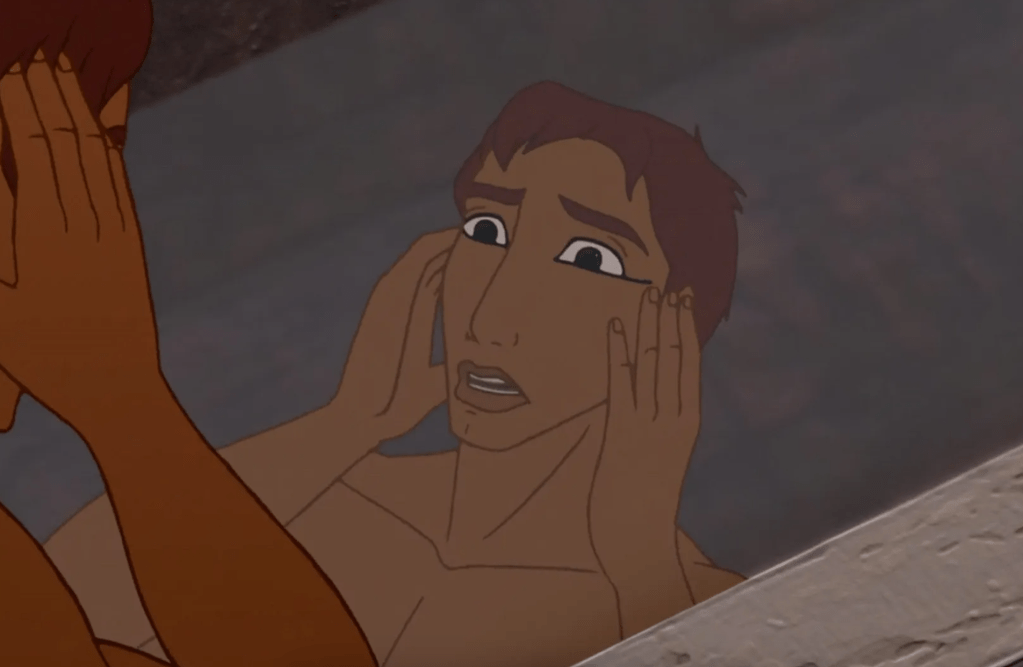
And yes, the wonderfully detailed, semi-realistic style of human animation that Prince uses is absolute murder for the King of Dreams team trying to render it with less time and resources and it does sometimes end up looking a little janky. But honestly, more times it doesn’t. My point is, I honestly love this film for how hard it tries and frequently succeeds in escaping the creative ghetto. This is a straight to video cartoon sequel. Hell, this is a faith-based straight to video cartoon sequel. The fact that it’s not absolutely terrible is an achievement. The fact that it’s good, often touching great, is a genuine miracle.
You know that old saw about walking down a beach that represents the different times of your life and seeing God’s footprints beside yours? I kinda feel that way about animator Phil Nibbelink.
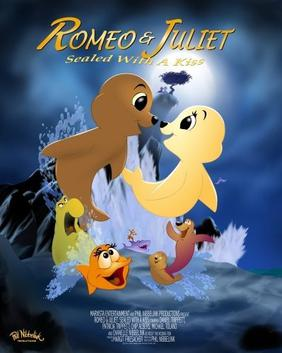
I knew it not, but he was there during The Fox and the Hound, The Black Cauldron, The Great Mouse Detective, Who Framed Roger Rabbit, Oliver & Company and American Tail: Fievel Goes West. Nibbelink worked on all those films and many others. This is a guy who has spent years at the very top echelon of American animation. And, around the turn of the millennium he and his wife formed Phil Nibbelink Productions to make their own independent animation without having to debase themselves before the Hollywood suits. This, mind you, puts me in a hell of a bind.
Because, I want to like Romeo & Juliet (Sealed with a Kiss) very much. This is an independent feature length film animated entirely by one possibly insane man. Nibbelink drew every cel of this. Himself. On a goddamn tablet. Over four years. That is, by any metric, an absolutely phenomenal achievement. Simply by dint of existing this film deserves a standing ovation and as many panties flung at the stage as can be thrown without damaging the structural integrity of the theatre. The movie is amazing. Incredible. Unbelievable. But is it good?
Something I’ve come to realise is that most people only have the time and energy to get really good at one thing, if they even manage that. Nibbelink is a phenomenal animator. Now, I could show you scenes from Sealed with a Kiss, and you probably would not be that impressed. And yes, the models are extremely basic and the animation is around the level of a mid-budget TV animation. But again, this is one man doing this with next to no resources and the fact that everything moves smoothly and crisply and stays on model is a goddamn miracle. So make no mistake, when it comes to animation Nibbelink is a powerhouse. But making a movie requires him to be not just an animator but a director, screenwriter, casting agent and editor. And, like I said, most people can only be very good at one thing.
Watching this thing, part of me was saying to myself “oh, like you could do better?” and another part was answering:
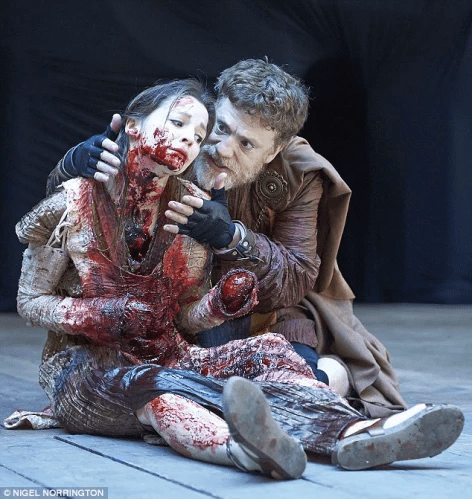
I think, first and foremost, I’d have had the sense to recognise that the play about the 16 year old who seduces a 13 year old, kills two people and then commits suicide right before the 13 year old stabs herself to death on his corpse is maybe not the best source material for an all ages cartoon.
Titus Andronicus, now THERE’S fun for all the family.
I don’t know what Makoto Shinkai has against me but for some reason his reviews always show up on my schedule precisely when I have the least time to write them. Maybe he heard that I don’t particularly like trains or weather.
“Bastard!”
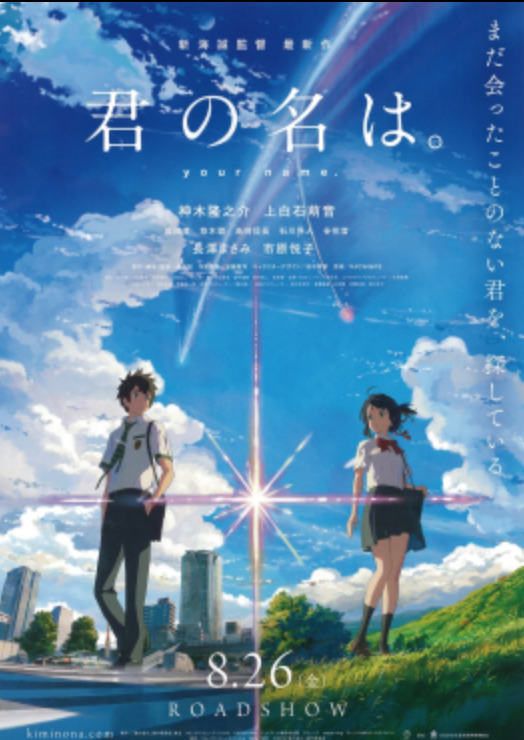
Anyway, this is the third movie of his that I’ve reviewed and, while I didn’t really love either of his previous offerings things are at least trending positive. I liked The Garden of Words quite a bit more than 5cm A Second and I like Your Name quite a bit more than either of them. I appreciate that “I like it okay” is so muted a response to this particular film that it might as well be scathing critique but…I dunno guys, I don’t know what to tell you. Shinkai’s stuff just leaves me kinda cold. EDIT: I wrote this opener before rewatching the film and I’ve since warmed to it quite a bit, as you will see.
But yeah, this movie is a huge deal. It was the most successful non-Western animated film of all time when it released, unseating Spirited Away in its native Japan before going on to conquer most of Asia.
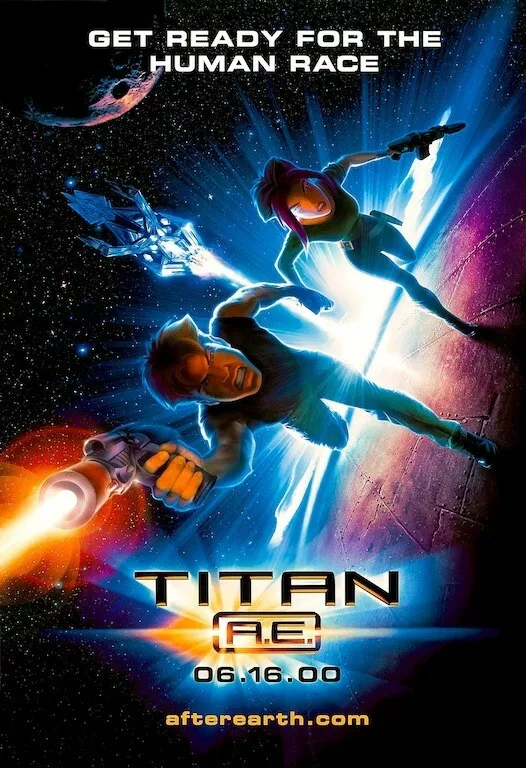
“Don Bluth” and “Science Fiction” is not an association you might automatically make even if, like me, you believe that An American Tail should rightly be considered part of the Giant Fighting Mech Animé genre.
Get in the robot, Fievel.
And that would be entirely correct. Apart from his video game Space Quest, there’s nothing in Bluth’s oeuvre to suggest that he would ever make a big epic space opera. So, why Titan A.E?
Well, firstly we have to remember where Bluth was in his career at this point. After finding early indie success withSecret of NIMH, Bluth hit the big time by partnering with Stephen Spielberg. When that relationship broke down, Bluth floundered with a number of increasingly bizarre and often subpar films before finding a place with Fox’s new animation studio, essentially as a hired gun. So, if Titan A.E. seems like a complete break from Bluth’s usual fare, that’s because this was basically a work for hire job. And, at the risk of sounding like a heathen…good?
Look, I respect Don Bluth a whole lot, I think he’s a true auteur and one of the most important figures in American animation. But I can’t help but feeling that his best work was done when he was executing someone else’s artistic vision. The Land Before Timeis very much a Stephen Spielberg film. Anastasiais transparently Fox demanding a Disney princess movie and Bluth dutifully providing them with one. It just so happens to be the best Disney princess movie that Disney never made and one of Bluth’s most accomplished films to boot. So if you tell me that a certain movie was just a job for Bluth and not a passion project, I’m actually more inclined to breathe a sigh of relief than shake my fist in impotent rage. Because I’ve seen Don Bluth’s passion projects.
And they’re weird as the dickens.
“Mouse, you seem to be swearing a lot less than usual. Are you feeling alright?”
Oh. Yeah. So, here’s the thing. Mini-Mouse has been asking to read my reviews so I’m gonna try and keep this one family friendly. Say hi in the comments, folks!
“Can I say “hi” back?”
“To THAT shower of degenerates?! Absolutely not.”
Okay, so, Titan AE entered production in the late nineties which was a weird, febrile and exciting time in American animation. The Disney renaissance was still very much in effect, but Toy Story had landed like a nuclear bomb and everyone was holding their breath to see whether CGI animation would supplant traditional animation or simply supplement it. Additionally, there was a cultural sea-change in how animation was viewed, being driven both by the ever increasing popularity of animé and the success of television animation aimed at adults like The Simpsons, Batman the Animated Series and Beavis and Butthead. In the new millennium, both Disney and its competitors would try to expand the core demographic for feature length animation from pre-teen and predominantly female and try to convince teenage boys that cartoons weren’t just for little kids and chicks. Of this little mini-genre, in which you can include Treasure Planetand Atlantis: The Lost Empire the first was Titan A.E.
Here’s the big problem with writing a character like Superman: he can’t change the world.
The superhero genre is about taking our world, the recognisable world we live in, and adding a few discreet fantastical elements. That’s the appeal. Ordinary people, trudging to their ordinary jobs look up and see a brightly coloured figure streaking through the air. Is it a bird? Is it a plane? No! It’s Superman!
That’s the magic that the entire genre runs on. Which can create problems when, say, certain real world events have to be incorporated into the fictional reality of the universe.
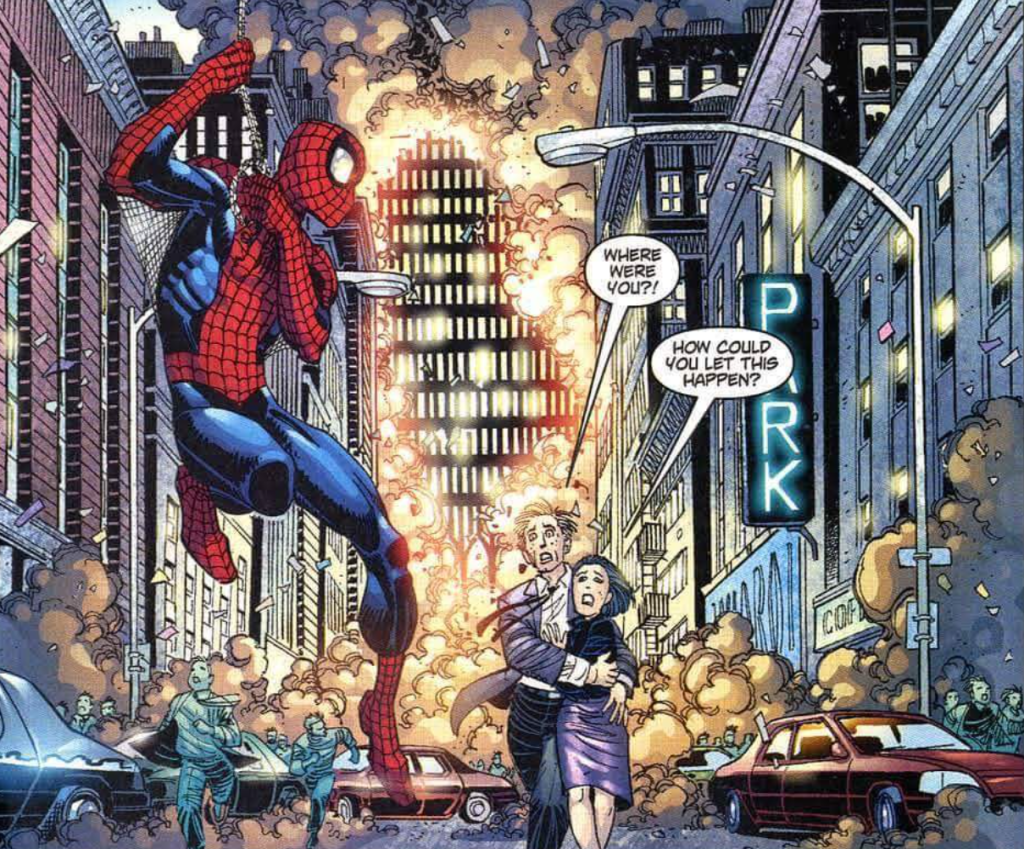
Yeah Spider-man. You should have used your…webs…to stop 9/11.
And that can throw up all kinds of logical head-scratchers. Like (and I’m really, really not trying to be offensive here) ask yourself; would 9/11 even be that big a deal in the Marvel universe? Given that this is the same world where Kang the Conqueror once wiped out the entire population of DC or New York is under constant attack from Galactus, Symbiotes and God knows what else?
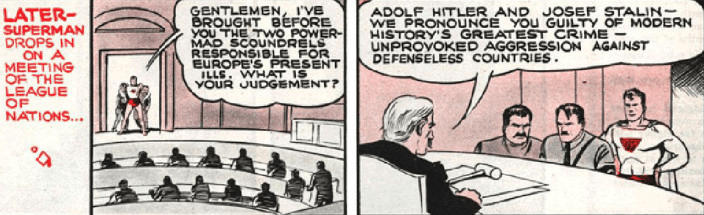
This is not a new problem. In 1940, Siegel and Schuster wrote a non-canon Superman story for Look magazine called “How Superman would End the War”, where Supes abducts Hitler and Stalin and drags them before a tribunal to stand trial.
The League of Nations being useful. There’s some comic book logic for you.
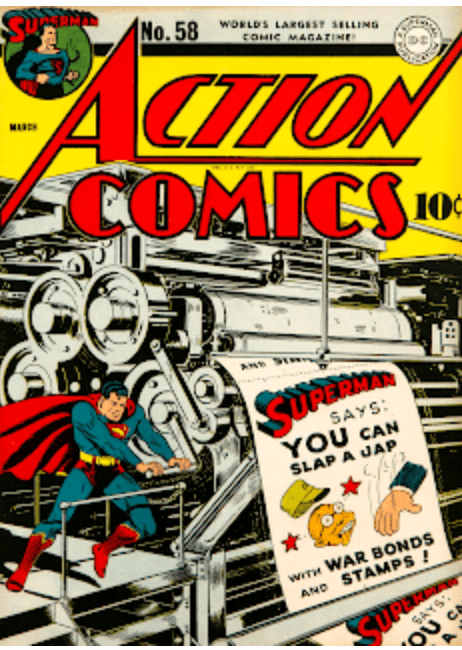
But in the main Action Comics and Superman titles the war went largely unmentioned apart from some now deeply uncomfortable covers schilling war bonds.
Out of universe, the reason for that is obvious. If Superman takes a more active role in world affairs and gets rid of Hitler (or Stalin. Or Saddam Hussein. Or Putin) then his world diverges too far from our own and the story loses that central appeal. It stops being our world and becomes an almost alien alternate reality.
But in-universe, you need to explain why Superman doesn’t just stop every dictator and despot around the world. It’s a problem that a lot of great Superman media has grappled with, and a lot of shitty media too.
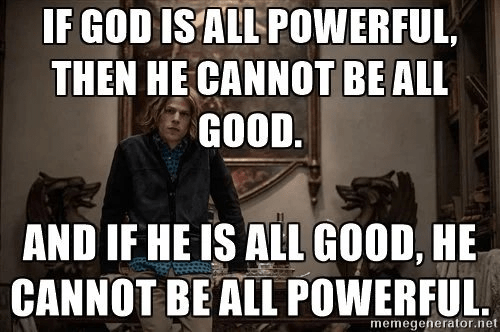
Oh fuck, the Problem of Evil. What a radical new concept.
So in 1999, Warren Ellis and Bryan Hitch launched The Authority, a series about a Justice League pastiche that actually does take out dictators and get its hands dirty in global geo-politics. While Ellis intended the Authority to be seen as villain protagonists, when Mark Millar (OF FUCKING COURSE) took over as writer the team’s extreme and violent tactics were portrayed much more positively. The incredible popularity of this run prompted some fans and critics to claim that the nice old status-quo reliant heroes like Superman were strictly squares-ville, daddio, and that political assassinations and low-key fascism were what the cool kids were into. This prompted Superman writer Joe Kelly to pen What’s so Funny about Truth, Justice and the American Way?, where Supes comes face to face with a very thinly veiled pastiche of the Authority and demonstrates that wanting Big Daddy Strongman to come in and fix all our problems and punish our enemies is the cause of, like, 90% of the bad shit in our history as a species.
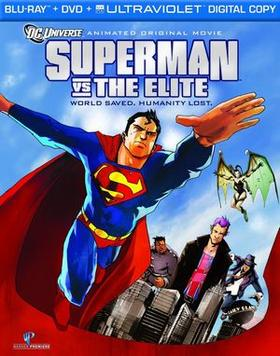
And…here’s where I have to confess to being a fraud and a coward. I haven’t actually read it. Yeah, I know. Even though I self righteously quoted it in the Dawn of Justice review I haven’t actually read the entire story. But, I have seen the 2012 animated adaptation Superman versus The Elite. And I am going to review it. And that is the thing you are reading now. If you’re a long time reader, you probably knew that, but I try to keep things accessible for the newbies.
The Walt Disney Corporation is very good at some things, and very bad at others. And, personally speaking, the one thing they’ve always been worst at is making me like the Walt Disney Corporation.
I love the movies. I hold them dear to my heart. But whenever I see one of those corporate promotional videos where everyone is wandering around Disneyland in a state of wide-eyed joy like they’re the first good souls to be welcomed into God’s kingdom I come out in hives. You know what I’m talking about.
CHARACTER 1: It’s so incredible that [text from marketing press release announcing newest venture] is finally here!
CHARACTER 2: Woooooooooow…
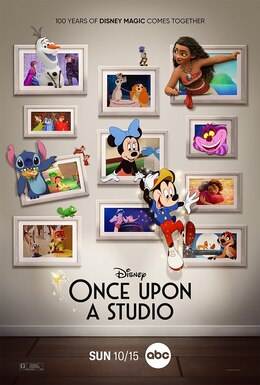
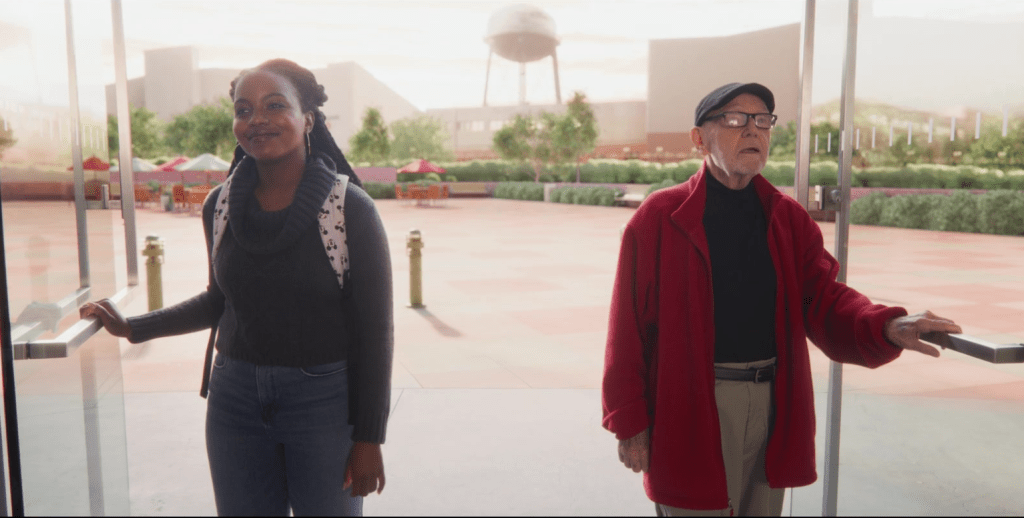
I hate it when Disney tries to sell itself because it always feels so…the vibes are wrong. I don’t know how else to describe it. It’s probably why the Oh My Disney sequence in Ralph Breaks the Internet is still my least favourite few minutes in the entire canon. It’s also probably the reason why I steered clear of Once Upon a Studio for so long, and why it took me two tries to actually watch it all the way through. And that’s because it begins like this:
“It’s so incredible to think that Disney founded Walt Disney animation 100 years ago today!” “Wooooooow.”
Before you ask, no, this wasn’t planned. It’s just a coincidence that I’m doing this review so soon after Megamind: The Doom Syndicate defiled everyone’s childhood memories like a randy Gungan. Not my childhood memories, obviously. I was engaged when this thing came out. But apparently there are people out there who were children when the original movie released and now are, like, allowed to vote and stuff? It’s a mad world.
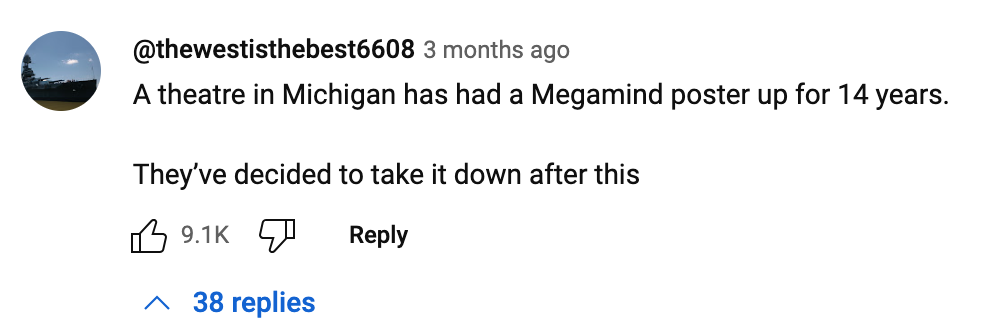
I haven’t seen the sequel but I did watch the trailer on YouTube. This was the most upvoted comment and the sense of historical tragedy and pathos was just too great for me not to share with you all.
My God. It’s like the fall of Paris.
I’ll be upfront, upfront. I like Megamind just fine but I don’t know how much I have to say about it. It doesn’t have a special place in my heart but neither is there a lot of stuff to make fun off. Plus it’s a comedy that is actually unironically funny on its own merits and you know how much I love writing about those!
But that doesn’t mean it’s not an interesting movie. It actually belongs in the category of film that I would argue are among the most interesting; movies that were re-appraised after their initial release. When it dropped in 2010 Megamind was mostly dismissed as an inoffensive but unremarkable bit of fluff chasing the trend started by The Incredibles and Despicable Me. Since then it’s been re-evaluated as one of the best Dreamworks movies with a devoted cult following. And that’s interesting (to me, at least) because when that happens it’s usually less to do with the movie itself and more to do with society changing and seeing the movie in a new light.








 unshavedmouse