Disney

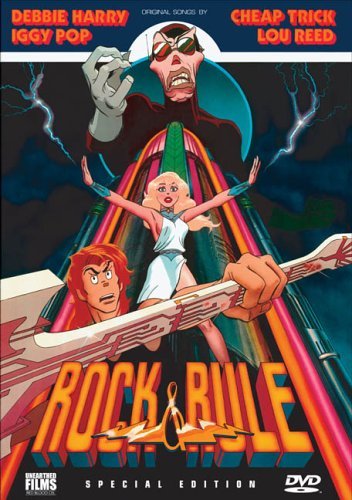
Rock and Rule (1983)

Imagine you go to a Burger King and the guy at the counter serves you with a smile, promptly brings the food to your table, thanks you kindly for your custom and wishes you a good day. Someone, in short, who doesn’t have to put nearly this much effort into their job but does it anyway because, gosh darn it, if you’re going to do a job you might as well do it well.

That’s Nelvana. Nelvana is an extremely prolific Canadian animation studio who produced basically any cartoon you saw in the eighties or nineties that wasn’t made by Disney, Hanna-Barbera, Filmation or Warner Bros. They’re probably most famous (if you’re my age, at least) for their many, many licensed animations for properties like Care Bears, Strawberry Shortcake and My Pet Monster. Nelvana were front and centre in the saccharine, corporatised swamp that was the American TV animation scene in the Reagan era. Like many of their peers, Nelvana had to make ends meet in the burger joint by cranking out barely concealed animated toy commercials. Unlike many of their peers, Nelvana actually seemed to give a damn. Their shows were, broadly speaking, better than they needed to be and demonstrated real skill and craftsmanship in their animation. There were always hints that, if given time and a budget and a premise slightly less anodyne than “Will Grumpy Bear ever get that stick out of his ass?”, Nelvana had the talent to make something truly special. And, if ever there was a time to do it, it was the early eighties.

The late seventies/early eighties were the “Warring States” period of American Feature Animation. The senile old king, Disney, had fallen from his throne and seemingly every animator who could hold a pencil was scrambling for the crown. This was the heady time when Rankin Bass, Ralph Bakshi and Don Bluth battled for control of the artform, right up until 1989 when the old king came back and was like “I’m feeling a lot better now everyone, thank you for your concern“.

But all that was in the future. Nelvana was formed in 1971 by Patrick Loubert, Clive Smith and Michael Hirsh with the stated intent of creating a Canadian Disney.

“You fucking hoosers, eh?”

After several well received Christmas specials and animating literally the only part of the Star Wars Holiday Special that deserved to be spared the flame (the cartoon that introduced Boba Fett), the studio began work on their first feature length animation; Rock and Rule. It’s an obvious passion project, clearly made by a young team just bursting with talent and ambition and love for what they were doing. It’s also something that was very obviously begun without a complete script or even a set plot. It’s weird. It’s uneven. It’s a wild, uncontrolled shambling mess of eighties animation that failed when it was dumped into theatres with no marketing by a distributor that neither loved nor understood it. Which obviously means that it was made for me, Mouse, personally.

“I shall take this movie, and raise it as my son.”
“Poppa!”
(more…)

Sailor Moon R: The Movie

This is one of those reviews where I feel like literally every single person interested enough to read it already knows far, far more about the topic than I do and is just waiting for me to make a massive ass of myself. I never watched Sailor Moon growing up and was only vaguely aware of it as the animé that most people think of when they hear the word “animé”. So I went on a rather fascinating tvtropes binge (did you know that the entire Japanese magical girl genre was inspired by the American sitcom Bewitched?) and I’m proud to report that I’ve gone from being absolutely clueless to loveably befuddled in record time.

Okay. So. Let’s start at the end and work our way backwards.

What is Sailor Moon R: The Movie?

Sailor Moon R is a movie based on Sailor Moon R.

What is Sailor Moon R?

Sailor Moon R is the second season of the Sailor Moon animé.

What is the Sailor Moon animé?

The animé adaptation of Naoko Takeuchi’s manga about schoolgirl Usagi Tsukino who discovers that she is the reincarnation of an ancient warrior princess from a kingdom on the Moon. As Sailor Moon she battles evil monsters with the help of other girls/reincarnated warriors such as Sailor Mars, Sailor Venus, Sailor Mercury and Sailor Jupiter. It’s a fusion of the magical girl genre with the sentai superhero genre.

What is best in life?

To crush your enemies, to see them driven before you and to hear the lamentation of the women.

Why don’t girls like me?

Because you’re not actually a person, you’re just a rhetorical device I’m using for this review.

What? Wait come back!

(more…)

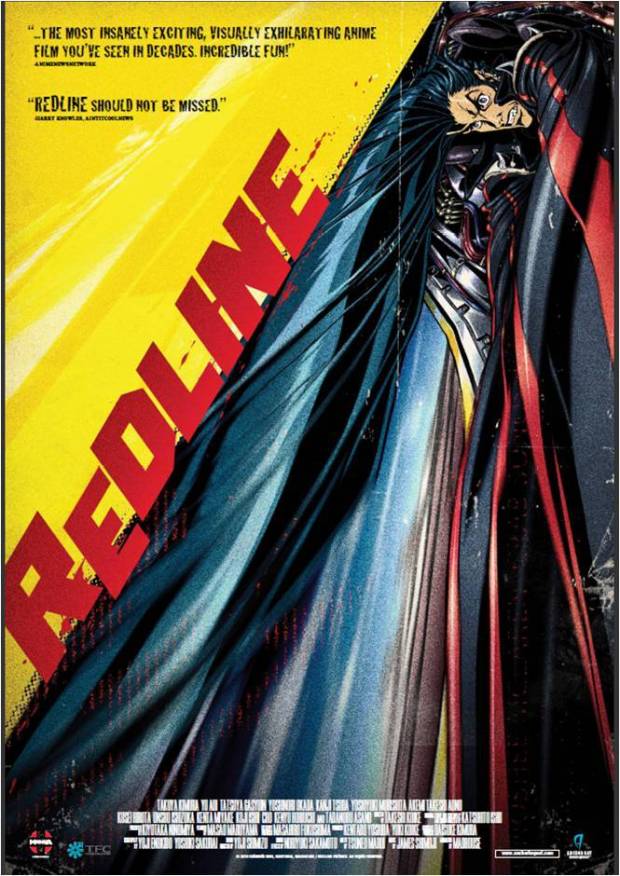
Redline (2009)

“Hey Mouse have you seen the new Pino..

Nope. Not gonna do it. Not gonna watch it. Not gonna blog about it. Not gonna contribute to THE DISCOURSE. Not, in short, gonna give the bastards the satisfaction.

Here is what I am going to do. I am going to talk about my new boo.

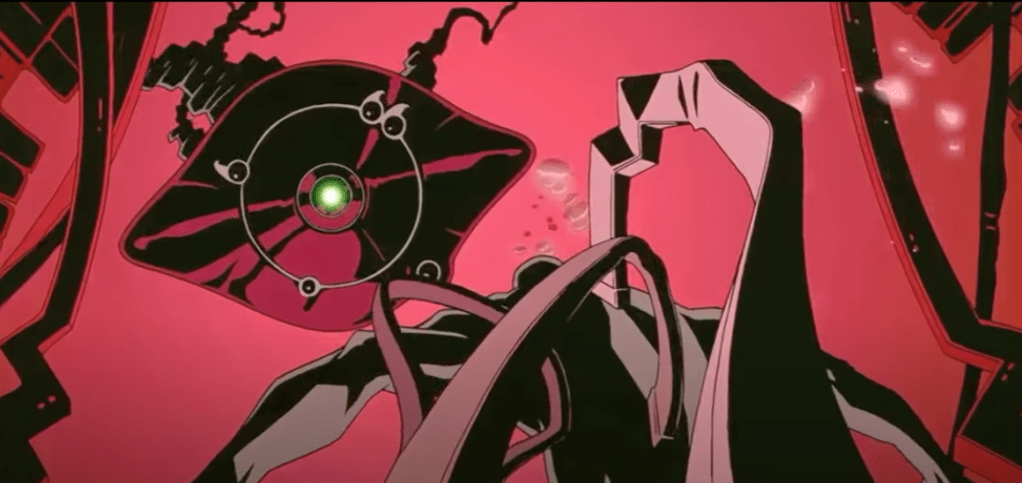
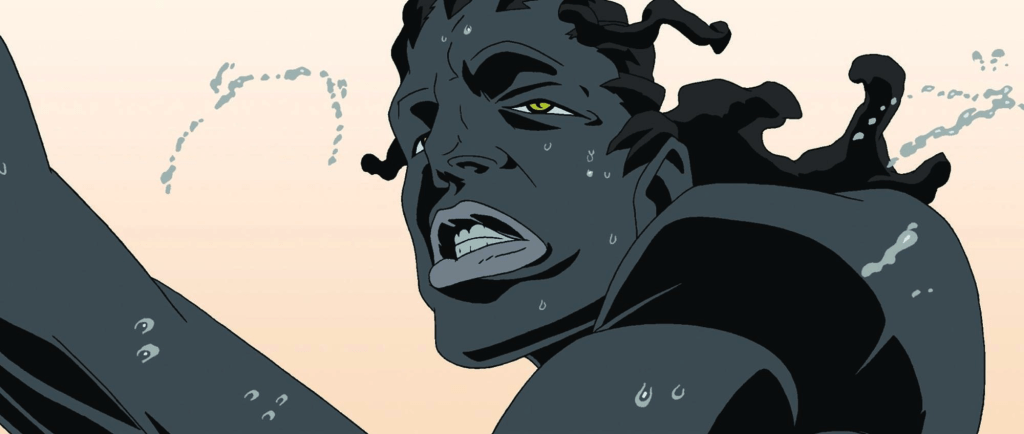
Redline, a 2009 animé movie released by Madhouse, instantly became one of my all time favourite animations and it didn’t even break a sweat doing it. Which is not to say that it’s one of my favourite movies, necessarily, but as a perfect sugar rush high of the purest joy animation can deliver I struggle to think of its equal. This thing took 7 years to make, comprising 100,000 cels of some of the most gorgeously detailed hand-drawn animation I’ve ever seen.

The movie is the debut feature of animator Takeshi Koike, whose Animatrix short World Record I reviewed a few weeks ago (all part of my cunning plan). But what is this “Red Line”, you ask. What’s it all about, eh?

Okay, so take 2000 AD comics, the works of Jack Kirby and Moebius, Mad Max and pretty much every Franco-Japanese Saturday Morning cartoon from the eighties and put them in a blender. Take enough LSD to turn into a pineapple and serve. That’s Redline. It is AWESOME. If I had seen this when I was ten years old I might have actually died from excitement.

(more…)

Shortstember: Matriculated

Studio: DNA

Director: Peter Cheung

Writer: Peter Cheung

Wha’ happen’?

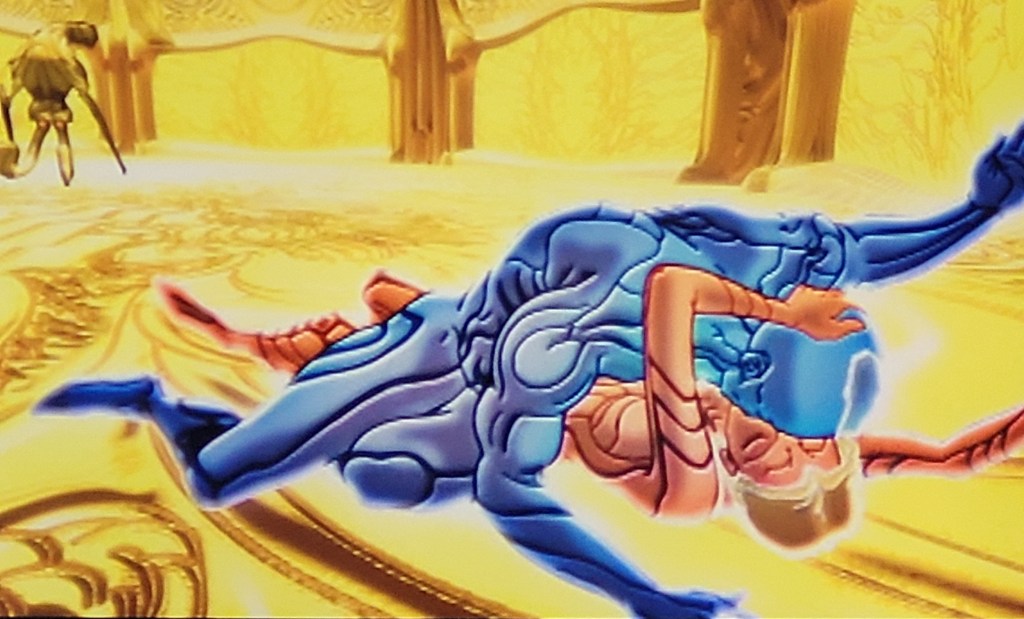
A woman named Alexa and her small cadre of human resistance fighters succeed in capturing a machine and plugging it into their own mini Matrix. There, they try to teach the machine the value of human beings by having sex in front of it while it watches.

I mean. That’s certainly ONE way.

After a whole heap of psychedelic faffery the Machine seems to be coming around to team human but, in the real world, the base is attacked by more machines, forcing Alexa’s crew to cut the programme short. They battle the machines and one by one are killed. Alexa begs their prisoner to help them and it does, but it’s too late to save Alexa. Holding her dying body in its arms, the Machine plugs Alexa back into the programme, uploading her consciousness. It then enters the the programme, hoping that it and Alexa can now be together forever. However, realising what’s happened, Alexa promptly dies from shock. The short ends with the Machine sitting alone on a bleak shoreline; “liberated” but completely alone.

How was it?

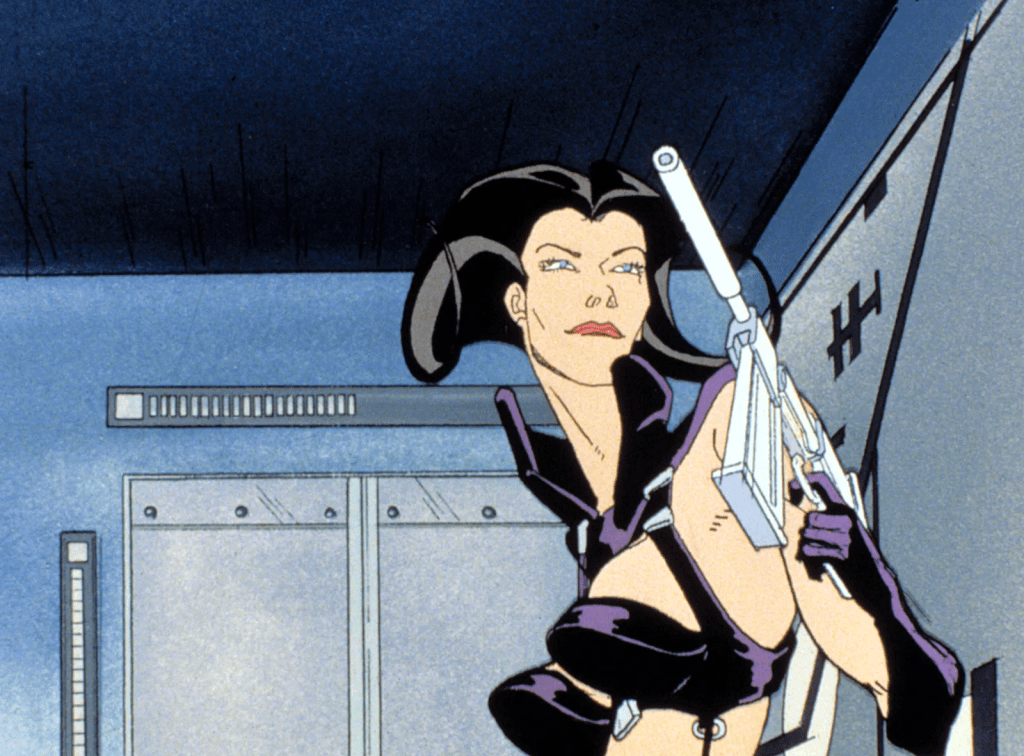
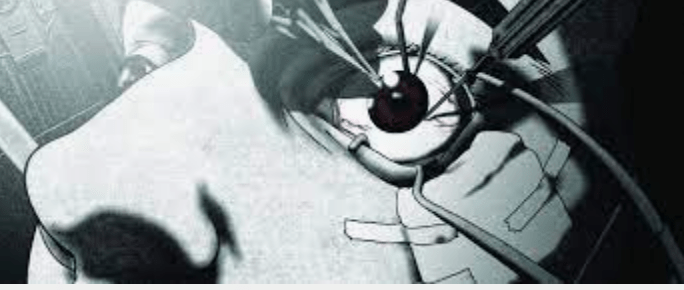
I’ve never liked Matriculated and it’s hard for me to marticulate, I mean articulate why. But I’ll give it a shot. Firstly, while Peter Cheung (Aeon Flux) certainly has a distinctive style I can’t say it’s one I’ve ever particularly liked. It’s a bit overly detailed and and I can’t get past the fact that everyone looks like a race of overly sexualised giraffe/human hybrids.

Secondly, the animation is done in this faux-trad/CGI style that I just can’t get behind. It just looks plasticky and cheap to me. It’s certainly not terrible but it’s a conspicuosly weak entry for an anthology with such an incredibly high standard in its visuals and animation. Then there’s the story. Matriculated is by far the longest of any of the shorts at a quarter of an hour and it doesn’t really spent its time well. Instead of fleshing out these characters whose deaths we will soon be mourning, the bulk of the short is given over to surreal imagery in the mini-Matrix as the Machine learns what it is to be hoo-man. I’m not exactly sure what the message is either. The humans state that they don’t want to simply re-program the machine and that they want it to discover the joys of free will and join them voluntarily. They reason that since the Machine is enslaved to its programming, it will want to choose to be free. But of course, the humans aren’t going to let the Machine choose to continue trying to kill them. The Machine is free to choose, as long as it makes what the humans consider the correct choice.

To the short’s credit, this very ethical quandary is discussed by the characters and honestly, that’s the part of this story that I’m more interested in. The trippy visuals honestly just feel like chin-stroking padding, especially since, with this animation style I’m not particularly in awe of them even on a purely aesthetic level.

On the plus side, the fact that the main human character has the name of what is now the most famous AI in the world is kinda funny.

Shortstember: Detective Story

Studio: STUDIO4°C

Director: Shinichiro Watanabe

Writer: Shinichiro Watanabe

Wha’ happen’?

Ash is a down on his luck Private Eye (and seriously, is there even any other kind? Have you ever read a detective story that began: “Business was great. We’re opening three new branches of the agency and just hired thirty new staff. Consumer Magazine just voted us “Best Detective Agency” for the second year running. I love my job”?)

Just as his money is about to run out and he has to consider whether or not pet cats are edible, Ash gets a job from a mysterious caller who hires him to find Trinity.

Ash discovers that three previous detectives have taken this case; one killed himself, one vanished and one went crazy, so he goes to talk to the crazy one (obviously).

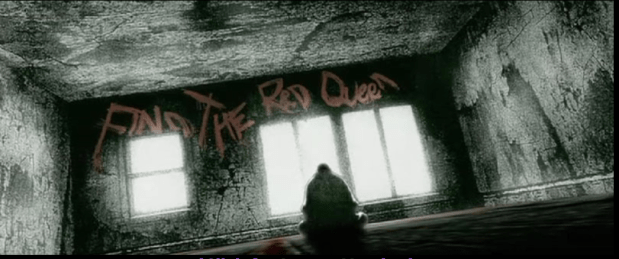
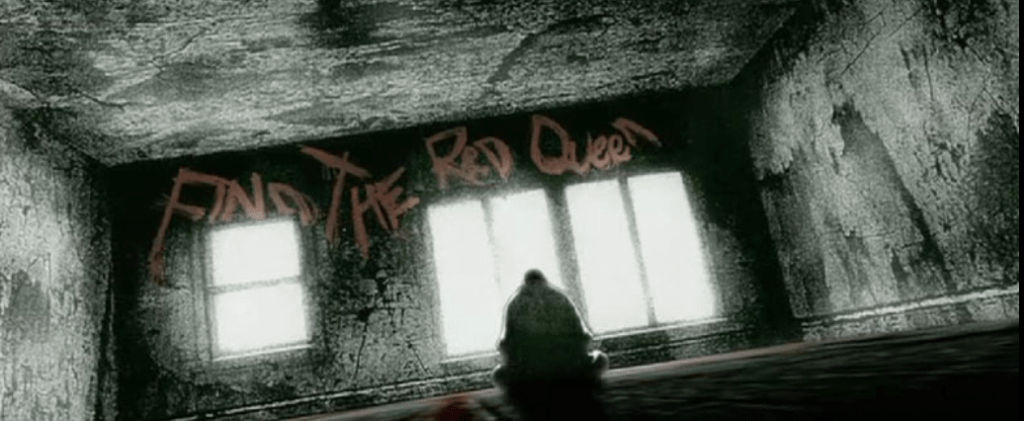
The detective gives Ash a clue, telling him to “find the Red Queen”.

Ash starts looking in chatrooms for someone with that handle and makes contact with Trinity. She gives him a reference to Alice Through the Looking Glass which he’s able to deduce means she’s about to get on a train. He races to the train station and finds her in a carriage.

She tells him that this was a test and that he passed but suddenly agents manifest in the carriage. Ash and Trinity try to run, but the agents try to take control of Ash, forcing Trinty to shoot him. As he dies, she regretfully tells him that she thinks he could have handled the truth.

Trinity runs and Ash covers her escape, training his gun on the agents and noting that it was “the case to end all cases”.

How was it?

Detective Story is goddamned beautiful.

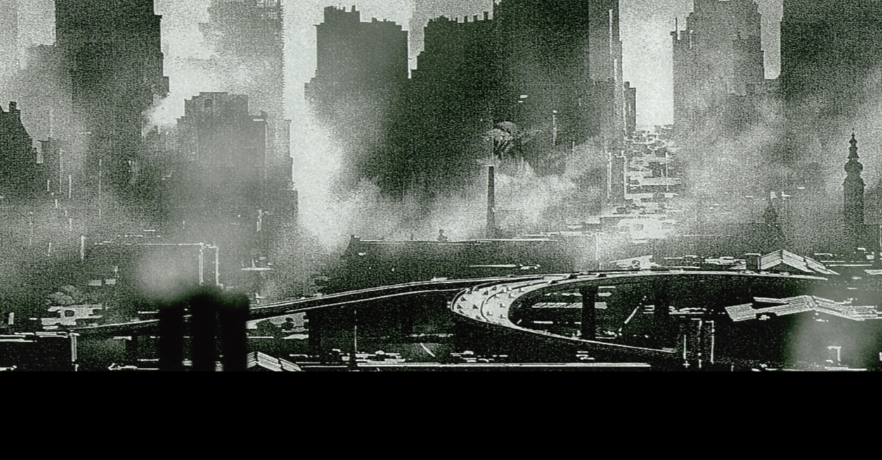
I love this aesthetic so much, these mid-century black and white photographs brought to life it is just so gorgeous. The mood of this piece, the music, the visuals, if you love film noir you will be in heaven.

Unfortunately, while my soul loves it, my stupid brain can’t overlook that there isn’t much of a story to Detective Story, or indeed much detecting.

First things first, gorgeous though it is, this short is impossible to reconcile with the Matrix films. The clothing, the weird diesel-punk computers, this simply is not the same world we see in the movies. I’d say it was set in an earlier Matrix but the presence of Trinity (voiced by Carrie-Anne Moss) would indicate that it’s in the “present”.

Then there’s the plot, which makes not a lick of sense. Why the hell are the machines hiring bluepill detectives to find Trinity? Why would they do a better job than the beings who literally run the world? Then there’s leaps in logic where Trinity gives Ash a clue that she’s about to get on a train which is enough to let him find her because apparently there’s only one train station in the entire world.

Ultimately, Detective Story is a beautiful, atmospheric mood piece let down by threadbare storytelling.

“Another Batman killed, eh? I hope that this is the last of them.”

Hello everyone, and welcome to a new series here on Unshaved Mouse where I review every Batman movie except for the ones that I’ve already reviewed. Well, most of them. I mean, some of them. Look, the character’s been featured in over eighty films at this point and I have a life, allegedly. But let’s kick this off with a thematically appropriate question. Riddle me this! What is the first superhero movie?

Well, not to get all Bill Clinton on ya, but that really depends on your definition of “movie”, “superhero”, “first” and “the”. You can argue, and many do, that the superhero genre has always been with us. That Superman and Batman are just the latest iterations of characters like Enkidu, Herakles, Thor and Cúchulainn. At the opposite end of that maximalist take is the concept that the first superhero was Superman, because he was the first to embody three fundamental elements; a secret identity, superhuman powers and a comic book origin. And between these two poles there are characters that are kinda liminal, sort of superheroes and sort of not. Characters like Zorro and The Shadow. Pulp heroes? Superheroes? It’s not entirely clear. I know one guy who claimed that the first true superhero was Baroness Orczy’s 1905 creation the Scarlet Pimpernel. And since that guy was frickin’ Stan Lee. Yup. Good enough for Mouse.

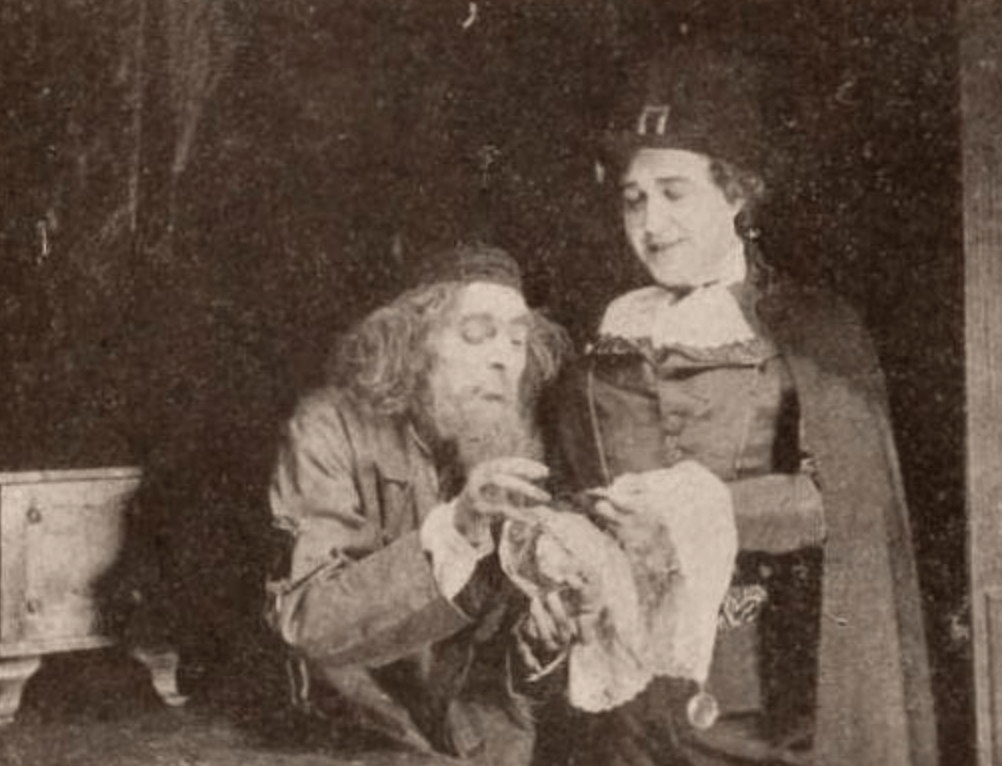
If so, that would make the now-lost 1917 silent film The Scarlet Pimpernel the first superhero movie.

Well, clearly all the pieces are in place.

So, (if you’re willing to stretch your definitions), the superhero movie genre is over a century old, and even pre-dates superhero comics. And yet, if you ask the average person what the first superhero movie is, what do you think they’ll say? 1978’s Superman? The 1966 Batman? Why has around half of the genre’s history been essentially memory holed?

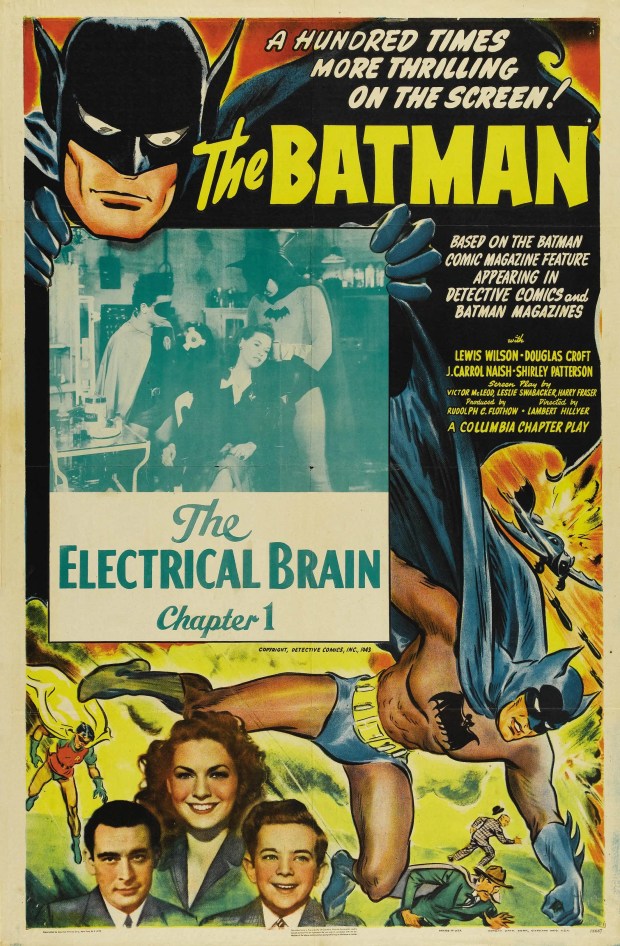
Well, part of the problem is that most superhero cinema prior to the 1950s came in the form of serials. Serials were essentially the precursors to TV shows. A cinema would screen a new episode every week. Each episode was typically between 10 and 30 minutes long, low-budget and would end with a cliff-hanger to get you back in next week. In the forties, many famous superheroes were adapted to the form, including Captain Marvel, Captain America, Superman and, of course, Batman.

The second reason why this era of superhero cinema is so obscure is that they were all mostly terrible.

Okay, let me walk that back a little. They are products of their time. Because of the nature of the format, serial plots tends to cycle in place for around ten episodes before abruptly sprinting to the climax. This makes them, as you might imagine, not exactly bingeable.

And yet, I feel like Colombia’s 1943 picture The Batman should have a bigger pop culture presence. It’s the first Batman film, after all. And it was influential, in its way. It created several hugely important parts of Batman’s mythos. And the sixties series was arguably more an adaptation of this serial than the actual comic it claimed to be based on. And yet, if fans even know about it it’s usually “that weird old Batman movie that’s super racist”. And you know what? That’s unfair.

It’s not just racist. It’s also very boring.

And look, I’m just going to say this up front. I’m not doing my usual scene by scene analysis on this one. Why?

BECAUSE THIS BEAST IS THREE AND A HALF GODDAMN HOURS LONG

(more…)

Shortstember: Beyond

Studio: STUDIO4°C

Director: Koji Morimoto

Writer: Koji Morimoto

Wha’ happen’?

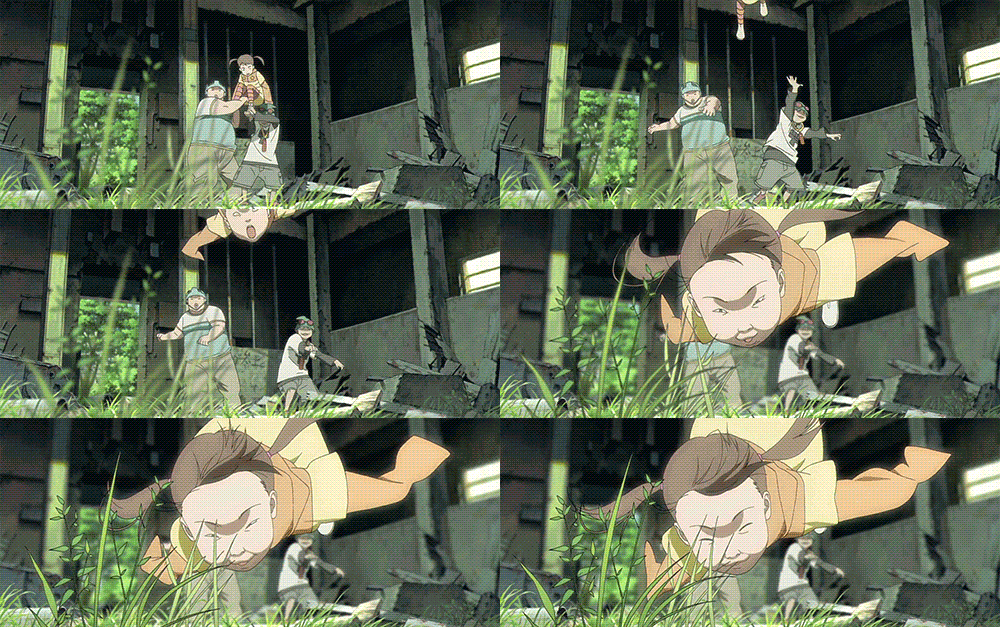
A teenage girl named Yoko goes looking for her cat, Yuki. She comes across a group of local kids who tell her that her cat is in “the haunted house”. She and the kids go exploring inside an abandoned house and discover that here the normal rules of the world don’t apply. Gravity is on the fritz, time slows down randomly and it’s raining a lot more in the living room than would be typical for this time of year. The kids enjoy playing in the house until suddenly it starts swarming with rats. Exterminators, led by agents, suddenly arrive and drive the kids off and seal the house up.

The next day the kids return to the site of the house to find that it’s been completely paved over with a car park.

They paved paradise and put up a parking lot. It’s just like that song, Master of Puppets.

How was it?

I remember not caring much for this short when I first saw it back in 2003 but I found myself warming to it quite a bit this time. This is a story with a very clear theme. It opens and closes with images of commuters and office drones and all the dreary pomp of adult life. But the glitch house represents the wonder of childhood, long summer days when anything seemed possible and the power of imagination could make you fly. At least until the adult world comes crashing down and builds a car park over it.

The ending is actually very grim. I was expecting that Yoko would find some hint that the house’s magic had somehow survived. Maybe she’d see a bird flying in slow motion, or a floating bottle or something. But no.

The short ends with the Matrix carrying on as it always has, a perfect and infallible method of control. This short is like childhood. It doesn’t last very long, but it’s beautiful and magical while it does.

Shortstember: World Record

Studio: Madhouse

Director: Takeshi Koike

Writer: Yoshiaki Kawajiri

Wha’ happen’?

Sprinter Dan Davis is looking to reclaim his world record after being disqualified for failing a dope test in a previous race. A group of agents watches him from the crowd as the race begins.

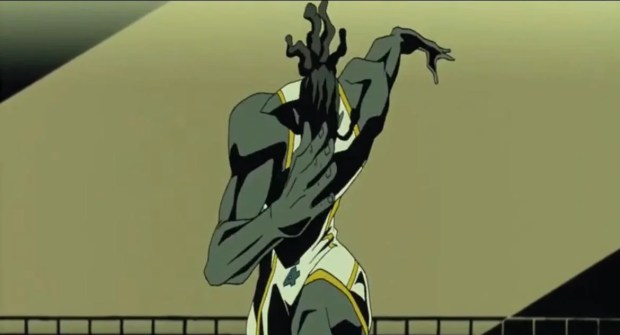
The race starts and we see, in flashback, Dan’s interactions with various people in his life. He talks to a journalist who tells her that running at his top speed is like being in “zero gravity”. Later, his trainer begs him not to race because his muscles are “about to explode” and see, this is why I don’t run. The possibility of exploding.

Sure enough, Dan’s leg pops a gasket but he powers through the pain and is about to cross the finish line when runs so fast he breaks the Matrix.

So, basically, Dan Davis is like Cyberpunk 2077 and the Matrix just can’t run him. He wakes up in a pod in the Real World until a machine comes along and puts him back in the Matrix.

“GO BACK TO BED.”
“Can I have a drink of…”
“NO YOU MAY NOT HAVE A DRINK OF WATER.

He arrives back just as he crosses the finish line and and sets a new world record. However, he’s been rendered near comatose by what he’s seen.

At the hospital, an agent reports in and says that Dan will never walk again, let alone run. Dan rises out of his wheelchair through sheer force of will and then begins to levitate into the air. He mutters the word: FREE.

How was it?

How was it?

It’s another “ordinary person discovers the Matrix” story and as such demands comparison with Kid’s Story. And it’s definitely the better of the two, with a far more compelling protagonist. And I say that despite this short’s narration going weirdly out of its way to dunk on the main character. I mean, this is what the narrator says. Just read this and tell me it doesn’t come across as really dismissive of Dan:

“Only the most exceptional people become aware of the Matrix. Those that learn it exists must posses a rare degree of intuition, sensitivity and a questioning nature. However, very rarely some gain this wisdom through wholly different means.”

“Most people who escape the Matrix are geniuses with a keen insight and incredible perception. Not this dumbass, though.”

The animation is certainly striking and makes the short stand out, even in the incredibly eclectic mix of styles that makes up the anthology. I do have criticisms though. Mostly, that the mouth animation is terrible. I don’t mean bad lip synching. I mean these characters are flapping their lips like fish on the floor of a boat. There’s one scene where Dan’s trainer is begging with him not to run and all I could think was:

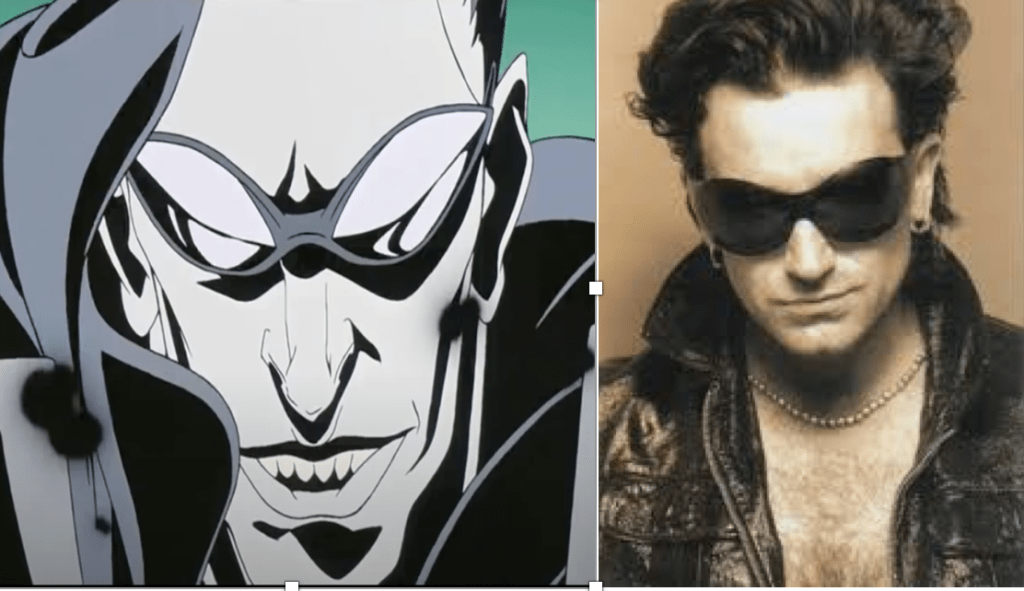
As a piece of Matrix lore, World Record raises some interesting questions. Kid’s Story established that Popper was the first person to “self-substantiate” but…how is that different from what Dan does here (other than the fact that Dan didn’t need to throw himself off a building)? You could argue that Trinity and Neo just didn’t know about Dan (and true, he was plugged back into the Matrix immediately). But the narrator of this story is The Instructor, the same character who narrated The Second Renaissance, which would imply that this story is from the Zion archives meaning that Trinity should know about it. Also there’s the curious matter of the agents looking quite different from their movie counterparts. Less “Pissy Secret Service” and more “Bono in the seventies”

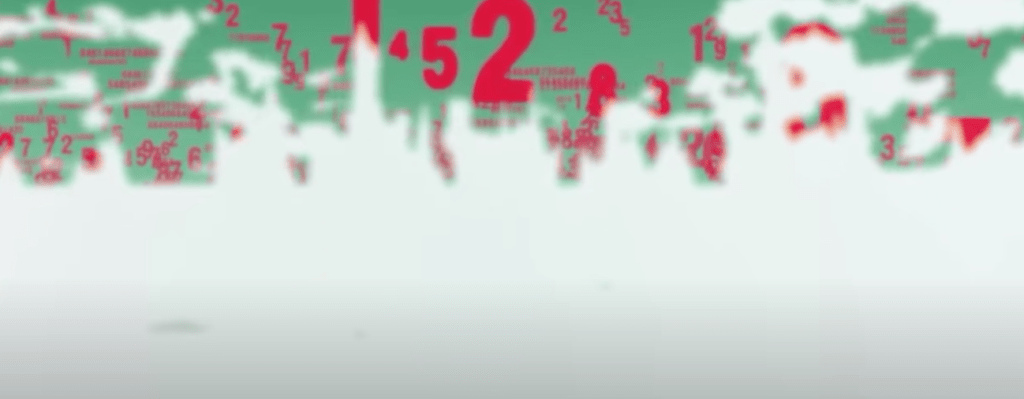
This, and the fact that the Matrix code Dan sees is red and not green, has led some fans to speculate that this story actually takes place in one of the earlier Matrixs Matrixes Matrices the Architect told Neo about.

Or maybe the dude’s just colourblind.

Shortstember: Program

Studio: Madhouse

Director: Yoshiaki Kawajiri, Yutaka Minowa 

Writer: Yoshiaki Kawajiri

Wha’ happen’?

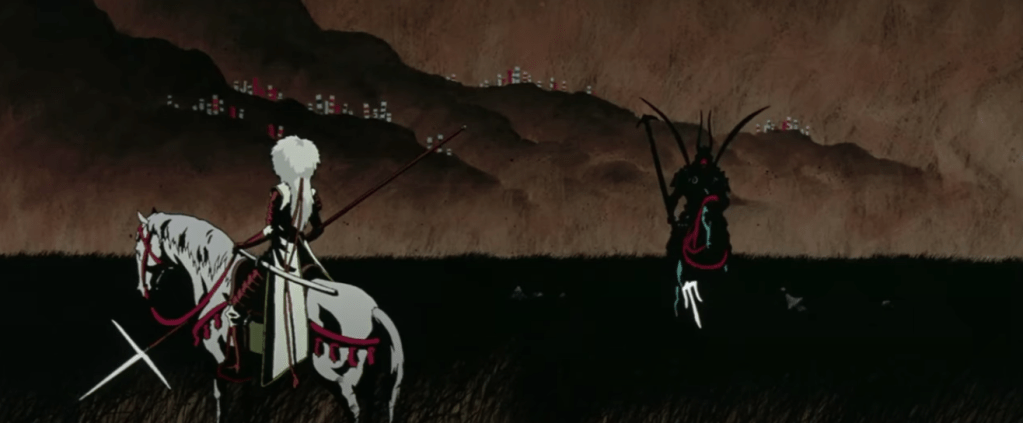
A woman named Cis is training in a samurai themed simulation. She effortlessly defeats some cavalry and finds herself face to face with this Darth Vader lookin’ motherfucker…

This is Duo, who challenges her to a sparring session.

They battle and Duo tells Cis that there’s something he wants to tell her and that he’s made sure no one else can hear them. She thinks he’s going to propose but instead he tells her that he’s returning to the Matrix and that he wants her to come with him. She refuses and Duo regretfully tells her that it’s too late and that the Machines are on their way to destroy their ship.

Cis and Duo battle across the simulation until finally she’s forced to kill him.

The program ends and Cis wakes up in shock only to be told by her captain that none of it was real and that the whole thing was a test. Cis is understandably pissed and punches him out and is told that, apart from assaulting a superior officer, she passed with flying colours.

How was it?

If you can’t tell from the screenshots, this is an absurdly, jaw-droppingly beautiful piece of animation. The Vampire Hunter D vibe is strong with this one and the opening shot of bamboo swaying gently in the wind is one of my favourite moments of animation in…anything. Program shows the nearly unlimited but rarely tapped potential of the entire concept of the Matrix. Now that I’ve seen the Matrix as a Kurosawa Samurai film, how about a Sergio Leone Western? Or a Peter Jackson Fantasy? Program also has a stellar voice cast, with Phil LaMarr, Hedy Buress and John DiMaggio all doing excellent work.

Weaknesses?

It’s not clear what exactly Duo is. Is he a program based on Cis’ real life lover? We never see him when she wakes up. And if he doesn’t exist in real life, why does Cis recognise him and think that he’s going to propose to her? Have her memories been altered for the test? That’s pretty messed up.

Whatever, you’re not here for the story. Program is all about the visuals, and on that measure it’s hard to imagine how it could be more of a success.

Shortstember: Kid’s Story

Studio: Studio 4°C

Director: Shinichiro Watanabe

Writer: The Wachowskis.

Wha’ happen’?

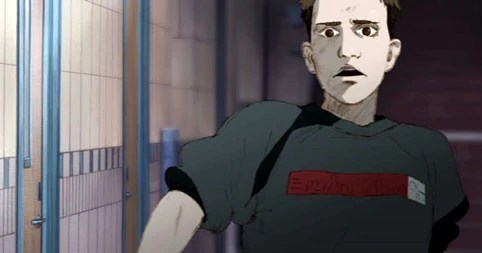
Michael Karl Popper, a young teenage boy who doesn’t feel like he belongs, looks for answers on the internet and makes contact with a strange man who wants him to take a red pill.

By writing such deeply radical and transgressive things as “why do I feel more awake when I dream?”, Michael draws the attention of the agents who pay a visit to his school. Michael gets a call from Neo who tells him to run. He gets cornered by the agents on the roof and, putting his faith in Neo, he jumps.

At the kid’s funeral, his teacher opines that some kids just can’t handle the world they find themselves in but that Michael is now in a better place.

And the short ends with the kid waking up to see Neo and Trinity looking down at him, having managed to free himself from the Matrix (the first time anyone has ever done that).

How was it?

Damn, the Wachowskis really thought we were going to fall in love with the Kid, didn’t they?

Think of all the characters they could have devoted an entire short to fleshing out. Morpheus? The Oracle? The deja vu cat? And they go with this guy?! The Wesley Crusher of the Matrix universe?

This is my least favourite short, hands down. Pros first;

The animation has this beautifully fluid, pencilled style that’s very beautiful and the soundtrack is lovely.

The problem is the script. The Wachowskis have never been particularly strong on dialogue and I would actually say they are flat out bad at character. They are good at types. Stoic badasses. Inscrutable sages. Wide-eyed innocents. But the best Wachowski characters are the ones played by actors who can add dimension and inner life to what is almost always a stock role on the page. Even getting past the kind of gross way this short glamorises teen suicide, the Kid just is not an interesting character. He’s supposed to be the first person to ever manage to break out of the Matrix unaided (something that will be flatly contradicted by a later short), but frankly if this guy can do it, anyone can. There’s never any hint or sign that he’s anything other than a completely normal teenage boy. And the idea that he was able to break free by putting his faith in Neo isn’t inspiring, its nonsensical. He has never met the dude. They had one, very short online conversation where it’s not even clear that Neo told him anything about the Matrix.

So…what did he think was going to happen when he jumped off the building? Neo was going to swoop in like Superman? I mean, he could, but the kid doesn’t know that.

Ultimately, the short has a nice atmosphere but it’s a dull story that makes no sense about a dull character who never needed to exist.