unshavedmouse

“Cowabunga.”

In 1984, two broke young illustrators named Kevin Eastman and Peter Laird were trying to break into comics. Eastman randomly doodled a turtle in ninja attire and the pair decided that it was a Teenage Mutant Ninja Turtle, essentially a madlib of everything that was popular in comics at the time (except for turtles).
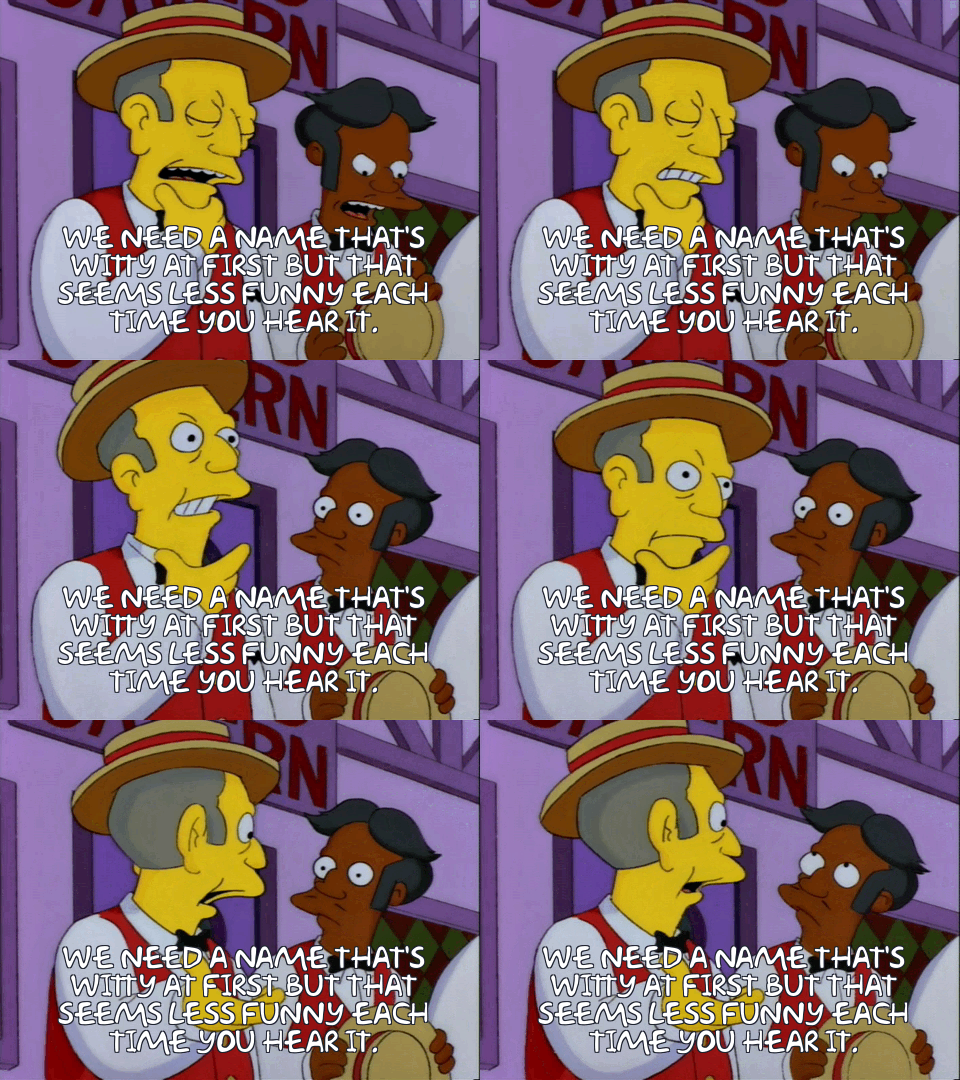
They then wrote a silly little issue parodying Frank Miller’s Daredevil run and that, of course, was that.

This one weird joke concept riffing on an incredibly specific moment in comic book history in a black and white indie vanished without a trace, the very definition of a flash in the pan.

Wait, no. *checks notes*

It went on to conquer the goddamn world. To this day, TMNT is quite possibly the most lucrative Western comic book property not published by either DC or Marvel. Third most successful toyline of all time. Seven TV series, seven films, multiple videogames, hundreds and hundreds of comic issues and a metric shit-ton of merch. Which, on the one hand, is crazy.

How did a concept so ridiculous, and so seemingly instantly dated become one of the most successful and enduring pop culture phenomena of the past half century? Well, success has many fathers. Firstly, I think the franchise’s longevity was sealed with this:

A theme tune that catchy only comes around once in a blue moon. Play it over NINE SEASONS and it’s practically brainwashing.

Then there’s the fact that TMNT relies on a template that has proven to be amazingly durable over the last 180 years.
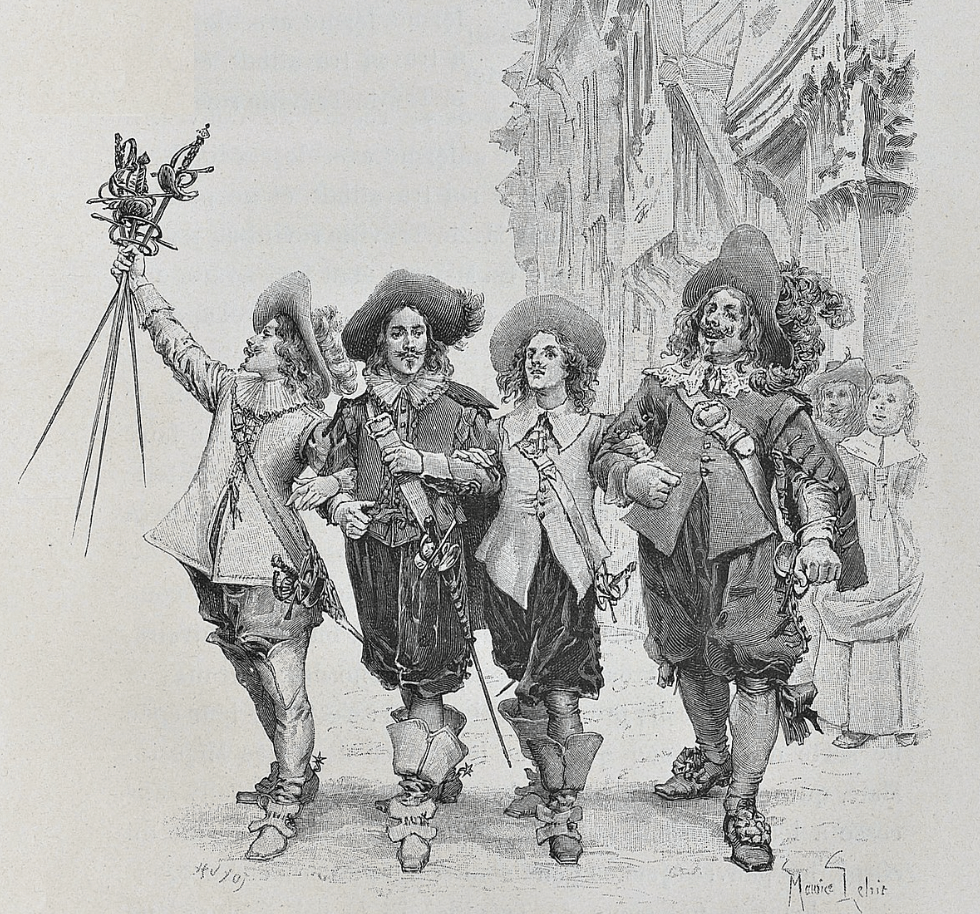
Hothead. Stoic Leader. Smart Guy. Big fun doofus.

The Musketeer Archetypes are like the Four Chords of character writing. They’re bloody everywhere, but they’re there for a reason. They work, dammit. And these character traits (Leads, Does Machines, Cool but Rude, Party Dude) hold true across virtually all interpretations of the characters which gives continuity across the franchise. But, and this is crucial, with that stability and continuity there also comes incredible plasticity. The Turtles fandom is fantastically diverse in terms of its age range and that’s because TMNT can be this:
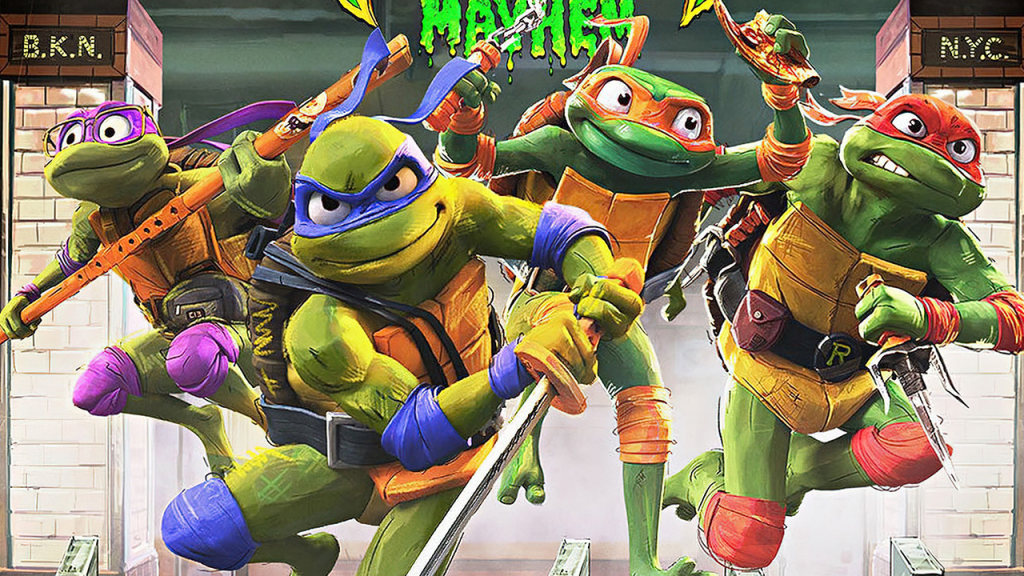
Or it can be THIS:
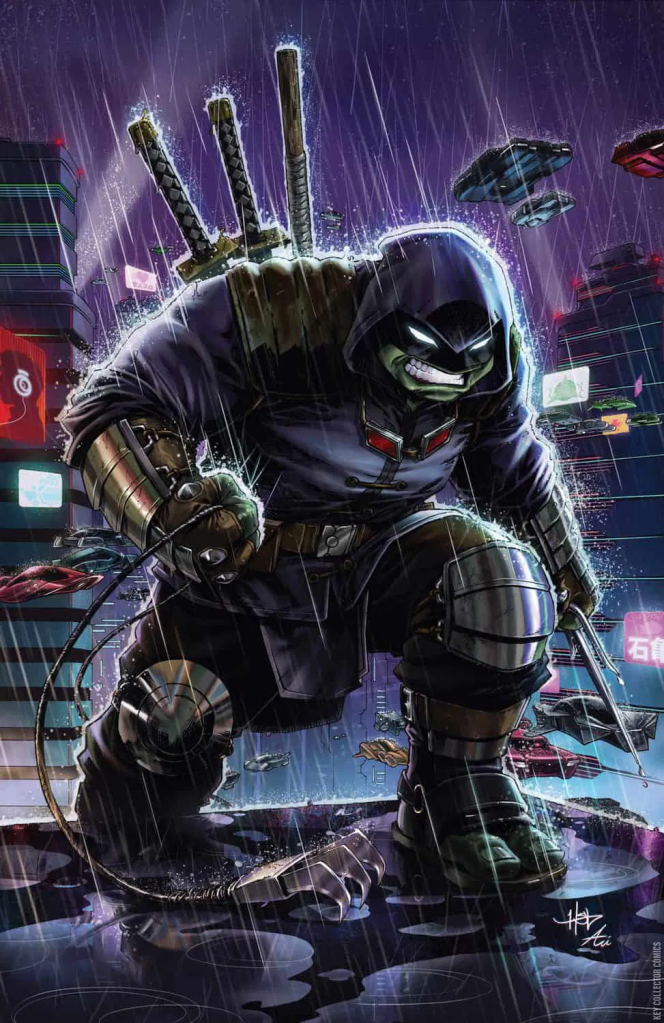
Once you get past the initially (very, very, very) silly premise, the Brothers Turtle can grow with their audience. There’s stuff for kids and there’s also stuff for adults. So, class, where have we heard that before? A character that has a rock solid core that’s also surprisingly adaptable and can tell stories for any and all ages?
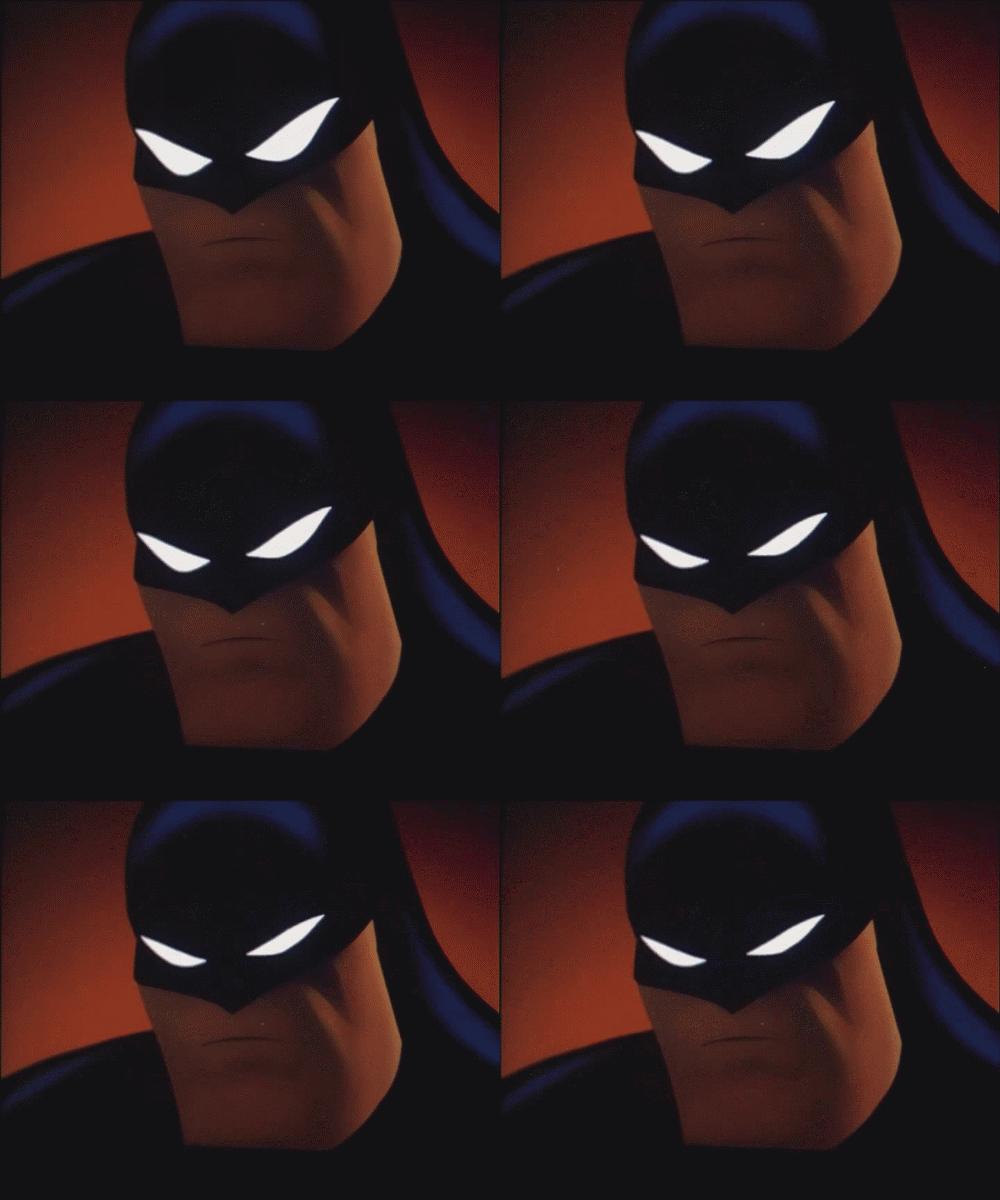
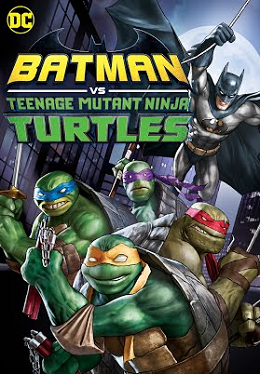
So before we go any further, I owe you all an apology. I know I said I’d be reviewing Turtles Forever but you need to know three things:

  1. My DVD of Turtles Forever didn’t arrive in time (that’ll teach me to support physical media).
  2. There’s a Turtles movie with Batman in it, how am I NOT going to review that?
  3. It is SHOCKINGLY good.
(more…)

“Vengeance won’t change the past, mine or anyone else’s. I have to become more. People need hope.”

While I know it isn’t true, I like to imagine there’s one guy in Warner Bros who was put in charge of the Batman films in 1989 despite knowing nothing about comics in general or Batman in particular and who spends every day banging his head against a desk and screaming “what the FUCK do you people even WANT?!”

Because to a casual observer, there really is no rhyme or reason to which Batman movies succeed and which fail. Why was Batman Forever a massive hit and Batman and Robin a franchise-killer? Why did audiences love Batman and largely steer clear of Batman Returns? Why is a grim and gritty Batman great with Christopher Nolan but not with Zach Snyder?

And there’s no one answer, really. Audience expectations. The marketing. The directing. The acting. The writing. The music. There are hundreds of factors that decide whether a Batman movie will succeed, same as any other movie. And added to that there is a very specific problem with adapting this character to screen: nailing the tone.

Getting the tone of a Batman story right is a damnably tricky thing, and it’s something that writers have struggled with ever since the character was introduced 85 years ago. Let’s take a moment, firstly, to acknowledge that Batman has often been campy and fun and played for laughs. And often, as in the sixties Adam West series, or Batman: The Brave and the Bold, it’s been done to great effect. But, fundamentally, this is a character rooted in a mashup of crime fiction and the horror genre. Batman stories, from their very beginning, deal with murder, corruption and violence. A child witnesses his parents’ brutal slaying and devotes his life to waging violent nocturnal war against the criminal element. It ain’t baby-town frolics. And I think what trips up a lot of Batman writers is that they succumb to the temptation to wallow in miserabilism. They lean into the violence and the horror and the awfulness of the setting to a degree that it stops being in any way enjoyable.

The best Batman stories have stakes and drama and darkness, but it’s a certain kind of darkness. A darkness that takes itself seriously, but not too seriously. There is a dusting of pulpy camp that stops the darkness becoming overwhelming. It’s a very, very tricky tone to capture and, if I’m perfectly honest, no single live action director has ever managed to capture it perfectly.

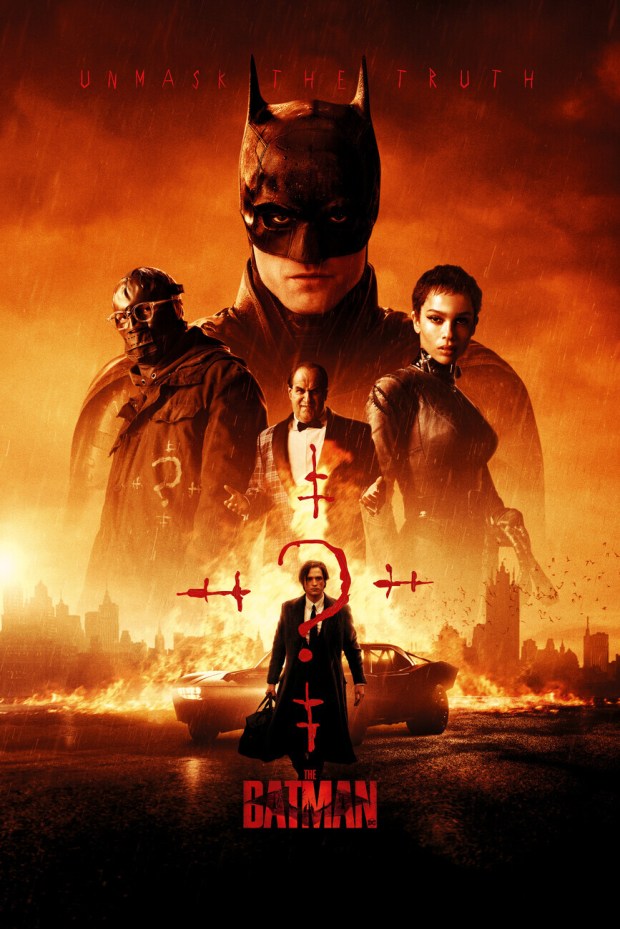
That is, until Matt Reeves knocked it out of the fucking park in 2022.

(more…)

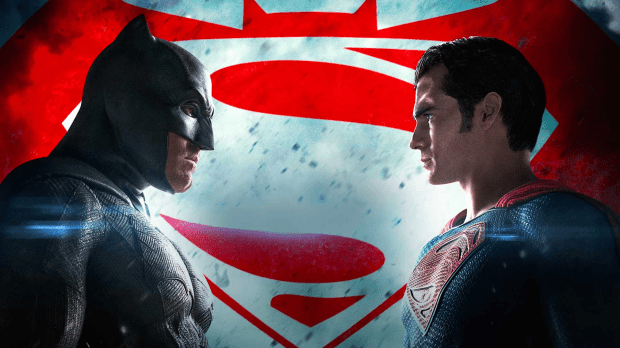
“Nobody cares about Clark Kent taking on the Batman.”

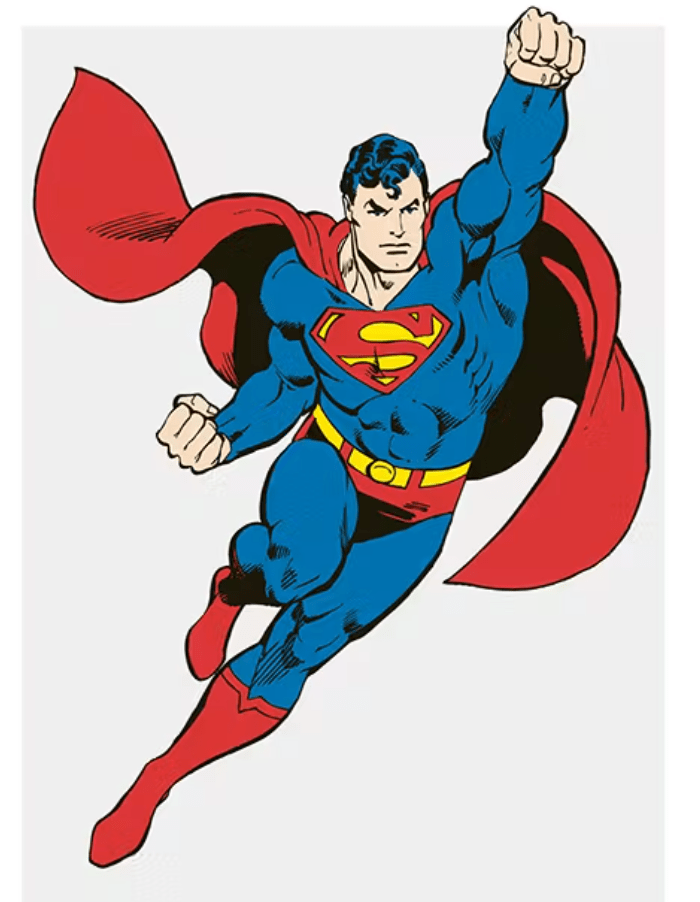
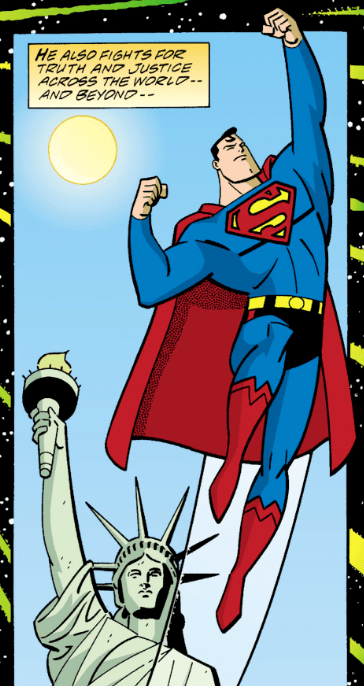
I don’t actually think it’s possible to be a little boy between the ages of 4 and 8 who is aware of Superman and not a fan of Superman. It’s like Star Wars or Transformers. You see this:

And something in your little boy soul just chimes.

So I don’t think there was ever a time where I wasn’t a fan of Superman but as I’ve gotten older I’ve certainly become more of a fan. And I have to say, on behalf of my tribe, it’s a pretty good time to be an enjoyer of Clark Kent. James Gunn is going to be bringing us a new Superman movie next year, both Superman and Action Comics have been enjoying high-quality, well-received runs and My Adventures with Superman is, in my humble opinion, the single best animated depiction of the character since the Fleischer Shorts of the forties. Yes. Better than Superman the Animated Series and Justice League Unlimited. No, I will not take that back.

My point is things are good now. We’ve come along way from…y’know.

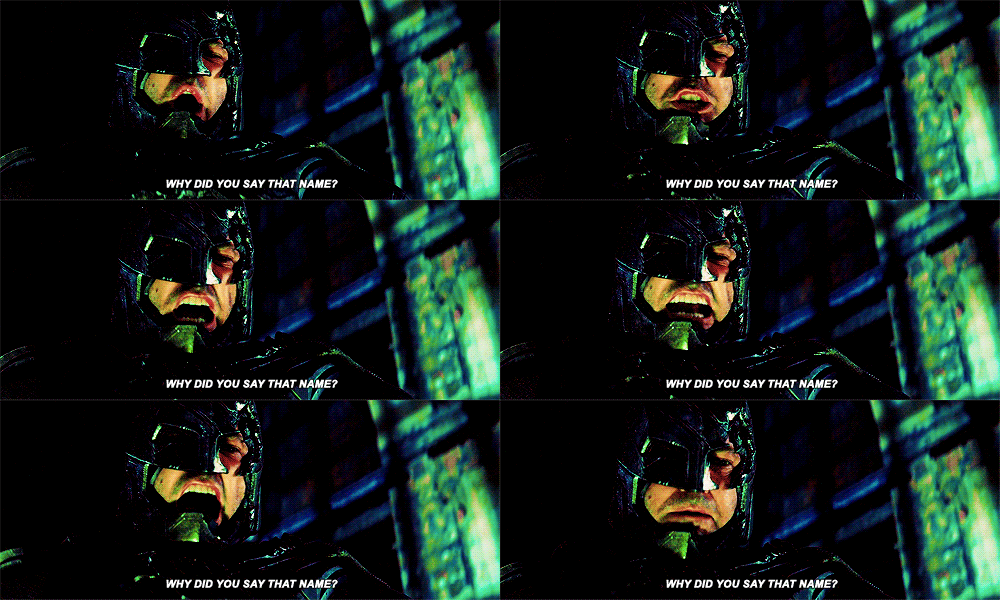
Fuck. There really was a time there when the guy most responsible for shaping Superman’s presentation to the wider world was Zack Snyder.

Future generations won’t believe it. But I was there. It happened.

Alright, let me pull back a little bit. I know you’ve probably clicked on this hoping for some classic, old-school mid-2010s internet rage with all manner of inventive profanity and performative outrage and I won’t lie, I’m not too proud to dance. BUT I want to draw a line in the sand here and make one thing clear.

I don’t hate Zack Snyder either personally or artistically. He is, by all accounts, a lovely guy and the loyalty that he inspires in the actors who have worked with him is genuinely touching. I can’t say I understand the devotion that fans of his movies have to his work but I don’t for a minute doubt its sincerity. People do genuinely, passionately adore his films and respond to them and that can’t be ignored. This is not some studio hack. This is a man who produces works that people respond to strongly, both positively and negatively. This is an artist.

He should not be allowed near Superman. Ever.

He does not understand the character and he does not understand why he matters.

I realise that this is going to come across as just…foam-flecked fanboy ranting but please hear me out. This character is important in a way that very, very few fictional characters are or ever will be. Remember what I said about how every little boy just, instinctively loves Superman?

Okay. Now you may have heard Superman described as a power fantasy for little boys. And to that I say “yes, absolutely he is” and also “why the fuck are you saying that like it’s a bad thing?”

If Superman is a fantasy, what exactly is the fantasy?: “I want to be an all-powerful demi-god so that I can…devote every free moment of my time to protecting and helping those who have less power than me”?

So…you have generations of young boys who will grow up in a world where they will have disproportionate power (of many kinds) over others being influenced by this character and his worldview, modelling behaviours of selflessness, compassion, kindness and justice. You see why that might be, I dunno, a very, very good thing?

Now here is a quote from Zack Snyder (he’s actually responding to criticism about Batman killing people in his movies but it’s also relevant when discussing his approach to Superman):

“Once you’ve like lost your virginity to this f**king movie and then you come and say to me something about ‘oh, my superhero wouldn’t do that’, I’m like ‘are you serious?’ because I’m down the f**king road on that.

“It’s a cool point of view to be like: ‘My heroes are still innocent. My heroes didn’t f**king lie to America. My heroes didn’t embezzle money. My heroes didn’t commit any atrocities.’

“That’s cool, but you’re living in a f**king dream world, okay?”

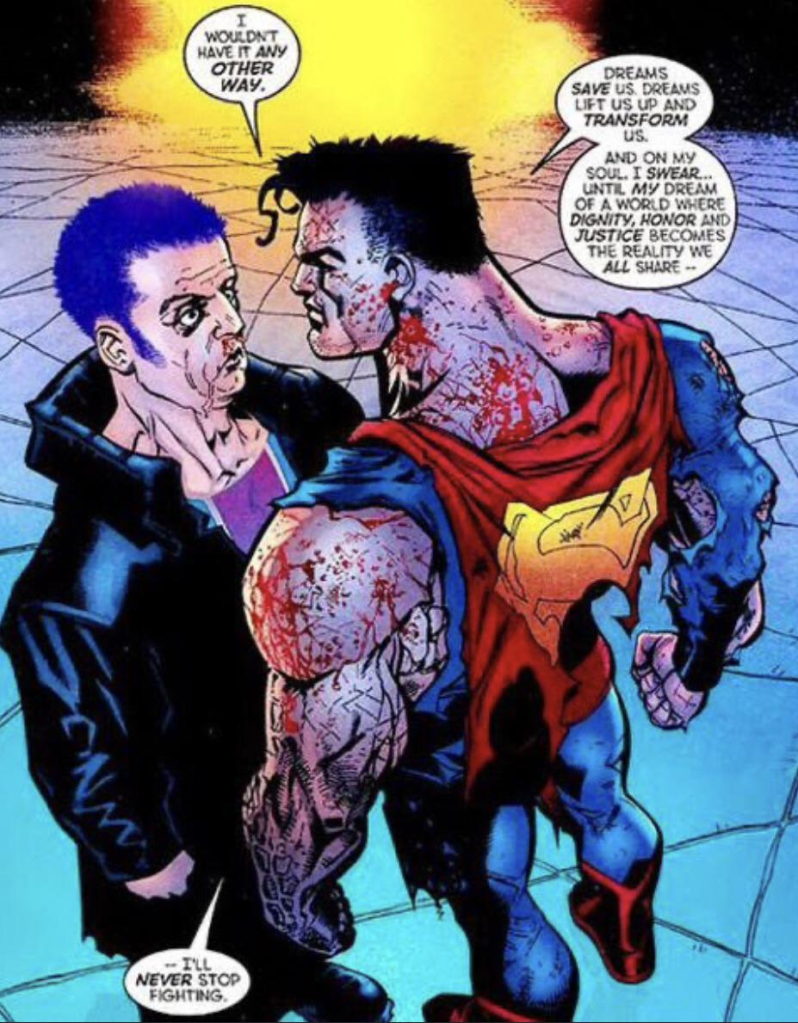
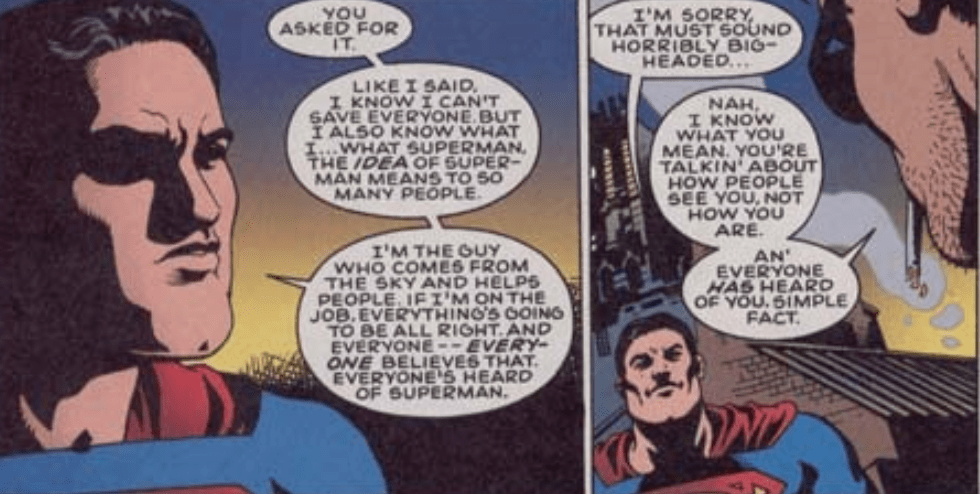
And yes, I know juxtaposing that quote with that dialogue from What’s So Funny About Truth, Justice and the American Way has been done so many times it’s cliché at this point but…I wanted to do it and it made me feel good and it’s my blog so there.

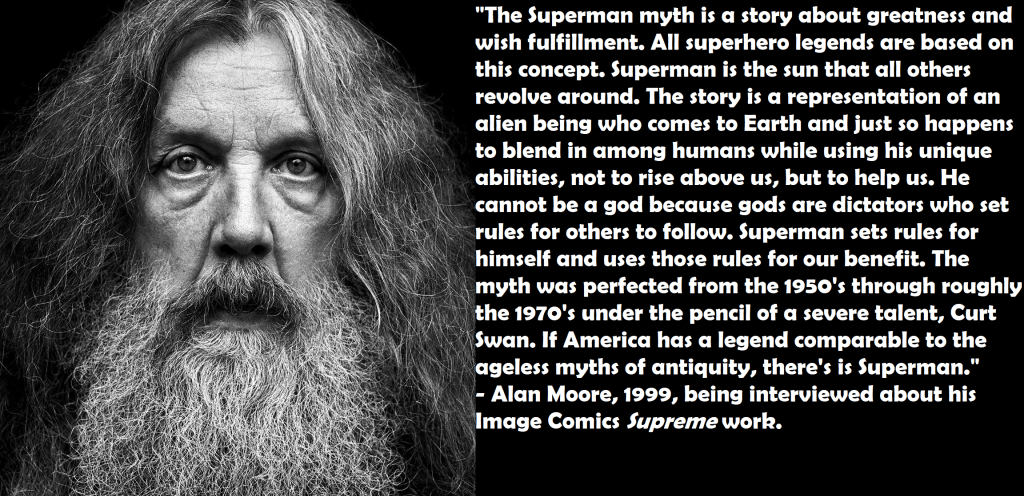
Zack Snyder claims that his approach to comics is rooted in Alan Moore’s Watchmen and sure, Moore did deconstruct the tropes of comic books and created superheroes who were deeply, deeply flawed people. But you know what he didn’t do? He didn’t try that shit with Superman.

Moore didn’t write a lot of Superman stories but the ones he did featured some of the very noblest, most selfless versions of the character.

Moore gets what makes Superman important, and that it is not something to fuck with.

Hell, even Mark Millar and Garth Ennis, the two patron saints of the Shitty Edgelord school of superhero comics. You give them Superman, this is how they write him:

Superman is so fucking good the guy who wrote The Boys can’t hate him.

Anyway.

Hello, welcome to my regular series of movie reviews where I talk about Batman.

(more…)

“Peace has cost you your strength. Victory has defeated you.”

Martin Scorsese supposedly coined the expression: “one for them, one for you”, meaning you do the movies the studio wants you to do in order to do the movies you want to do. The Dark Knight Rises is, famously, one of the most open and avowed “one for them” movies in recent Hollywood history.

Nolan didn’t want to do it (especially after Heath Ledger’s tragic death) and never bothered to hide the fact that this was the hoop he had to jump through to get Warners to pony up for Inception.

But you know what? It’s a myth that great art only comes from passion projects. Plenty of good and even great films have come from people who just showed up to work that day. And look, if the price we had to pay for every Inception was a Dark Knight Rises, I’d take that deal.

But there are problems with this movie. And (bizarrely, given this is the exact same writing team that gave us the fucking GOAT of a script that was The Dark Knight) pretty much all those problems begin and end on the page.

(more…)

“We burned the forest down.”

Do you want to know how I got these scars into writing about movies?

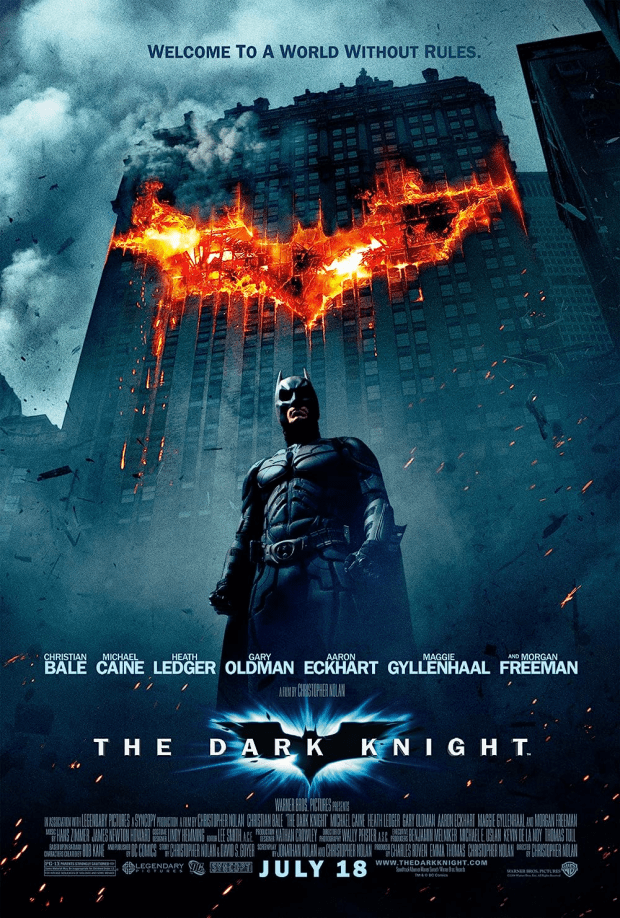
My college had its own version of “The Onion” where I made my bones writing utterly run-of-the-mill edgy early 2000’s college humour (i.e. the kind of stuff that would get me cancelled today so fast it would break the laws of physics) and my editor asked me if I’d be interested in trying my hand at writing a movie review. And the very first movie I ever reviewed for them (if memory serves) was none other than The Dark Knight. And now you know my gritty origin story. And, if you are old enough to remember my earliest reviews (DON’T GO BACK AND READ THEM DON’T YOU DO IT I SWEAR TO GOD) you’ll remember that this movie was a BIG deal to me and those early reviews are chock full of references to it, even when they weren’t relevant or funny. Which was all the time. I see that now.

So, as you can imagine, I approached this one with a great deal of trepidation. Is it really as good as I remember?

No, actually.

In fact, in many ways, it’s better.

(more…)

Bats Versus Bolts: Movies that had virtually nothing to do with Andy Warhol

These movies are terrible. I’m so glad I watched them.

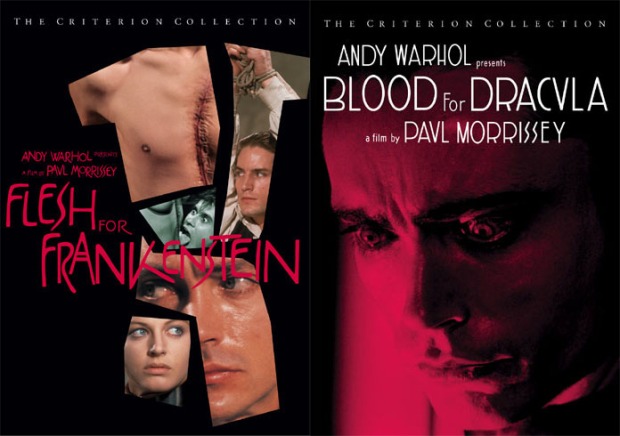
Flesh for Frankenstein and Blood for Dracula are in many ways the best candidate for a Bats versus Bolts  that I’ve done yet. Not only are they by the same director and share many of the same cast, but they were made practically concurrently by the same crew.

Also, when I lie to myself and pretend that there’s some kind of high-minded artistic goal behind this series beyond me getting to talk about vampires and monsters, I like to think that each BvB pair says something about the time they were created in. That is absolutely the case with these two films which are not only seventies movies, but some of the most seventies movies I have ever seen.

These films were directed and written by Paul Morrissey, one of the more fascinating film-makers I’ve come across doing this blog. A member of Andy Warhol’s inner circle (we’ll get to that) he had a front row seat to the drug-soaked bacchanal that was the sixties New York arts scene. Morrissey is fascinating to try to pin down in terms of his politics. A self described right-wing conservative and staunch Catholic…who was also something of a trailblazer in terms of trans representation in film and a body of work that lends itself quite easily to Marxist readings with a consistent portrayal of the aristocracy as a shower of evil degenerate parasites. Like I say: interesting guy. 

Note, I did not say maker of good films.

Anyway, Morrissey claims that the whole idea to make monster movies came about, appropriately enough, from meeting Roman Polanski. Polanski apparently suggested that Morrissey would be the perfect person to make a 3D Frankenstein movie, which honestly I would take as an insult. Morrissey didn’t, however, and arranged a shoot in Italy, filming both Flesh for Frankenstein and Blood for Dracula back to back. Or, as they were known in the U.S.; Andy Warhol’s Dracula and Andy Warhol’s Frankenstein. Why were they called that? Oh, that’s very simple.

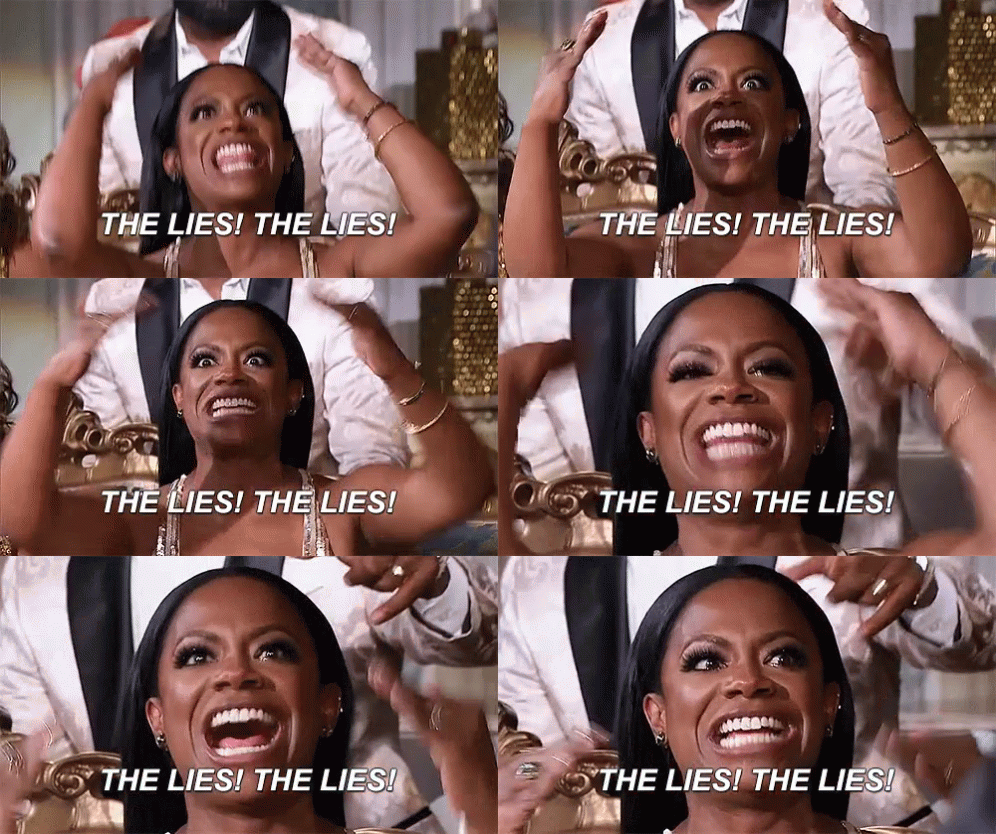
Lies.

the-lies-rage

It was just a marketing tactic. Warhol let his friend put his name of the movies to boost the alogorithim. They actually used the same trick for the Italian releases, putting a famous Italian director’s name on them to claim Italian residency which actually got the production in serious legal trouble in Italy.

The resulting movies are Morrissey’s critique of the sticky, shame-filled, bitter and angry come down from the Free Love era that was the early seventies.

That makes them sound a lot more classy and high brow than they actually are.

(more…)

“Why do we fall, Bruce? So we can learn to pick ourselves up.”

I almost didn’t write this review. I seriously toyed with the idea of putting Batman Begins off for another fortnight and devoting an entire post to the sheer insanity that was Warner’s near decade-long attempt to get a fifth Batman movie made after the neon coloured Chernobyl that was Batman and Robin.

This was right around the time I started following movie news and let me tell you, friends, listening to the proposals coming out of Warners in the late nineties was like having your ear pressed to a cell wall in a lunatic asylum.

“Coolio as Scarecrow! Ghost Joker! MADONNA AS HARLEY QUINN!!! AAAAAAHAHAHAHAHAHAHAHAAAAA!!!”

Some of these proposed films, admittedly, do sound pretty interesting, like the Batman versus Superman movie starring Colin Farrell and Josh Hartnett, Darren Arronofsky’s Batman Year One or a version of Batman Beyond with Keanu Reeves as Terry McGinnis.

But the one thing that all these proposed movies have in common is that they really, really want you to know that they were going to be DARK. Black. Psychologically tortured. Darkness. No parents.

It’s honestly a little macabre how much they wanted you to know that Batman was going to have a thoroughly shitty time when this movie finally got made. Which is unfair. I mean, Batman didn’t decide to let Akiva Goldsman write the script for Batman and Robin, why should he have to suffer?

Thankfully, we were spared the spectacle of a sobbing, psychologically scarred emo Batman by the appointment of Christopher Nolan as director, a man who has no time for your puny human emotions.

All kidding aside, I’ve seen nine of this legend’s movies and five of them are on my all time greatest list.*
(more…)

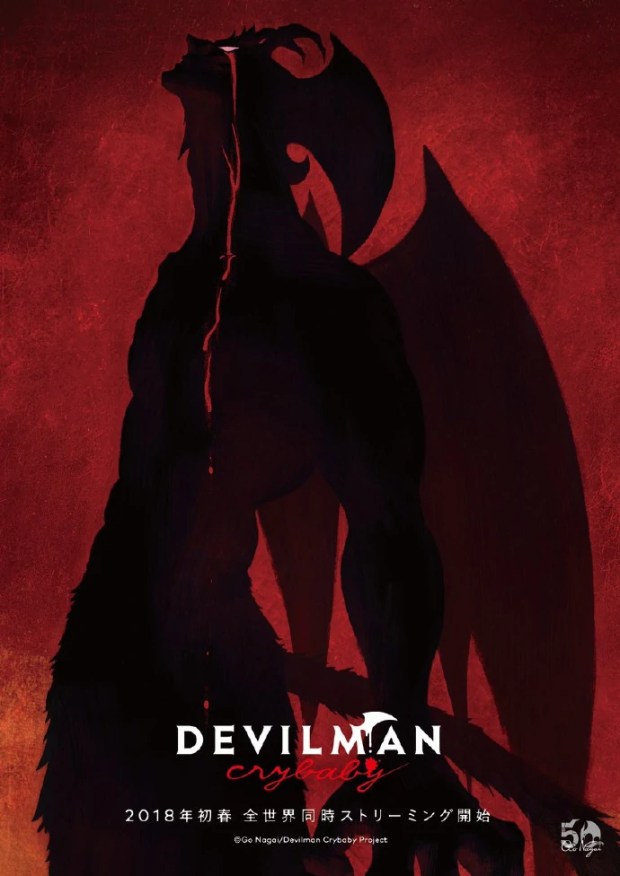
Devilman Crybaby (2018)

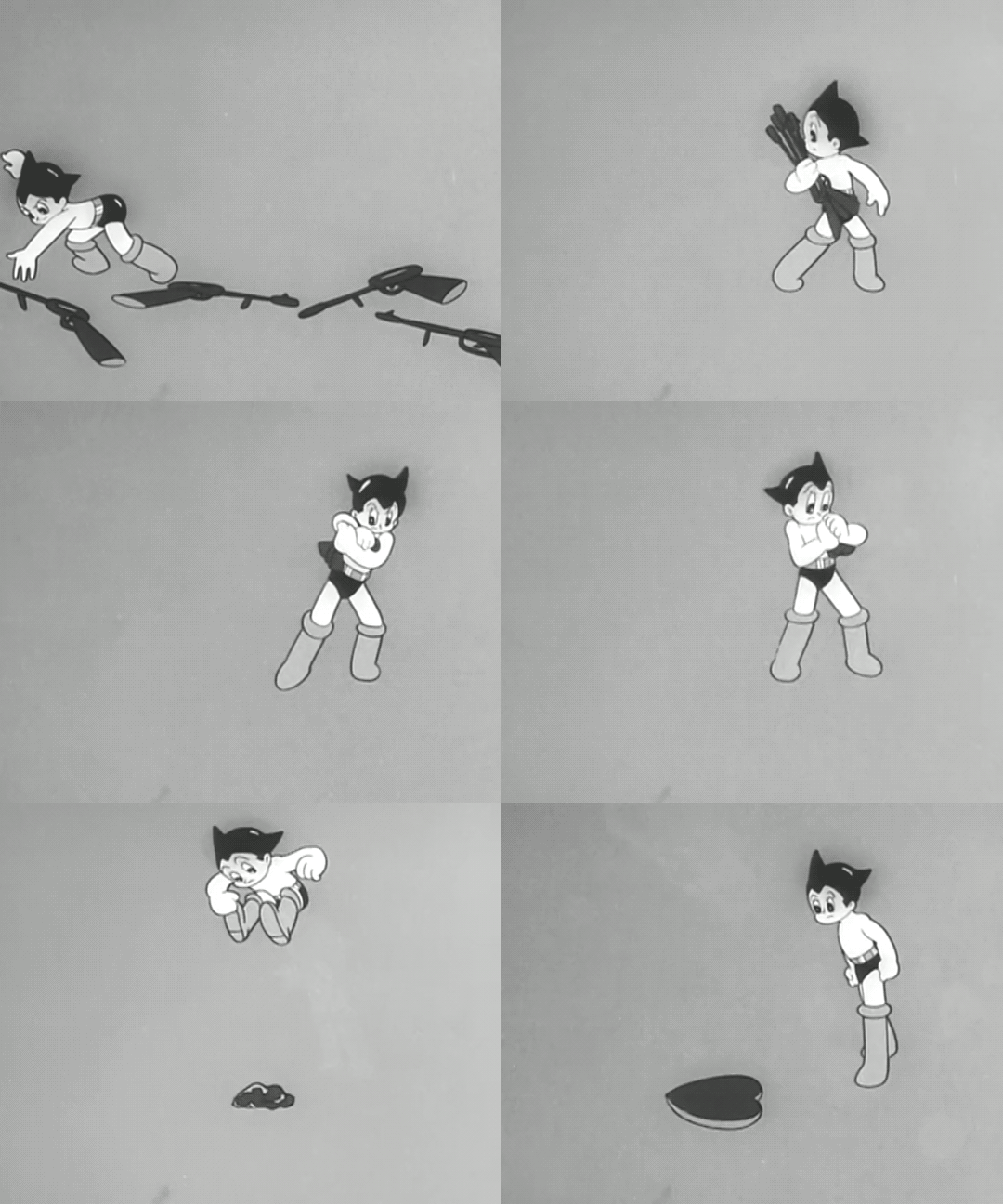
If you’ve spent any time reading about animé you will have come across the name “Osamu Tezuka”, almost certainly accompanied by the phrase “Godfather of animé/manga”. And that’s true, as far as it goes. Tezuka absolutely kickstarted post-war animé as a genre. But…it kinda feels like we’re missing something, doesn’t it? How exactly did we get from this:

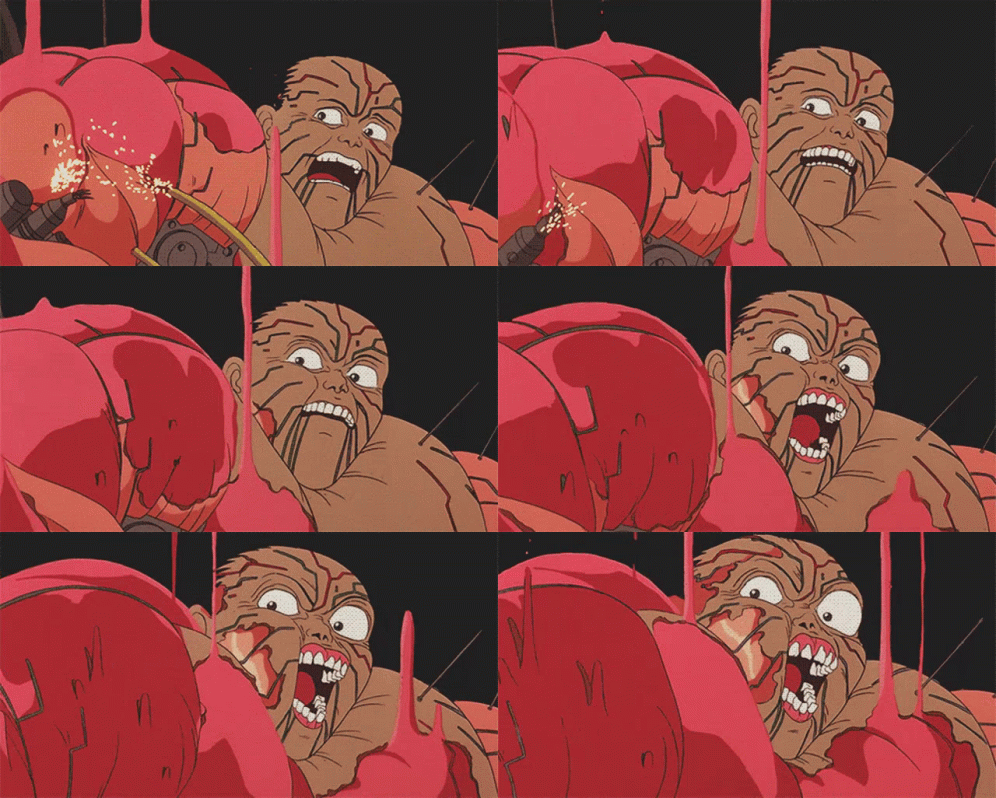
To THIS:

Well to understand that we need to talk about the other godfather of manga and animé. For Osamu Tezuka created animé as a beautiful, innocent garden. But into that garden, there came a serpent. There came Go Nagai.

Hired as a writer and illustrator for Weekly Shonen Jump in 1968, Nagai became an instant cultural lightning rod and enfant terrible of manga with his series Harenchi Gakuen. An erotic comedy set in a school, the series attracted massive controversy in Japan (damn prudes!) with its boundary smashing depictions of nudity and sexuality in a comic ostensibly aimed at children (sometimes have a point!). Nagai’s entire career has been one long game of seeing what he can get away with. His work is categorised by coarse humour, extreme violence, body horror and a pessimism often bordering on nihilism.

“What’s nihilism?”
“Doesn’t matter.”

Also, Nagai is notorious for a, shall we say, somewhat cavalier attitude to the ethics of depicting sexual assault against women. To put it another way, much of his work is rapier than a full orchestral production of Blurred Lines at the Global Fencing Championships. Shit. Gets. Messed. Up. And his influence cannot be overstated. If you’ve ever watched some disreputable animé late at night and found yourself wondering…why?

Go Nagai. Go Nagai is why.

Go Nagai is why so much of animé is so violent, so weirdly horny and frequently so goddamned awesome. It’s a…complex legacy, to be sure. And much of Nagai’s work is definitely not for me. But he also blazed a trail that was followed by many of the most important and respected creators in the medium, like Katsuhiro Otome and even (I would argue) Miyazaki.

Now, the most important part of Nagai’s oeuvre is the massive Devilman franchise, a constellation of manga, animé adaptations, remakes and spin-offs. There’s a lot of overlap and differences between the various iterations but it usually goes like this; Akira Fudo is an ordinary Japanese schoolkid who gets recruited (or sometimes just duped) by his childhood friend Ryo Asuka into a war to protect humankind from demons. In order to do this, Ryo has Akira become possessed by an ancient warrior demon named Amon to fight other demons. Akira then becomes a superhero named “Devilman” (pronounced “DEEEEEEVILMAAAAAAAAAAAAAANNN!!!!”). From there, the story usually proceeds through a few monster of the week episodes with certain series-standard demons appearing to get the ever-loving demonic shit kicked out of them before taking a sharp left turn with humanity becoming aware of the existence of demons whereupon things get fucking dark.

Very violent. Very horny. Not for everyone. Go Nagai.

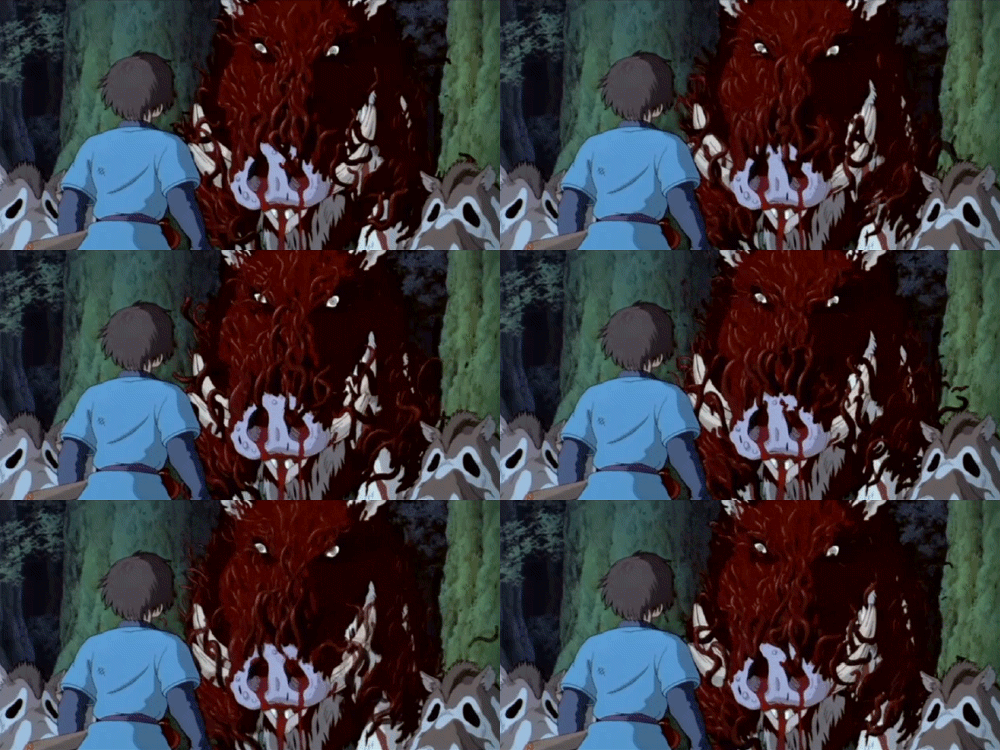
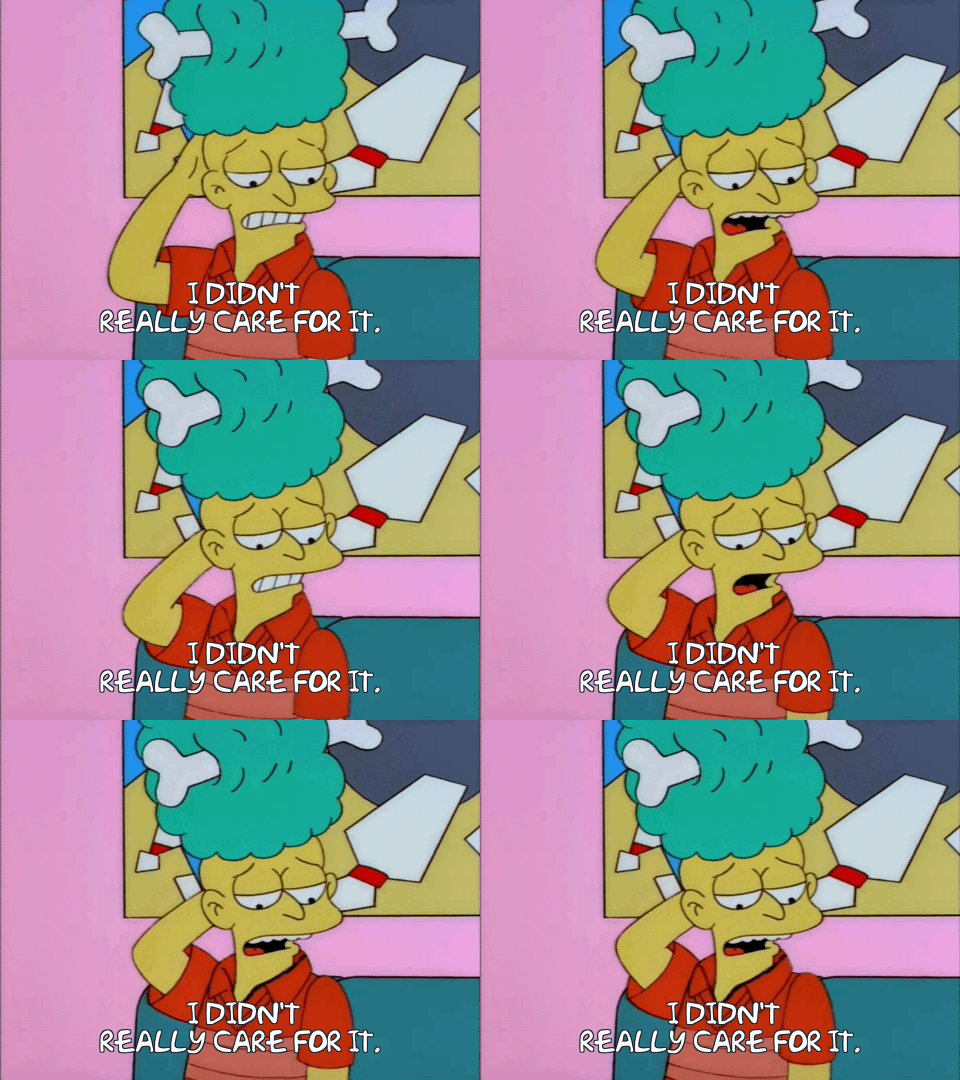
Now, there have been several animé adaptations of the original 1972 manga. There was the ridiculously toned down seventies Toei series which was kinda like if The Human Centipede was remade as a Saturday Morning Cartoon about a bunch of people who change into a giant centipede to fight baddies through the power of friendship. Then there was the far more faithful (and pretty damn kickass) OVA in the eighties, a couple of other OVAs in the nineties and early aughts and finally the subject of today’s review Devilman Crybaby, a mini series created by Science SARU for Netflix. Now, one of the reasons I pushed this review back to Halloween (other than just to have a horror themed review for Halloween) was that I knew nothing about this franchise and had a suspicion I would need the extra prep time. And I’m glad I did. Devilman Crybaby was an absolute juggernaut when it was released, becoming one of the most watched and successful animé series in years with a rabid fanbase. The kind of thing you really need to research and read up on before you come out with something like “I watched it and I didn’t really care for it”.

Anyway. I watched it.

(more…)

“They’re not training us to be X-Men.”

Stop all the clocks. Cut off the telephone. Prevent the Wolverine from snikting with a juicy bone. Clean away the electrified toads. Shutter the Department of Redundancy Department. Roll up the carpet under which we swept away the allegations against Bryan Singer. The X-Men are dead. Long live the X-Men.

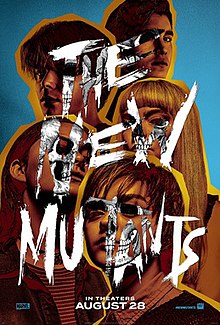
And yet, in a very real way, we already have covered the final X-Men movie, as Dark Phoenix was actually filmed after New Mutants. New Mutants long stay in purgatory while Disney tried to figure out what exactly to do with this malformed creation that Fox had hurriedly thrust in their arms is now well known and need not be re-hashed here. Between the Fox/Disney merger and Covid has any movie had worse luck in terms of timing than New Mutants? Yes, almost certainly. But learning about them would take time and I’m feeling lazy today.

Anyway, like Dark Phoenix I’m feeling oddly charitable to New Mutants, maybe because of its rough upbringing, or maybe just because, deeply flawed though it is, it’s trying to do something that I’ve been saying superhero movies needed to do for years.

(more…)

“You’re always sorry, Charles. And there’s always a speech. But nobody cares anymore.”

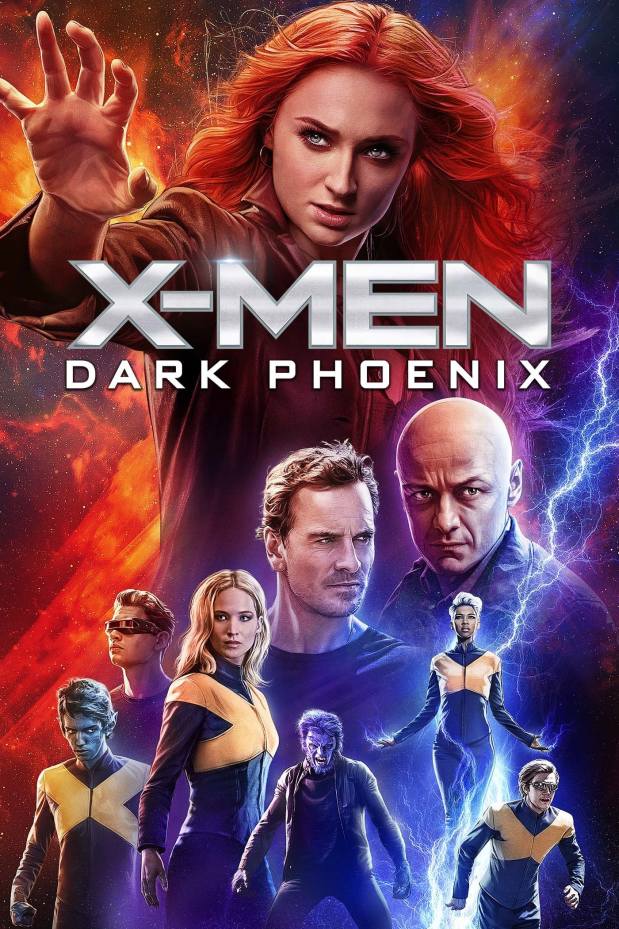
And so, after a long journey we finally reach the last main series instalment of the Fox X-Men films, a once proud dynasty now culminating in the flabby, five-chinned inbred monarch we see before us (in this analogy, New Mutants is the secret bastard child the king fathered on a tavern wench and then hid in a dungeon for three years).

And sure, the odds were against Dark Phoenix. It was released after the Disney/Fox merger all but assured that this series and its continuity would shortly be scrapped, giving the whole enterprise an inescapable stink of futility. It follows in the wake of Age of Apocalypse which was the cinematic equivalent of someone pissing up your nose for two hours. And it tries again to tell the story of the Dark Phoenix saga despite being written by the same dude who ballsed it up last time.

And yet…maybe it’s the contrarian in me. Maybe it’s the fact that the DVD yelped and recoiled in fear when I opened the case. Maybe it’s the fact that that the critical consensus on this film, that it’s the worst X-Men movie (it has less than half Apocalypse’s score on Rotten Tomatoes) is just flatly wrong.

Maybe it’s that I went in with expectations lower than a snake’s ballsack. But dammit, I kind of enjoyed Dark Phoenix. It’s bad, but it’s bad in weird and surprising ways and I never felt as horribly bored as I did with The Last Stand, Wolverine: Originto hell with it, I’m just going to say it. I would watch Dark Phoenix over any of the other bad X-Men movies. So there.

(more…)