Hey folks, new episode has dropped. This go round we talk about Johnson and Friends, an Australian show for tots that aired in the nineties and that features grown ass adults in fuzzy animal costumes. What could be more wholesome?
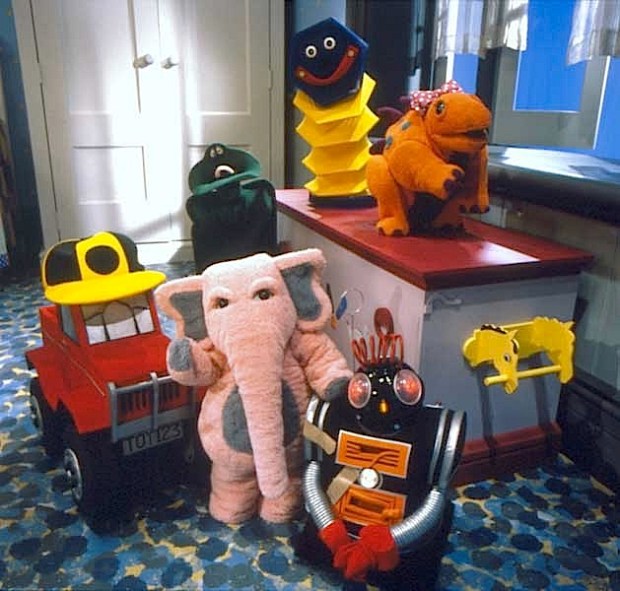
Hey folks, new episode has dropped. This go round we talk about Johnson and Friends, an Australian show for tots that aired in the nineties and that features grown ass adults in fuzzy animal costumes. What could be more wholesome?
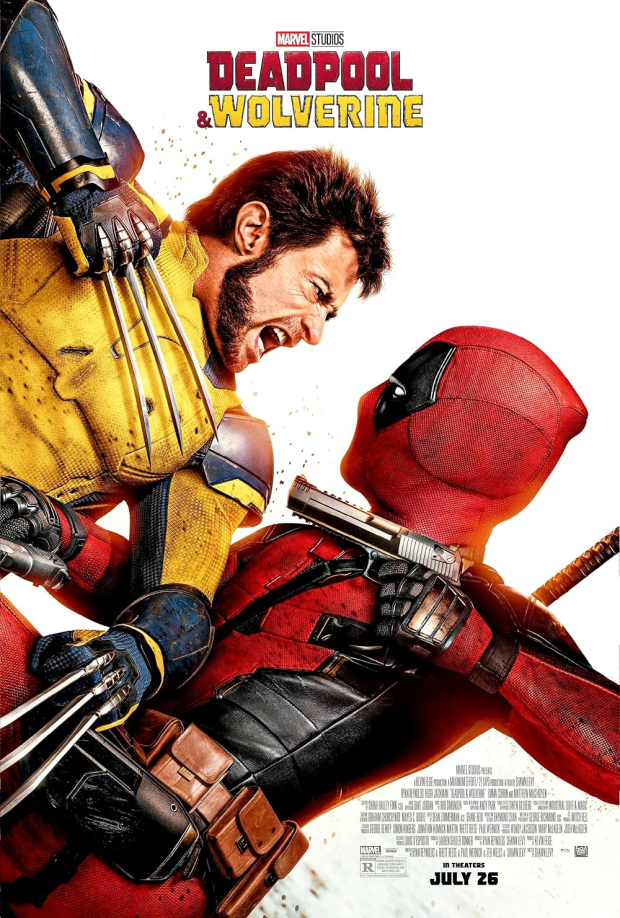
Around the midpoint of Deadpool & Wolverine I had a rather chilling realisation during this exchange of dialogue between Elektra and Deadpool.
ELEKTRA: Every time one of us has gone up against her, they die. The Punisher, Quicksilver, Daredevil.”
DEADPOOL: “Daredevil? I’m so sorry.”
ELEKTRA: (with an indifferent shrug) “It’s fine.”
So let’s unpack this joke. Here is everything you, the viewer, need to know for this gag to land.
And virtually every joke in this thing is that kind of inside baseball uber-specific nerd bullshit that seems positively tailormade to appeal to me, a 40 something male who had comics instead of friends growing up. And yet…this thing made €1.8 billion dollars. This is as mainstream as movies get now.
Super niche nerd culture is no longer niche. The war is over. Everyone is a massive nerd now.
Total domination.
And I now find myself in a very difficult position as a movie critic.
I thoroughly enjoyed this movie. I laughed my ass off from start to finish.
And yet, when I read, say, Donald Clarke howling in sackcloth outside the sinful Gomorrah that is the modern movie industry, I can’t help but nod along.
This movie isn’t a movie. It’s heroin. It’s very good heroin. And I very much enjoyed it.
But…I should probably be ingesting food instead.
(more…)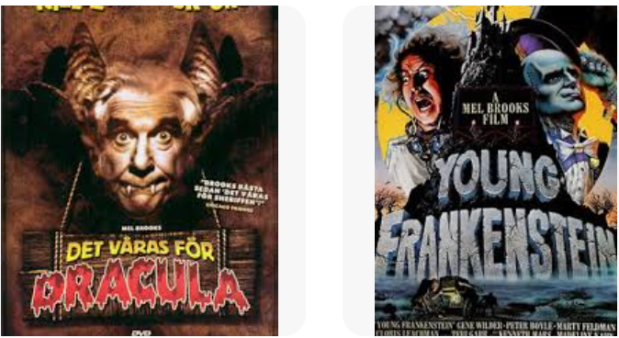
Comedy is a lot like politics, all careers eventually end in failure. There have been plenty of Bats versus Bolts matchups on this blog that have been, as one commenter put it “Glass Joe versus Mike Tyson” but this really is a foregone conclusion. On the one hand, Mel Brooks’ 1974 masterpiece Young Frankenstein, which would place in the low single digits on any creditable ranking of the greatest American comedies of all time. And on the other hand we have 1995’s Dracula: Dead and Loving It, a movie so critically lambasted on its release that it killed Mel Brooks’ directorial career stone dead, which is a bit like if Frank Sinatra sang a song that was so bad he was never allowed to perform again. I mean it’s Mel Brooks. If he hasn’t earned a mulligan or two, who the hell has?
(more…)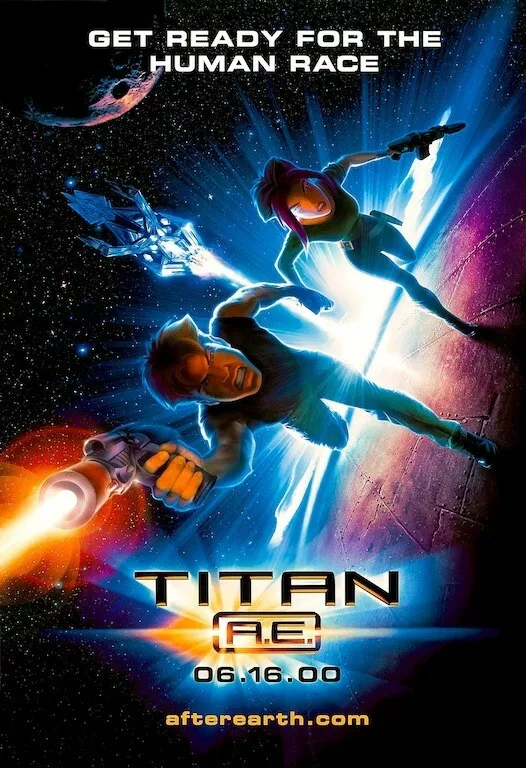
“Don Bluth” and “Science Fiction” is not an association you might automatically make even if, like me, you believe that An American Tail should rightly be considered part of the Giant Fighting Mech Animé genre.
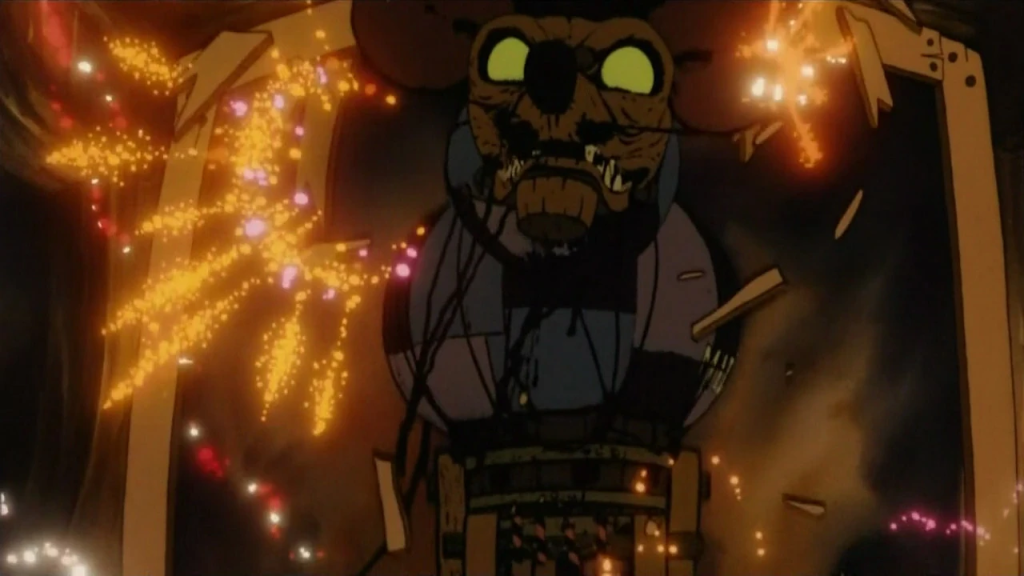
And that would be entirely correct. Apart from his video game Space Quest, there’s nothing in Bluth’s oeuvre to suggest that he would ever make a big epic space opera. So, why Titan A.E?
Well, firstly we have to remember where Bluth was in his career at this point. After finding early indie success with Secret of NIMH, Bluth hit the big time by partnering with Stephen Spielberg. When that relationship broke down, Bluth floundered with a number of increasingly bizarre and often subpar films before finding a place with Fox’s new animation studio, essentially as a hired gun. So, if Titan A.E. seems like a complete break from Bluth’s usual fare, that’s because this was basically a work for hire job. And, at the risk of sounding like a heathen…good?
Look, I respect Don Bluth a whole lot, I think he’s a true auteur and one of the most important figures in American animation. But I can’t help but feeling that his best work was done when he was executing someone else’s artistic vision. The Land Before Time is very much a Stephen Spielberg film. Anastasia is transparently Fox demanding a Disney princess movie and Bluth dutifully providing them with one. It just so happens to be the best Disney princess movie that Disney never made and one of Bluth’s most accomplished films to boot. So if you tell me that a certain movie was just a job for Bluth and not a passion project, I’m actually more inclined to breathe a sigh of relief than shake my fist in impotent rage. Because I’ve seen Don Bluth’s passion projects.
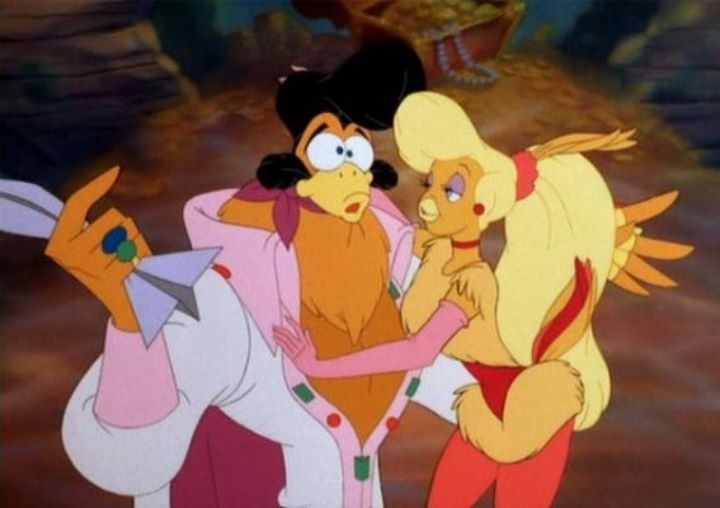

Oh. Yeah. So, here’s the thing. Mini-Mouse has been asking to read my reviews so I’m gonna try and keep this one family friendly. Say hi in the comments, folks!


Okay, so, Titan AE entered production in the late nineties which was a weird, febrile and exciting time in American animation. The Disney renaissance was still very much in effect, but Toy Story had landed like a nuclear bomb and everyone was holding their breath to see whether CGI animation would supplant traditional animation or simply supplement it. Additionally, there was a cultural sea-change in how animation was viewed, being driven both by the ever increasing popularity of animé and the success of television animation aimed at adults like The Simpsons, Batman the Animated Series and Beavis and Butthead. In the new millennium, both Disney and its competitors would try to expand the core demographic for feature length animation from pre-teen and predominantly female and try to convince teenage boys that cartoons weren’t just for little kids and chicks. Of this little mini-genre, in which you can include Treasure Planet and Atlantis: The Lost Empire the first was Titan A.E.
(more…)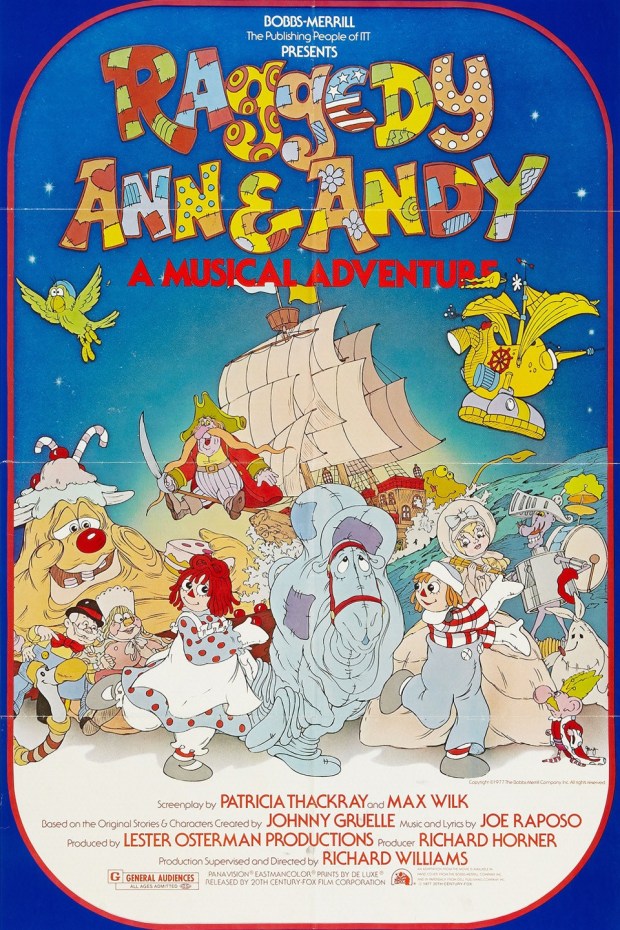
What was it about the seventies anyway?
I’ve reviewed a few animated films from this decade by this point and they are all (with the exception of the Disneys) weird as balls.
But I get ahead of myself. I’m going to let you in on a little behind the scenes secret. Ever since this mouse escaped the rat race and started writing full time, I’ve actually had less time to devote to this blog with work starting on most posts a mere few days before they’re scheduled to go live. This can be a problem when I starkly under-estimate just how much there is to research on a given movie and go plummeting down rabbit-holes
And my oh my, Raggedy Ann & Andy: A Musical Adventure is less a field full of rabbit holes than a giant hole with occasional bits of field clinging to the edges. But okay, a little background.
So waaaaay back in the 1910s an American named Johnny Gruelle patented a doll that he named Raggedy Ann and then wrote a series of stories starring her, which were such a success that Raggedy Ann became possibly the first bona-fide modern American toy fad. And, of course, as Jane Austen herself once said “it is a truth universally acknowledged that a toy franchise in possession of a fortune must be in want of an animated tie-in.” And boy howdy, did Raggedy Ann manage to get some impressive talent over the decades. For starters, there was a short series of Fleischer cartoons that were (naturally) as charming and well made as they were horrifying.
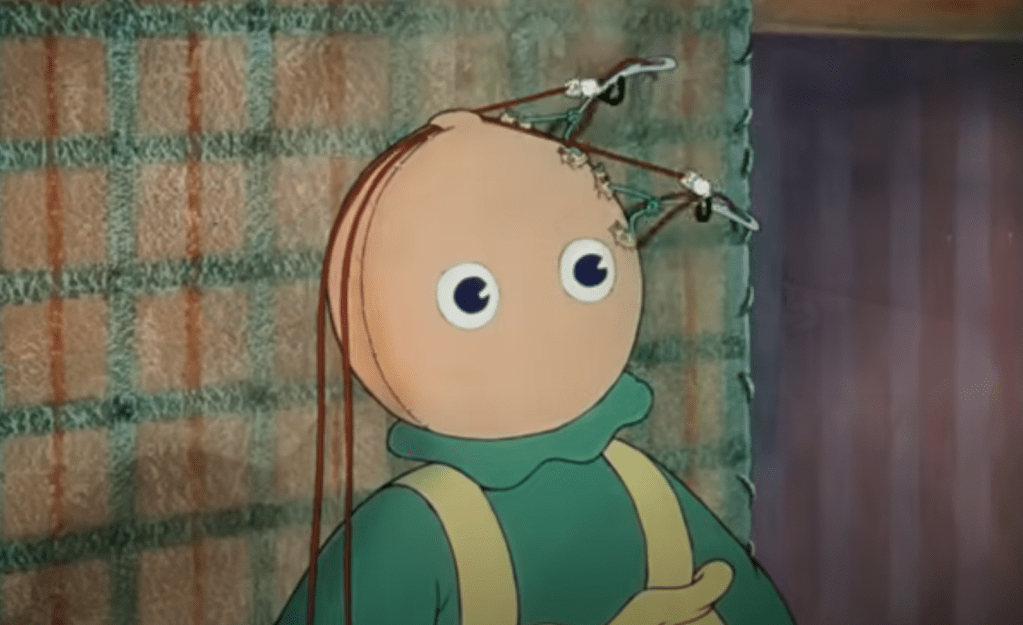
There were also two television specials produced in the seventies by Chuck Mofawkin Jones. But, without a doubt, Raggedy Ann’s most famous foray into the world of animation was 1977’s Raggedy Ann & Andy: A Musical Adventure which is…well, it’s something.
Here’s what it’s like. Imagine Hasbro want a new Transformers movie. And the director they initially tap dies and so they bring in a replacement; David Lynch. And now Optimus Prime is dancing with a backwards talking midget in the red lodge. That’s kind of what happened here.
Lynch in this instance was Richard Williams, who we’ve had our dealings with in the past. One of the best animators to ever work in the medium, period, Williams was shanghaid into making a glorified toy commerical and decided to use that opportunity to have the time of his life. This film is basically Williams and some of his most talented animator friends (Betty Boop co-creator Grim Natwick, future Genie animator Eric Goldberg and Art “I created Goofy and sued Walt Disney for unfair labour practices, took him all the way to the Supreme Court and lived to tell of it” Babbitt to name a few) having a ball on the dime of the good folks at the Bobbs-Merril publishing company.
But is it a good movie? Well…
(more…)
“Inexplicably popular” is a phrase that gets bandied around a lot. There’s plenty of books and movies and so on that achieve monumental success despite being, by any fair assessment, fucking terrible. But what about things that are inexplicably unpopular? What about those works that attract passionate, fiery loathing despite being very, very good indeed?

Because the Adam West Batman series is just the tops. It is genuinely one of the best tv comedies of its decade. It’s smart, it’s funky and it just captures the vibe of the sixties so well.

No, no, no. Not THOSE sixties. THESE sixties.
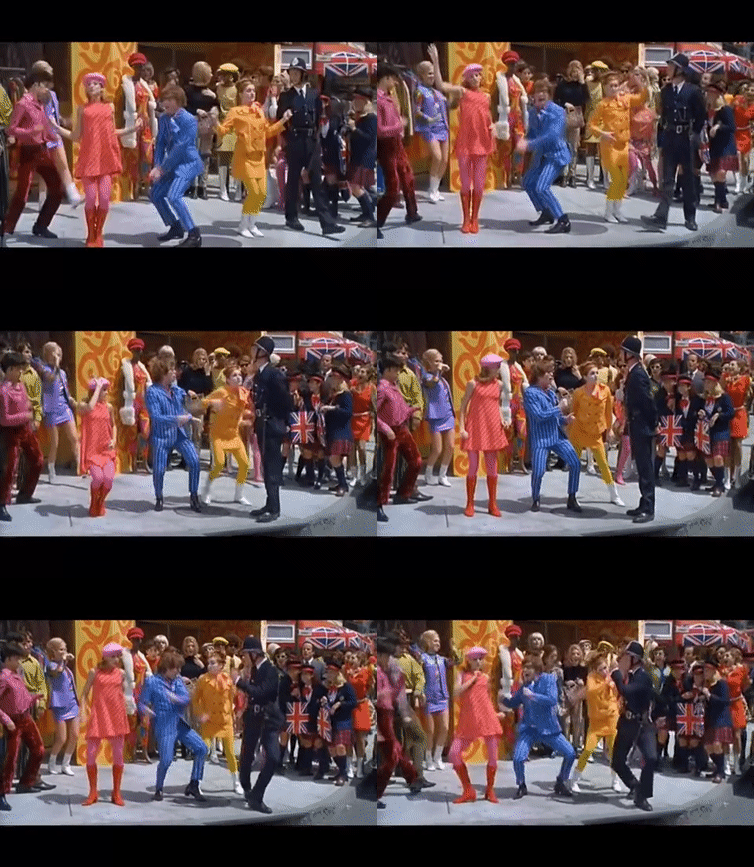
There, much better.
And yet, for the longest time it felt like the Adam West series was loved by everybody but Batman fans. And sure, having to listen to the millionth tired joke about “BIFF BAM KAPOW!” and shark repellant got real old, real fast, but that wasn’t the show’s fault.
Less forgivable was the frankly toxic level of vitriol that a subset of the Batman fandom had towards this show. Not quite Phantom Menace levels but close. And this rejection of everything that even vaguely resembled Batman ’66 was, I would argue, a big reason why the nineties in comics were so fucking try-hard and asinine, as the medium went through its angsty adolesence loudly proclaiming that comics are ACTUALLY REALLY DARK AND MATURE, MOM.
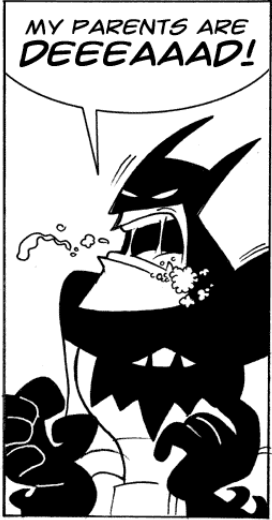
Thankfully, things seem to have turned a corner. As comics became mainstream and lost their stigma, the show has undergone a reappraisal as younger generations have discovered the series and realised that
a) It’s fucking hilarious.
b) It’s supposed to be fucking hilarious.
c) This shit is meme-tastic.
(more…)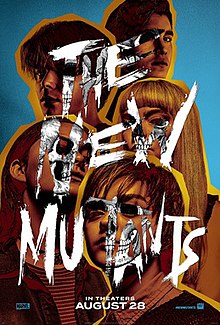
Stop all the clocks. Cut off the telephone. Prevent the Wolverine from snikting with a juicy bone. Clean away the electrified toads. Shutter the Department of Redundancy Department. Roll up the carpet under which we swept away the allegations against Bryan Singer. The X-Men are dead. Long live the X-Men.
And yet, in a very real way, we already have covered the final X-Men movie, as Dark Phoenix was actually filmed after New Mutants. New Mutants long stay in purgatory while Disney tried to figure out what exactly to do with this malformed creation that Fox had hurriedly thrust in their arms is now well known and need not be re-hashed here. Between the Fox/Disney merger and Covid has any movie had worse luck in terms of timing than New Mutants? Yes, almost certainly. But learning about them would take time and I’m feeling lazy today.
Anyway, like Dark Phoenix I’m feeling oddly charitable to New Mutants, maybe because of its rough upbringing, or maybe just because, deeply flawed though it is, it’s trying to do something that I’ve been saying superhero movies needed to do for years.
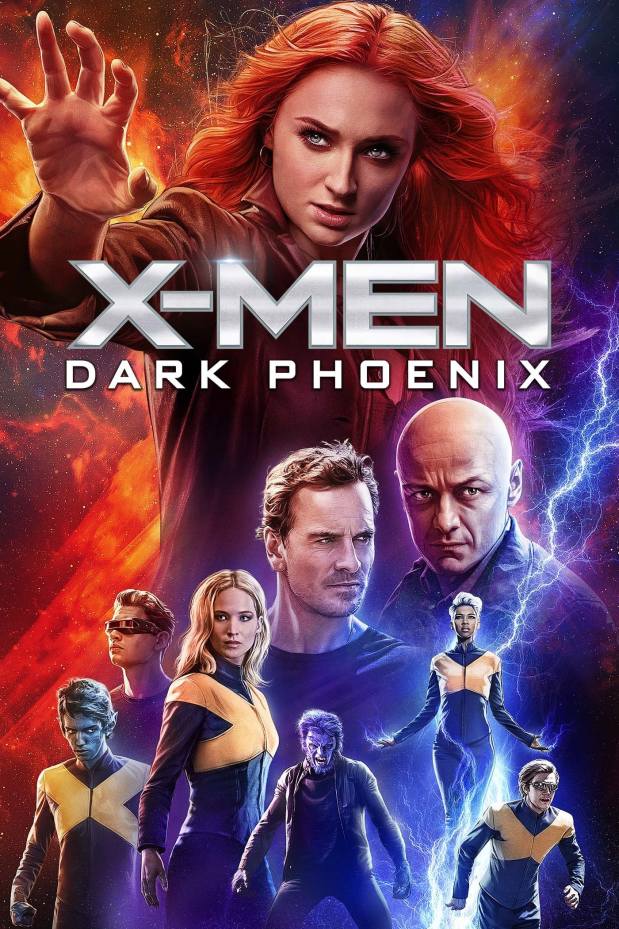
And so, after a long journey we finally reach the last main series instalment of the Fox X-Men films, a once proud dynasty now culminating in the flabby, five-chinned inbred monarch we see before us (in this analogy, New Mutants is the secret bastard child the king fathered on a tavern wench and then hid in a dungeon for three years).
And sure, the odds were against Dark Phoenix. It was released after the Disney/Fox merger all but assured that this series and its continuity would shortly be scrapped, giving the whole enterprise an inescapable stink of futility. It follows in the wake of Age of Apocalypse which was the cinematic equivalent of someone pissing up your nose for two hours. And it tries again to tell the story of the Dark Phoenix saga despite being written by the same dude who ballsed it up last time.
And yet…maybe it’s the contrarian in me. Maybe it’s the fact that the DVD yelped and recoiled in fear when I opened the case. Maybe it’s the fact that that the critical consensus on this film, that it’s the worst X-Men movie (it has less than half Apocalypse’s score on Rotten Tomatoes) is just flatly wrong.
Maybe it’s that I went in with expectations lower than a snake’s ballsack. But dammit, I kind of enjoyed Dark Phoenix. It’s bad, but it’s bad in weird and surprising ways and I never felt as horribly bored as I did with The Last Stand, Wolverine: Origin…to hell with it, I’m just going to say it. I would watch Dark Phoenix over any of the other bad X-Men movies. So there.
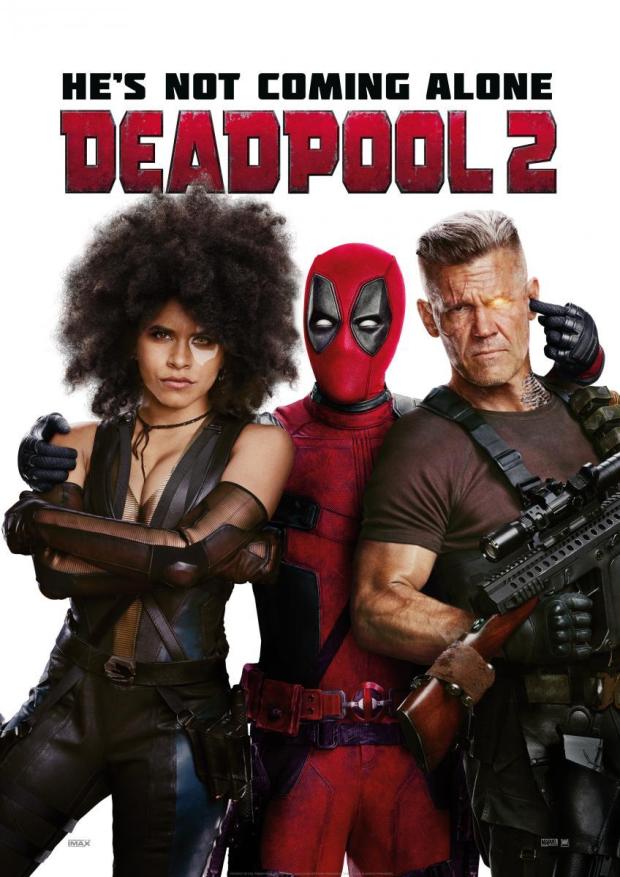
Well damn, what do I do now?
By this point I have the formula for these X-Men review worked out like, well, a formula. A brief look at the history of the characters and storylines that inspired the movie in question, a few thousand words of recounting the plot with a couple of puerile gags masquerading as legitimate film criticism, wrap up, score, bing bang boom.
But goddamn, I do not want to talk about Cable and X Force.
Obligatory disclaimer: No bad characters. Only bad writers. Yes, there have been good Cable stories. Yes, I have enjoyed those stories. Yadda yadda yadda.
But ultimately Cable is not so much a character as an icon. You know, like a bio-hazard sign. He’s the perfect poster child for everything that was just plain bad about the X-Men universe specifically and comics more broadly in the nineties. Masculinity exaggerated and distorted to the point of unwitting caricature. A backstory as incoherent as it is overly complicated. An emphasis on violence and “ends justifies the means” morality that walks riiiight up to the line of outright fascism. Guns, guns, guns. Pouches pouches pouches. Hell, considering Cable’s central role in fuelling the Comics Speculator Bubble it’s fair to say that this character very nearly killed Marvel comics.
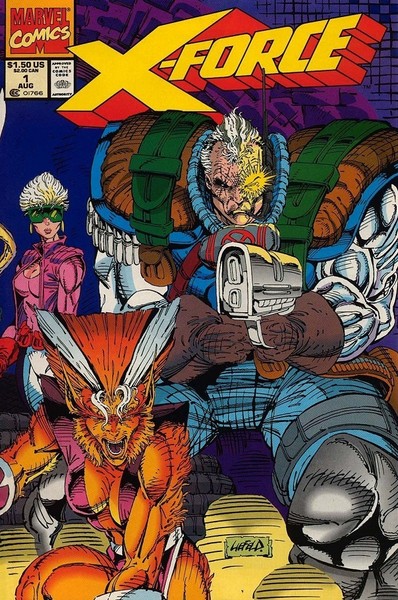
Five. Million. Copies. Sold.
But okay, quick and dirty history of X-Force and Cable. By the early eighties, the X-Men comic book had gone from a weird little also-ran to a sales powerhouse under the creative direction of writer Chris Claremont and artist John Byrne. I’m actually currently in the middle of reading the entire X-Men run in order and, having gotten to this era I can confirm that, yeah, it absolutely lives up to its reputation. But by this point the X-Men had drifted pretty far from its original conception as a school for mutants. The main cast were almost entirely adults and, apart from the fact that they were mutants and therefore faced increased suspicion and prejudice from the normies, they were just a standard superhero team not much different from the Avengers or the Fantastic Four. Marvel editor-in-chief Jim Shooter ordered Claremont to create a new team of young mutants and he came up with the New Mutants. Story goes, Professor Xavier is in mourning for the death of the X-Men (don’t worry, didn’t take) and gets guilted by his ex into recruiting a new team of teenage mutants. The New Mutants was a moody, introspective little book with a cast of emotionally damaged teens learning to cope with depression, trauma and isolation. And then Rob Liefeld took it over and turned it into X-Force, a book about a rip-off Terminator trying to prevent the future by shooting it in the face
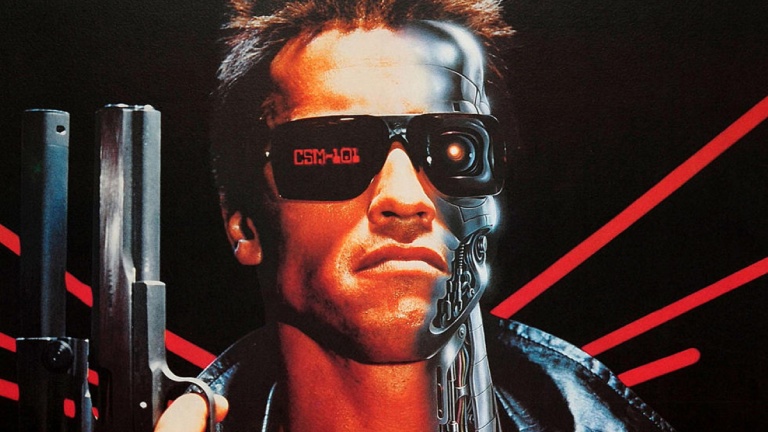
Cyborg with glowing eye travels back in time to prevent a bad future. I feel like this doesn’t get talked about enough.
So when in the stinger of Deadpool where Deadpool’s all “Guess what, CABLE’s going to be in the next one!”? Personally, my reaction was:
![[Comm] Unshavedmouse alt](https://unshavedmouse.com/wp-content/uploads/2015/06/comm-unshavedmouse-alt.png)
“Are you threatening me, sir?”
It’s always tempting, when a creator reveals themselves to be a bit of a shit, to look back on their past work and say “ah, I never liked ’em anyway”. This was certainly the case with comic book creator Frank Miller, whose politics took a hard right turn after 9/11 resulting in such works as Holy Terror, initially intended as a Batman story for DC before they dropped it like a hot, extremely Islamaphobic potato. This in turn led to many comics fans deciding that Miller had never been that good or important a comics creator to begin with. And, frankly, that’s not entirely unwarranted. Dodgy politics aside, a lot of Miller’s back catalogue simply hasn’t aged that well. There were always dodgy undercurrents of racism and misogyny in Miller’s work (he wrote origin stories for Batman and Daredevil that both had scenes of the protagonist fighting prostitutes), and knowing the path he went down makes those elements a lot harder to overlook now. Also, whereas Alan Moore (Miller’s contemporary and the creator he is probably most often compared to) brought a real intellectual and emotional richness to the comics genre, Miller’s most successful works were often empty showcases of style over substance. Sin City and 300 are visually striking as all hell. But ultimately, they’re hollow, emotionally stunted things. That said, there is at least one work that I will defend as still holding up (mostly).
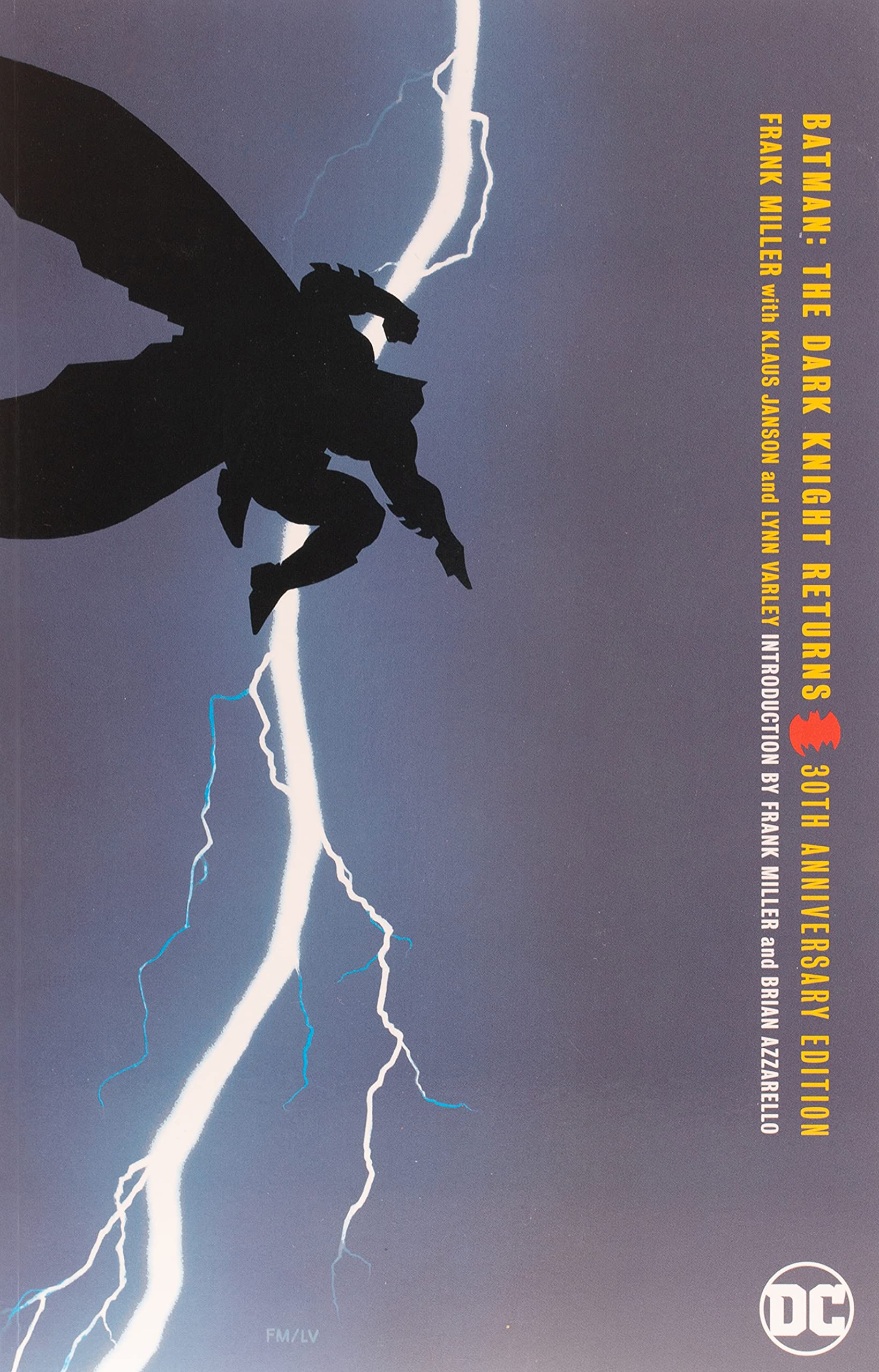
There are female characters in this that AREN’T prostitutes! I swear ta God.
The Dark Knight Returns depicts an aged and embittered Bruce Wayne, coming out of retirement to fight the sky-rocketing crime and urban malaise that was such a feature of Reagan’s America. As he becomes increasingly violent and unhinged in his methods, the US Government sends in the only man they think can stop him:
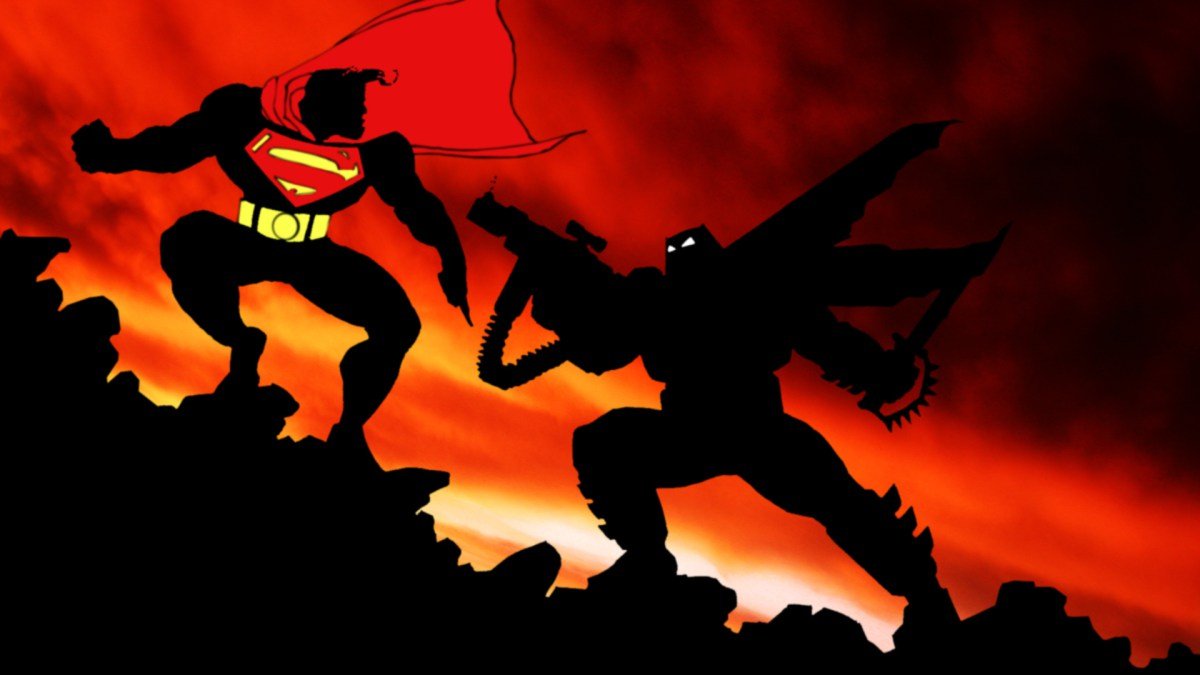
What gives the story its power is the incredible weight of the history of these characters and an overwhelming, almost crushing sense of despair. This, Miller, seems to be saying, is how your heroes will always end; either bitter fanatics who were unable to change, or corrupted, toothless stooges who sold out to a corrupt status quo. This is how the World’s Finest Team ends, two old men beating each other to death in an alley way. And it’s depressing, and it’s cruel but it also feels true. And the inescapable knowledge that all those decades upon decades of stories and triumphs and battles of these, THE two greatest superheroes, that it was all leading to this awful, final confrontation? That’s when the story stops being merely tragic and becomes proper, classical, Tragedy. It’s Twilight of the Gods. It’s Ragnarok. It’s epic as fuck.
And that’s why Batman v Superman Dawn of Justice is fucking terrible.
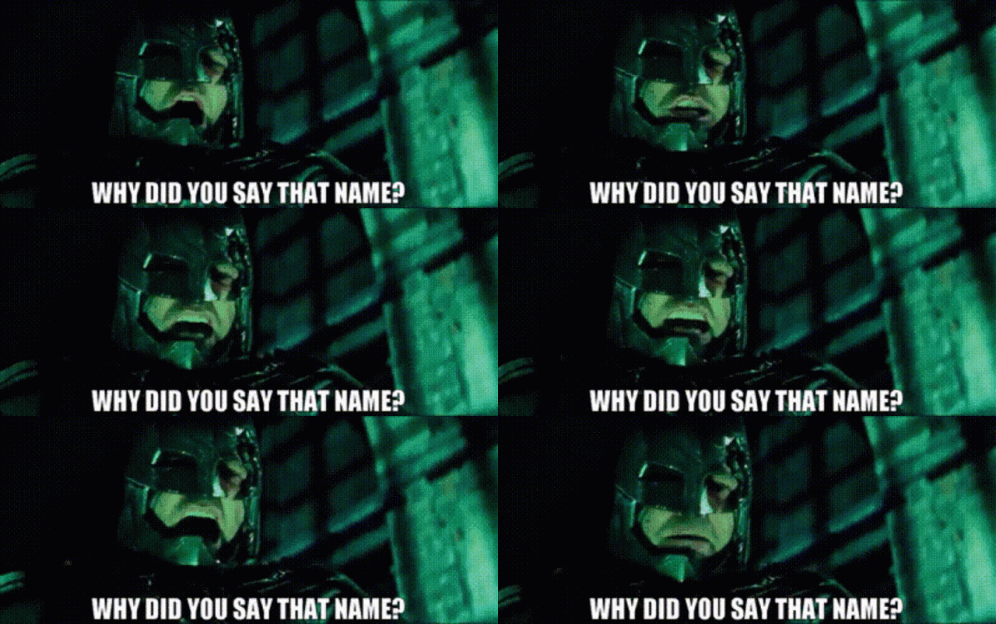
Sorry, that’s one of VERY MANY reasons why that movie is terrible but I will never, for the life of me, understand why no one twigged that a fight between Batman and Superman means nothing if they don’t even know each other. That’s what gave the final confrontation in DKR its power. The weight of history. The tragedy of watching two men who once loved each other as brothers reduced to this brutal slugfest. All that goes out the window if they’ve just fucking met.

“Uh Mouse, isn’t this supposed to be about Wolverine or something?”
I’m getting there. Okay, with DKR Frank Millar created (possibly?) and popularised (definitely) the stock superhero trope of the Last Story. The Last Story is a tale (almost always out of continuity), that shows you how a certain superhero ends. They are almost always set in a bleak future, and will usually depict the hero coming out of retirement for One Last Job. These stories often will try to serve as a capstone, and a summation of the meaning of that hero. When they work, they work because they are able to deliver the things that most superhero stories by their very nature can’t; climax. Conclusion. Finality. Stakes. Characters can finally die and be at peace without an inevitable resurrection on the horizon. Arcs can be concluded. The story can finally end (at least, in this one corner of continuity). Pretty much every major character you can think of by this point has had a Last Story; Superman, Spider-Man, Punisher and of course, Wolverine, who’s died more times than Kenny McCormack and so has had plenty of opportunity for “Last Stories”. One of these, Old Man Logan was a miniseries that released in 2009 and was written by Mark Millar.
This series sees an aged Wolverine having renounced violence and living in a dystopian future where the villains won and everything’s awful and the Hulk’s an incestous cannibal who fucked his own cousin and spawned a whole tribe of inbred hulk hillbillies and Jesus Christ we made Mark Millar one of the most successful comic writers of the aughts what the fuck were we thinking?
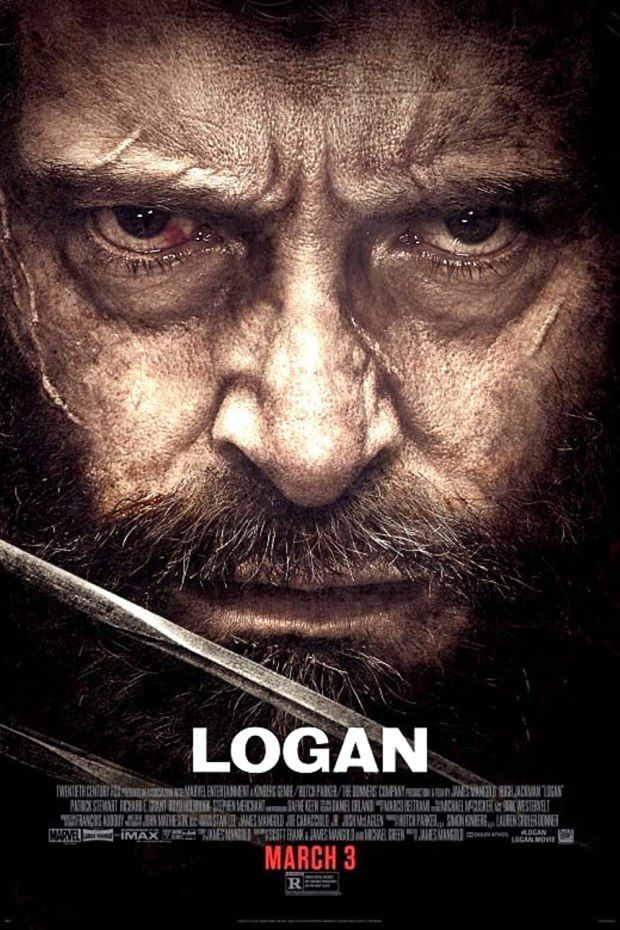
Anyway, apart from both featuring Old Men Named Logan there is actually very little connecting Old Man Logan and the movie that it nominally inspired (thank fuck). Logan arose out of a desire of Hugh Jackman and The Wolverine director James Mangold to do something radically different with the character and genre. That is, after all, the great strength of a Last Story. You get to take some risks.
 unshavedmouse