Since the nineteen sixties Warner Bros has had what must be a uniquely frustrating problem:
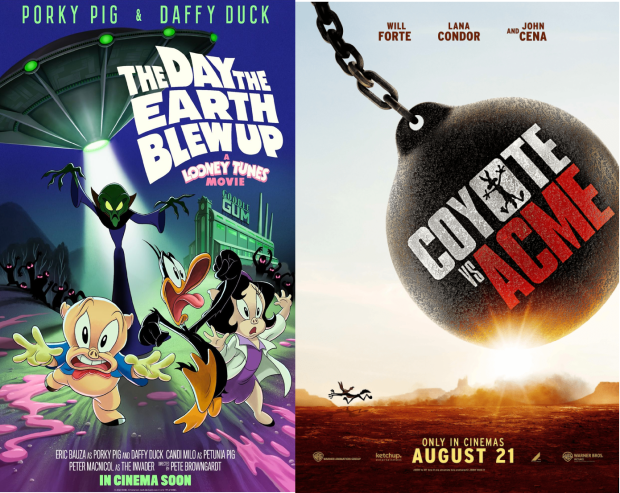
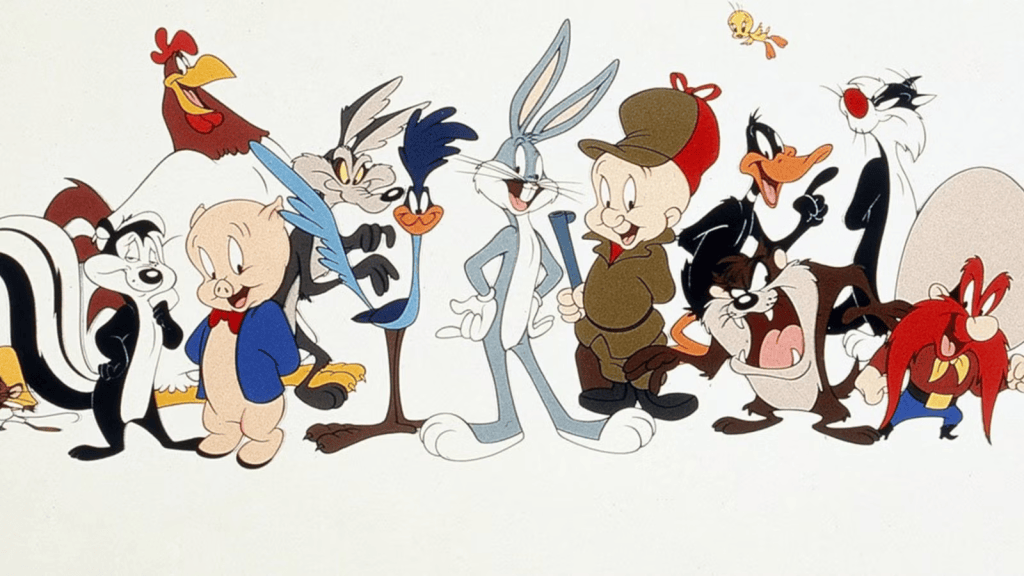
They own some of the most beloved and iconic cartoon characters in history but have no viable format with which to use them. The Looney Tunes were the absolute masters of the theatrical animated short, which these days is like being the world’s best court jester. Impressive, but how exactly does one make money from that?
Each one of these characters was honed by a process of rigorous cinematic evolution for one purpose; deliver as many fantastic gags as possible within a seven minute span. And, like any creature that evolved for a super-specific niche, they don’t handle changes to their environment well.
Part of the problem is that their style of comedy is primarily visual. Oh sure, there’s plenty of great verbal comedy but the bulk of the laughs come from Mel Blanc’s delivery and some of the most sublime animation ever put to film. And you’re just not going to get that on a TV animation budget. Especially not Mel Blanc.
As for movies, Warner Bros have tried to make the Tunes work in feature animation for decades. These were usually anthology films, taking several classic shorts united by a common theme (horror, sci-fi, show-biz) and weaving them into a loose narrative. At their best, these films are fine. But they are very obviously classic cartoons interspersed with visibly weaker animation and an audibly older and tireder Mel Blanc. They don’t really work as movies and that comes down, fundamentally, to just the different nature of how Warner Bros crfated these characters compared to, say, Disney.
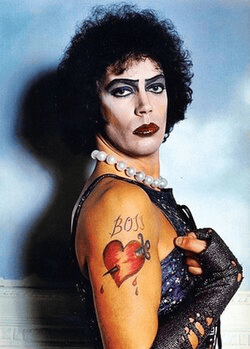
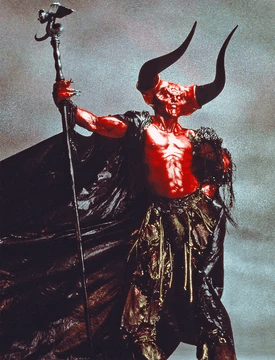
So how did Tim Curry, camp icon and transgressive titan of pop culture get his start in animated voicework? Where did he begin? Voicing a drag queen serial killer in some seedy Ralph Bakshi picture?
No, he got his break in straight-to-video Christian media.
Don’t try to put him in your little boxes.
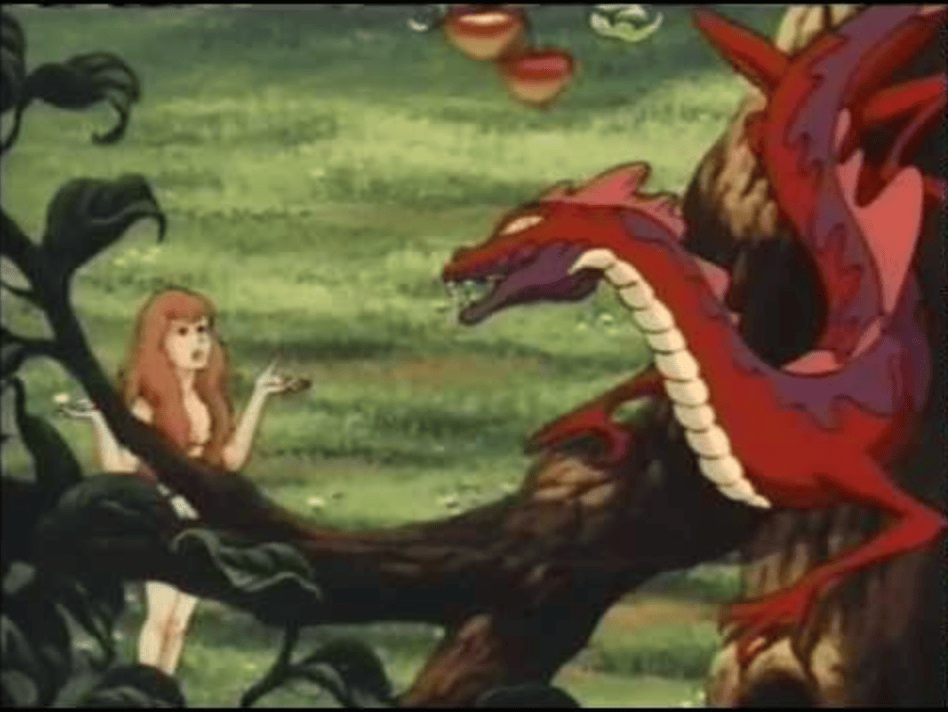
The Greatest Adventure: Stories from the Bible was a series animated by Hanna Barbera which had three children from the modern day travelling back in time and meeting various figures from the Bible. And holy shit, this thing had a STACKED cast! Rob Paulsen, Alan Oppenheimer, Ed Asner, Jeffrey Tambor, Helen Hunt, Helen Slater…TONY JAY AS CAIPHAS?!
EDWARD FUCKING JAMES FUCKING OLMOS AS PHAROAH!?
YES! AND IT IS AS PERFECT AS IT SOUNDS!
But, anyway, you knew as soon as I said it who Curry ended up playing. Come on. You knew.
“Plaaaaay me the best soooooong in the world. Or I’ll eat your souls.”
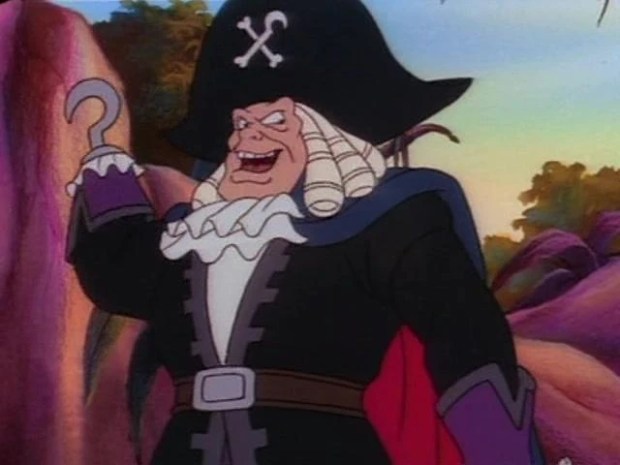
It’s often been said that Morgan Freeman is the Voice of God. As in, he’s just how people naturally assume God sounds like. I would like to propose Tim Curry as the Voice of Satan. There’s not really that much I can say about his performance as the serpent, suttlest beast in all the field.
“Do you have any…tattoos?”
I don’t know if I was expecting some sign of inexperience or roughness given this was his first voice role. But, no, he gives exactly the performance you’d expect and it’s pretty much perfect. No notes. I also do like that they gave him limbs. In Genesis, the serpent only became legless as punishment for tempting Adam and Eve which almost every depiction forgets, so kudos.
Apparently, Curry had such a nice time working with Hanna-Barbera that he decided that voicework was definitely his bag. Hallelujah.
Now, all that’s left is to categorise this in one of the four categories of Tim Curry performance.
Evil, Sexy, Evilly Sexy or Funny Accent?: Very much Evilly Sexy.
Hello friends. Sorry. I realise this has probably been my worst year for posting since I started this blog. Book stuff and personal stuff (also I am technically without internet at the moment and am trying to get this down before my phone explodes). Hopefully things will eventually calm down and I can get back to some kind of regular schedule.
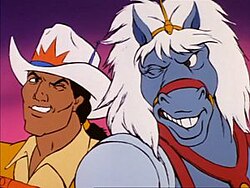
Anyway, I have two pieces of news. Firstly, the new episode of Now That’s What I Call Nostalgiais now up where we discuss Bravestarr, a much beloved cult classic from the eighties. Well, I say “we discuss”. It’s more Aoife and Esther being held hostage as a I deliver a half hour monologue on the history of Filmation Studios.
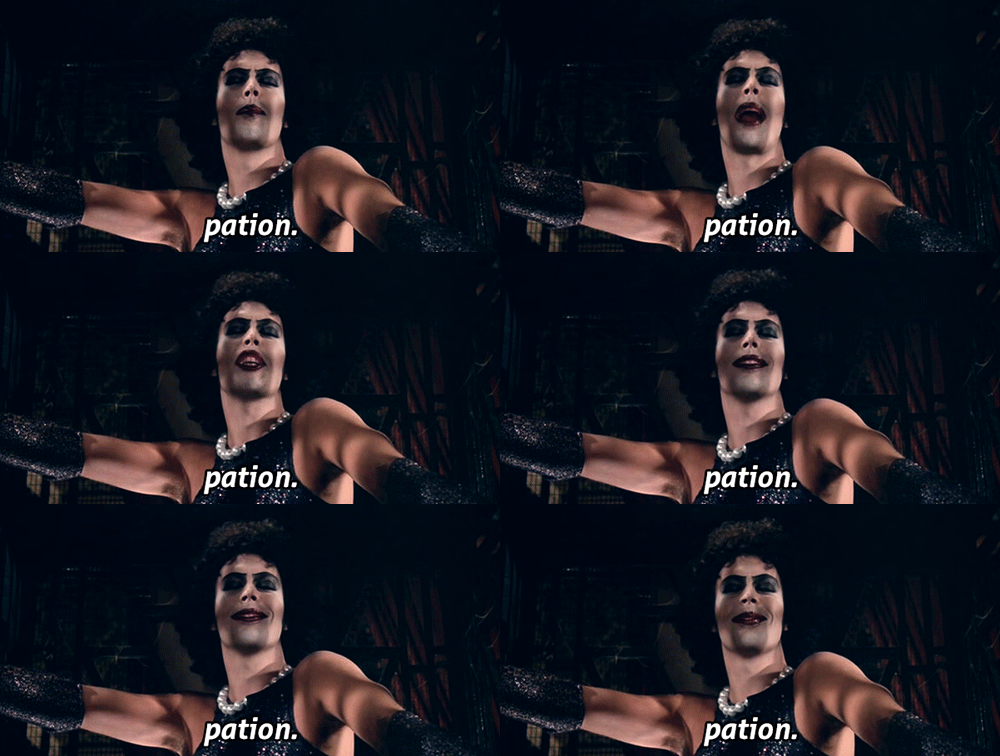
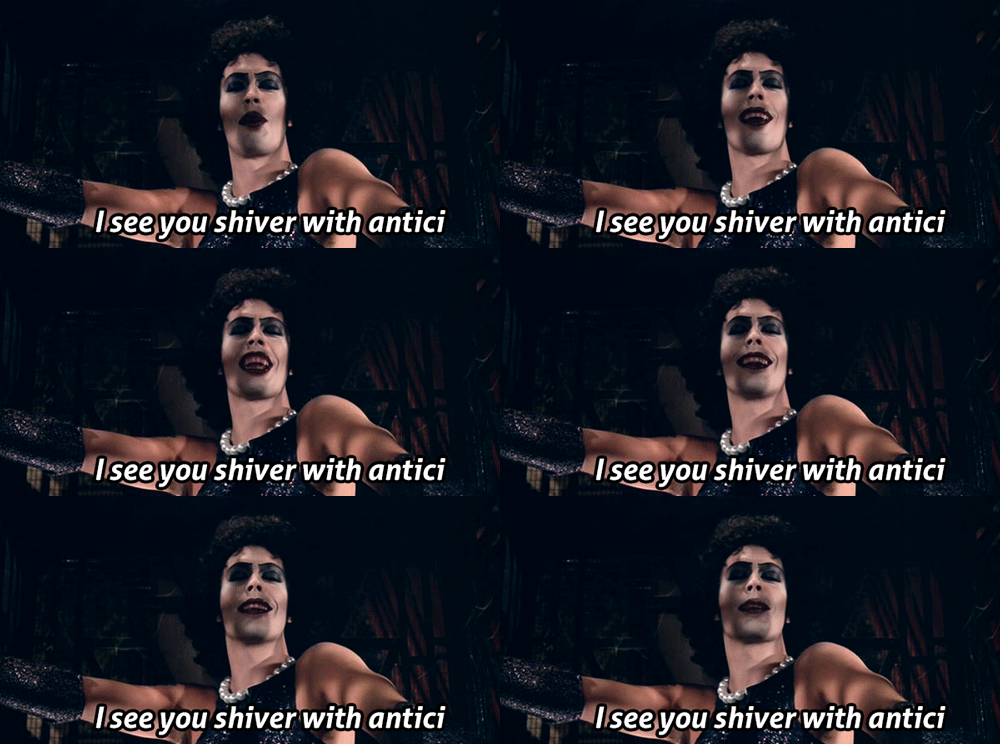
Secondly, I think I speak for everyone when I say August 2026 can suck a big one. And while the deaths of Dolly Parton and Peter Cullen hit hard, I have to say that for me Tim Curry was the real kick in the goolies. I may have mentioned this before, but for many years I was actually Frank N Furter in the Dublin Rocky Horror Picture show. I spent many a happy evening lip-synching Curry’s voice in fishnets before a crowd of merry Dublin perverts (never could learn the lyrics to “I’m Going Home” so I just used to mime “Never Gonna Give You Up”). I simply mention it because now that image will haunt you forever. It’s what he would have wanted.
He was a fantastically prolific actor who appeared in hundreds of films, TV Shows and computer games and I never saw him give a performance that didn’t seem like he was having the absolute time of his life. But, round these parts, we cover animation and Curry was also one of the most recognisable and successful voice actors of his generation. So, for this year’s Shortsember, without any particular rhyme or reason, we’re going to do a potted history of some of his most memorable voice roles.
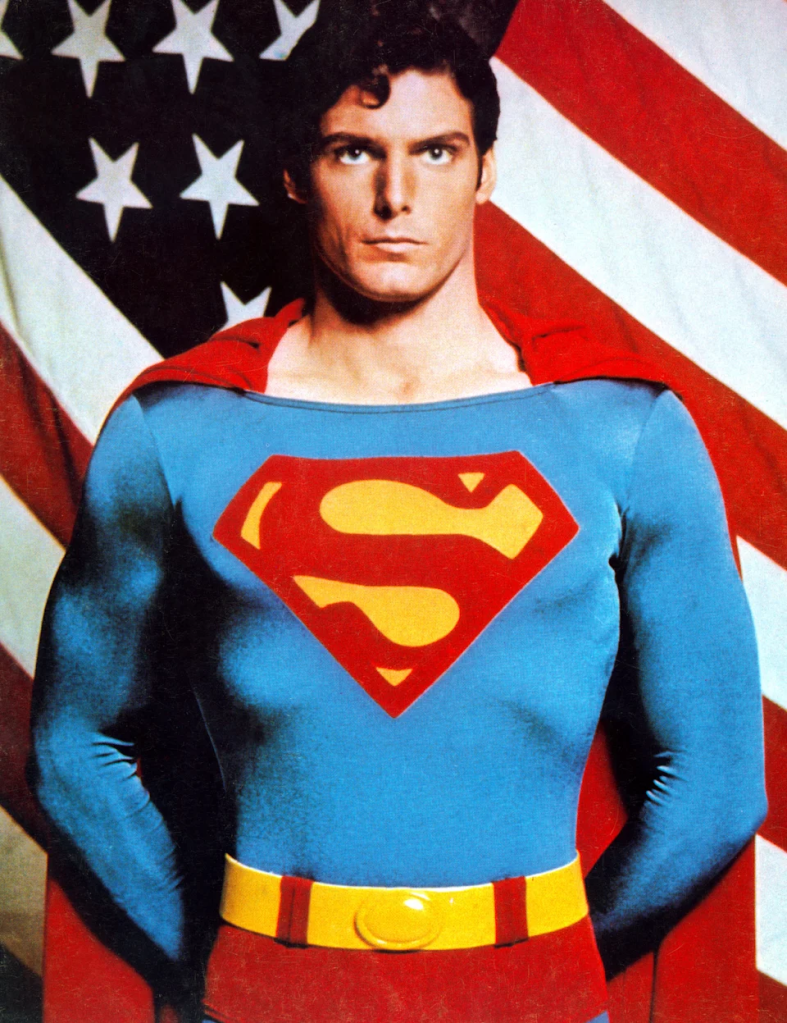
Superman 3 is probably the most reputationally fluid of all the Reeves-era Superman flicks. One and (to a lesser extent admittedly) Two are uncontested classics of the genre, Supergirl and Quest for Peace were seen as dogs when they were released and are seen as dogs now. But the third outing is where I think consensus breaks down. Some people hate it even more than Superman 4. Mad people, I suspect, gibbering loons who should not be allowed out of the house unsupervised but they are an important and influential constituency in modern affairs and we overlook their views at our peril.
Superman 3’s standing at any given moment really depends on the general public’s taste in superhero media and how tolerant they are feeling towards silliness. For this is, let us be very clear, a deeply silly film. Richard Lester, now fully in control and having banished the last vestigaes of Richard Donner’s weighty, epic solemnity is ready to give us his thesis statement on what Superman is. And his answer boils down to; “Superman is very silly”.
The gall, sir! THE UNMITIGATED GALL!
So, Lester decides that Superman should be funny. And, if you’re the Salkinds that doesn’t just mean getting a comic actor to join the cast. That means getting THE BIGGEST STAND UP COMIC IN AMERICA *PUFF CIGARS*.
Now, the Salkinds’ “bigger equals better” approach served them quite well in the past but here I think it came a serious cropper. Richard Pryor is, and always will be, on the Rushmore of American comedy legends but (heresy incoming) I don’t think he was a great comedic actor. He certainly isn’t in this movie, most of his schtick (and oh my Christ is there a lot of it) comes across really laboured and kinda leaden. There’s a couple of problems here. Firstly, Pryor isn’t performing his own material. He’s an actor performing someone else’s script. Second, I think the Salkinds expected Pryor to do what Bill Murray did in Ghostbusters and just do his own thing while treating the script with a kindly disregard. But here’s the thing: Richard Pryor loved Superman and treated the material with a respect that is admirable but not particularly funny. To be sure, there are parts here that I find humorous but that’s more a result of waging a war of attrition. Pryor gets a whopping half an hour of screentime, compared to around forty minutes for Superman. He is very much the deuteragonist. In fact, the very first shot of the movie is his face.
In my review of Superman I mentioned how I consider it to be the ultimate “eighties” movie but I think this might have it beat. Superman 3 opens with a black man applying for unemployment benefit and being denied because he kept getting fired for stealing and being incompetent, only for him to see an ad looking for computer programmers and immediately getting a stable and well paid job because gosh darn it the economy is just that good. That may be the most eighties thing I have ever seen.
As mind bogglingly ambitious as Richard Donner’s Supermanis, it’s incredible to think that the original vision was even more epic in scope. The idea was that Superman 1 and 2 would be released in quick succession and would constitute one single, massive saga, much like what Quentin Tarantino did with KillBill years later. Instead, mid-way through production Donner was fired by the Salkinds and replaced by another Dick, Richard Lester, who famously declared after seeing Donner’s vision for the film that he wasn’t interested in doing that “David Lean thing” (Lean being an English director famous for big, lavish epics).
It’s easy to cast Donner as an artistic savant whose vision was crushed by soulless Hollywood suits and it’s not even like that’s an entirely invalid read. Many people have made fun of the Salkinds, including me, Unshaved Mouse, in literally my last review.
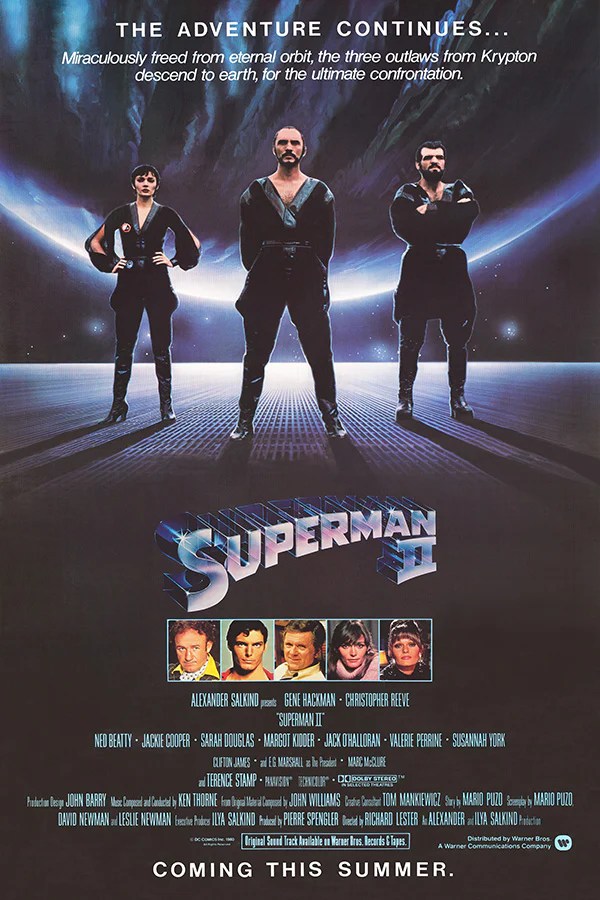
But the truth, of course, is a bit more complicated than that. Donner was a notorious, almost Kubrickian perfectionist and his shoot ran way over time and, oh yeah, was the most expensive film in history at that point. It’s very easy to say that the Salkinds should just have backed off and let Donner cook when it’s not your money he’s cooking. And, to be fair to the Salkinds, they actually had a reputation for being very director friendly as producers go. Not takings sides, probably faults all around. Anyway, the result is we have two versions of Superman 2. The first is the entirely reshot version directed by Richard Lester. The second is the Richard Donner cut, a version assembled by Donner in 2006 using a combination of his own surviving footage, out-takes, screen-tests and some footage cribbed from Lester’s version. Both versions are worth your while, neither is the equal of the first film and both are fascinatingly flawed in different ways.
The plot, at least, is the same in both, at least in the broad-strokes.
The three Phantom Zone Criminals are freed by a nuclear device launched into space by Superman and begin to make their way to Earth. Lex Luthor escapes from prison with the help of Miss Teschmacher and they schlep all the way to the North Pole where they discover the Fortress of Solitude and learn about Zod. Meanwhile, Lois Lane deduces or is just basically shown that Clark is Superman and confesses her love to him. He consults with a holographic version of his father or (depending on the version) his much cheaper mother and is told that he can be Superman or have fine Earthling booty but not both. He gives up his powers and returns to civilization only to learn that Zod has basically conquered the Earth and is calling him out on national TV like Ultimate Warrior calling out the Hulkster. Superman returns to the Fortress of Solitude, bullshits his way into getting his powers back, flies to Metropolis, gets his ass beat and flies away. Lex Luthor, who has basically ingratiated his way into Zod’s inner circle, tells him where the Fortress of Solitude is and they take Lois hostage and fly over there. Superman fights them and then tricks them into losing their powers like he did whereupon he and Lois either possibly kill them (Lester cut) or DEFINITELY KILL THEM (Donner cut), thus saving the Earth.
But make no mistake, they are VERY different movies.
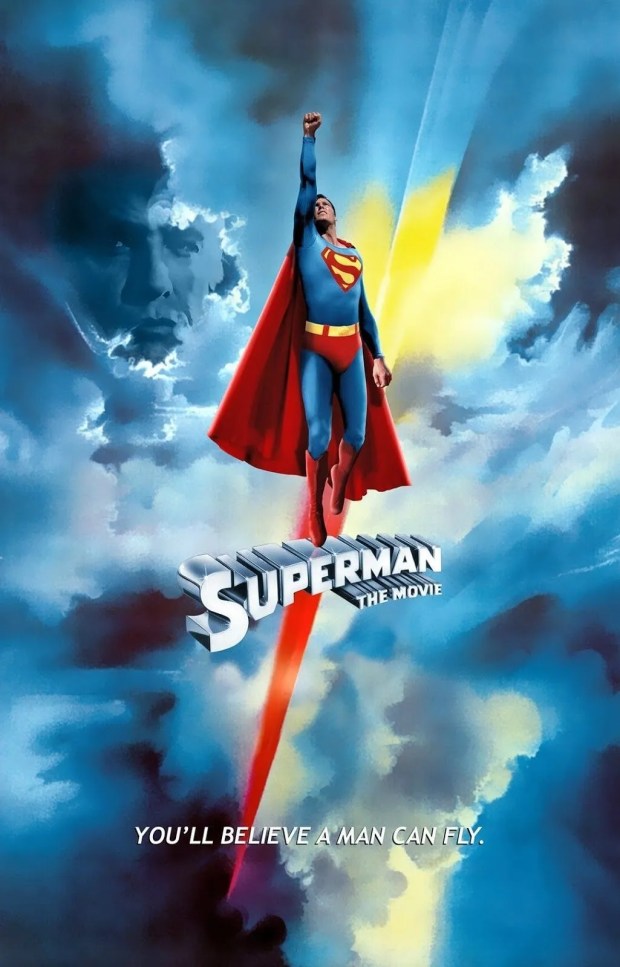
Superman (1978) is the greatest movie of the eighties.
I know what I said.
Yes, fine, there’s the number “1978” after the title but who are you going to believe, me or your lying eyes? Superman for me is the starting pistol of that era of huge populist genre blockbusters (Indiana Jones, ET, Back to the Future, Never Ending Story et al) that roared into American cinemas as the stings of Vietnam and Watergate began to fade and America discovered a new Reaganite swagger, for good and ill. It is the harbinger of the cultural era that would climax with the collapse of the Berlin wall and the apex of American power and prestige, a victory so total that serious people were able to proclaim the end of history itself and not be laughed out of the room.
And it’s the ultimate eighties movie with regards to the logic that went into creating it. I can almost picture Alexander and Ilya Salkind (the father-son producing team behind the film) chomping on cigars as they hash out their vision.
“We’re gonna make a movie about the BIGGEST SUPERHERO OF THEM ALL!”
“Yeah, and we’ll spend MORE MONEY THAN ANY PICTURE IN HISTORY!”
“Know who we’ll get to write the script? MARIO PUZO, WHO WROTE THE GODFATHER WHICH IS THE BEST MOVIE OF ALL TIME WHICH MEANS HE’LL WRITE THE BEST SUPERHERO MOVIE OF ALL TIME!”
*pause for vigorous puffing of cigars*
“Yeah, and we’ll get the BIGGEST MOVIE STAR IN THE WORLD AND PAY HIM MORE THAN ANY ACTOR IN HISTORY FOR TEN MINUTES OF SCREENTIME!”
“And we’ll film the sequel SIMULTANEOUSLY! BACK TO BACK!”
“But Pop, what if the first movie’s a flop?”
“HOW COULD IT BE A FLOP?! LOOK AT HOW MUCH MONEY WE’RE SPENDING!”
“I LOVE YOU POP!”
“I LOVE YOU SON!”
“AND WE BOTH LOVE CIGARS!”
And when you think about it like that, it feels like it had to fail right? It’s like with the Titanic. Once people start talking about how God couldn’t sink this ship, you damn well know that iceberg’s coming. That kind of hubris can’t go unpunished.
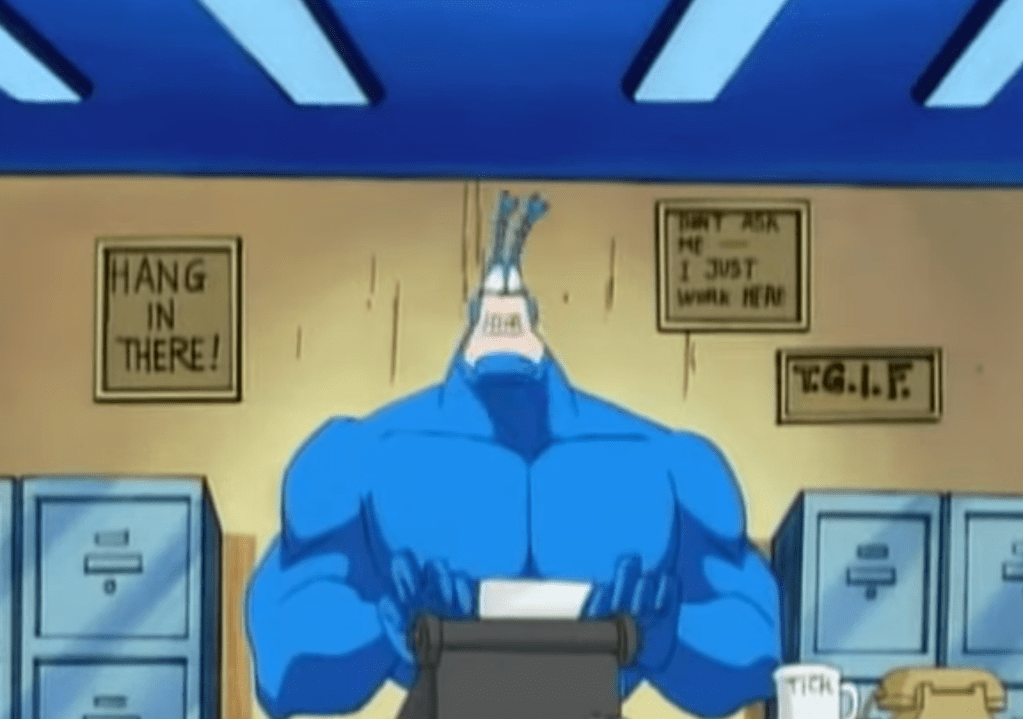
I’ve been binge watching The Tick for a future episode of the podcast (so much better than I remembered, and I remembered it pretty damn fondly) and I was struck by something that happens in episode four, The Tick versus Mr Mental where the Tick is forced to confront his greatest fear: WORKING IN AN OFFICE.
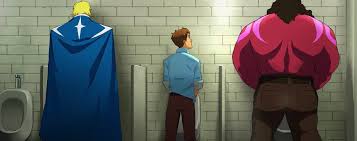
Dispatch is a 2025 superhero adventure game by AdHoc Studios released on Windows, Playstation 5, X-Box and Switch. And it, too, mines humour from the incongruity of a superhero working in a mundane office setting. But the way the game depicts this is very different from the way TheTick did thirty-two (JESUS CHRIST) years ago in ways that are both interesting and (to me, at least) kinda depressing.
My friends, I ask you to consider a simple hypothetical:
Maybe we’re the assholes?
This meme did the rounds last year after Pixar’s Elio crashed and burned and someone at Disney had gotten into the hard liquor and had some feelings they needed to express. And while I do believe that 90% of the time creators blaming the audience for the failure of their project is the mark of a talentless hack so high off their own farts that they genuinely believe that the only way anyone could dislike their output is if there was something morally wrong with them…
Don’t let the door hit your ass on the way out.
…you know what? I gotta give them this one. And I can say that, because I am actually one of the two people who saw Elio (Micro-Mouse is the other one). Elio is not a perfect film and I probably won’t watch it again. But it was charming, well animated, sincere and, yes, not a retread or rehash or cynical nostalgia bait cash grab and we all just left it to die on the road like a leper.
It’s one thing for Disney to complain that we didn’t give them a participation trophy for Strange Worldor Wish. When we said “we want original animated films”, the rider “…that aren’t absolute bobbins” should have been taken as read.
But with Elio, they showed up. They gave us what we said we wanted. Aaaaaand it turns out we were a bunch of lying hoors because we instead gave a billions dollars to this:
I’m acknowledging this exists. Enjoy it while it lasts because this is the only time.
Then again, this year saw the hugely succesful release of Hoppers, which was not merely good like Elio but genuinely excellent with a truly original premise, animation that actually innovates and shakes up the old Pixar house style and some great comedy. Well, I say “original”. Clearly they stole wholesale from Don’t Trust Fish.
“You’ll be hearing from my lawyers.”
“Our lawyers ate your lawyers. And left their bones in a pile outside the entrance to “It’s a Small World””.
But it doesn’t matter! Because the next Hoppers might end up like Elio. We can’t be trusted, and once you’ve proven you can’t be trusted no one will ever deal with you because they know you’ll never negotiate in good faith and now somehow fucking Iran has the world’s economy by the goddamn short-hairs.
Between the Superman radio series’ colossal decade-long run, the Fleischer cartoons and two multi-part film serials, I have to wonder if audiences in 1951 were starting to experience superhero fatigue. Remember how people complained when we got the Ed Norton Incredible Hulkso soon after Eric Bana’s? That at least was a five year gap. Kirk Alyn had barely flown offscreen before George Reeves stepped into his bright red boots.
Now, you might be a little confused as to why I’m covering this. If I’m only doing the theatrical live action Superman movies, what is George Reeves doing here? Didn’t he play Superman on TV? Indeed he did. Reeves, as well as being the reason why everyone gets Christopher Reeve’s name wrong, was the star of The Adventures of Superman which ran for a mighty impressive 106 episodes in the fifties. However, this movie served as a pilot of sorts for the TV show and was released in theatres. Alyn was apparently offered the chance to return to the role but he declined for two reasons. One, like many movie actors at the time he thought that TV was a passing fad (incorrect) and two, he worried that being typecast as Superman would kill his acting career stone dead (sadly, right on the money).
And so, the mantle passed to George Reeves, a military veteran and B-movie player whose acting career prior to becoming Clark Kent had deteriorated to the point that he’d been forced to take work digging cesspools just to make ends meet. Reeves was a fascinating and admirable man who deserved so much better than his tragic and mysterious death. But, if nothing else, he was for decades THE definitive onscreen Superman.
Considering the character kickstarted the comic-book superhero genre (asterisk, asterisk) Superman has always been the comic book character least beholden to that medium. In 2025, while it is accurate to call Superman a “comic book character”, it’s also incredibly reductive. Superman is more like Santa Claus. He doesn’t belong to one medium, he simply is. And, unlike almost every other comic book character, I would argue that virtually all of his most important and iconic stories took place outside of the medium of comics. Very early on, Superman expanded beyond the panels of the comic book page and appeared in radio dramas, newspaper strips, novels, cartoons, movie serials and TV shows, to the point that a vast majority of Superman fans aren’t even regular comic book readers.
Consider this: The years between the end of the second world war and the start of the sixties was marked by the near collapse of the superhero genre in comics. And yet Superman not only survived the implosion of the genre he’d birthed, in the fifties he was bigger than he’d ever been, as The Adventures of Superman became one of the first major hits of the television era. But we’re not there yet.
Before he get to George Reeves, we must see out the Kirk Alyn era in style. I won’t lie, I was a little apprehensive approaching 1950’s Atom Man versus Superman. Superman1948 was a very pleasant surprise but crappy sequels aren’t a recent Hollywood invention and the very few reviews I was able to find (this is, almost certainly, the most obscure Superman movie to ever be put on the big screen) agreed that it was inferior to the first one. There was also the fact that serials from the fifties, the last dying gasp of the medium, are notoriously cheap and ropy.
So colour me shocked that I actually prefer Atom Man versus Superman to its predecessor.