Cartoon

Injun Trouble (1969)

My friends, the time has come for me to tell you the tale of the last Looney Tune, and I feel less like an animation blogger and more like Red from the Shawshank Redemption. I wish I could tell you that the Looney Tunes fought the good fight. That they brought Chuck Jones and Mel Blanc and Michael Maltese back for one last time and went out with a short that could stand up with the very best of them. That when that really was all folks, those folks knew that something wonderful had gone out on a high. But animation is no fairy tale.
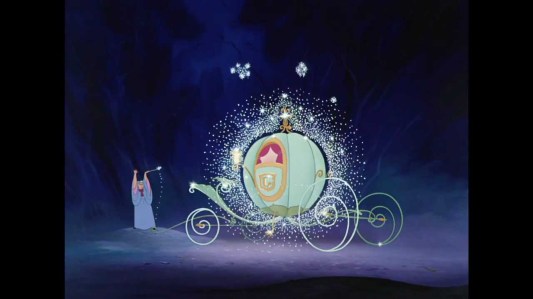
Well, except when it is. Look, we're getting off track.

Well, except when it is. Look, we’re getting off track.

What animation buffs call “The Dark Age of Animation” lasted from around the late fifties to the early to mid eighties (meaning the next few reviews will most likely just be me making sounds of pain and distress) and I don’t want to exaggerate it so I’ll just say that this was the worst period in human history where everything good and pure in the world was killed and hung from a gibbet. It was around this time that TV finally came into its own and starting muscling onto cinema’s turf in a big way. Facing increasing financial pressure, cinemas had to cut back on luxuries like lavishly animated cartoon shorts of pure loveliness. Cartoons in this period had to find a new home on television, where the appetite was there (boy, was it ever) but the budgets simply weren’t. The animation studios that survived in this era did so by being cheap, lean and mean. This was the age of Hanna Barbera and Filmation. A wolf age. An axe age. Hell, even the Disney movies in this era looked dog rough.

And what of the Looney Tunes? Bugs Bunny very wisely sat the sixties out after False Hare in 1964. I don’t actually know why Warners decided to retire the character after that, but in my mind he went to Italy to pursue a celebrated career as a director of independent film. It’s what he deserved.

The Looney Tunes/Merry Melodies in this decade, at least after Chuck Jones was fired in 1963 for moonlighting on UPA’s Gay-Puree, focused more on Roadrunner and Wile E. Coyote as well as Speedy Gonzales, who was now paired with Daffy Duck, thereby capitalising on the well known and established hatred between mice and…
"..."

“…”

"..."

“…”

"..."

“…”

"..."

“…”

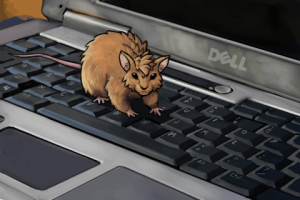
"Begone, pond-fiend. My kind have protected the internet from your filth for generations."

“Begone, pond-fiend. My kind have protected this land from you feathered scum for generations.”

"Your numbers grow few, furred one. One day you shall let your guard down, and the webbed ones shall rule over as was foretold in the prophecy!"

“Your numbers grow few, furred one. One day you shall let your guard down, and the webbed ones shall rule over all as was foretold in the prophecy!”

"Some day, mayhap. BUT NOT THIS DAY!"

“Some day, mayhap. BUT NOT THIS DAY!”

Sorry, where was I? Oh yeah. So Warners were still using a lot of the classic Looney Tunes characters but they weren’t resting on their laurels (they were doing something else on their laurels but certainly not resting). As well as featuring older established characters, the new shorts studio  under the management of Alex Lovy* introduced such timeless household names to the Looney Tunes Pantheon as Merlin Mouse, Bunny and Claude and Cool Cat. Truly a who’s who of “Huh? Who?” It was like the Itchy and Scratchy and Friends Hour except that Disgruntled Goat did not have his moments. I don’t want to rip on Lovy or Robert McKimson (who directed this short) because they were both seasoned professionals who worked on some great cartoons over the years. But at the same time, COOL CAT IS THE GODDAMNED DEVIL AND SHOULD BE ON FIRE ALWAYS.
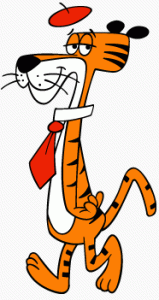
cool_cat

The enemy. I shall teach you to hate him.

Now, my problem is not that Cool Cat is utterly, completely, instantly dated as a concept and a character. The fact that he is a sixties pop culture creation to his very bones does not mean that he could not be a good character in his own right. Know who else is utterly a product of his time?
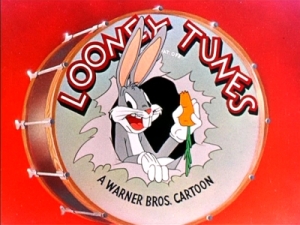
He’s literally a parody of a Clark Gable character from a thirties movie called It Happened One Night mixed with Groucho Marx.

He’s literally a parody of a Clark Gable character from a thirties movie called It Happened One Night mixed with Groucho Marx.

But there’s a key difference.  Bugs comes by it honestly, he is a product of thirties pop culture created by young men who consumed, enjoyed and understood that pop culture. And Cool Cat was created by a bunch of old men desperately trying to relate to the youth of the time in the most cynical and pandering way possible.

Also, his cartoons suck and are not funny.

So let’s take a look at Injun Trouble.

(more…)

The Iron Giant (1999)

When I was a wee rodent there was a book in the school library called The Iron Man that I read many times. It’s a simple little fable, about a boy named Hogarth who befriends a giant robot of mysterious origin…and then the robot saves the world from a colossal alien dragon the size of Australia.
anywayyyy
I can’t honestly say I loved the book but it definitely stuck with me, as any novel featuring a continent sized extra-terrestrial dragon would and it’s picked up a largish following in the years since it was first published in 1968. One of those fans was Pete Townshend, the lead singer of that famous band.
"Who?"

“Who?”

"Yes."

“That’s them.”

Townshend adapted the story into a musical, the rights of which got picked up by Warner Bros, which had just swallowed Turner Feature Animation whole, along with most of its animators. One of those animators was a likely lad named Brad Bird, who has worked on some animation in his time and is generally understood to know what he’s doing. Bird was put in charge of adapting Townshend’s musical, which he did by making it…not a musical. ‘Kay. Regardless, when it was screened for test audiences the response was absolutely ecstatic. Unfortunately, Warner Bros had neglected to prepare any kind of marketing campaign for the movie because Quest for Camelot had tanked so badly the year before. This had convinced the excecs that audiences weren’t going to go see animated films that weren’t made by Disney.

Alice Facepalm

 Goddamit Warners. Quest for Camelot didn’t tank because audiences wouldn’t take a punt on non-Disney animation. Quest for Camelot tanked because sometimes God pays attention. So of course, released into theatres with zero publicity The Iron Giant crashed harder than a giant alien death machine falling from the sky. In the years since, it has become one of the most critically beloved animated American films of the 1990s. Does it live up to the hype? Let’s take a look.

(more…)

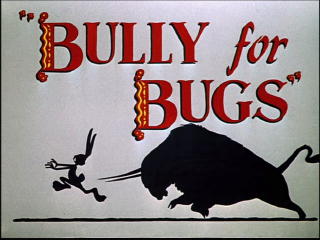
Bully for Bugs (1953)

Jiminy Christmas, hard to believe we’re already halfway through Shortstember. I’ve honestly been having a blast with these reviews and I hope you have too. The downside of focusing on only one short per decade, though, is that we’re now halfway through the twentieth century and I’ve already missed two chances to talk about Bugs Frickin’ Bunny and the Goddamn Looney Tunes and that shit ain’t right. The Looney Tunes series of shorts and its sister series Merry Melodies began in 1930 and 1931 respectively, as a naked attempt by Warner Bros to ride Disney’s coattails in the wake of Mickey Mouse and the Silly Symphonies Shorts. In case you’re wondering, the different between Looney Tunes and Merry Melodies originally was that the ‘Tunes were in black and white and the Melodies were in colour (kinda, Disney had Technicolour exclusively at the time) and certain characters were exclusive to each (Porky Pig and Bugs Bunny both started out in a Merry Melody despite now being the quintessential Looney Tune characters). By the forties though, both series were being done in colour and characters were freely crossing over from one series to the other and there wasn’t really any appreciable difference between the two. So, if I say “Looney Tunes” from here on in, just assume I’m talking about a Warners Brothers short that could have been either a Looney Tune or a Merry Melody. Makes no difference. They’re all beautiful, man.

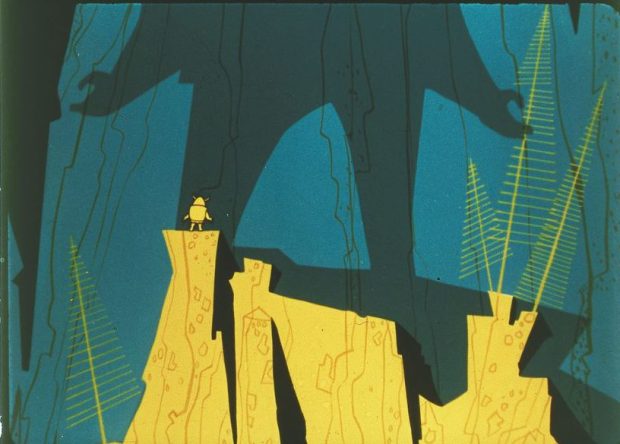
Broadly speaking, (and I rarely speak any other way), the Looney Tunes started out as Poor Man’s Disney in the thirties, had become the sassy, irreverent anti-Disney by the forties but by the fifties Disney were completely out of the equation. Warner Bros had established an artistic and comedic sensibility that was entirely their own and was beholden to nobody. And we talk a lot about how funny these shorts were (and make no mistake, a top-tier Looney Tune is nothing less than the Platonic ideal of comedy itself) but less discussed is just how beautiful the shorts of this period had become, with special credit due to the absolutely stunning backgrounds of Maurice Noble.
noble-1
noble-2
noble-3
As for the animation, by the fifties the Looney Tunes characters had evolved from rubber limbed, bug-eyed loons to comic actors with the poise and timing of a Carey Grant or Peter Sellers. The phrase “Looney Tunes” conjures images of anarchic, bombastic violence but the fifties-era shorts are possessed of a wonderful sense of subtlety and comedic restraint. Forties era Bugs Bunny might turn to the audience and yell “Crazy, ain’t it?!”. Fifties era Bugs Bunny does the same gag with a single, perfectly raised eyebrow. This is the era where you get shorts like “One Froggy Evening”, “What’s Opera Doc?”, “Duck Amuck” and the hunting trilogy (“Duck Season! Wabbit Season!”). Every element just came into its own here, the direction, the voice acting by the incomparable Mel Blanc, the animation, the writing, the music…
To watch Looney Tunes shorts from the fifties is to be in the hands of masters at the very top of their game.
I’m not going to review one of the really big name shorts like the ones I’ve already mentioned because I try to go a little off the beaten track with this series (Steamboat Willie was an exception because its influence is so vast I knew I’d have to talk about it anyway) so instead, let’s take a look at 1953’s “Bully for Bugs”.

(more…)

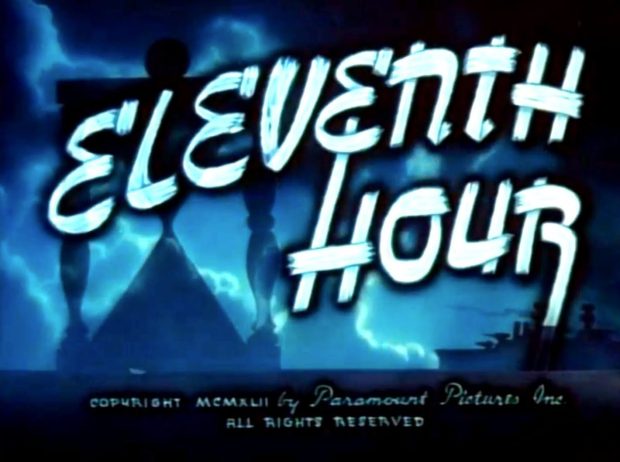
Eleventh Hour (1942)

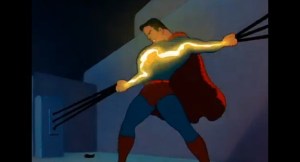
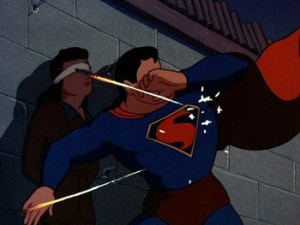
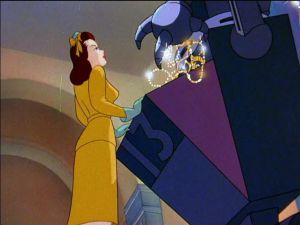
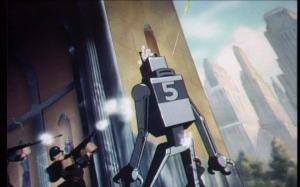
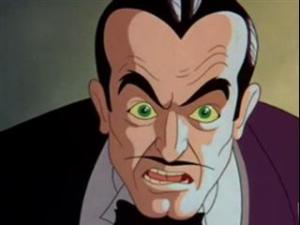
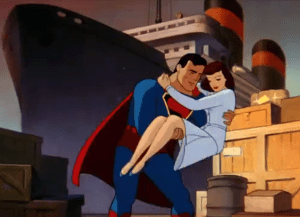
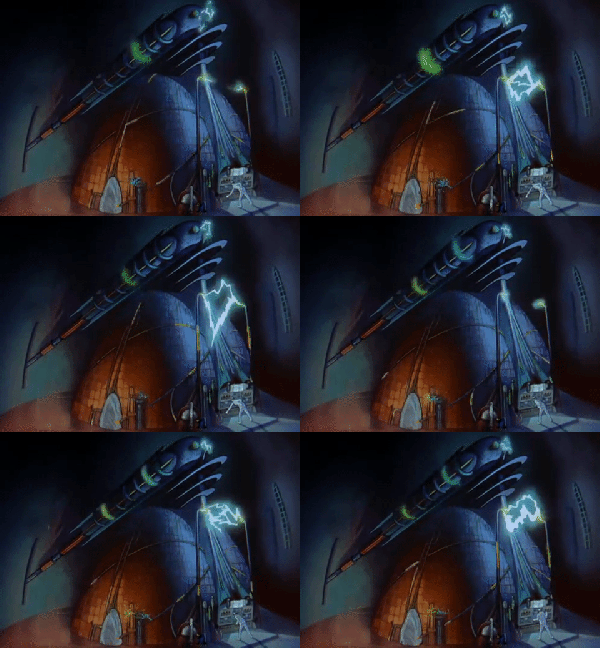
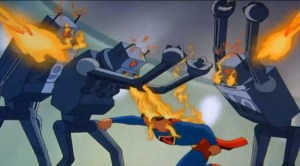
As Buzz Aldrin once noted “second comes right after first” and the Fleischer Brothers, Max and Dave, seem to have been cursed to always be the Buzz Aldrin to Walt Disney’s Neil Armstrong. A mere year after Snow WhiteParamount pictures released Gulliver’s Travels, the second cel-animated feature film ever, directed by Dave and produced by Max. Of course, just because Buzz Aldrin went second, does that mean he was somehow an inferior astronaut to Armstrong? Course not, but while Gulliver’s Travels was a fantastically animated feature, it just didn’t create the same sensation that Snow White did and while it certainly was a success at the box office, the Fleischer’s studio quickly found itself treading water financially. Smarting from the financial strain of Gulliver’s Travels, mired in the production hell of their second feature Mr Bug Goes to Town and with Max and Dave’s relationship having degenerated to Cain and Abel levels and with all parties coming to the realisation that animation is a demon bitch that burns alive all who dare love her, now was really not the time to take on an ambitious new project. So when Paramount approached the Fleischers asking them to make shorts featuring this new Superman character all the kids were going cuckoo over, Max and Dave told them that they could only do it with a budget of $100,000 an episode (or, around four times the cost of the most expensive Disney shorts). In 1940s dollars that was equal to “Holly Hannah! That’s a lotta scratch!” and Max and Dave expected Paramount to tell them to screw off, so they were stunned when the execs made them a counter offer of $50,000 and episode (equal to “Nice little pile. Goddamn, that’s a nice little pile”). Unable to turn down that kind of money, the Flesichers started work on what is still, adjusted for inflation, the biggest budgeted series of animated shorts ever made. And I cannot overstate how amazing these shorts are.
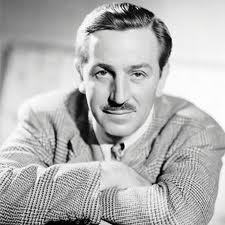
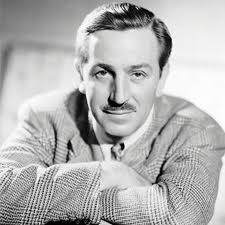
Look.

Look.

Look at this.

Look at this.

Here is some more.

Here is some more.

Do you see?

Do you see?

Do you see?

Do you see?

Look at this.

Look at this.

Do you understand?

Do you understand?

Do you?

Do you?

DO YOU?!

DO YOU?!

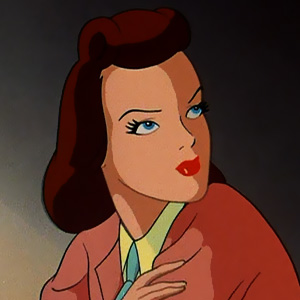
This series had it all, the cast of the Superman radio show doing the voices, rotoscoping used to set a new standard for realistic animation of human figures, an epic score, one of THE all-time great Lois Lanes and the art design YE GODS! There’s a reason Bruce Timm cites this as one of the major influences on Batman the Animated Series.  This series is the reason that Superman flies instead of just jumping everywhere like a grasshopper.

(more…)

Music Land (1935)

Seven years is not that long a time. Seven years ago we got the first of the Star Trek reboot movies, Michael Jackson died and Jay Z and Alicia Keyes released Empire State of Mind. Not exactly ancient history. Go back and watch Steamboat Willie. Now watch Music Land released by Disney a mere seven years later.

shocked-will-smith

So what the hell, right? How did we get from that to that in a mere seven years?

(more…)

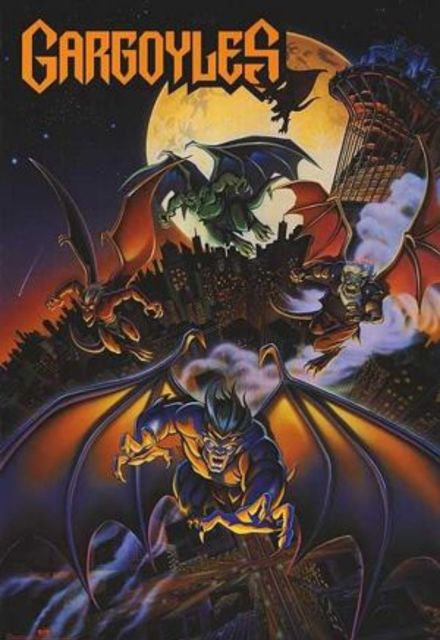
Gargoyles: Eye of the Beholder

Okay, let’s get the important business out of the way.
IT HOLDS UP. LIKE, DAMN.
Rewatching Gargoyles for this review I was expecting a sugar rush of nostalgia and maybe a melancholy recognition that it was good for its time but not the masterpiece I remembered from childhood. I did NOT expect to get hooked and embark on an epic binge watch that had me wondering whether I could squeeze in just one more episode at four in the morning.  For those of you who never saw it, and you zygotes who are too young to remember, let me explain what Gargoyles was.
Take the shadowy urban action and moody aesthetic of Batman the Animated Series, add the “team of superhero creatures fighting evil in secret in modern day New York” setup of Teenage Mutant Ninja Turtles, stir in some exceptionally high calibre voice talent, stellar writing and the finest animation Disney had done for TV up to that point, ladle in generous portions of Shakespeare and world mythology and add salt to taste. Boom. You got salty Gargoyles.
By the mid-nineties, there was something of a renaissance in television animation underway as studios moved away from the cheap, thinly disguised toy commercials of the eighties and started to create shows of a higher calibre. I described this in the Ducktales review, and while this renaissance was kickstarted by Disney, by the mid-nineties their TV output had in many ways been surpassed by rivals Warner Brothers, who had brought the thunder with such classic shows as Tiny Toons, Animanaics and of course Batman the Animated Series. This last one is the most relevant because Gargoyles is very much an attempt to beat Warner Bros at their own game and create their own BTAS. This led to some bad blood between the two shows, with Batman creator Bruce Timm dismissing gargoyles as “namby pamby…with all that Celtic fantasy crap.”
"Hi. Mr Timm? Unshaved Mouse. Huge fan. Go fuck a stoat."

“Hi. Mr Timm? Unshaved Mouse. Huge fan. Go fuck a stoat.”

Which of the two series is better was a subject of fierce debate when I was growing up but having re-watched both I have come to the profoundly unsatisfying conclusion that they were both superior in different ways. Batman pushed the envelope of what was possible in kid’s animation artistically. In its Art Deco style, its mood, and its use of shadows and camera angles it’s hands down the more visually arresting show. But, while Gargoyles might look a little generic compared to Batman, I think the former beats the latter in terms of narrative ambition. Remember, Batman had a cast of characters that had been part of pop culture’s consciousness for almost sixty years at that point, but Gargoyles creates a new cast of characters, mythology and history out of whole cloth and uses them to tell a story with a depth and scope that hadn’t been seen in children’s animation in the West up to that point. The characterisation is also phenomenal. While at first glance the gargoyles are stock character types, peel them and you’ll find the layers have layers. And that’s not even getting into the villains. Most cartoons are extremely lucky if they can boast one of the all-time great cartoon villains. Gargoyles has at least four.
So what’s our premise? Well, in 10th century Scotland Castle Wyvern is guarded by a clan of gargoyles. Stone by day, big scary demonic lookin’ bastards by night. The gargoyles are led by Goliath (Keith Motherfucking David at his Keith Motherfucking Davidist). The gargoyles have lived in peace with Castle Wyvern’s human inhabitants for years, but they’re still distrusted by them because this is the dark ages and they look like the devil. The gargoyles get caught up in a load of court intrigue and betrayal and counter betrayal complicated enough for an entire series of Game of Thrones and the upshot is that Goliath comes back from patrol to discover that almost his entire clan was smashed to pieces by humans while they slept during the day. Only seven of the Castle Wyvern clan survived and they were placed under a spell by a vengeful wizard who thought they had killed someone who they actually hadn’t killed long story. The spell caused the gargoyles to turn to stone and stay that way, day and night, forever. The only way the spell could be broken would be if Castle Wyvern were “raised above the clouds” and if you’re getting a real “til Birnham Wood come to Dunsinane” vibe off this then that’s entirely intentional. This series could not be more indebted to MacBeth if they made MacBeth a character on the show which by the way they totally did.
"My friends call me Scottish Play."

“My friends call me Scottish Play.”

Anyway, flashforward a thousand years and David Xanatos (Jonathan Frakes), billionaire playboy philanthropist has Castle Wyvern disassembled, and rebuilt, brick by brick, at the top of his Manhattan skyscraper just to see what would happen. The spell is broken and Goliath and his surviving clan of gargoyles become the defenders of New York from all threats both human and supernatural.

I went back and forth over just how to approach this review. At first, I was going to do a general review of the whole series before remembering that there were 65 GODDAMN episodes.

Kitty

And that’s not even counting the third season that never happened and which we shall never speak of again.

I then thought about reviewing one of the story arcs like “The World Tour” or  “City of Stone”. But “City of Stone” focuses more on two side characters than the main Gargoyles and also there’s a lot of flashback stuff that would get really confusing and probably be boring to read. And as for “Word Tour”,  I had (again) forgotten that Goliath and Eliza were putzing around on that damn boat for nineteen episodes so once again…

Kitty

So finally, with the deadline approaching like an oncoming walrus on a bobsled I decide to just review one single episode which I think encapsulates the things that I most loved about this show.

lAZY MAN
That episode is Season 2’s “Eye of the Beholder.”
Let’s take a look.

(more…)

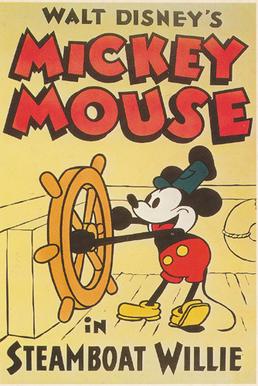
Steamboat Willie (1928)

When talking about Steamboat Willie it’s almost more important to talk about what it’s not than what it is, as so many myths have sprung up about these seven minutes of animation. So, for the record Steamboat Willie is not:

  • The first Mickey Mouse cartoon.
  • The first Walt Disney cartoon.
  • The first cartoon to feature sound.

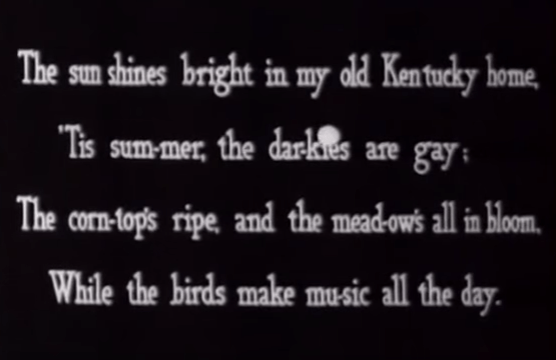
Willie’s real claim to fame is a little less sexy. It’s the first cartoon to use fully integrated sound and visuals, where the sound and pictures were recorded on the same film. There were other cartoons that used sound and music before this, but that basically involved playing the movie and the music on two separate tracks and hoping that they’d keep in sync like Wizard of Oz and Dark Side of the Moon. It doesn’t sound like it should make a huge difference but it really does. Take a look at Inkwell’s My Old Kentucky Home from 1926.

Wow, second sentence. You are so out of date in so many different ways that its almost impressive.

Wow, second sentence. You are so out of date in so many different ways that its almost impressive.

Now take a look at Steamboat Willie.

Synchronisation completely changes how you experience the cartoon. When you’re watching My Old Kentucky Home your brain thinks “I’m watching the dog move his mouth while a recording plays.” When you watchSteamboat Willie your brain thinks “The mouse is whistling.” With this marriage of sound and image all the elements are finally in place. This film, rough, scratchy and monochrome though it may be, is nonetheless the first modern cartoon.
Steamboat Willie was a sensation when it was released, making household names of Walt Disney and Mickey Mouse. And of course it also made a star out of Ub Iwerks who actually animated the damn thing…
Homer Laughing
Sorry Ub. To quote another Disney character, “Life’s not fair, is it?”
But, aside from its monumental historical and technical influence is Steamboat Willie any…y’know…good? Well, it’s probably not the best work of any of the people involved. And it certainly doesn’t fill me with the wonder of Winsor McCay’s shorts of almost twenty years prior. But it’s not without its charms. If Disney’s new series of Mickey Mouse shorts have taught me anything it’s just how deceptively versatile and charming the original Mickey Mouse design is. And there are some scenes, like Minnie running alongside the boat, that are actually quite technically challenging and impressive. But we will never really be able to understand the impact this short had on its original audience. We’ve spent our entire lives so immersed in sound and images that we’ve lost that innocence.
Our minds literally cannot conceive of how jaw-dropping this little short about a mouse goofing off on a boat must have been.
***
Unshaved Mouse has been shortlisted for best Film and TV blog at the Blog Awards Ireland 2016. Please click on the link below to vote for Mouse!
Littlewoods-Blog-Awards-2016-Website-MPU_Vote-Now

Winsor McCay, the Famous Cartoonist of the N.Y. Herald and His Moving Comics (1911)

If you ever want to earn yourself some serious animation nerd cred, the next time someone asks you who your favourite animator is, fix them with a steely gaze, whisper the words “Winsor McCay”, drop the mike and then moonwalk out of the room.


I carry a mike around with me at all times for just such an eventuality.

I carry a mike around with me at all times for just such an eventuality.

 McCay is not a household name, but he is almost certainly one of the greatest animators of all time, one of the two most influential animators of all time and most amazingly of all, possibly the first animator of all time. Okay, obviously, we will never know who was actually the first animator. Probably the first kid in class who realised that with a little doodling in the edges of your copybook you could make it look like your teacher was being eaten by velociraptors. But to start this decade by decade look at animated shorts I need a big, flashy, incandescent Big Bang and by God, McCay fits the bill.

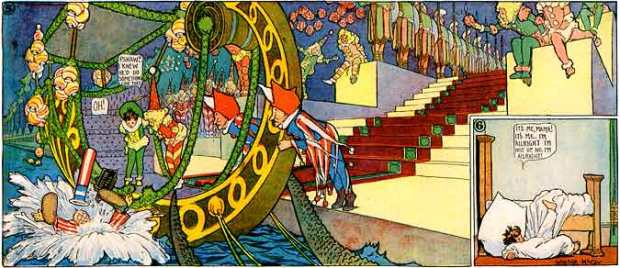
McCay was a celebrated cartoonist probably most famous for the Little Nemo comic strip, which combined incredible detail with gorgeous, trippy surrealism.

Look at this

Inspired by the flip books that his son brought home one day, he decided to create an animated version of Little Nemo, drawing four thousand rice paper cels by hand and  pioneering many animation techniques on the fly, all while carrying on with his regular comic strip work. That’s right. He virtually invented modern animation. He did it single-handedly. And he did it in his spare time. Today’s short is Winsor McCay, the Famous Cartoonist of the N.Y. Herald and His Moving Comics and because it’s public domain and up on You Tube, we can all watch it together. Great, right? We never do stuff together any more.


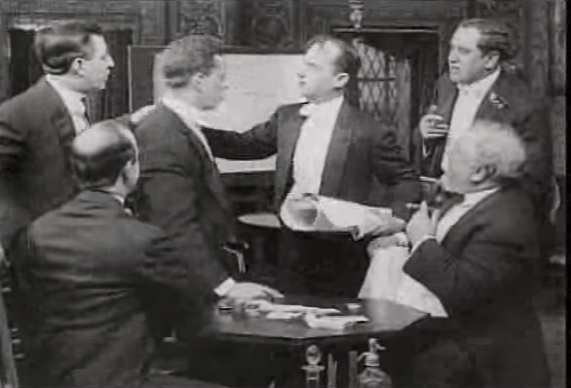
So the movie begins before animation has been invented which is why it’s in live action (joking, joking, I know about Blackton and Cohl, I can read Wikipedia too). Winsor McKay is betting his fellow artists that he can create a comic strip that moves. And can I just point out how insanely lucrative newspapers used to be? Those tony-looking motherfuckers with their fancy suits and monocles and brandy and cigars aren’t newspaper owners, they aren’t even journalists. They are COMIC STRIP ARTISTS. That’s how much money was in the newspaper business in the nineteen tens. I mean, look at these guys! They don’t look like artists, they look like the guys who owned the fleets that hunted the blue whale to the brink of extinction! Anyway, they of course scoff and mock his idea and presumably tell him to try something more sensible like circumnavigating the globe in eighty days. This is a recurring plot in McCay’s cartoons incidentally, which could be titled Watch My Idiot Friends Lose Money by Betting Against Me, Winsor Goddamn McKcay. 

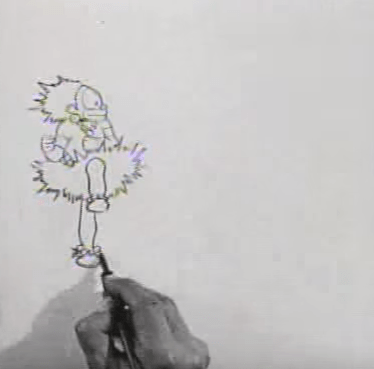
Undeterred, McCay draws one of his characters, the Little Imp, to show his friends how this whole “animation” thing is going to work.

"I shall begin with racism, gentlemen, as this is 1911 after all." "Of course!" "Quite right."

“I shall begin with racism, gentlemen, as this is 1911 after all.”
“Of course!”
“Quite right.”

One of the things you notice watching the live action scenes is that compared to a modern film the pacing is absolutely glacial. When McCay draws Little Imp, you see him draw the entire thing from start to finish, no cuts, no edits. We’re talking about a period where film is so new and exciting that even watching something as mundane as a man drawing a picture is fascinating in and of itself. You’d watch it because you most likely had never seen that before. Anyway, McCay bets his friends that he will draw 4,000 images in one month and make them move. I especially love the moment where one of McCay’s friends tries to leave and he literally pushes him back down in his chair.

"Oh, Im sorry, is my INVENTING A NEW ARTFORM BORING YOU SIT YOUR ASS DOWN!"

“Oh, I’m sorry, is my INVENTING A NEW ARTFORM BORING YOU SIT YOUR ASS DOWN!”

 We now get a sequence of delivery men bringing barrels of ink and massive slabs of paper to McCay’s office and I honestly don’t know if that’s supposed to be a joke or an accurate representation of the material that was required. McCay directs them as they bring it while wearing a fedora and smoking a cigar like a goddamn Ink Mobster. There’s some pretty unfunny business with Winsor’s son knocking over a huge pile of papers and the middle of the film drags pretty hard once you’ve gotten over the culture shock of watching people from over a century ago. But at last, McCay unveils his animation. And it is…

"No words. Should have sent a poet."

“No words. Should have sent a poet.”

Chuck Jones described Winsor McCay thusly, as if the first living creature to emerge on Earth was Albert Einstein, and the next was an amoeba. He’s like the Antikythera mechanism, something that should not exist as early in history as it does. He’s the first to do this, or close enough, so he doesn’t know what you’re not supposed to be able to do. He doesn’t know that you have to keep the character models simple. He doesn’t know that you’re supposed to keep the perspective unchanged and flat. When he swings the “camera” around to show an incredible, meticulously detailed dragon from the side, the front and then the rear before it slouches off into the distance he doesn’t know that you’re not supposed to be able to do that. There is no story, not really. It’s simply characters coming to life and exulting in their existence and creating new characters to play with. It’s dreamlike, and surreal, and moves with a grace and fluidity that most animators living today will never be able to match. The Titanic was being built when Winsor McCay created this, single handed. It wouldn’t be until the eve of the Second World War that Walt Disney, with a team of dozens of the most talented animators in the world and a budget of over a million dollars, would be able to create animation that rivals it. It’s beautiful. It’s amazing. It breaks my goddamn heart.

Jones went on to say that the two most important names in animation were Walt Disney and Winsor McCay and that he honestly didn’t know whose name should go first. Walt himself might have bowed out of that contest. When McCay’s son visited the Disney studios in the fifties Walt gave him the tour and told him “Bob, all this should be your father’s.”

***

Unshaved Mouse has been shortlisted for best Film and TV blog at the Blog Awards Ireland 2016. Please click on the link below to vote for Mouse!

Littlewoods-Blog-Awards-2016-Website-MPU_Vote-Now

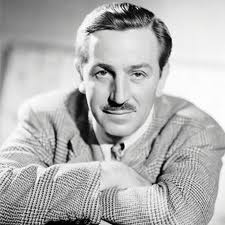
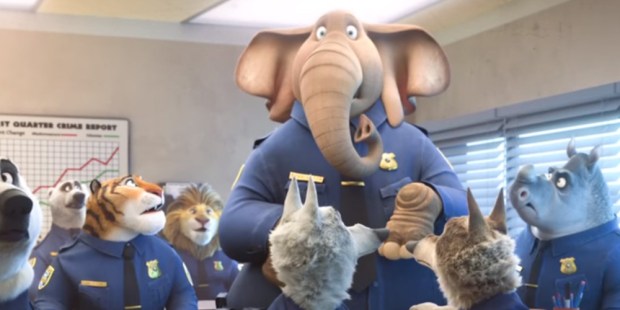
Disney Reviews with the Unshaved Mouse #55: Zootopia/Zootropolis


"Mr Disney? There's a Mr Chernabog here to see you?"

“Mr Disney? There’s someone here to see you?”

"What? But the world thinks I've been dead since the sixties, who even knows I still work here?"

“What? But the world thinks I’ve been dead since the sixties, who even knows I still work here?”

"He said his name was Mr Chernabog?"

“He said his name was Mr Chernabog?”

"CRAP. Tell him I can't see him."

“CRAP. Tell him I can’t see him.”

"I would sir, but I'm not really here. I'm just a hallucination caused by your black-magic addled mind."

“I would sir, but I’m not really here. I’m just a hallucination caused by your black-magic addled mind.”

"DISSSSSSSNEY I WOULD HAVE WORDSSSS WITH THEE."

“DISSSSSSSNEY I WOULD HAVE WORDSSSS WITH THEE.”

"Cherny! C-Train! As the world Cherns! How the fuck are you?"

“Cherny! C-Train! As the world Cherns! How the fuck are you?”

"YOU HAVE BETRAYED ME, SSSSSORCEROR. AND THE LORD OF BALD MOUNTAIN KNOWSSS NOT OF MERCY."

“YOU HAVE BETRAYED ME, SSSSSORCEROR. AND THE LORD OF BALD MOUNTAIN KNOWSSS NOT OF MERCY.”

"Whoah! Hey! Walter Elias Disney is a man of his word, so how bout you settle down and tell me what this is all about?"

“Whoah! Hey! Walter Elias Disney is a man of his word, so how ’bout you settle down and tell me what this is all about?”

"WE HAD A PACT, YOU AND I. I GAVE YOU IMMORTALITY AND IN RETURN YOU AGREED TO CREATE FOR ME AN ARMY OF THE MOST DEPRAVED, HELLISH CREATURES EVER TO WALK THE EARTH."

“WE HAD A PACT, YOU AND I. I GAVE YOU IMMORTALITY AND IN RETURN YOU AGREED TO CREATE FOR ME AN ARMY OF THE MOSSSSSST DEPRAVED, HELLISSSSSH CREATURESSSS EVER TO WALK THE EARTH.”

"What? Furries?"

“What? Furries?”

"I MUSSST HAVE MORE FURRRIESSS! MORE! THE CROP GROWSSS THIN! THE CROPS GROWSSSS THIN!"

“I MUSSST HAVE MORE FURRIESSS! MORE! THE CROP GROWSSS THIN! THE CROPS GROWSSSS THIN!”

"What are you talking about? We made Robin Hood!"

“What are you talking about? I made Robin Hood! That should have kept you balls deep in furries for years!”

"THAT WASSSS OVER FORTY YEARSSSSS AGO!"

“THAT WASSSS OVER FORTY YEARSSSSS AGO!”

"Fuck. My. Ass. Yikes, sorry. My bad. I'll get right on that."

“Fuck. My. Ass. Yikes, sorry. My bad. I’ll get right on that.”

"BE WARNED! IF I DO NOT RECEIVE AN ARMY OF FURRIESSSS BEYOND RECKONING I SHALL EAT..."

“BE WARNED! IF I DO NOT RECEIVE AN ARMY OF FURRIESSSS BEYOND RECKONING I SHALL EAT…”

"Eat my soul, yeah, got it. Laurie? Get on the phone to the boys in animation and tell them we need a movie so chock full of furry bait that half the country will be yiffing by Christmas."

“Eat my soul, yeah, got it. Laurie? Get on the phone to the boys in animation and tell them we need a movie so chock full of furry bait that half the country will be yiffing by Christmas.”

"I already told you, I'm not really here!"

“I already told you, I’m not really here!”

"Just do it woman!"

“Just do it woman!”

***

Some blogs might tell you that Zootopia/Zootropolis came about as part of an ongoing effort by Disney to address the more troubling and regressive aspects of their legacy and take on a pressing real world issue. But only I will tell you the truth, namely that it was part of a desperate ploy to pay off a faustian bargain made by immortal warlock Walt Disney by creating an army of furries for a demonic lord of evil. That is why, after all, the people come to Unshaved Mouse.

But first of all, let’s talk about the elephant in the room.

Not that one.

Sit down, Francine.

Namely, why the hell is this called “Zootropolis” on my side of the pond? Well, Disney haven’t actually given a reason for the name change. One possibility of course is that, as sophisticated Europeans, we would know that any utopia, even a zootopia, is impossible in an imperfect world and refuse to see the movie purely on the grounds of philosophical consistency. Also, there’s the fact that a zoo called “Zootopia” is opening in Denmark soon and maybe Disney’s lawyers didn’t want the hassle. Who can say?

Anyway, if you read this blog you’re probably aware that Disney have been on one hell of a hot streak for the last few years, producing movies that are both critically lauded and hugely successful. That in and of itself is nothing new, the Disney canon goes through peaks and troughs and this is just one peak of many. But one thing that is different this time around is that Disney is more and more comfortable making movies that actually have something relevant to say about the world. I once called Walt Disney the most apolitical American artist of the twentieth century. His movies were beautiful, funny and charming but they almost never had any kind of political message or agenda beyond the most broad “be nice, everybody” kind of sentiment. They were meant to appeal to the broadest audience possible in their own time which in practice meant that they were very conservative and very, very white.

Fast forward to today. In my review of Princess and the Frog I called the current era of the Disney canon “The Redemption Era”. Unlike the Lost Era that preceded it, where Disney was trying to definitively break with the past, new types of story, new styles, new animation techniques, the Redemption Era wears its classic influences with pride. It loves and respects the canon. But it is not blind to its flaws, either. The Redemption Era is a Beatles fan who has every album but never forgets that John Lennon beat his wife. It doesn’t simply ignore the more troubling aspects of the Disney canon but makes challenging them a core part of its identity, whether that’s doing a Restoration Era fairy tale with an all-minority main cast or a Renaissance Era musical where the princess doesn’t marry a prince at the end.  Zootopia takes this to a new level. Regular commenter Kahnamanko called it the most topical and socially relevant movie Disney has made since their World War 2 propaganda shorts and I think that’s probably true. But does that make it a good movie? Does the simple fact that it’s willing to tackle such a pressing and hot-button issue as racism make it a classic that will stand the test of time? Let me answer that question with a question, do you feel a burning desire to watch any of the following movies; Brokeback Mountain, Philadelphia, Crash or Lions for Lambs? Yeah, didn’t think so. Movies that directly address the great issues of the day are often very worthy endeavours but they rarely end up being particularly beloved movies. Does Zootopia defy the odds? Let’s take a look.

***
(more…)

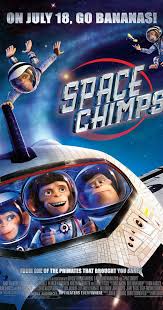
Space Chimps (2008)

Never pick a fight with an Australian. Lesson. Fucking. Learned.

This one hurt, folks. Space Chimps manages to encapsulate so much of what has gone wrong with 21st century animation that I almost feel like if I burned the DVD all those sins would just evaporate as the spell was lifted. It’s awful, but it’s awful in so many different ways at once that it has inestimable value as a teaching tool. I feel like you could teach an animation course on what not to do based on this movie alone.  This is the first movie by Vanguard Animation that I’ve reviewed on this blog as I’ve not had the unalloyed pleasure of viewing Valiant, Happily N’Ever After or Space Chimps 2: Zartog Strikes Back….

Sorry. When I typed that last one I felt an ice-cold shudder and had to go check that all the doors and windows are locked. Anyway, Vanguard is at the rearguard of modern American animation and was founded by John H. Williams who is, as the DVD cover is quick to remind us, one of the primates who brought us Shrek. And I have one question. What the hell is Shrek? Shrek? Sounds like an Eastern European currency. Boris bought a red cabbage and a bottle of vodka for three shrek.

Highest grossing animated film of all time you say? No, doesn't ring a bell.

Highest grossing animated film of all time you say? No, doesn’t ring a bell.

(more…)