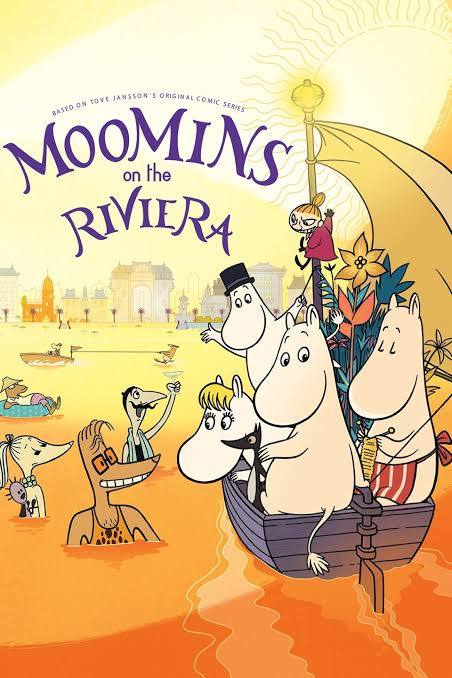
The Moomins are a topic that I feel I understand less the more I try to get my head around them. I tackled another Moomin film, Moomin and Midsummer Madness, around ten years ago so I should have been ready for this. And yet, here I am, looking at this film all…
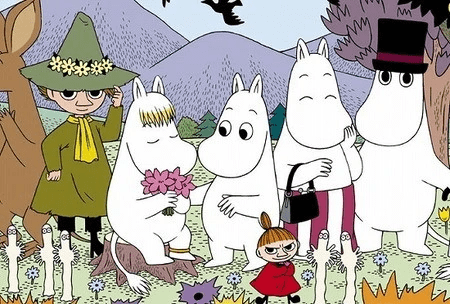
A brief refresher, the Moomins are a multimedia franchise created by Finnish author Tove Jansson that encompasses picture books, novels, short stories, TV shows, movies, theme parks and a comic strip written and illustrated by Jansson herself. The comic strip that inspired today’s film, Moomins on the Riviera, began in 1954 and ran until 1975. This was actually the second Moomins comic strip, the first having appeared in a left wing newspaper but which failed because the readership considered the Moomins to be “too bourgeois”, because even in the late forties there were people who needed to touch some fucking grass.
So what’s it all about?
The series features things called Moomins doing stuff.
I can’t really get more specific than that.
Sometimes they don’t do stuff. Sometimes they just chill.
Okay, I gotta be careful here. Last time I reviewed a critically acclaimed 2010s animé I did an almost complete 180 on my opinion of it in the process of writing the review with the result being the most schizophrenic thing I’ve ever written on this blog.
“Mouse. You know that’s not true.”
“Yeah, you’re right, picture of a map I’ve been talking to for thirteen years.”
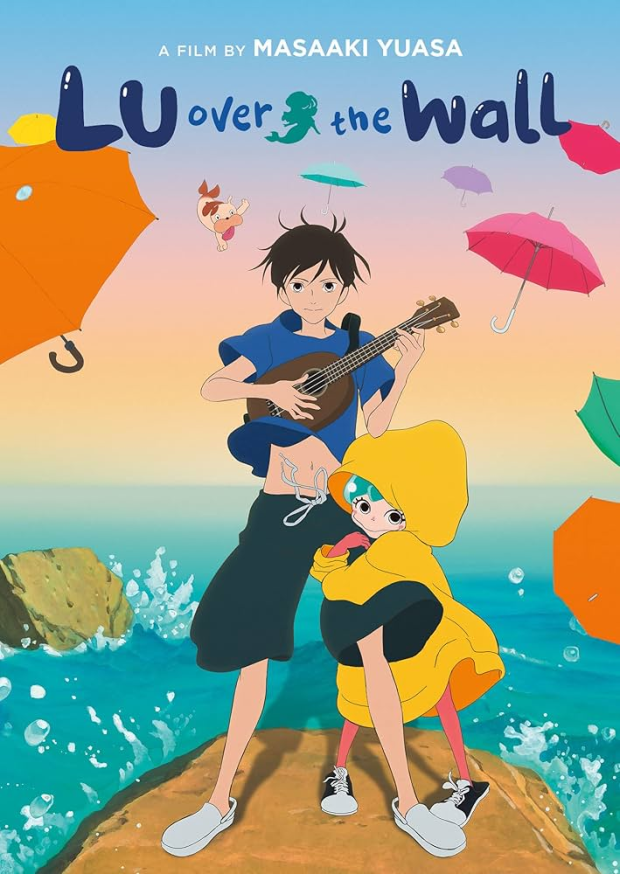
My point is, I’ve been holding off on writing this review just in case I have a similar reversal in opinion on Lu Over the Wall, but I’m pretty certain that my feelings on it are settled:
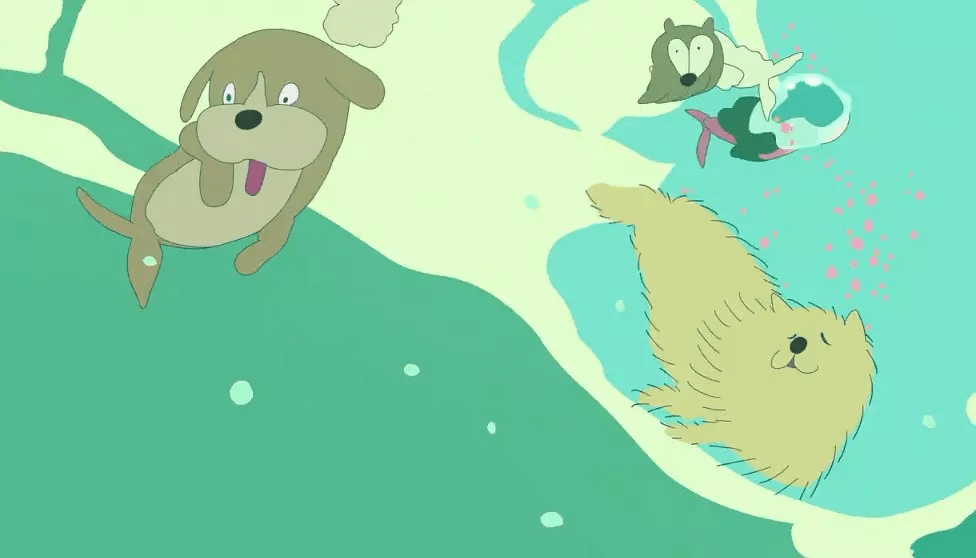
I think this is a mildly charming (if frustratingly unoriginal) “lonely boy makes friends with supernatural creature” story that is thoroughly undone by disastrous visuals and animation.
This is entirely subjective. I’m not saying the art style is bad per se. I’m just saying I hate it with every fibre of my being.
Some of the choices I stand by but jeez, I’ll probably have to re-do that list entirely. Or will I? Are listicles even a thing anymore? Are blogs? Is anyone out there reading this who’s not a bot? Hello? Hellooo?
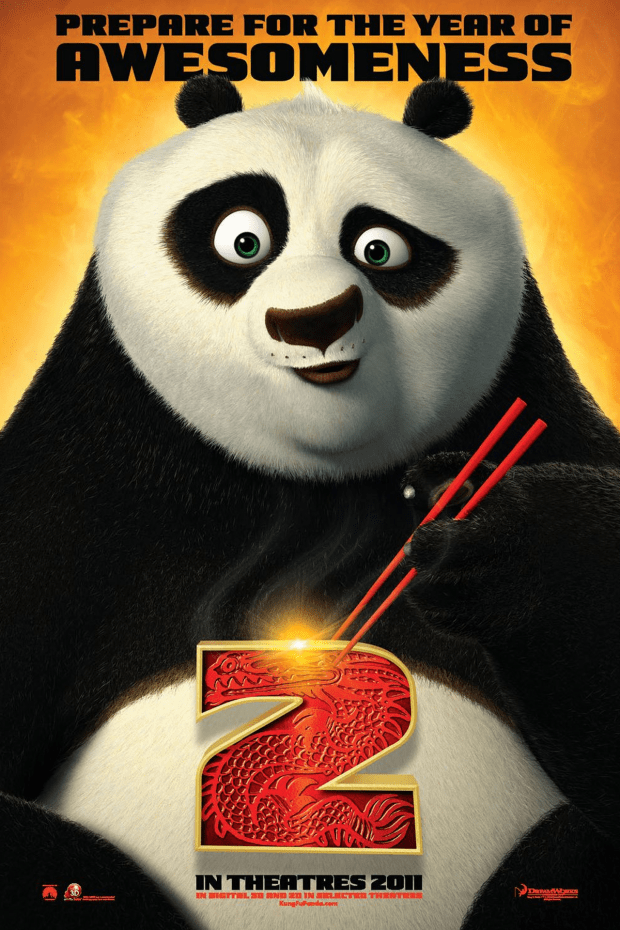
Anyway, existential dread aside, one of the big surprises for me was that 2014 Mouse apparently put 2008’s Kung Fu Panda on the list, a movie I think I have seen maybe once and have never had the urge to watch again. I have no idea why I did that. I feel like the years must have Ship of Theseus’d me into a completely different person because I cannot imagine that movie provoking that strong a reaction in me, either positive or negative. And I know that this is definitely a “me” problem. These movies are, structurally, very very good. Like, just put together magnificently well. I get the praise for them. Mostly. Some of the more rhapsodic critical responses to this movie I find a little baffling. Particularly the praise for the visuals. Again, they’re very good. But I came across one review (from a critic who’s opinion I rate very highly) who actually claimed that Kung Fu Panda 2 was the most visually beautiful film Dreamworks had made up to this point in their history.
There really should be a sub-genre for animators who left Disney during the eighties all ready to set up their own animation studio with blackjack and hookers…only for Disney to get their groove back with The Little Mermaidand eat them alive. We all know of Don Bluth, of course, the one who came closest to unseating the Mouse from its throne. And we’ve also met Phil Nibbelink. Well today we’re going to look at another of these would-be contenders; Richard Rich:
So how’s this for some animation bona fides: Richard Rich was the director of not one but two Disney animated features.
Now now, let’s be fair. Disney in the mid-to-late eighties was in its most hellish creative funk since World War Two. The kind of hellish creative funk that would not be seen again until the early 2000s and…now. Of all the hellish creative funks Disney has been in I’d rank it…somewhere in the middle. Bad times, anyway. Disillusioned by working on Oliver & Company (as anyone would be) he left in 1986, convinced that the old studio was a goner and that nothing could ever change that.
Oops.
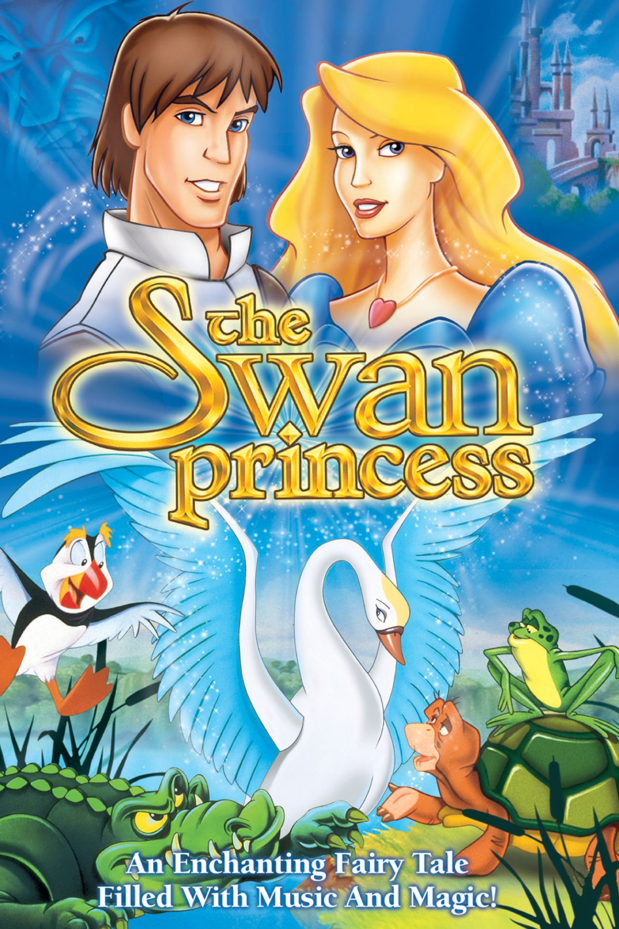
After a stint in the desert making religious animation for the Church of Latter Day Saints, Rich watched the Disney Renaissance take off and decided to make his play for the crown with The Swan Princess, an animated re-telling of the ballet Swan Lake, without any actual ballet (thank Christ). Made on a paltry budget of 20 million dollars, it was worked on for four long years before being released in 1994, where it had to compete against The Lion King. The result was pretty much what would happen if you pitted a real swan against an actual lion, but it did have an extremely healthy second life on video. It’s not the worst of the Disney-chasers of this era, nor is it close to being the best. But it is significant for one very important reason. This was the last feature length, cinematically released animated motion picture that was created entirely by hand. Not a single cel of this was touched by the infernal machine. So let me be clear, no matter what I think of this movie…
“You sons of bitches, we were so close. We were so close!“
After a string of godawful mediocrities and outright turds the likes of which the canon hadn’t seen since the earliest years of the millennium, the opportunity was ripe for Disney to start filling the executive-grade wicker basket with heads and put some people in charge with fresh ideas and real talent.
But noooooooooooo.
Disney pulled the old “take the first three episodes of a scrapped TV show, wash it off and serve it up as a new movie” trick they used to pull in the direct-to-video sequel era and what did you do? Did you laugh? Did you scorn such obvious desperate chicanery? Did you hell!
ONE BILLION AT THE BOX OFFICE. FOR THIS.
We could have had another Renaissance with a bit of luck. Instead, I’m going to be reviewing Frozen 13 when I’m in my nineties. Because obviously the reason Strange World, Rayaand Wish flopped was not that they were poop on a bun, it’s because they were original ideas (kinda). I mean, it’s hard to make the argument that quality was the issue when all it took them to make a billion dollars was to put the number “2” after the title of one of their most popular films.
The future is bleak, and I’m not just saying that because the proliferation of AI slop online means that every time I search for images to use I run the risk of seeing something that will make me want to put my head in a mouse-trap.
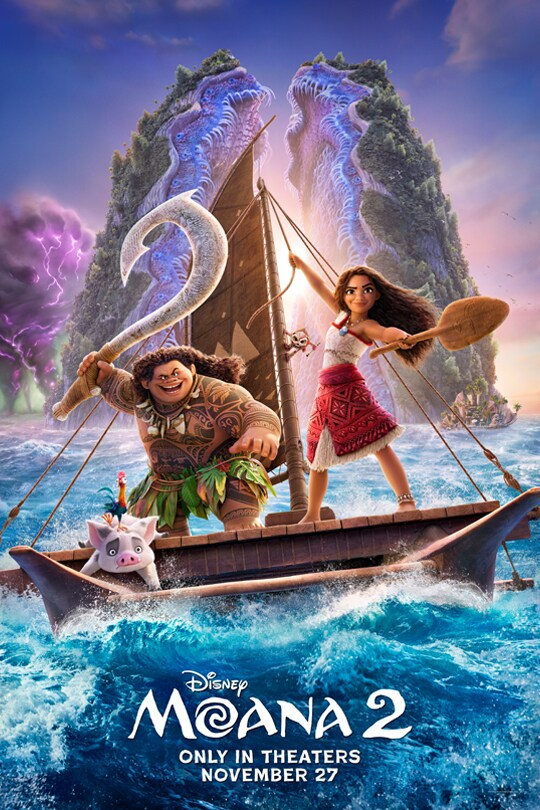
If you want to imagine the future, picture pregnant cross-eyed Moana stamping on a human face, forever.
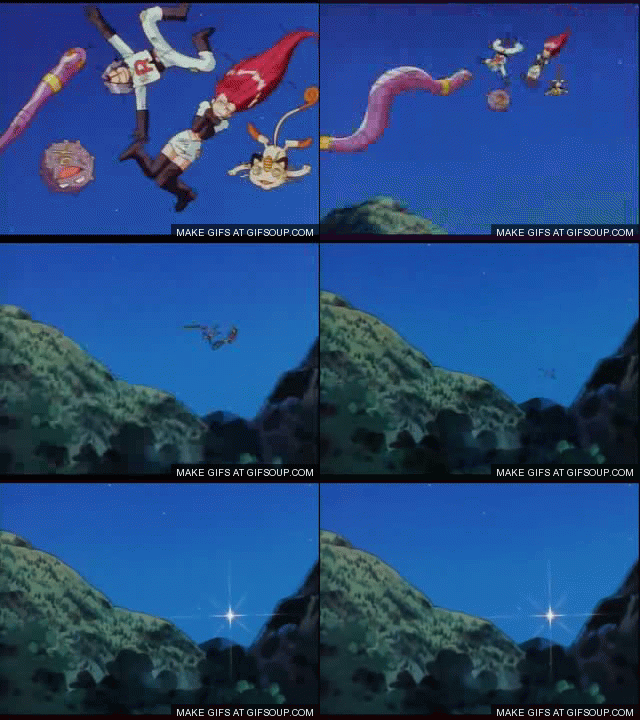
Look, I know everybody idolises the first decade they can properly remember but this is different. The nineties really were awesome. The Cold War was over, the War on Terror hadn’t started, we’d fixed acid rain and the hole in the ozone layer (and that whole global warming thing would probably sort itself out) and the only threats to world peace were goobs like Saddam Hussein and Slobodan Milosevic who would occasionally show up to cause trouble before being punted into the air like Team Rocket.
Meowth is Gaddafi fyi.
Plus, the movies, the TV shows, the music. I love this whole era. So I was overjoyed when I finally got my hands on a boxset of the complete Daria, an animated sitcom that ran from 1997 to 2002. Not merely a nineties show, but probably the most nineties show.
And imagine my disappointment on discovering that, like so much nostalgia, it doesn’t actually hold up all that well.
In 1984, two broke young illustrators named Kevin Eastman and Peter Laird were trying to break into comics. Eastman randomly doodled a turtle in ninja attire and the pair decided that it was a Teenage Mutant Ninja Turtle, essentially a madlib of everything that was popular in comics at the time (except for turtles).
They then wrote a silly little issue parodying Frank Miller’s Daredevil run and that, of course, was that.
This one weird joke concept riffing on an incredibly specific moment in comic book history in a black and white indie vanished without a trace, the very definition of a flash in the pan.
Wait, no. *checks notes*
It went on to conquer the goddamn world. To this day, TMNT is quite possibly the most lucrative Western comic book property not published by either DC or Marvel. Third most successful toyline of all time. Seven TV series, seven films, multiple videogames, hundreds and hundreds of comic issues and a metric shit-ton of merch. Which, on the one hand, is crazy.
How did a concept so ridiculous, and so seemingly instantly dated become one of the most successful and enduring pop culture phenomena of the past half century? Well, success has many fathers. Firstly, I think the franchise’s longevity was sealed with this:
A theme tune that catchy only comes around once in a blue moon. Play it over NINE SEASONS and it’s practically brainwashing.
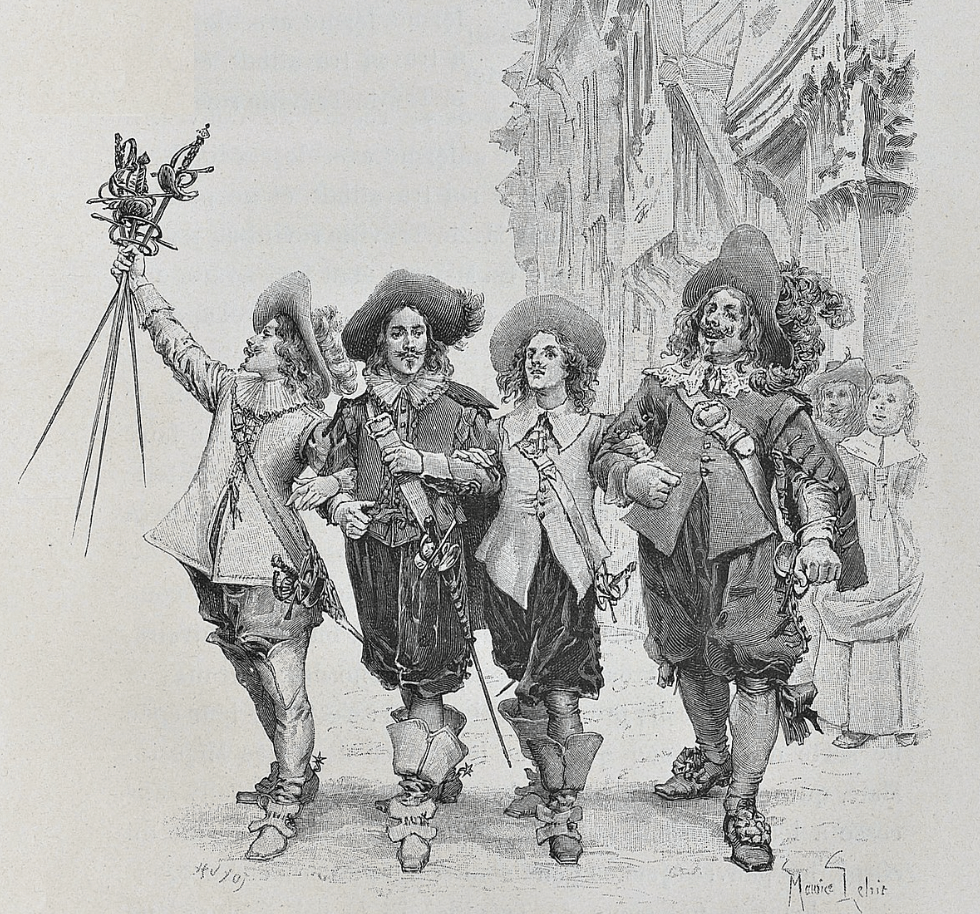
Then there’s the fact that TMNT relies on a template that has proven to be amazingly durable over the last 180 years.
Hothead. Stoic Leader. Smart Guy. Big fun doofus.
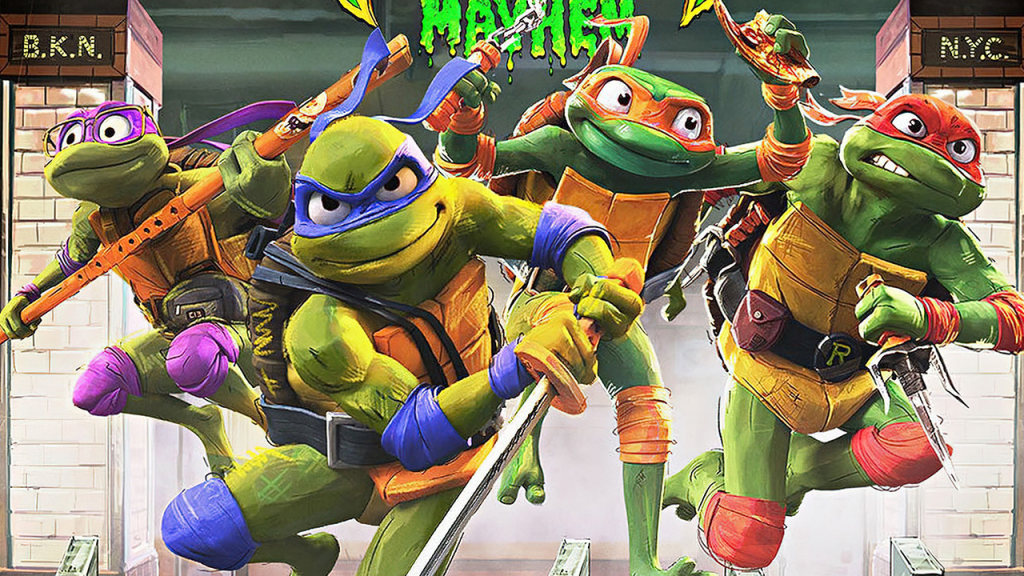
The Musketeer Archetypes are like the Four Chords of character writing. They’re bloody everywhere, but they’re there for a reason. They work, dammit. And these character traits (Leads, Does Machines, Cool but Rude, Party Dude) hold true across virtually all interpretations of the characters which gives continuity across the franchise. But, and this is crucial, with that stability and continuity there also comes incredible plasticity. The Turtles fandom is fantastically diverse in terms of its age range and that’s because TMNT can be this:
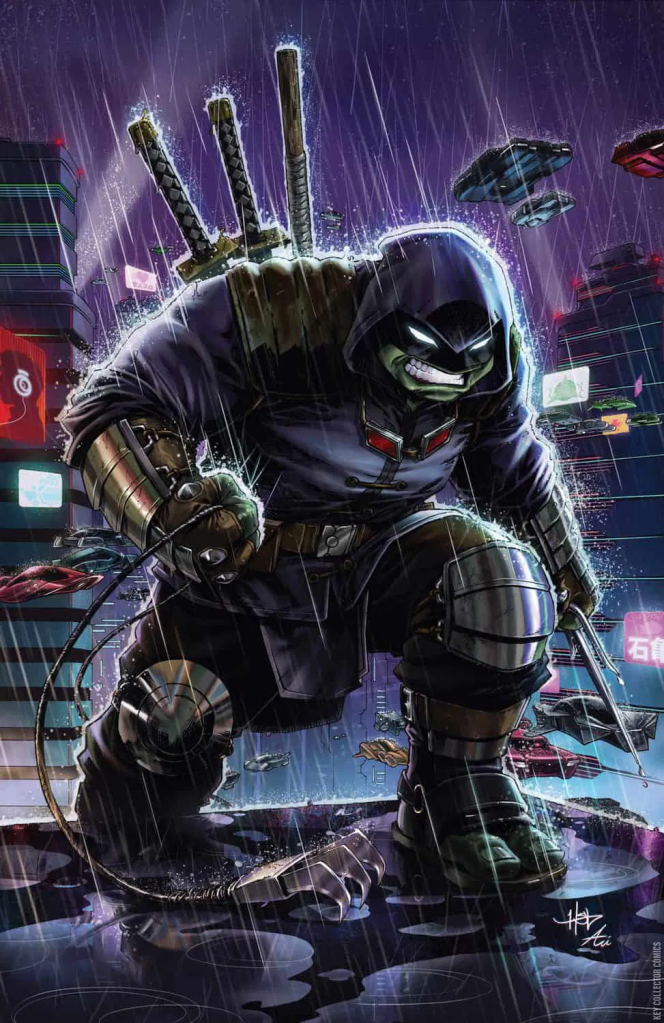
Or it can be THIS:
Once you get past the initially (very, very, very) silly premise, the Brothers Turtle can grow with their audience. There’s stuff for kids and there’s also stuff for adults. So, class, where have we heard that before? A character that has a rock solid core that’s also surprisingly adaptable and can tell stories for any and all ages?
So before we go any further, I owe you all an apology. I know I said I’d be reviewing Turtles Forever but you need to know three things:
My DVD of Turtles Forever didn’t arrive in time (that’ll teach me to support physical media).
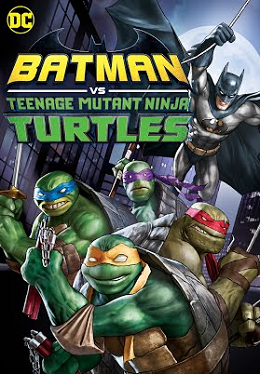
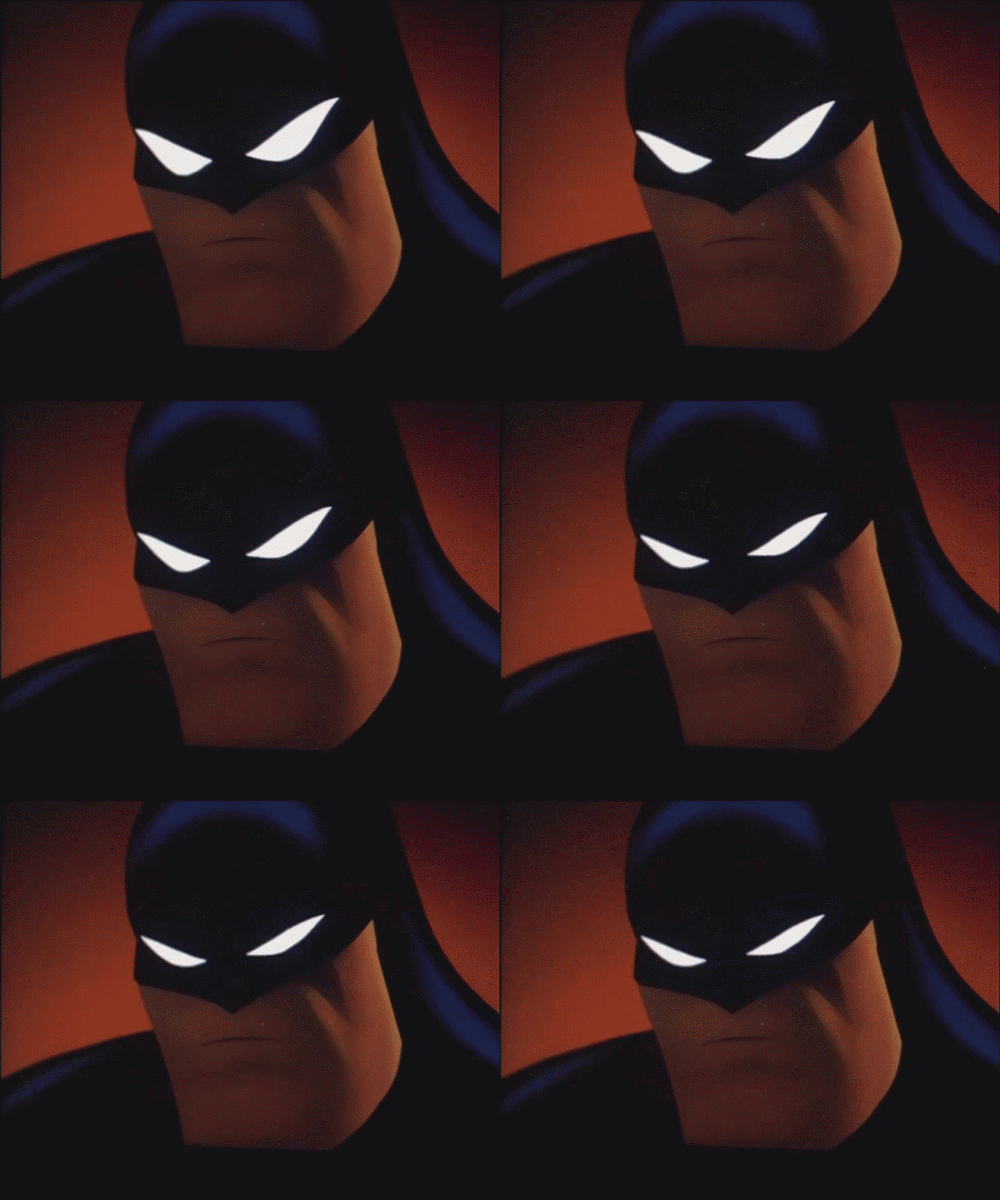
There’s a Turtles movie with Batman in it, how am I NOT going to review that?
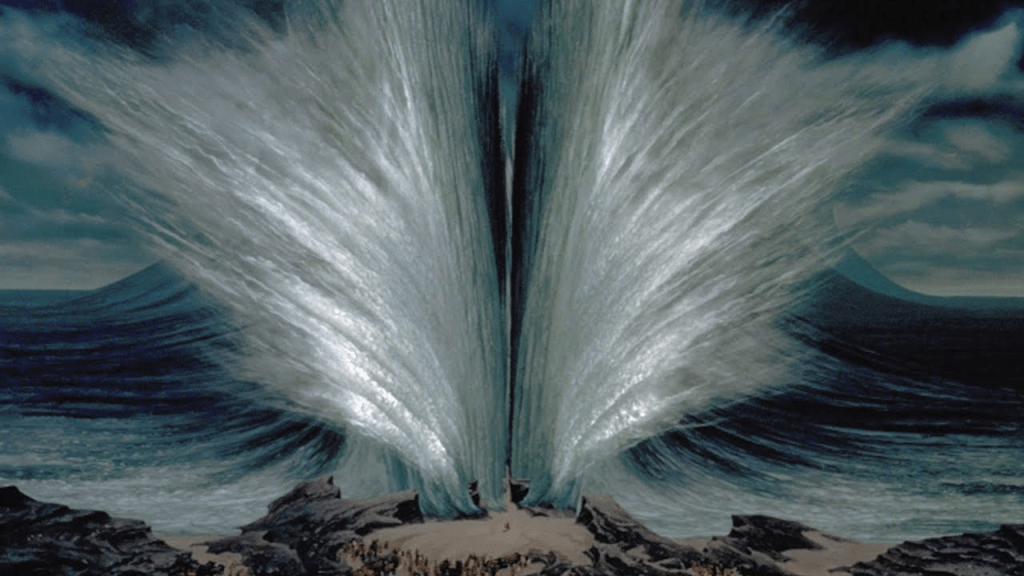
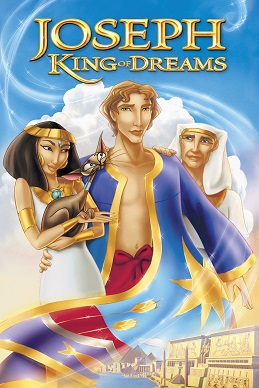
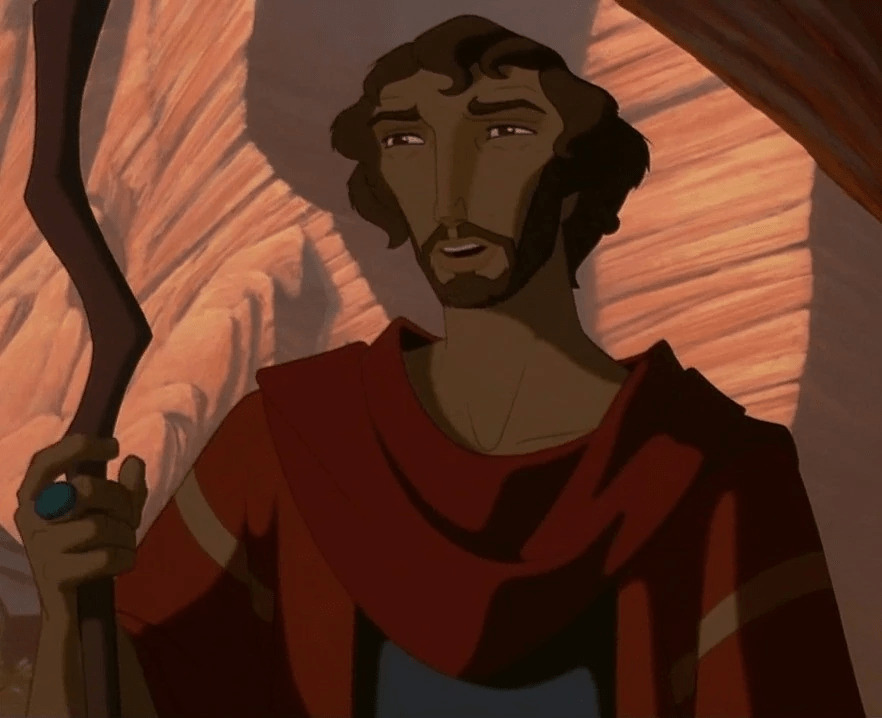
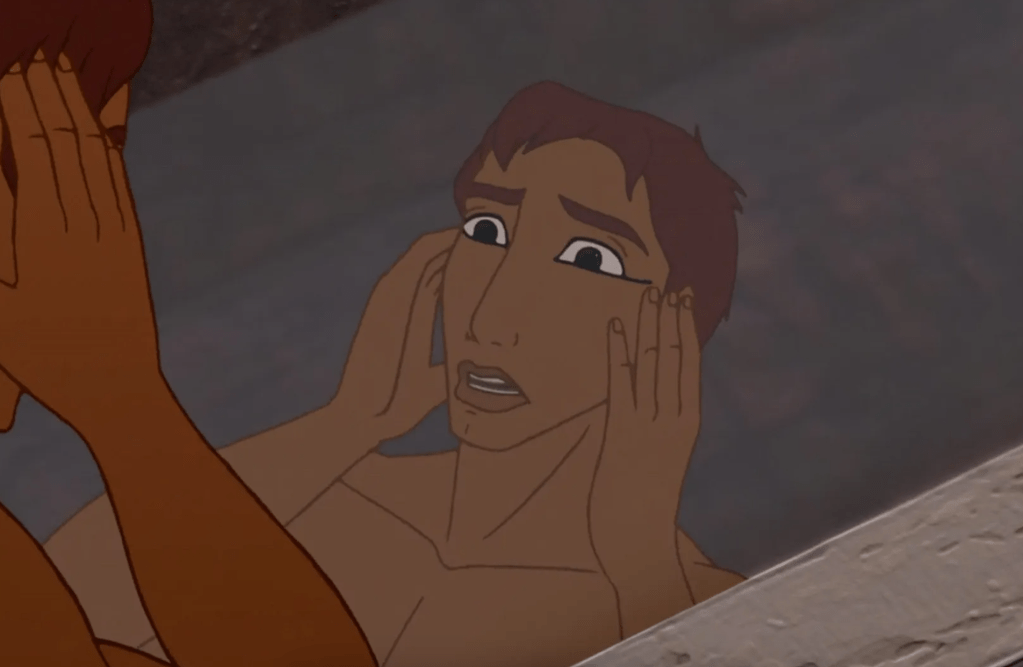
1998’s Prince of Egyptis what you might call a hard act to follow and the first thing any discussion of Joseph: The King of Dreams should stress is that it is neither fair nor productive to compare the two. But I’d argue there is actually a lot to learn from putting the two movies side by side.
I’ve always believed that, when it comes to animation at least, “cheap” is not the same as “bad”. Obviously, a generous budget is rarely a detriment but plenty of animators have put out stunning work on a shoe-string. And plenty of movies had absolutely scads of money thrown at them and still managed to look like something that the cat puked up on the rug. What makes the Dreamworks Torah Cinematic Universe so instructive is that it’s two movies created at the same time by largely the same team of artists, just with very different budgets. King of Dreams was, like Return of Jafar, intended to be a straight to video sequel (or prequel in this case) of a much bigger, much more-high budget theatrical release. But, Aladdinwas done by Disney Feature Animation and Return of Jafar was palmed off to Disney’s TV animation studios in Australia and Japan. By contrast, King of Dreams was animated concurrently with Prince with Egypt, and by the same team of animators. This makes the two movies a fascinating case study, showing how much a budget matters in determining quality and also how much it doesn’t.
Because yeah, I’m not going to sit here and tell you that the two movies are equally beautiful. Clearly they’re not.
And yes, the wonderfully detailed, semi-realistic style of human animation that Prince uses is absolute murder for the King of Dreams team trying to render it with less time and resources and it does sometimes end up looking a little janky. But honestly, more times it doesn’t. My point is, I honestly love this film for how hard it tries and frequently succeeds in escaping the creative ghetto. This is a straight to video cartoon sequel. Hell, this is a faith-based straight to video cartoon sequel. The fact that it’s not absolutely terrible is an achievement. The fact that it’s good, often touching great, is a genuine miracle.
You know that old saw about walking down a beach that represents the different times of your life and seeing God’s footprints beside yours? I kinda feel that way about animator Phil Nibbelink.
I knew it not, but he was there during The Fox and the Hound, The Black Cauldron, The Great Mouse Detective, Who Framed Roger Rabbit, Oliver & Company and American Tail: Fievel Goes West. Nibbelink worked on all those films and many others. This is a guy who has spent years at the very top echelon of American animation. And, around the turn of the millennium he and his wife formed Phil Nibbelink Productions to make their own independent animation without having to debase themselves before the Hollywood suits. This, mind you, puts me in a hell of a bind.
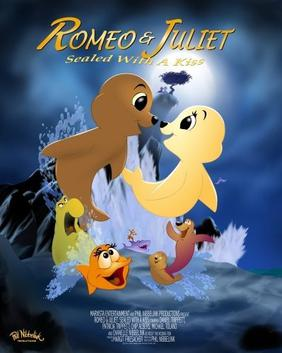
Because, I want to like Romeo & Juliet (Sealed with a Kiss) very much. This is an independent feature length film animated entirely by one possibly insane man. Nibbelink drew every cel of this. Himself. On a goddamn tablet. Over four years. That is, by any metric, an absolutely phenomenal achievement. Simply by dint of existing this film deserves a standing ovation and as many panties flung at the stage as can be thrown without damaging the structural integrity of the theatre. The movie is amazing. Incredible. Unbelievable. But is it good?
Something I’ve come to realise is that most people only have the time and energy to get really good at one thing, if they even manage that. Nibbelink is a phenomenal animator. Now, I could show you scenes from Sealed with a Kiss, and you probably would not be that impressed. And yes, the models are extremely basic and the animation is around the level of a mid-budget TV animation. But again, this is one man doing this with next to no resources and the fact that everything moves smoothly and crisply and stays on model is a goddamn miracle. So make no mistake, when it comes to animation Nibbelink is a powerhouse. But making a movie requires him to be not just an animator but a director, screenwriter, casting agent and editor. And, like I said, most people can only be very good at one thing.
Watching this thing, part of me was saying to myself “oh, like you could do better?” and another part was answering:
I think, first and foremost, I’d have had the sense to recognise that the play about the 16 year old who seduces a 13 year old, kills two people and then commits suicide right before the 13 year old stabs herself to death on his corpse is maybe not the best source material for an all ages cartoon.
Titus Andronicus, now THERE’S fun for all the family.
I don’t know what Makoto Shinkai has against me but for some reason his reviews always show up on my schedule precisely when I have the least time to write them. Maybe he heard that I don’t particularly like trains or weather.
“Bastard!”
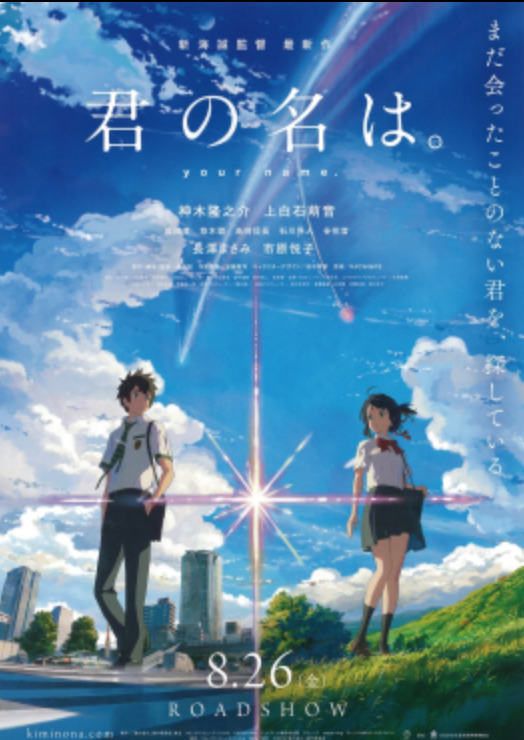
Anyway, this is the third movie of his that I’ve reviewed and, while I didn’t really love either of his previous offerings things are at least trending positive. I liked The Garden of Words quite a bit more than 5cm A Second and I like Your Name quite a bit more than either of them. I appreciate that “I like it okay” is so muted a response to this particular film that it might as well be scathing critique but…I dunno guys, I don’t know what to tell you. Shinkai’s stuff just leaves me kinda cold. EDIT: I wrote this opener before rewatching the film and I’ve since warmed to it quite a bit, as you will see.
But yeah, this movie is a huge deal. It was the most successful non-Western animated film of all time when it released, unseating Spirited Away in its native Japan before going on to conquer most of Asia.