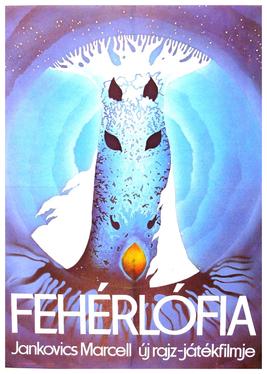
Because the experience of watching Son of the White Mare again could never top the experience of watching it for the first time.
And you know what’s crazy? This is…drumroll please…my final reader’s request. And the reason I left this one to last was because the requester simply asked me to review “something Eastern European” and I just chose this because it looked interesting. I picked this one almost at random.
Back around the time the first eukaryotic organisms were developing on the Earth’s sea floor, I coined the term “Tar and Sugar Movies” to describe the earliest films of the Walt Disney Animated Feature canon. I chose the name in reference to the often jarring tonal shifts between cloying cutsiness and shocking darkness of those films. In retrospect though, I think I got it wrong. The true Golden Age of the Tar and Sugar aesthetic was not the late thirties and forties, but the nineteen eighties.
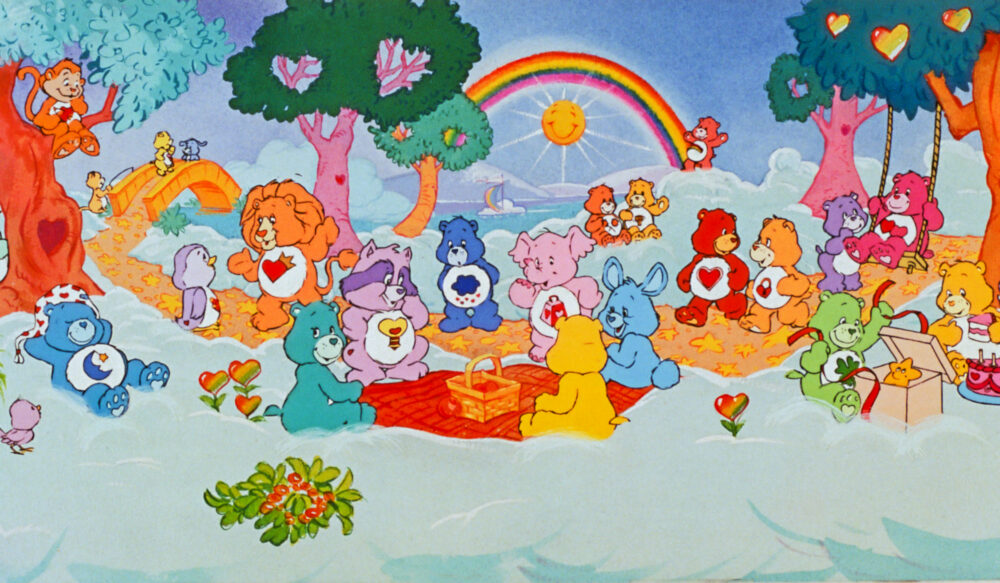
Here is the typical eighties cartoon experience:
“Golly Gee! This sure is a fun picnic! I just hope that mean ol’ Lord Hexxodrexx doesn’t show up to spoil everything.”
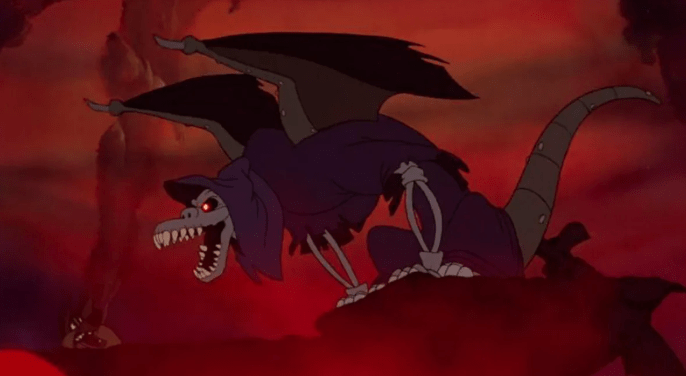
“I HAVE COME TO DEVOUR YOUR FUCKING SOULS!!! GRAAAAAAAA!!!”
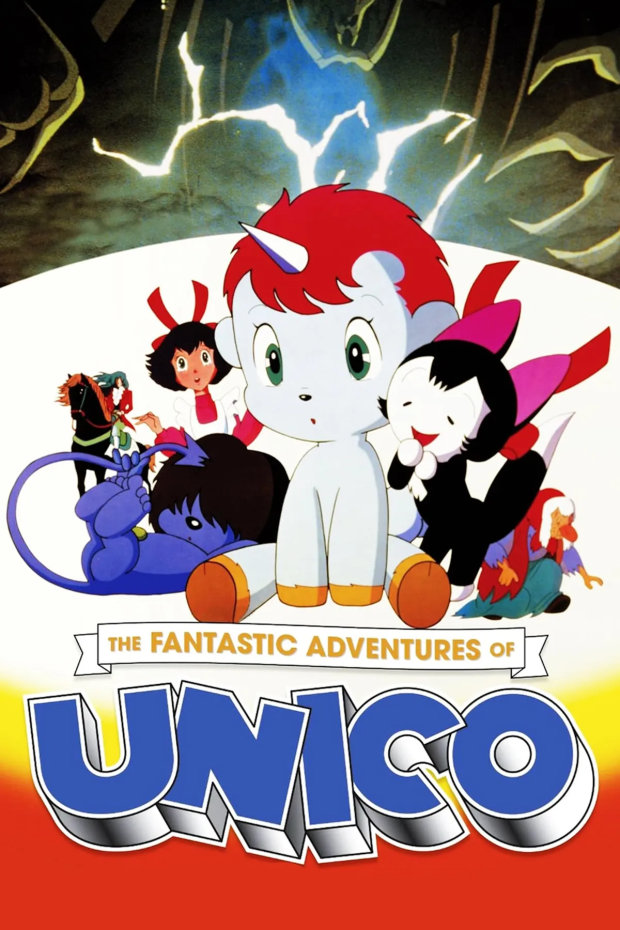
And I think, with today’s movie, I may have found the ultimate Tar and Sugar movie. And, as in most things in this life, they do it better in Japan.
I don’t have to introduce Osamu Tezuka by this point, do I? Born in 1920s Osaka, created manga and animé as we know it, the Japanese Walt Disney, one of the most influential animators of all time you know all this. He was also quite possibly one of the most prolific creators in history, writing and drawing well over 700 manga series in his lifetime encompassing virtually any genre you could think of and targeted at every possible age demographic. The basis for today’s movie was the children’s manga Unico, about a cute little unicorn who has magical powers that he uses to bring happiness and joy to everyone he meets.
Well, I’m sure there’s no way that could possibly take a dark turn.
You know the thing about the dinosaurs? It’s really, really sad when you think about it.
These beautiful animals lived for millions of years and then one day, literally one day, their world turned into a flaming hell and they died horribly. And they never understood why.
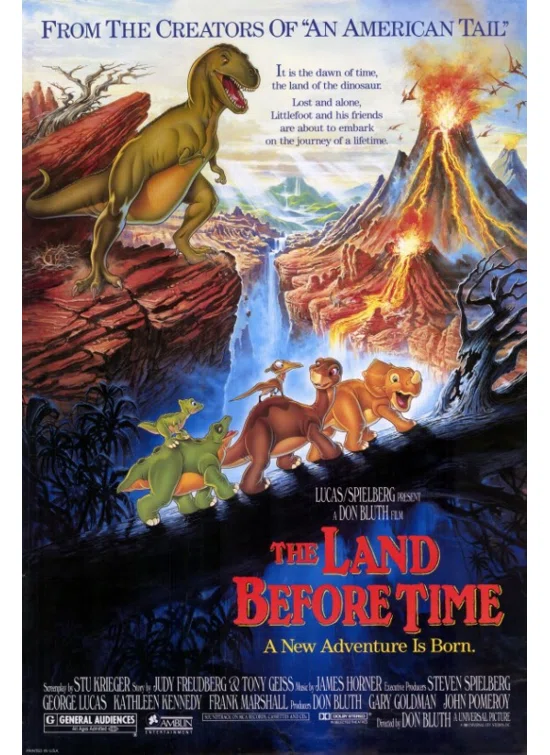
I was thinking about that a lot as I sat down to re-watch Don Bluth’s third film, The Land Before Time, and the last one he made before parting company with Stephen Spielberg. On one level, this is the least personal of Bluth’s early, pre-sellout films and the one that he had the least real affection for. Whereas Secret of Nimhand An American Tailwere true collaborations, The Land Before Time seems to have been the point where Spielberg (and new producer George Lucas) really took the reigns and Bluth was more just the guy who animated what the execs wanted. Story-wise at least. Whatever you think about him as a film-maker, Bluth had a tendency to stamp his work very strongly and it does still very much feel like one of his films in terms of atmosphere, if not necessarily subject matter.
This feels like it came from Spielberg. Is that just me?
Bluth’s films are famously dark and melancholy and I think that’s why this one works.
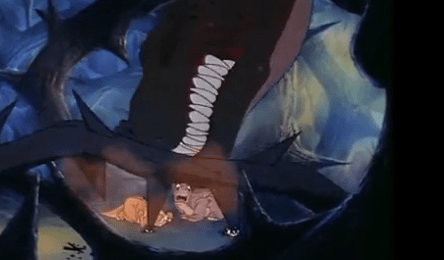
More than any other movie, this one captures the essential truth that any story about dinosaurs is a tragedy.
The Lord of the Rings really shouldn’t work, should it?
Nine hours of wandering around in a made up fantasy world with tons of different factions, fake languages, dozens upon dozens of characters and a story drawing on thousands of years of fictional history, it should be a series that only the most hardcore nerds would have any interest in. So why is it so popular?
I think it comes down to two things:
Complexity resting on simplicity.
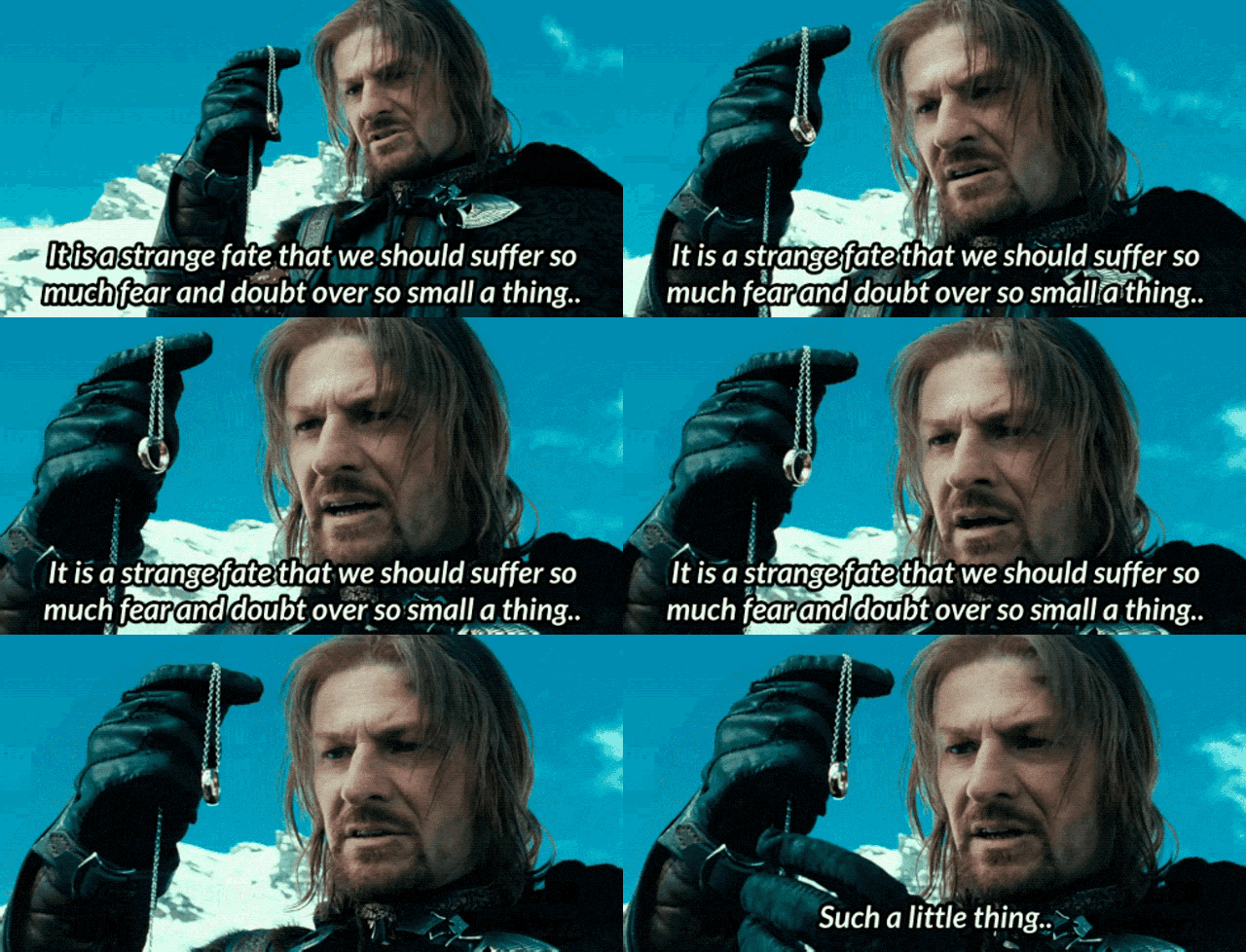
The Ring is not just a Ring.
The story of Lord of the Rings is fiendishly complicated but it all relies on one very small thing.
Frodo must destroy the One Ring. That’s the key to understanding everything that happens in the movie. Every other character’s story and motivations somehow branch off from that one central spine: Frodo must destroy the One Ring, everyone else is either trying to help him or stop him. Huge complexity resting on something very simple.
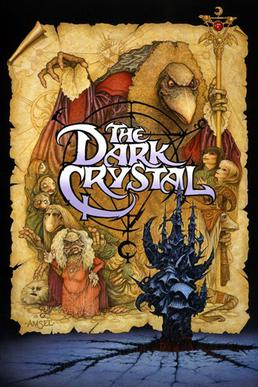
So what’s all this got to do with The Dark Crystal?
At some point in the early eighties someone in Hollywood (possibly Stephen Spielberg) decided that the children must be made to suffer.
I don’t know what it was, but the eighties were an absolute Golden Age for media ostensibly aimed at children that seemed “aimed” more like you’d “aim” a psychological terror campaign against an enemy army.
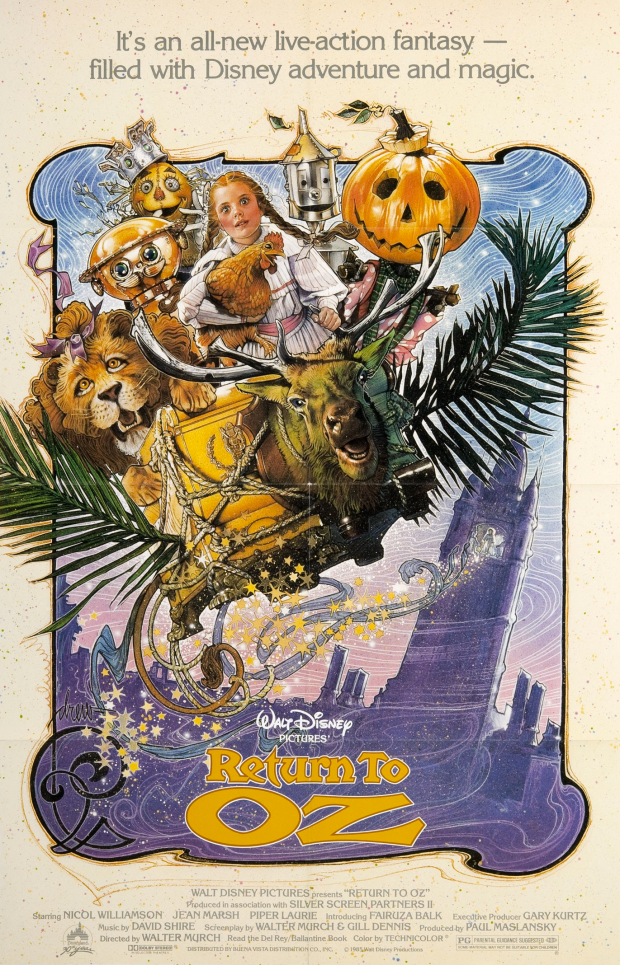
And atop any list of eighties kid’s movies guaranteed to traumatise your little angels you’ll find 1985’s Return to Oz a movie that I never saw growing up, presumably because my parents knew that if they tried to take me to it the cinema would never not smell of piss again.
My wife, however, has seen it and has kindly agreed to watch it with me…
“Hahaha no she hasn’t. Fuck off.”
‘Till death do us part my ass.
Alright, what is this thing anyway?
1939’s The Wizard of Oz is regarded by many to be the greatest movie Disney ever made, which tears them up inside because they didn’t actually make it. L. Frank Baum’s been dead a long ass time and if you want to make a movie based on his Oz books you just knock yourself out because they’re all in the public domain. But so much of what people associate with the Oz story comes not from the books but from the movie, which is still owned by MGM. Which means you gotta be real careful when making your own movie that you don’t impinge on any of the unique elements of that film like the ruby red slippers or the famous dialogue or Margaret Hamilton’s Wicked Witch of the West or else MGM will send the big lion around to eat your feet.
Of course, Disney would love to make their own direct sequel or remake to the Wizard of Oz but they can’t because a certain company lobbied hard and dirty to ensure that movie copyright in America lasts until roughly the heat death of the universe.
Ah karma. Sweet as mother’s milk.
Anyway, that’s more or less how we got Return to Oz. It’s a sequel based on an amalgamation of two of Baum’s later Oz books that the filthy Oz casuals among you probably didn’t know even existed. And rest assured, if it is shamelessly aping an older film, it’s definitely not Wizard of Oz.
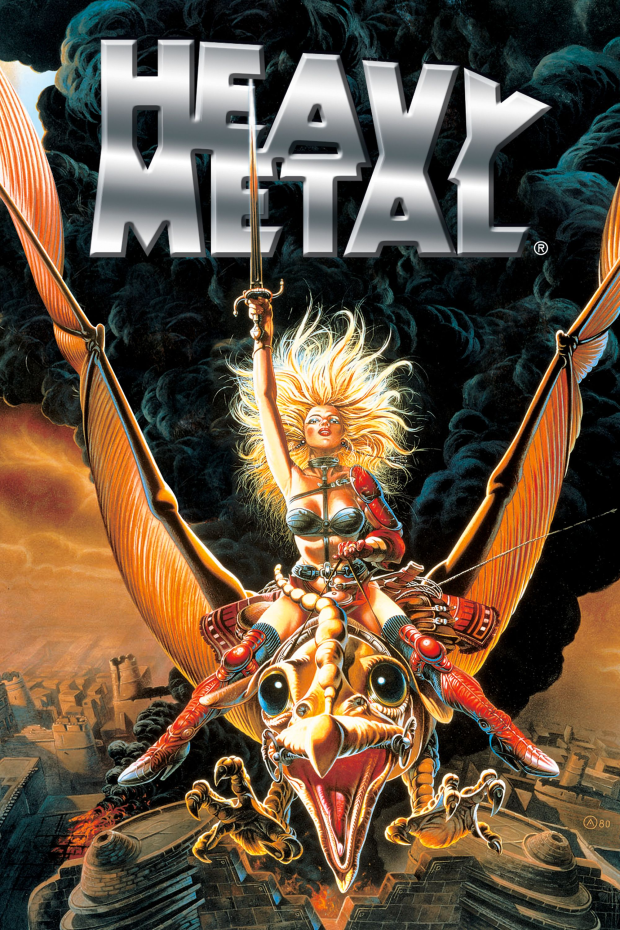
Heavy Metal began in 1977 as an American translation of Metal Hurlant, a French science fiction fantasy magazine that featured seminal work by such legendary creators as Moebius, Enki Bilal and Jean Claude Forest and had a massive influence on the entire comic book medium because TITS.
Was there some genuinely thought provoking and visually spectacular sci-fi in its pages? Absolutely! Playboy also published plenty of great articles, what’s your point?
Heavy Metal, the 1981 anthology animated film that adapts many of the magazine’s most iconic stories, has tits. It has many tits. It has big tits and small…actually no, it only has big tits. In the ancient swamp of the pre-internet age, that really was enough. The marketing campaign could literally have been the words “CARTOON BOOBS, YA DIG?” plastered on every available surface and this movie would have been a success.
But for a jaded, modern reviewer who sees boobs once (maybe even twice) a month, it’ll take more than that. So, is there more to Heavy Metal than awesome bewbage? Let’s take a look.
Imagine you go to a Burger King and the guy at the counter serves you with a smile, promptly brings the food to your table, thanks you kindly for your custom and wishes you a good day. Someone, in short, who doesn’t have to put nearly this much effort into their job but does it anyway because, gosh darn it, if you’re going to do a job you might as well do it well.
That’s Nelvana. Nelvana is an extremely prolific Canadian animation studio who produced basically any cartoon you saw in the eighties or nineties that wasn’t made by Disney, Hanna-Barbera, Filmation or Warner Bros. They’re probably most famous (if you’re my age, at least) for their many, many licensed animations for properties like Care Bears, Strawberry Shortcake and My Pet Monster. Nelvana were front and centre in the saccharine, corporatised swamp that was the American TV animation scene in the Reagan era. Like many of their peers, Nelvana had to make ends meet in the burger joint by cranking out barely concealed animated toy commercials. Unlike many of their peers, Nelvana actually seemed to give a damn. Their shows were, broadly speaking, better than they needed to be and demonstrated real skill and craftsmanship in their animation. There were always hints that, if given time and a budget and a premise slightly less anodyne than “Will Grumpy Bear ever get that stick out of his ass?”, Nelvana had the talent to make something truly special. And, if ever there was a time to do it, it was the early eighties.
The late seventies/early eighties were the “Warring States” period of American Feature Animation. The senile old king, Disney, had fallen from his throne and seemingly every animator who could hold a pencil was scrambling for the crown. This was the heady time when Rankin Bass, Ralph Bakshi and Don Bluth battled for control of the artform, right up until 1989 when the old king came back and was like “I’m feeling a lot better now everyone, thank you for your concern“.
But all that was in the future. Nelvana was formed in 1971 by Patrick Loubert, Clive Smith and Michael Hirsh with the stated intent of creating a Canadian Disney.
“You fucking hoosers, eh?”
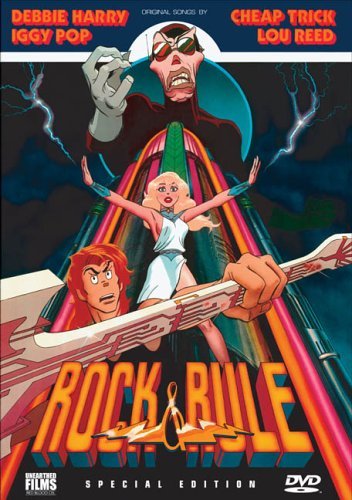
After several well received Christmas specials and animating literally the only part of the Star Wars Holiday Special that deserved to be spared the flame (the cartoon that introduced Boba Fett), the studio began work on their first feature length animation; Rock and Rule. It’s an obvious passion project, clearly made by a young team just bursting with talent and ambition and love for what they were doing. It’s also something that was very obviously begun without a complete script or even a set plot. It’s weird. It’s uneven. It’s a wild, uncontrolled shambling mess of eighties animation that failed when it was dumped into theatres with no marketing by a distributor that neither loved nor understood it. Which obviously means that it was made for me, Mouse, personally.
“I shall take this movie, and raise it as my son.”
I know, I know, I know I said I’d do Black Widow. But that was before I realised a couple of very important things:
Not doing a horror themed post on Halloween is super lame.
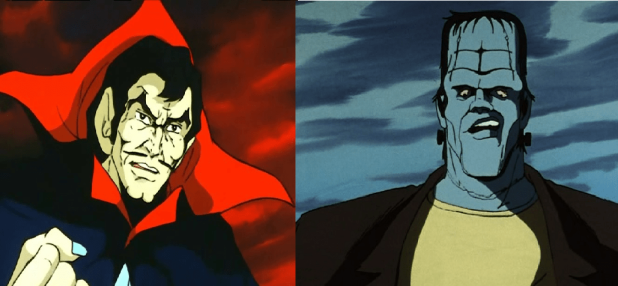
In the 1980s Toei animation did two animé movies based on Marvel’s versions of Dracula and Frankenstein.
One of these movies is regarded as one of the worst animé ever made, which, as you can imagine, is a title with competition that is not merely “stiff” but positively turgid.
Both of these movies are just sitting on YouTube, misshapen shambling things made and then abandoned by their creators to the cruelties of an uncaring world like…someone…I can’t think of a good analogy right now.
I mean c’mon! A crappy animated Marvel Bats versus Bolts on Halloween? How could I not?! I was BORN for this post. Seriously, this is what it’s all been leading to. My magnum opus. My masterpiece.
Our story begins in the late seventies when Toei Animation acquired the rights to the Marvel comics horror series Tomb of Dracula and Monster of Frankenstein. Now, I know what you’re thinking: Who the hell buys the rights to a property based on Dracula or Frankenstein? That’s like paying for a Pornhub Account. They’re public domain for chrissakes! Why not just do your own version of the characters? Well, friends, you’re missing a crucial piece of relevant context, namely that Tomb of Dracula and Monster of Frankenstein were the mutt’s nuts. TOD in particular was one of the very best comics produced by Marvel in the seventies, with one of the all time great portrayals of the Count in any medium. From this acquisition came today’s movies Dracula: Sovereign of the Damned and Kyōfu Densetsu Kaiki! Frankenstein. They are…my God. Words fail me…
These movies are special. They are dear to me. Come, come.
Here we go again. Every so often I’ll have a moment where I’ll go “Have I really been blogging about animation for X number of years without covering Y?” and this one’s a doozy.
So, ahem.
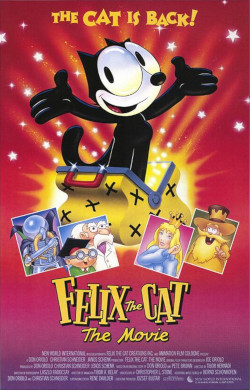
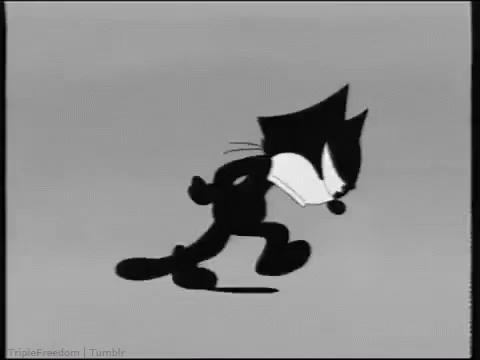
Have I really been blogging about animation for nine years without covering Felix the Cat? Because Felix the Cat is a pretty damn big deal in the history of animation.
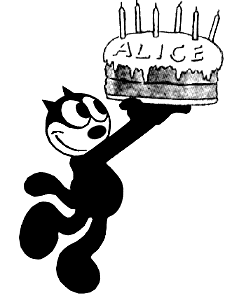
Not the first cartoon character, but the first cartoon star, the first cartoon character able to draw a crowd on name recognition alone. The character was created in 1919 by Australian animator Pat Sullivan.
Or, as is now accepted by a majority of animation historians, by one of Sullivan’s animators Otto Messmer.
Honestly, researching this post taught me that Pat Sullivan was what people think Walt Disney was; a talentless credit-stealer and a nasty racist to boot. Anyway. Sullivan’s studio produced a rake of silent Felix shorts in the late teens and throughout the twenties and Felix was, for a time, a full on pop culture phenomenon. And you know what? With good cause. While simple, these shorts have a real charm and wit and I honestly think they hold up a lot better than a lot of later cartoons by Disney and Warner Bros from the early talkie era.
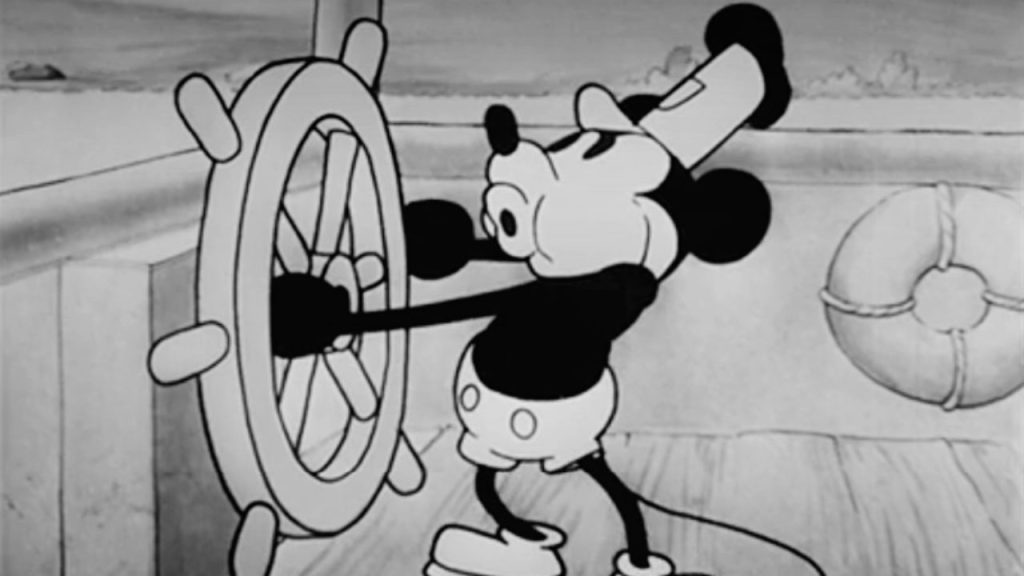
These shorts were also hugely influential on the field of animation in general, with the basic precepts of Felix’s design going on to influence American and Japanese animation right up to the present day, setting the template for characters as diverse as Mickey Mouse and Sonic the Hedgehog. And some people didn’t even bother with being “influenced” and just straight up fucking stole it.
Pictured: Julius the Cat, Walt Disney and Ub Iwerks’ TOTALLY ORIGINAL CHARACTER.
But, by the end of the twenties a sinister new threat had emerged to challenge Felix’s place as the world’s preminent cartoon character: SYNCHRONISED SOUND.
Hear my dark melody, Cat. I whistle your doom.
Sullivan resisted the switch to sound for as long as he could, but eventually caved and started producing sound Felix cartoons. Unfortunately, these cartoons did not use synchronised sound and instead were pre-animated with music, dialogue and sound effects being added in post-production, which results in what animation aficionados call “really crap cartoons”. The new series of sound Felix cartoons were cancelled, the studio shuttered and Pat Sullivan spiralled into an alcoholic depression brought on by the death of his wife and died in his forties Jesus Christ that got so bad so fast.
A brief, utterly Disnified run of cartoons by Van Beuren studios in the thirties notwithstanding, Felix was seemingly a defunct property. Having failed to transition to the sound era, Felix disappeared from public view, presumably to a rambling mansion on Sunset Boulevard where he could brood and slip into obsession and madness.
“I know you! You’re Felix the Cat! You used to be big!”
“I am big. It’s the cartoons that got small.”
Fast forward to the 1950s and Joe Oriolo, an animator and artist who’d worked with Otto Messmer on the Felix the Cat comic strip, created the Felix the Cat TV Show. This show was arguably the most influential and famous iteration of the character, introducing a host of concepts and characters that are now inextricably linked to Felix like the magic bag, the Professor and Poindexter. And if you love this cartoon…you do you. Personally I can’t stand it but then I’m pretty non-plussed by mid-century American TV animation as a general rule. But yeah, this series gave Felix his second bite of the super-stardom pie and also launched him to Spinal Tap levels of popularity in Japan.
So why did it take so long for Felix to make the leap to feature length animation? Well Pat Sullivan’s death had left Felix in legal limbo but Joe Oriolo was finally able to get full ownership of the character in 1970, probably because Joe Oriolo was an absolute snack.
“Hey doll, how about you give me the rights to YOUR pussycat?”
Oriolo pére passed away in 1985 but his son Don carried on the Felix legacy, finally bringing a full length Felix the Cat animated feature to movie screen in 1988.
Sorry, sorry, my mistake. The movie was completed in 1988 (using Hungarian animation) but only released in the United States in 1991. Very briefly. Before going straight to video.
Oh, and, fun bit of trivia. Researching for this post I first came across the phrase “abandoned movie”. Felix the Cat has been “abandoned” in the United States. What this means is that Felix the Cat DVDs are no longer sold in America. If you’re in America and you want a DVD of this movie you either have to buy it from overseas or get one of the original run of discs from the nineties which will cost you an arm and a leg.
And I know what you’re thinking!: “Mouse, this film that was animated in a second world totalitarian Communist state whose release was delayed by two years before getting a blink-and-you’ll-miss-it theatrical run and then being consigned to home video hell before being full on abandoned at the side of the road in the new millenium sounds like a really good movie!”
Which is what I love about you, reader. Your unflagging optimism. But I’m afraid I have to crush your hopes with the greatest violence possible. How bad is this movie?
One of the most persistent and unkillable myths in the history of comics is the “saving” of Batman by Frank Miller. You’ve probably heard it. The Batman comics were just a giggling campy mess after the sixties TV show and it was only with Frank Miller’s seminal The Dark Knight Returns in 1986 that Batman became dark and gritty again. Cool story, but complete guano (and one I’m pretty sure I helped spread at a much earlier point in my career as a semi-professional nerd rodent). Truth is, the comics had been pushing back hard against the BIF BAM KAPOW image from as early as 1970 in an attempt to bring Batman back to his roots as a grim, brooding nocturnal hero.
What The Dark Knight Returns did do was bring that darker Batman that was already present in the comics to a much wider audience. DKR was published in 1986, the year that also saw the release of Watchmen, and the release of these two comics in the still relatively new graphic novel format made about as big an impact as it is possible for comics to make.
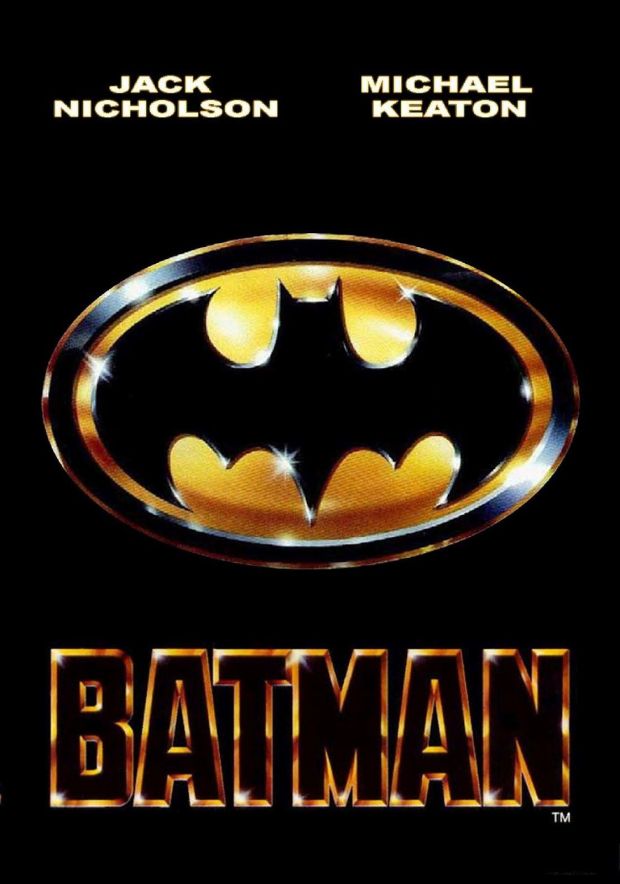
Batman was the first attempt to reframe Batman in the popular consciousness from the Adam West incarnation into something closer to his comic depictions. Did it succeed?
“Yeah. Yeah, just a bit.”
To put it another way, this is by far the single most influential depiction of Batman in any medium in the eighty year history of the character. This movie was where Batman went from “Flagship comic book character and star of a pretty popular TV show” to “Modern Secular God”. In terms of box office, merchandising revenue and pop culture impact it was on the Star Wars tier. “Fine Mouse”, you say. “But what’s it done for us lately? Does it stand up?”
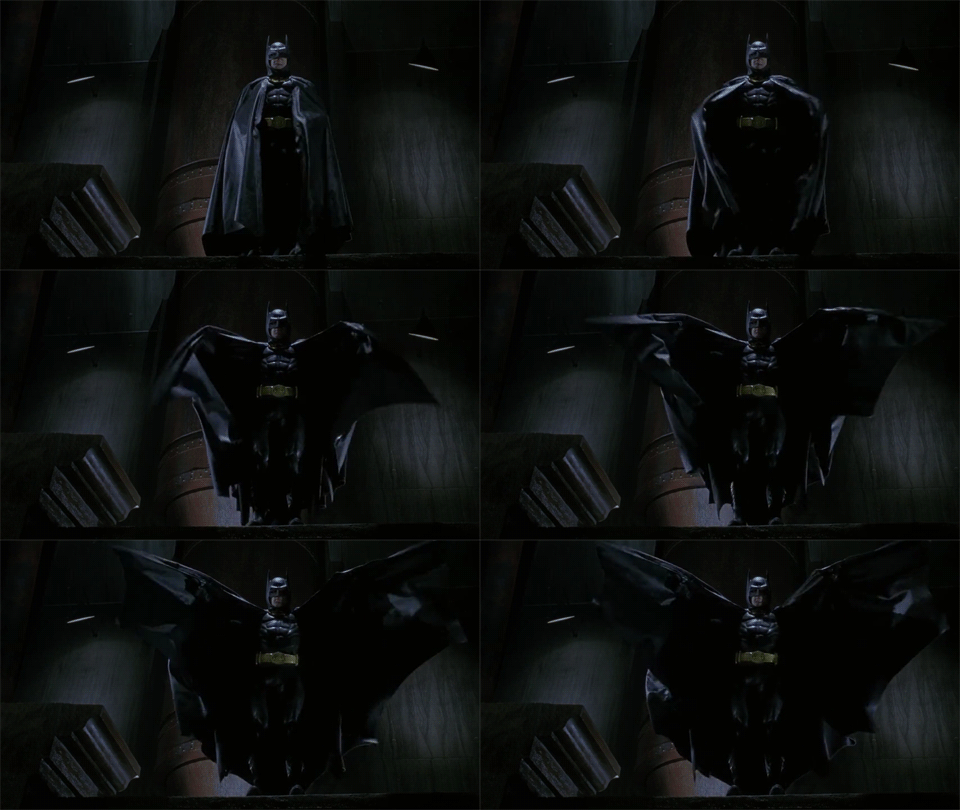
To which I say, “Yes. It does stand up. And then it flaps its wings, like a pretty, pretty butterfly.”





 unshavedmouse