Uncategorized

“Is this what you wanted?”

NOTE: This review was written mostly before the stunning and unprecedented events in Ukraine. If you wish to donate to one of a number of vetted charities to help those suffering due to the criminal actions of the Putin regime, you can do so HERE.

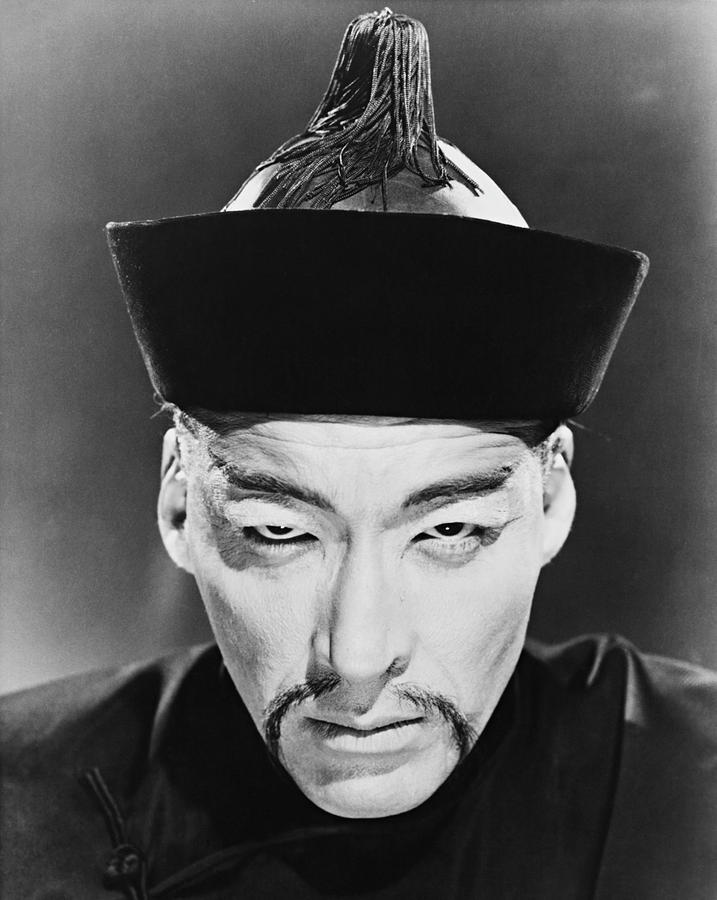
Here’s a challenge for you. Try to find a book, article or blog post about the phenomenon of “Yellow Peril” that does not include a reference to Sax Rohmer’s fictional creation Doctor Fu Manchu.

One of the earliest fictional supervillains, Fu Manchu was a brilliant, devious Chinese scientist and master criminal who sought world domination and was basically the entire concept of the Yellow Peril incarnate in one man. And if you think I’m being unfair to Sax Rohmer, please be aware that the phrase “Yellow Peril incarnate in one man” is a direct quote describing Fu Manchu from the first novel he appears in. He is a hugely controversial creation, and no, not just in these more enlightened times. Fu Manchu has never been uncontroversial and every fresh wave of popularity for the character has prompted massive backlash and accusations of racism which are pretty damn hard to refute as, by his own admission, Rohmer basically just monetized anti-Asian xenophobia and based the character on Bayard Taylor’s notoriously racist descriptions of the Chinese.

But, here’s the thing…Fu Manchu also kinda rules? I mean, he is like Asian Dracula. He is badass. He is cool. He has menace and charisma to burn. He has a moustache named after him. He is a fantastic villain and pretty much codified the whole archetype of the brilliant, dastardly criminal mastermind, even more so than (I would argue) Professor Moriarty. And he has been incredibly influential in film too, having been played by such notable Asian actors as Christopher Lee, Boris Carloff and Nicholas Cage (oh shit, I think we took a wrong turn and ended back in Racism Town).

So on the one hand you have an extremely compelling villain with ninety years of rich history, but on the other hand you have the incredibly uncomfortable creation of the character. It’s a very thorny problem. How do you extricate Fu Manchu from Rohmer and Taylor? Could you do a non-racist Fu Manchu? Is it worth trying? Who would even want to take that on? And how would you go about it?

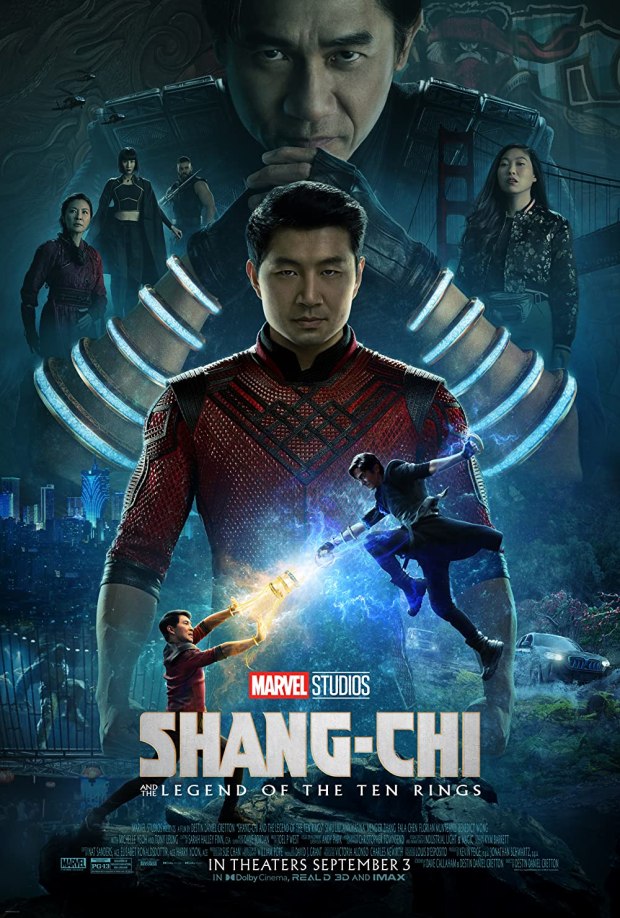
Well, Steve Englehart and Jim Starlin took a crack at it in 1973.

Results were…mixed.

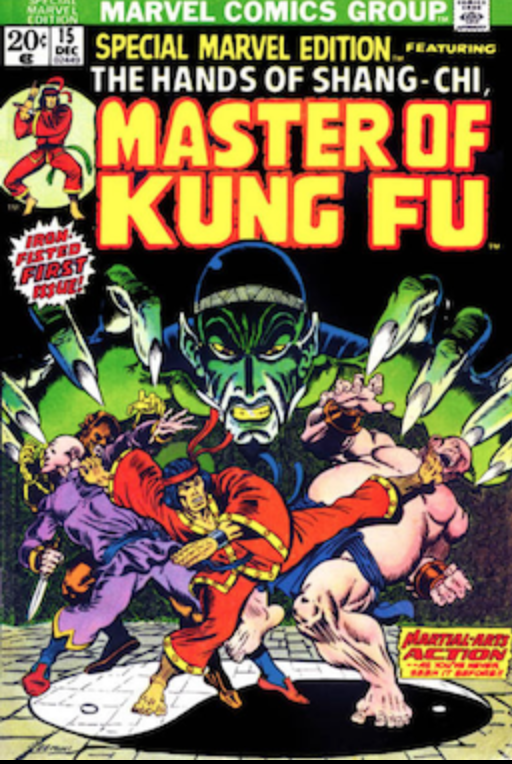
The comic that would eventually become Shang-Chi was initially pitched to DC as an adaptation of the hugely popular TV series Kung Fu starring noted Asian actor David Carradine. DC passed and Englehart and Starlin took the idea to Marvel who agreed to the basic premise of a kung fu themed comic with the following stipulations:

  1. That the main character be the son of Fu Manchu, who Marvel had just acquired the rights to.
  2. That the main character be half-white.

Why 2? Well, Marvel had recently tried to cash in on the blaxploitation craze with their character Luke Cage but had been burned when some Southern retailers had refused to display a comic with a black main character. By making Shang-Chi half white, they hoped to avoid a repeat. Which…how does that work exactly?

“Hello, my good sir! Would you be interested in stocking our new comic, “Shang-Chi: Master of Kung Fu” in your fine establishment?
“Whut? I ain’t stockin no rassin frassin comicky book with no Chinee!”
“Fret not, my fine racist, you see, Shang-Chi’s mother is white for he is the product of racial mixing.”
“Oh that’s fine, I’ll take your whole durn stock.”

Despite that deeply compromised beginning, Shang-Chi went on to become Marvel’s first Asian superstar character, carrying his own book for a very respectable 125 issues (which was only cancelled when Marvel declined to renew their rights to Fu Manchu). While he’s never recaptured the same prominence in the comics that he did during the Kung Fu craze of the seventies and eighties, he’s always been a well respected and popular mainstay of the Marvel universe. So when the time came for Disney/Marvel to turn their all-seeing rapacious eye to the martial arts genre, naturally they first thought of…

Ha ha, be honest. You’d totally forgotten, hadn’t you?

But when the time came for Disney/Marvel to make their second attempt at the martial arts genre, this time with an eye to Asian representation (and absolutely nothing to do with cracking the obscenely lucrative Chinese market they’re perennially eyeing like a dragon’s horde to the point that they will desecrate their own properties and literally collaborate with a genocidal regime just for a chance of making some cold hard yuan and I think need to wrangle this sentence back into shape) they chose Shang-Chi.

(more…)

“Everybody calm down. The X-Men are here. A dated metaphor for racism in the ’60s.”

Well damn, what do I do now?

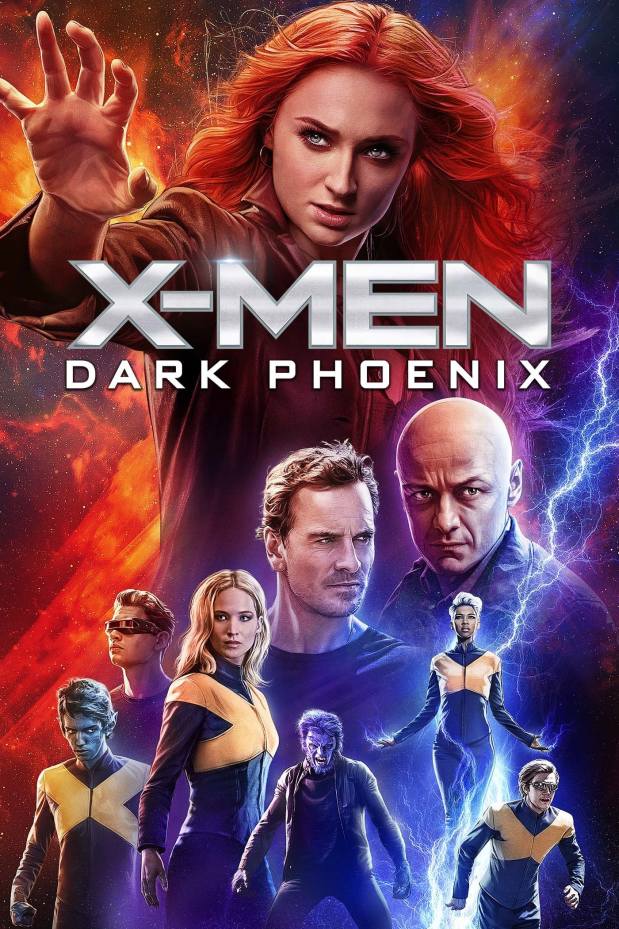
By this point I have the formula for these X-Men review worked out like, well, a formula. A brief look at the history of the characters and storylines that inspired the movie in question, a few thousand words of recounting the plot with a couple of puerile gags masquerading as legitimate film criticism, wrap up, score, bing bang boom.

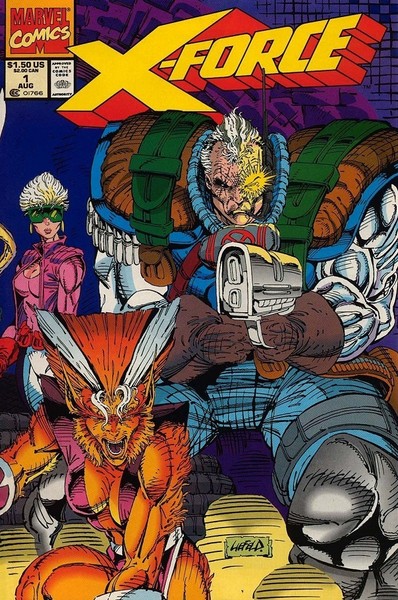
But goddamn, I do not want to talk about Cable and X Force.

Obligatory disclaimer: No bad characters. Only bad writers. Yes, there have been good Cable stories. Yes, I have enjoyed those stories.  Yadda yadda yadda.

But ultimately Cable is not so much a character as an icon. You know, like a bio-hazard sign. He’s the perfect poster child for everything that was just plain bad about the X-Men universe specifically and comics more broadly in the nineties. Masculinity exaggerated and distorted to the point of unwitting caricature. A backstory as incoherent as it is overly complicated. An emphasis on violence and “ends justifies the means” morality that walks riiiight up to the line of outright fascism. Guns, guns, guns. Pouches pouches pouches. Hell, considering Cable’s central role in fuelling the Comics Speculator Bubble it’s fair to say that this character very nearly killed Marvel comics.

five million

Five. Million. Copies. Sold.

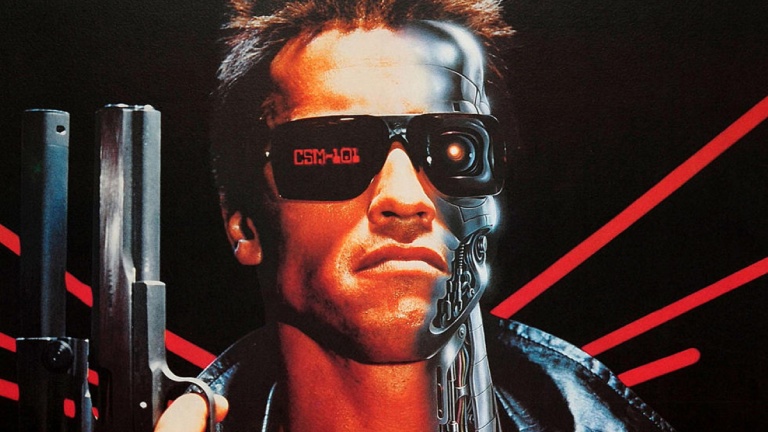
But okay, quick and dirty history of X-Force and Cable. By the early eighties, the X-Men comic book had gone from a weird little also-ran to a sales powerhouse under the creative direction of writer Chris Claremont and artist John Byrne. I’m actually currently in the middle of reading the entire X-Men run in order and, having gotten to this era I can confirm that, yeah, it absolutely lives up to its reputation. But by this point the X-Men had drifted pretty far from its original conception as a school for mutants. The main cast were almost entirely adults and, apart from the fact that they were mutants and therefore faced increased suspicion and prejudice from the normies, they were just a standard superhero team not much different from the Avengers or the Fantastic Four. Marvel editor-in-chief Jim Shooter ordered Claremont to create a new team of young mutants and he came up with the New Mutants. Story goes, Professor Xavier is in mourning for the death of the X-Men (don’t worry, didn’t take) and gets guilted by his ex into recruiting a new team of teenage mutants. The New Mutants was a moody, introspective little book with a cast of emotionally damaged teens learning to cope with depression, trauma and isolation. And then Rob Liefeld took it over and turned it into X-Force, a book about a rip-off Terminator trying to prevent the future by shooting it in the face

terminator

Cyborg with glowing eye travels back in time to prevent a bad future. I feel like this doesn’t get talked about enough.

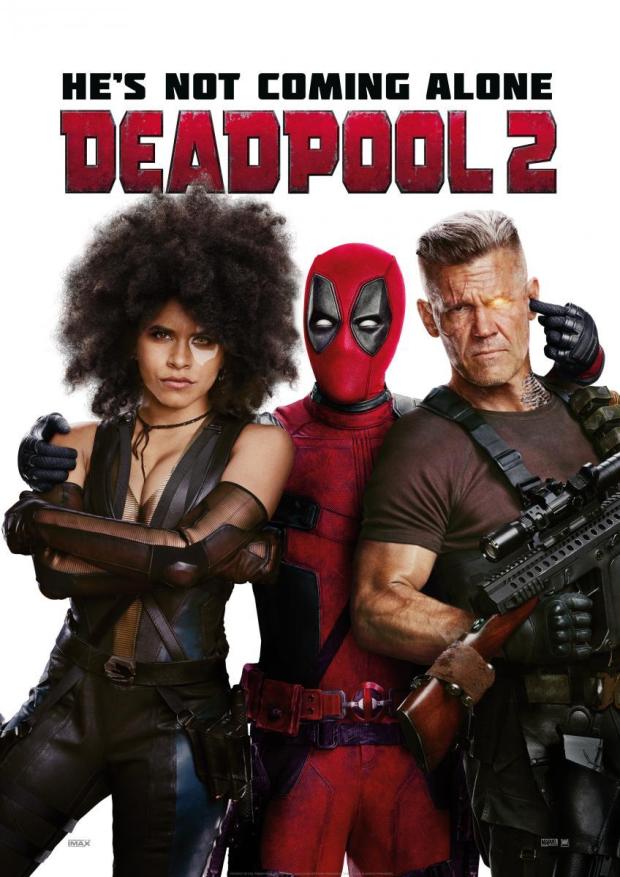
So when in the stinger of Deadpool where Deadpool’s all “Guess what, CABLE’s going to be in the next one!”? Personally, my reaction was:

[Comm] Unshavedmouse alt

“Are you threatening me, sir?”

(more…)

You boy! What day is this?

The Year of Grace 2021 has finally come to an end and I think I speak for most of us when I say: Showed Improvement, Less Virus Next Time.

Still though. Marginally less existential dread this go round and that’s always welcome.

Personally, this was a HUGE year for me. Oh yeah, you know what I’m talking about.

yes_minister_main

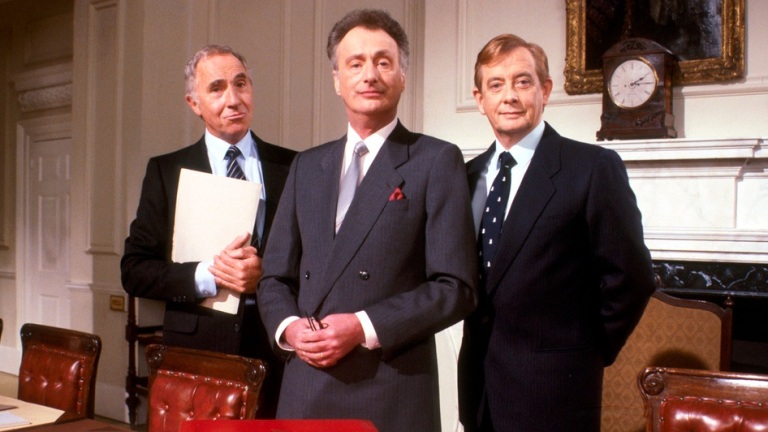
That’s right. I binged the ENTIRE series of Yes Minister.

Oh, and I also finally quit my awful job and published my first novel.

Sarcastic Map of Wartime Europe

“Wow, that wouldn’t happen to be When the Sparrow Falls, currently available in all good bookstores?”

[Comm] Unshavedmouse alt

“That’s the one.”

Sarcastic Map of Wartime Europe

“The same When the Sparrow Falls that was voted one of the ten best Science Fiction novels of 2021 by The Times?

[Comm] Unshavedmouse alt

“Do you know, I think it was?”

Sarcastic Map of Wartime Europe

“Wow! Must have done GREAT at the Hugos!”

[Comm] Unshavedmouse alt

“…”


[Comm] Unshavedmouse alt

“GET OUT.”

Anyway, huge thanks to everyone who read the book, your support means so, so much. Special thanks to Wrath of the Iotians, Cory Doctorow, John Scalzi, Max Gladstone and The Quill to Live crew who were so, so supportive and really went above and beyond promoting Sparrow. Thank you all.

Anyway, movies

In 2021 I reviewed 1 Canon Disney movie, 1 MCU movie, 2 X-Men movies, 1 animé, 2 live action movies, 3 non-Disney animated features, 1 Bats Versus Bolts and 2 animated series.

Yeah, fine, I reviewed fewer movies than probably any year in the blog’s history BUT, you can’t deny there wasn’t a lot of shameless, book related self-promotion (on a serious note, Book 2 has been pushed back to April 2023 due to supply chain issues so I will try to update more regularly).

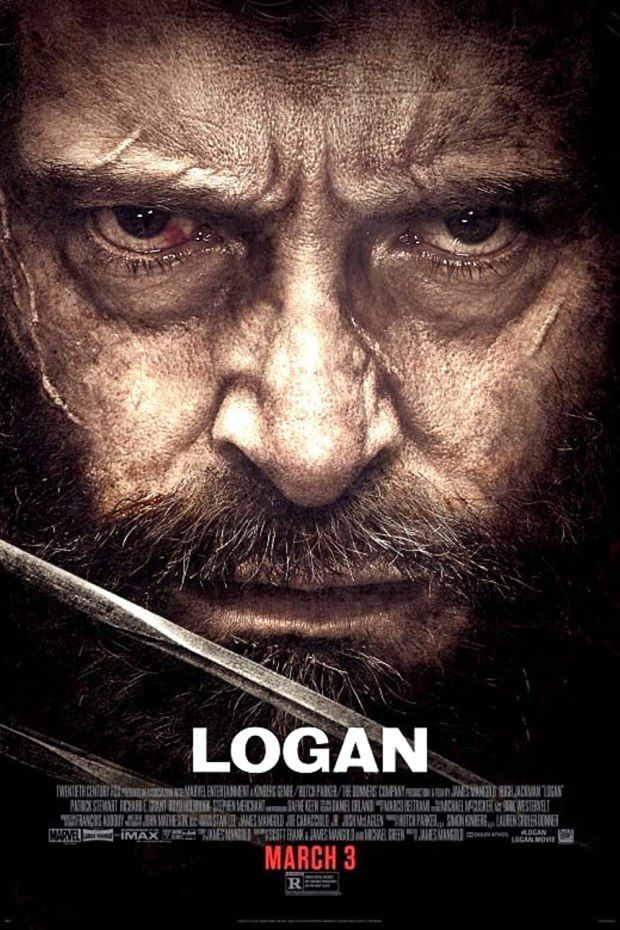
Whereas 2020 represented (I felt), a high watermark in terms of the quality of the movies I reviewed, 2021’s crop ranged from the mostly mediocre to the truly, catastrophically bad. Picking a best movie is a genuine challenge. Logan is one of those really good films that I…just…don’t…enjoy or want to see again so that leaves Evangelion as my pick for favourite movie that I reviewed this year.

Screenshot 2021-10-24 at 22.59.34

I mean, you know I’m lying. But shush.

Worst movie? You know what it was. I don’t even need to say its name. Shout it out, on three. One! Two! Three!

felix

Incredible film. Jaw-droppingly terrible. Genuinely impressively awful.

So that’s it. I hope you all had a wonderful year and that 2022 will be even better. Oh, speaking of.

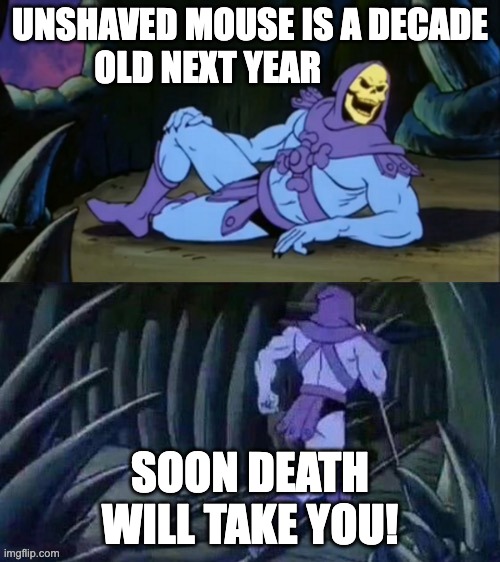
decade

What, you think I’m getting old alone?

Anyway, have a wonderful, safe and happy Christmas.

Nollaig shona daoibh go léir,

Mouse.

“Sever the nerve.”

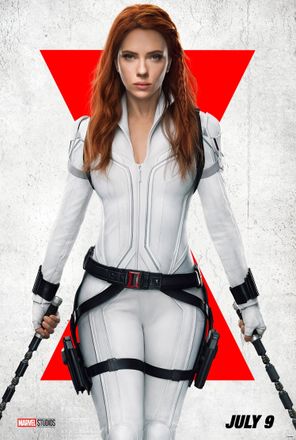
Paws in the air, the real reason why I delayed reviewing this movie was that I honestly can’t remember a review I’ve had less appetite to write.

I re-watched Black Widow for this review only a few days ago, and yet whenever I try to remember anything about it I get the mental equivalent of this:

And it’s not like it’s a bad movie! It’s not like it’s an anything movie frankly. It’s just…a movie. It’s a glass of cinematic water. Absolutely flavourless. It’s…I what am I even talking about again?

Oh right. Sorry, I keep forgetting.

My point is, I can write about good movies and I can write about bad movies but bland, perfectly acceptable movies are my kryptonite and I literally cannot remember a film that left me so utterly emotionally unmoved, in either a positive or negative sense, as this. So I probably am not going to break any word count records for this review. Hey, maybe a brief comics history of the titles character will help pad this thrill ride out? Worked before.

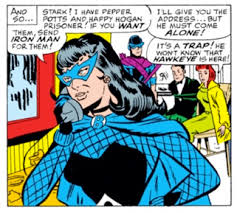
So like pretty much every interesting female superhero created during the Golden or early Silver ages, Natalia Alianovna “Natasha” Romanova was introduced as a villain. She first appeared in 1964 in the pages of Tales of Suspense as a Soviet spy tasked with bringing down Tony Stark, embodying his two greatest weaknesses: beautiful women and Communism. In her early days she was less an ass-kicking super-spy and more a seductress, using her wiles to get any man she wanted to carry out her sinister schemes. And with a whole pantheon of super powered beings to choose from she used this power to ensnare…um…Hawkeye?

Won’t know. Won’t care.

By the end of the sixties she’d defected to America and become a superhero and proceeded to spend the next fifty years bouncing around the Marvel Universe. Never an A-tier character, she nonetheless maintained a fairly high profile and you could usually count on her being in someone’s book. Natasha as a character is something of a renaissance woman. She’s an Avenger. She’s a SHIELD agent. She’s Daredevil’s ex-girlfriend. She’s a superhero. She’s a morally dubious black ops assassin. She’s friends with Spider-man, Wolverine, Hercules…basically she’s the Kevin Bacon of the Marvel universe. If a given hero doesn’t know her, they know someone who knows her. And then something strange happened. In 2012, The Avengers was released and Black Widow, by dint of various factors like Marvel not owning the movie rights to some of their own most high profile female characters (like Sue Storm and regular Storm), won the position of Token Female Avenger almost by default. And suddenly, Black Widow was the most high profile female superhero in the world complete with lunchboxes, action figures (fucking eventually) and kids’ Halloween costumes. And…that’s kinda weird, right? That’s like if the most famous male superhero in the world was Punisher instead of Superman. Weird though it was, it didn’t last long. While there was a clamour for a Black Widow movie almost as soon as she appeared in Iron Man 2, work couldn’t begin until Ike Perlmutter was prized from Marvel’s hide with a set of tweezers. And by then, well, the moment had passed. It’s not 2010 anymore. We have had female superhero movies. We have had BIG female superhero movies. We have had superhero movies with female directors. Black Widow’s biggest claim to historical significance is that it is the first ever mainstream, big-budget Hollywood summer movie with Jewish women as its star and producer, director, and supporting actress and frankly that feels a bit strained (which is in no way intended to dismiss the oppression of three-person creative teams of Jewish women in the film industry and the incredibly specific hurdles they have had to overcome). And, as a trailblazer myself (what with being the first Greek-Cypriot Irish bisexual science fiction author), I think that’s great! It’s great that simply being a female led superhero movie is not enough any more to be considered a big deal. It’s great that the movie wasn’t burdened with the same expectations that Wonder Woman faced with being the first female superhero movie…

…whose existence decent God-fearing people will acknowledge. It’s good that it has a reason to exist other than being THE FEMALE SUPERHERO MOVIE.

Doesn’t it?

(more…)

“Go. Don’t be what they made you.”

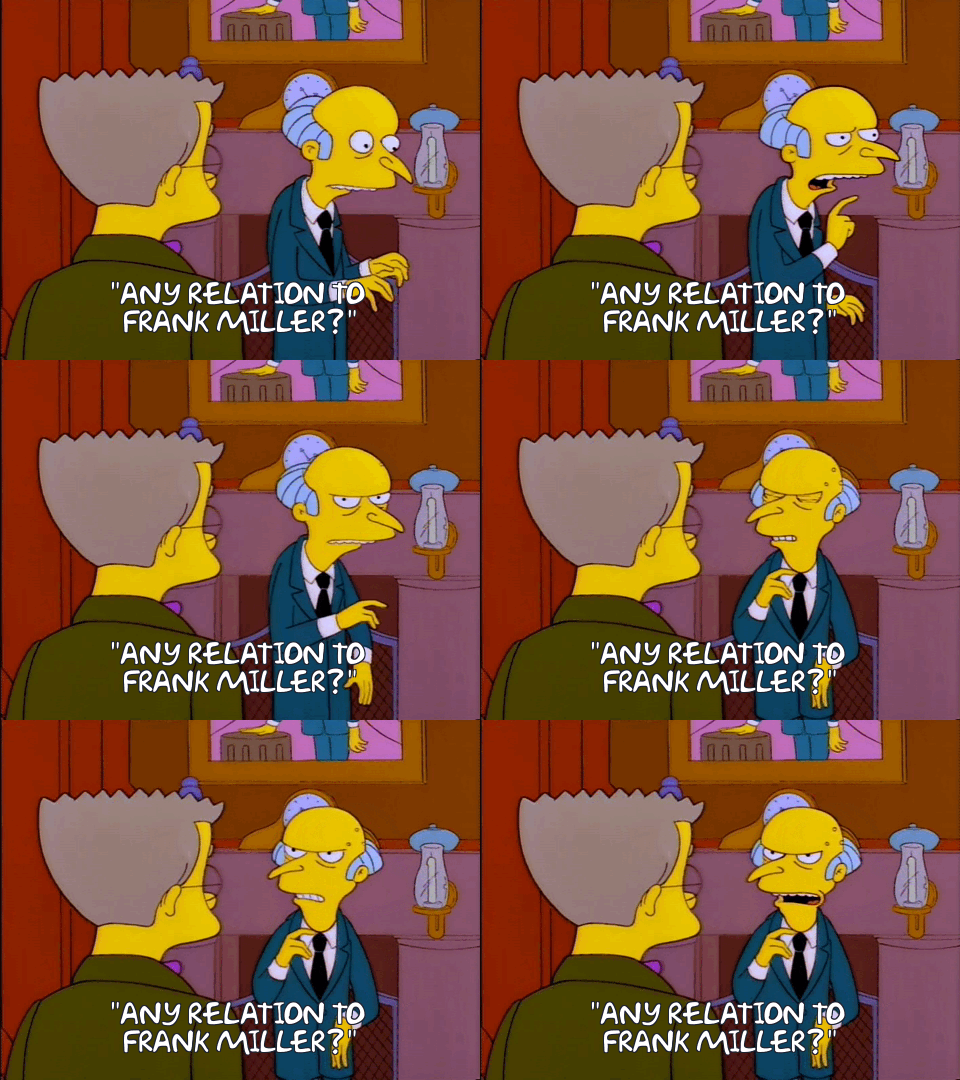
It’s always tempting, when a creator reveals themselves to be a bit of a shit, to look back on their past work and say “ah, I never liked ’em anyway”. This was certainly the case with comic book creator Frank Miller, whose politics took a hard right turn after 9/11 resulting in such works as Holy Terror, initially intended as a Batman story for DC before they dropped it like a hot, extremely Islamaphobic potato. This in turn led to many comics fans deciding that Miller had never been that good or important a comics creator to begin with. And, frankly, that’s not entirely unwarranted. Dodgy politics aside, a lot of Miller’s back catalogue simply hasn’t aged that well. There were always dodgy undercurrents of racism and misogyny in Miller’s work (he wrote origin stories for Batman and Daredevil that both had scenes of the protagonist fighting prostitutes), and knowing the path he went down makes those elements a lot harder to overlook now. Also, whereas Alan Moore (Miller’s contemporary and the creator he is probably most often compared to) brought a real intellectual and emotional richness to the comics genre, Miller’s most successful works were often empty showcases of style over substance. Sin City and 300 are visually striking as all hell. But ultimately, they’re hollow, emotionally stunted things. That said, there is at least one work that I will defend as still holding up (mostly).
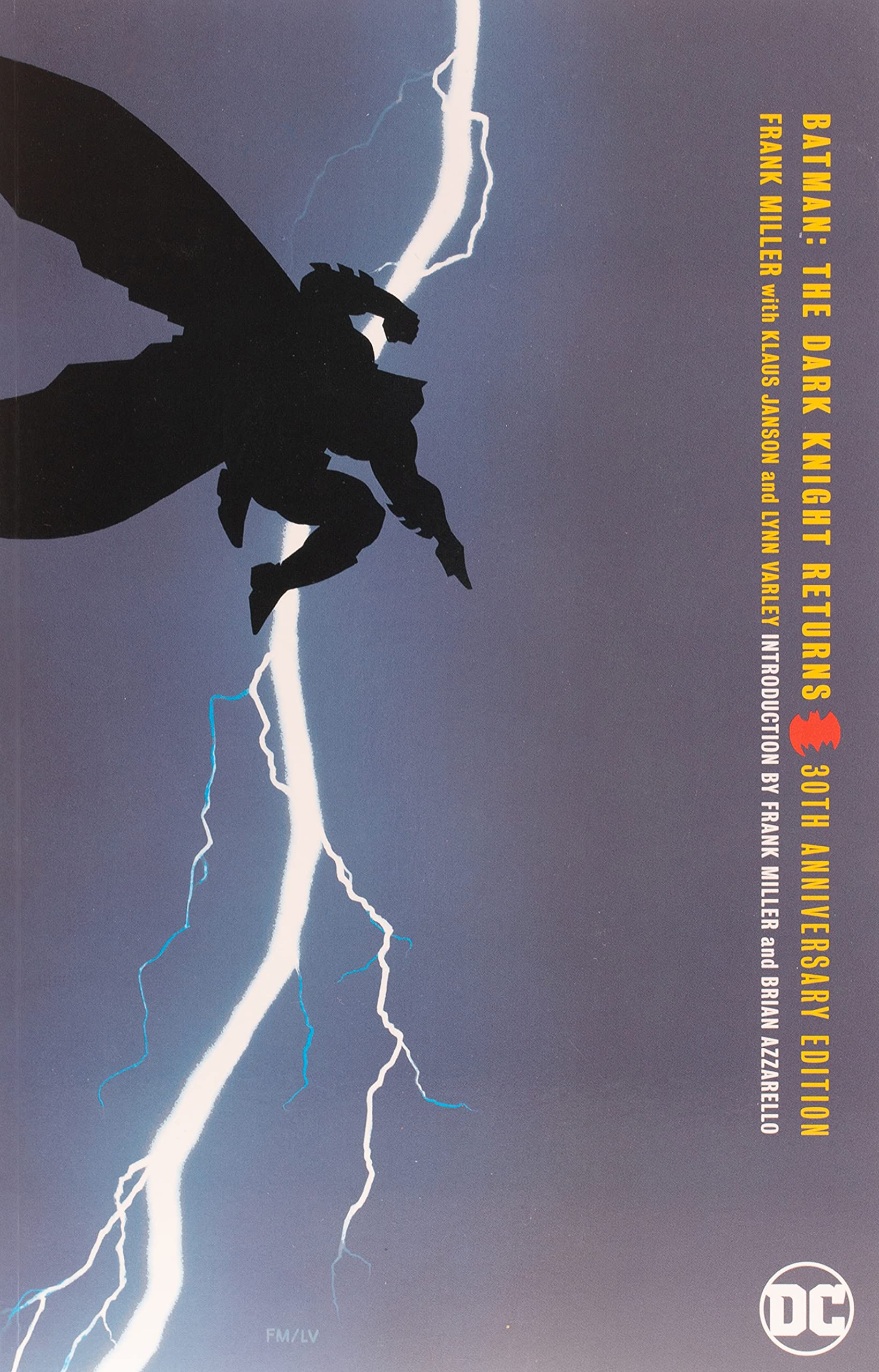
dark knight

There are female characters in this that AREN’T prostitutes! I swear ta God.

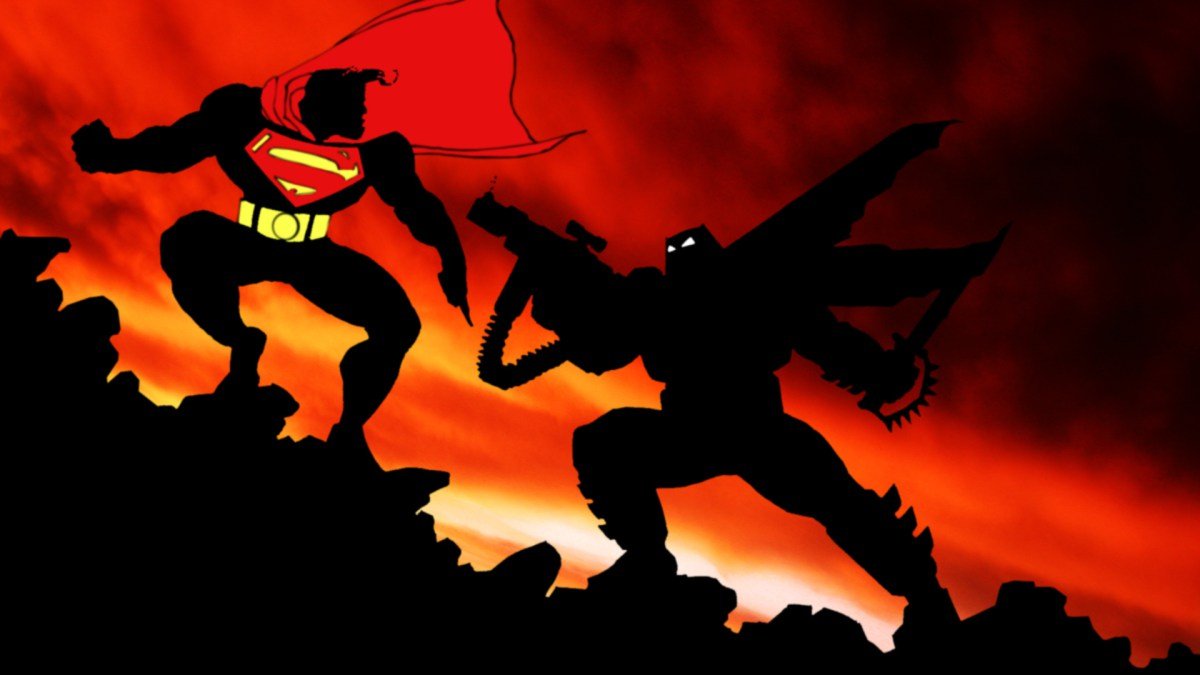
The Dark Knight Returns depicts an aged and embittered Bruce Wayne, coming out of retirement to fight the sky-rocketing crime and urban malaise that was such a feature of Reagan’s America. As he becomes increasingly violent and unhinged in his methods, the US Government sends in the only man they think can stop him:
darkknight

What gives the story its power is the incredible weight of the history of these characters and an overwhelming, almost crushing sense of despair. This, Miller, seems to be saying, is how your heroes will always end; either bitter fanatics who were unable to change, or corrupted, toothless stooges who sold out to a corrupt status quo. This is how the World’s Finest Team ends, two old men beating each other to death in an alley way. And it’s depressing, and it’s cruel but it also feels true. And the inescapable knowledge that all those decades upon decades of stories and triumphs and battles of these, THE two greatest superheroes, that it was all leading to this awful, final confrontation? That’s when the story stops being merely tragic and becomes proper, classical, Tragedy. It’s Twilight of the Gods. It’s Ragnarok. It’s epic as fuck.

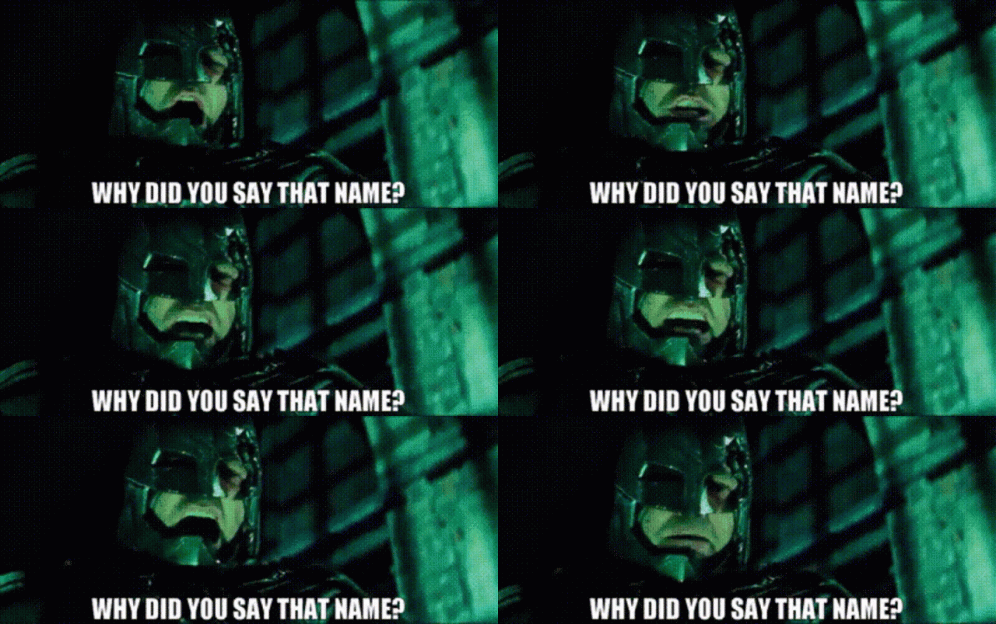
And that’s why Batman v Superman Dawn of Justice is fucking terrible.
batman-v-superman-batman

Sorry, that’s one of VERY MANY reasons why that movie is terrible but I will never, for the life of me, understand why no one twigged that a fight between Batman and Superman means nothing if they don’t even know each other. That’s what gave the final confrontation in DKR its power. The weight of history. The tragedy of watching two men who once loved each other as brothers reduced to this brutal slugfest. All that goes out the window if they’ve just fucking met.

Sarcastic Map of Wartime Europe

“Uh Mouse, isn’t this supposed to be about Wolverine or something?”

I’m getting there. Okay, with DKR Frank Millar created (possibly?) and popularised (definitely) the stock superhero trope of the Last Story. The Last Story is a tale (almost always out of continuity), that shows you how a certain superhero ends. They are almost always set in a bleak future, and will usually depict the hero coming out of retirement for One Last Job. These stories often will try to serve as a capstone, and a summation of the meaning of that hero. When they work, they work because they are able to deliver the things that most superhero stories by their very nature can’t; climax. Conclusion. Finality. Stakes. Characters can finally die and be at peace without an inevitable resurrection on the horizon. Arcs can be concluded. The story can finally end (at least, in this one corner of continuity). Pretty much every major character you can think of by this point has had a Last Story; Superman, Spider-Man, Punisher and of course, Wolverine, who’s died more times than Kenny McCormack and so has had plenty of opportunity for “Last Stories”. One of these, Old Man Logan was a miniseries that released in 2009 and was written by Mark Millar.
frank miller

unlikely

This series sees an aged Wolverine having renounced violence and living in a dystopian future where the villains won and everything’s awful and the Hulk’s an incestous cannibal who fucked his own cousin and spawned a whole tribe of inbred hulk hillbillies and Jesus Christ we made Mark Millar one of the most successful comic writers of the aughts what the fuck were we thinking?

Anyway, apart from both featuring Old Men Named Logan there is actually very little connecting Old Man Logan and the movie that it nominally inspired (thank fuck). Logan arose out of a desire of Hugh Jackman and The Wolverine director James Mangold to do something radically different with the character and genre. That is, after all, the great strength of a Last Story. You get to take some risks.

(more…)
The Little Mermaid The Series: Introduction

Look, in my time I’ve clapped back at people who disputed bad reviews I gave with the shop-worn riposte “well it wasn’t made for you!” but there does come a point where you have to admit that something just…wasn’t…made for you. Case in point, over the next few posts I’ll be reviewing a cartoon series made for nine year old girls in the early nineties. And it’s one thing to dunk on DarkWing Duck but beating up on a show made for little girls is cheap even for me. Fortunately, Unshaved Mouse inc. has a nine year old girl on staff and she kindly agreed to watch the series with me. And Mini Mouse peaced out after three episodes so I know it’s not just me. Actual transcript:

“Is this a new show?”
“Oh no, it’s almost as old as I am.”
“Oh, that’s why it’s so…”
“So what?”
“Nothin’.”

And look, I wanted to like this series. Hell, I have always wanted to like this series. I’ve mentioned before that The Little Mermaid was the first Disney movie I ever owned on VHS. I loved that film as much as it was safe for a seven year old boy in a rough North Dublin school to love that movie. And I remember being deeply bored by this series. In retrospect, I don’t know what I was thinking. Not because the series is good (oh no) but it is ABSOLUTELY BUCK WILD.

See this? This is from the episode where Ariel defeats a racism powered Ocean Satan with footwear. I made LITERALLY NONE OF THAT UP.

Buckle up, Mother-Guppies. We’re gettin’ weird.

You win. Good day sir.

In 1964 British-Norwegian author Roald Dahl published Charlie and the Chocolate Factory. I wouldn’t call it the greatest Dahl novel (I actually prefer the sequel, believe it or not) but it’s a fun romp nonetheless where you the reader get to enjoy one of the most scabrously funny writers of the twentieth century sit an entire generation of children down and say “Listen up, you little bastards. Here’s why you suck.”

https://static.tvtropes.org/pmwiki/pub/images/Wonka_Book_8934.jpg

However, it has to be said that the ending is objectively terrible. Willy Wonka finishes the tour of his factory, glances over his shoulder and sees that Charlie Bucket has survived his gauntlet of death by dint of having no distinguishing characteristics whatsoever, and essentially says “yes, you, bland cipher child, you shall inherit my chocolate factory!” And that’s it. That’s the ending.

Now, a mere seven years later the book was adapted into Willy Wonka & the Chocolate Factory directed by Mel Stuart and starring the late great Gene Wilder in the title role. The screenplay is solely credited to Roald Dahl but around 30% of it was actually written by David Seltzer, including (I’m pretty certain) the scene I want to discuss. It’s a movie that I love with all my heart and soul and consider one of the very best literary adaptations ever made. I love this film. I love the performances, I love the songs, I love the gags. Those weird, Monty Python-esque skits where the whole world goes nuts looking for the Golden Tickets? I love ’em. And, in my opinion, it improves on the novel in every single change that it makes.

Removing Charlie’s Dad? Makes Charlie more sympathetic and gives Mrs Bucket more of a focus. Having each child only bring in one parent to the factory? Trims the fat. Making the Oompa Loompas little orange dudes instead of Arican pygmies?

But these are all mostly minor, cosmetic changes. There are two scenes added to the story that drastically change the meaning of the story and the character of Willy Wonka. The first interpolation happens between Violet Beauregard being turned into a blueberry and Veruca Salt being sent to the furnace (man, this movie is a fun time). Charlie Bucket and his Grandpa Joe steal Fizzy Lifting Drinks and almost get chopped to pieces by a ceiling fan. They belch their way to freedom and rejoin the tour, with Wonka seemingly none the wiser.

Now, a lot of people hate this addition and I can definitely see why. The whole point of Charlie is that he’s not like the other kids. He’s supposed to be the good one. And, you could argue that by stealing the Fizzy Lifting Drinks Charlie is actually worse than the other kids. I mean, it’s definitely worse than Augustus Gloop drinking from the chocolate river. Wonka just let those kids loose in a chocolate world and told them to go nuts, so why wouldn’t Augustus drink from the river? Why is the river off limits but not anything else? Mike Teevee was definitely out of line but I think the real blame is on the Oompa Loompas for shrinking him. Violet Beauregard may have taken the chewing gum against Wonka’s advice, but at least she was upfront about it and didn’t steal it behind his back! And Veruca…

Okay, Veruca just straight up trashed the egg laying room like the Rolling Stones trashing the Miami Hilton.

ROCK AND ROLL!

He’s not worse than Veruca but, other than the upper echelons of the Nazi party, no one is.

(more…)

Darkwing Duck: Just Us Justice Ducks

Wha’ happen?

If, like me, you were unfortunate enough to grow up in a third world nation untouched by the beneficent glow of the Disney Channel then your only way of experiencing TV shows like DuckTales and Darkwing Duck was the sporadic VHS releases that Disney deigned to let drop from their table. In the case of DarkWing Duck, this meant that the only contact I had with this show was the two-parter Darkly Dawns the Duck which we’ve already looked at and this, Just Us Justice Ducks. And going from one to the other is a bit like watching Iron Man and then following it up immediately with Endgame.

WHO THE FUCK ARE ALL YOU PEOPLE?!

In these episodes Darkwing puts together a superhero team of former super-powered enemies and rivals to battle his arch-nemesis Negaduck who’s put together his own Legion of Doom of Darkwing’s most dangerous foes. The trouble is, thanks to Disney’s insistence on releasing episodes in an order dictated by tarot cards and the phases of the moon, many of these characters hadn’t even been formally introduced yet. Hell, considering that Just Us Justice Ducks consists of episodes 18 and 19 and Darkly Dawns the Duck was episodes 29 and 30, you could argue that Darkwing himself hadn’t been introduced yet.

Anyway, Darkwing is preparing to go on a date with Morgana MacCawber, a Transylvanian sorceress who was a villain but who he’s now dating (this fucking show). Unfortunately, their date has to be cut short because two of Darkwing’s villains, Megavolt and Crackerjack, have attacked the local power station. Darkwing tries to stop them but Morgana turns him accidentally turns him into a pudding and the villains, having him at their total mercy, just laugh and leave him there. They then install an “electro slave” device in the power station and Darkwing just…leaves it there.

Later, after he’s been returned to normal, Darkwing races to the police station which is being attacked by two other villains, Bushroot and Liquidator. He also runs into Stegmutt, a genetically engineered dinosaur duck hybrid with the strength and intelligence of a car-compactor. The villains get away by convincing Stegmutt that Darkwing’s on fire and telling him to put him out.

“Puny god.”

Bushroot causes a massive bean stalk to grow up under the police station and they am-scray back their hideout where we meet the leader of the villains: Negaduck. Ohhhhh boy and I gotta explain him now don’t I?

So this Negaduck is Darkwing Duck from an evil “Negaverse” which would only be introduced 17 episodes after this one aired. Oh, and I said this Negaduck because there was also a Negaduck introduced in the episode “Negaduck” who was the result of Darkwing Duck being hit by a beam by Megavolt that split him into good and evil versions. And, despite that Negaduck being considered the “first” Negaduck the episode where that happens is actually the last one in broadcast order.

(more…)

Darkwing Duck: Darkly Dawns the Duck

Wha’ happen?

Darkly Dawns the Duck originally aired as a one hour special on the Disney Channel, introducing the main character and his supporting cast and setting up the status quo for the series going forward. That was a smart thing to do. Disney then took this one hour special, re-cut it into two episodes and made them episodes…30 and 31 of Season 1 on Disney Plus. That was a very stupid thing to do and I have no idea why they did it. In fact, the entire running order is batshit insane. Characters appear in episodes as a known quantity only for Darkwing Duck to meet them for the first time twenty episodes later, it’s crazy.

“We’re experimenting with avant garde forms of non-linear story-telling you philistine clod!”

Unfortunately, this means we also miss a pretty fantastic sequence of Darkwing hunting some criminals through the streets of Saint Canard to the strains of the immortal theme tune sung by Jeff Pescetto who also sang the theme for Ducktales and Chip N Dale Rescue Rangers. The Disney Plus version just cuts to Darkwing delivering these hoods to the local police station and bemoaning that he can’t get no respect around here and he needs to start taking on some big time criminals.

He gets his wish when Taurus Bulba (Tim Curry) a crime boss who’s been running his empire from his prison cell, sends his goons to steal the Ramrod, an anti-gravity cannon, from a military train. DW fails to stop Bulba’s men (technically sentient farm livestock) despite and assist from Duckburg’s own Launchpad McQuack.

(more…)