Comedy

Winsor McCay, the Famous Cartoonist of the N.Y. Herald and His Moving Comics (1911)

If you ever want to earn yourself some serious animation nerd cred, the next time someone asks you who your favourite animator is, fix them with a steely gaze, whisper the words “Winsor McCay”, drop the mike and then moonwalk out of the room.

 

I carry a mike around with me at all times for just such an eventuality.

I carry a mike around with me at all times for just such an eventuality.

 McCay is not a household name, but he is almost certainly one of the greatest animators of all time, one of the two most influential animators of all time and most amazingly of all, possibly the first animator of all time. Okay, obviously, we will never know who was actually the first animator. Probably the first kid in class who realised that with a little doodling in the edges of your copybook you could make it look like your teacher was being eaten by velociraptors. But to start this decade by decade look at animated shorts I need a big, flashy, incandescent Big Bang and by God, McCay fits the bill.

McCay was a celebrated cartoonist probably most famous for the Little Nemo comic strip, which combined incredible detail with gorgeous, trippy surrealism.
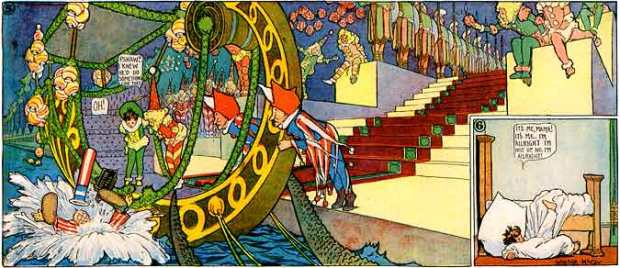
Look at this

Inspired by the flip books that his son brought home one day, he decided to create an animated version of Little Nemo, drawing four thousand rice paper cels by hand and  pioneering many animation techniques on the fly, all while carrying on with his regular comic strip work. That’s right. He virtually invented modern animation. He did it single-handedly. And he did it in his spare time. Today’s short is Winsor McCay, the Famous Cartoonist of the N.Y. Herald and His Moving Comics and because it’s public domain and up on You Tube, we can all watch it together. Great, right? We never do stuff together any more.


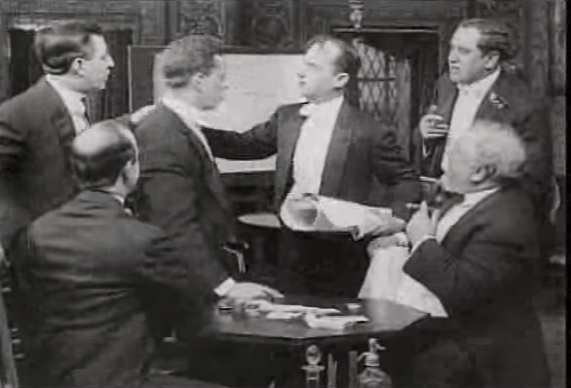
So the movie begins before animation has been invented which is why it’s in live action (joking, joking, I know about Blackton and Cohl, I can read Wikipedia too). Winsor McKay is betting his fellow artists that he can create a comic strip that moves. And can I just point out how insanely lucrative newspapers used to be? Those tony-looking motherfuckers with their fancy suits and monocles and brandy and cigars aren’t newspaper owners, they aren’t even journalists. They are COMIC STRIP ARTISTS. That’s how much money was in the newspaper business in the nineteen tens. I mean, look at these guys! They don’t look like artists, they look like the guys who owned the fleets that hunted the blue whale to the brink of extinction! Anyway, they of course scoff and mock his idea and presumably tell him to try something more sensible like circumnavigating the globe in eighty days. This is a recurring plot in McCay’s cartoons incidentally, which could be titled Watch My Idiot Friends Lose Money by Betting Against Me, Winsor Goddamn McKcay. 

Undeterred, McCay draws one of his characters, the Little Imp, to show his friends how this whole “animation” thing is going to work.
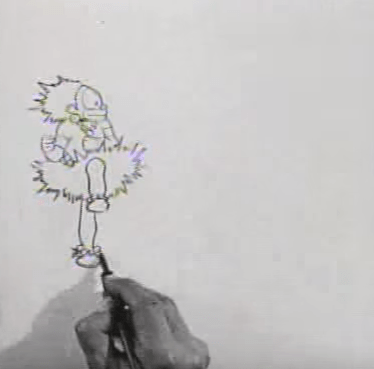
"I shall begin with racism, gentlemen, as this is 1911 after all." "Of course!" "Quite right."

“I shall begin with racism, gentlemen, as this is 1911 after all.”
“Of course!”
“Quite right.”

One of the things you notice watching the live action scenes is that compared to a modern film the pacing is absolutely glacial. When McCay draws Little Imp, you see him draw the entire thing from start to finish, no cuts, no edits. We’re talking about a period where film is so new and exciting that even watching something as mundane as a man drawing a picture is fascinating in and of itself. You’d watch it because you most likely had never seen that before. Anyway, McCay bets his friends that he will draw 4,000 images in one month and make them move. I especially love the moment where one of McCay’s friends tries to leave and he literally pushes him back down in his chair.
"Oh, Im sorry, is my INVENTING A NEW ARTFORM BORING YOU SIT YOUR ASS DOWN!"

“Oh, I’m sorry, is my INVENTING A NEW ARTFORM BORING YOU SIT YOUR ASS DOWN!”

 We now get a sequence of delivery men bringing barrels of ink and massive slabs of paper to McCay’s office and I honestly don’t know if that’s supposed to be a joke or an accurate representation of the material that was required. McCay directs them as they bring it while wearing a fedora and smoking a cigar like a goddamn Ink Mobster. There’s some pretty unfunny business with Winsor’s son knocking over a huge pile of papers and the middle of the film drags pretty hard once you’ve gotten over the culture shock of watching people from over a century ago. But at last, McCay unveils his animation. And it is…
"No words. Should have sent a poet."

“No words. Should have sent a poet.”

Chuck Jones described Winsor McCay thusly, as if the first living creature to emerge on Earth was Albert Einstein, and the next was an amoeba. He’s like the Antikythera mechanism, something that should not exist as early in history as it does. He’s the first to do this, or close enough, so he doesn’t know what you’re not supposed to be able to do. He doesn’t know that you have to keep the character models simple. He doesn’t know that you’re supposed to keep the perspective unchanged and flat. When he swings the “camera” around to show an incredible, meticulously detailed dragon from the side, the front and then the rear before it slouches off into the distance he doesn’t know that you’re not supposed to be able to do that. There is no story, not really. It’s simply characters coming to life and exulting in their existence and creating new characters to play with. It’s dreamlike, and surreal, and moves with a grace and fluidity that most animators living today will never be able to match. The Titanic was being built when Winsor McCay created this, single handed. It wouldn’t be until the eve of the Second World War that Walt Disney, with a team of dozens of the most talented animators in the world and a budget of over a million dollars, would be able to create animation that rivals it. It’s beautiful. It’s amazing. It breaks my goddamn heart.

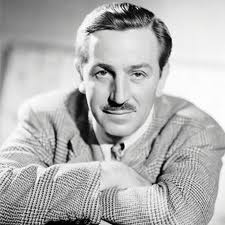
Jones went on to say that the two most important names in animation were Walt Disney and Winsor McCay and that he honestly didn’t know whose name should go first. Walt himself might have bowed out of that contest. When McCay’s son visited the Disney studios in the fifties Walt gave him the tour and told him “Bob, all this should be your father’s.”

***

Unshaved Mouse has been shortlisted for best Film and TV blog at the Blog Awards Ireland 2016. Please click on the link below to vote for Mouse!

Littlewoods-Blog-Awards-2016-Website-MPU_Vote-Now

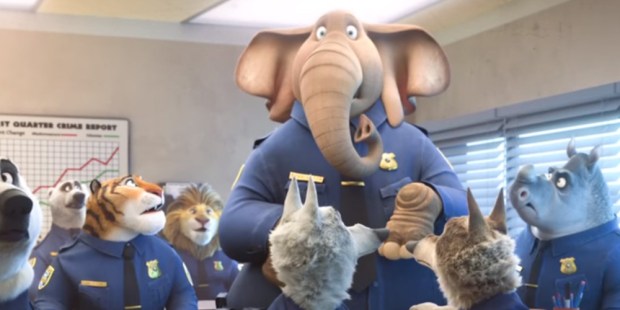
Disney Reviews with the Unshaved Mouse #55: Zootopia/Zootropolis


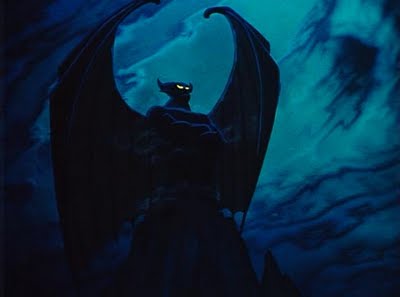
"Mr Disney? There's a Mr Chernabog here to see you?"

“Mr Disney? There’s someone here to see you?”

"What? But the world thinks I've been dead since the sixties, who even knows I still work here?"

“What? But the world thinks I’ve been dead since the sixties, who even knows I still work here?”

"He said his name was Mr Chernabog?"

“He said his name was Mr Chernabog?”

"CRAP. Tell him I can't see him."

“CRAP. Tell him I can’t see him.”

"I would sir, but I'm not really here. I'm just a hallucination caused by your black-magic addled mind."

“I would sir, but I’m not really here. I’m just a hallucination caused by your black-magic addled mind.”

"DISSSSSSSNEY I WOULD HAVE WORDSSSS WITH THEE."

“DISSSSSSSNEY I WOULD HAVE WORDSSSS WITH THEE.”

"Cherny! C-Train! As the world Cherns! How the fuck are you?"

“Cherny! C-Train! As the world Cherns! How the fuck are you?”

"YOU HAVE BETRAYED ME, SSSSSORCEROR. AND THE LORD OF BALD MOUNTAIN KNOWSSS NOT OF MERCY."

“YOU HAVE BETRAYED ME, SSSSSORCEROR. AND THE LORD OF BALD MOUNTAIN KNOWSSS NOT OF MERCY.”

"Whoah! Hey! Walter Elias Disney is a man of his word, so how bout you settle down and tell me what this is all about?"

“Whoah! Hey! Walter Elias Disney is a man of his word, so how ’bout you settle down and tell me what this is all about?”

"WE HAD A PACT, YOU AND I. I GAVE YOU IMMORTALITY AND IN RETURN YOU AGREED TO CREATE FOR ME AN ARMY OF THE MOST DEPRAVED, HELLISH CREATURES EVER TO WALK THE EARTH."

“WE HAD A PACT, YOU AND I. I GAVE YOU IMMORTALITY AND IN RETURN YOU AGREED TO CREATE FOR ME AN ARMY OF THE MOSSSSSST DEPRAVED, HELLISSSSSH CREATURESSSS EVER TO WALK THE EARTH.”

"What? Furries?"

“What? Furries?”

"I MUSSST HAVE MORE FURRRIESSS! MORE! THE CROP GROWSSS THIN! THE CROPS GROWSSSS THIN!"

“I MUSSST HAVE MORE FURRIESSS! MORE! THE CROP GROWSSS THIN! THE CROPS GROWSSSS THIN!”

"What are you talking about? We made Robin Hood!"

“What are you talking about? I made Robin Hood! That should have kept you balls deep in furries for years!”

"THAT WASSSS OVER FORTY YEARSSSSS AGO!"

“THAT WASSSS OVER FORTY YEARSSSSS AGO!”

"Fuck. My. Ass. Yikes, sorry. My bad. I'll get right on that."

“Fuck. My. Ass. Yikes, sorry. My bad. I’ll get right on that.”

"BE WARNED! IF I DO NOT RECEIVE AN ARMY OF FURRIESSSS BEYOND RECKONING I SHALL EAT..."

“BE WARNED! IF I DO NOT RECEIVE AN ARMY OF FURRIESSSS BEYOND RECKONING I SHALL EAT…”

"Eat my soul, yeah, got it. Laurie? Get on the phone to the boys in animation and tell them we need a movie so chock full of furry bait that half the country will be yiffing by Christmas."

“Eat my soul, yeah, got it. Laurie? Get on the phone to the boys in animation and tell them we need a movie so chock full of furry bait that half the country will be yiffing by Christmas.”

"I already told you, I'm not really here!"

“I already told you, I’m not really here!”

"Just do it woman!"

“Just do it woman!”

***

Some blogs might tell you that Zootopia/Zootropolis came about as part of an ongoing effort by Disney to address the more troubling and regressive aspects of their legacy and take on a pressing real world issue. But only I will tell you the truth, namely that it was part of a desperate ploy to pay off a faustian bargain made by immortal warlock Walt Disney by creating an army of furries for a demonic lord of evil. That is why, after all, the people come to Unshaved Mouse.

But first of all, let’s talk about the elephant in the room.

Not that one.

Sit down, Francine.

Namely, why the hell is this called “Zootropolis” on my side of the pond? Well, Disney haven’t actually given a reason for the name change. One possibility of course is that, as sophisticated Europeans, we would know that any utopia, even a zootopia, is impossible in an imperfect world and refuse to see the movie purely on the grounds of philosophical consistency. Also, there’s the fact that a zoo called “Zootopia” is opening in Denmark soon and maybe Disney’s lawyers didn’t want the hassle. Who can say?

Anyway, if you read this blog you’re probably aware that Disney have been on one hell of a hot streak for the last few years, producing movies that are both critically lauded and hugely successful. That in and of itself is nothing new, the Disney canon goes through peaks and troughs and this is just one peak of many. But one thing that is different this time around is that Disney is more and more comfortable making movies that actually have something relevant to say about the world. I once called Walt Disney the most apolitical American artist of the twentieth century. His movies were beautiful, funny and charming but they almost never had any kind of political message or agenda beyond the most broad “be nice, everybody” kind of sentiment. They were meant to appeal to the broadest audience possible in their own time which in practice meant that they were very conservative and very, very white.

Fast forward to today. In my review of Princess and the Frog I called the current era of the Disney canon “The Redemption Era”. Unlike the Lost Era that preceded it, where Disney was trying to definitively break with the past, new types of story, new styles, new animation techniques, the Redemption Era wears its classic influences with pride. It loves and respects the canon. But it is not blind to its flaws, either. The Redemption Era is a Beatles fan who has every album but never forgets that John Lennon beat his wife. It doesn’t simply ignore the more troubling aspects of the Disney canon but makes challenging them a core part of its identity, whether that’s doing a Restoration Era fairy tale with an all-minority main cast or a Renaissance Era musical where the princess doesn’t marry a prince at the end.  Zootopia takes this to a new level. Regular commenter Kahnamanko called it the most topical and socially relevant movie Disney has made since their World War 2 propaganda shorts and I think that’s probably true. But does that make it a good movie? Does the simple fact that it’s willing to tackle such a pressing and hot-button issue as racism make it a classic that will stand the test of time? Let me answer that question with a question, do you feel a burning desire to watch any of the following movies; Brokeback Mountain, Philadelphia, Crash or Lions for Lambs? Yeah, didn’t think so. Movies that directly address the great issues of the day are often very worthy endeavours but they rarely end up being particularly beloved movies. Does Zootopia defy the odds? Let’s take a look.

***
(more…)

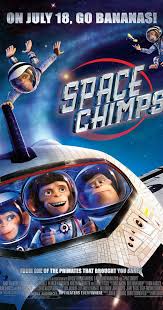
Space Chimps (2008)

Never pick a fight with an Australian. Lesson. Fucking. Learned.

This one hurt, folks. Space Chimps manages to encapsulate so much of what has gone wrong with 21st century animation that I almost feel like if I burned the DVD all those sins would just evaporate as the spell was lifted. It’s awful, but it’s awful in so many different ways at once that it has inestimable value as a teaching tool. I feel like you could teach an animation course on what not to do based on this movie alone.  This is the first movie by Vanguard Animation that I’ve reviewed on this blog as I’ve not had the unalloyed pleasure of viewing Valiant, Happily N’Ever After or Space Chimps 2: Zartog Strikes Back….

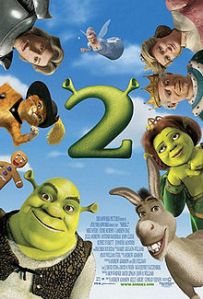
Sorry. When I typed that last one I felt an ice-cold shudder and had to go check that all the doors and windows are locked. Anyway, Vanguard is at the rearguard of modern American animation and was founded by John H. Williams who is, as the DVD cover is quick to remind us, one of the primates who brought us Shrek. And I have one question. What the hell is Shrek? Shrek? Sounds like an Eastern European currency. Boris bought a red cabbage and a bottle of vodka for three shrek.

Highest grossing animated film of all time you say? No, doesn't ring a bell.

Highest grossing animated film of all time you say? No, doesn’t ring a bell.

(more…)

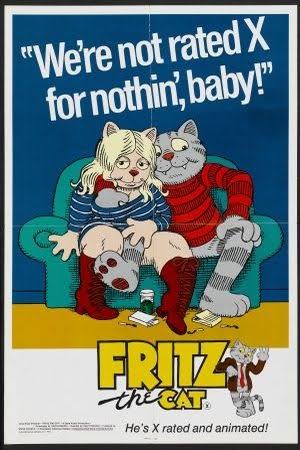
Fritz the Cat (1972)

“Heeey everyone.”

“Heeey everyone.”

“Oh look guys, it’s Spouse of Mouse!”

“Oh look guys, it’s Spouse of Mouse!”

250px-Operation_Upshot-Knothole_-_Badger_001

“Heeey everyone. I was just hoping we could have a little chat before Mouse starts the review. Just us.”

“Heeey everyone. I was just hoping we could have a little chat before Mouse starts the review. Just us.”

“I know you all think it’s really funny that you got Mouse to review Fritz the Cat. I’m sure you’re all having a big laugh. “Ha” you might say, and also “Ha.”

“I know you all think it’s really funny that you got Mouse to review Fritz the Cat. I’m sure you’re all having a big laugh. “Ha” you might say, and also “Ha.”

“But here’s the thing. This movie messed him up so badly that I don’t know if he’ll ever recover. And I’m a simple mouse who lives by a simple rule. You hurt the ones I love?”

“But here’s the thing. This movie messed him up so badly that I don’t know if he’ll ever recover. And I’m a simple mouse who lives by a simple rule: You hurt the ones I love?”

"I WILL FUCK YOUR FUCKING SHIT RIGHT THE FUCK UP."

“I WILL FUCK YOUR FUCKING SHIT RIGHT THE FUCK UP. IF YOU EVER PULL ANYTHING LIKE THAT AGAIN I WILL TRACK YOU DOWN THERE IS NOWHERE YOU CAN HIDE. PAIN? I WILL MAKE YOU LONG FOR SOMETHING AS SWEET AS PAIN.”

“’Kay? Enjoy the review.”

“’Kay? Enjoy the review.”

***

 Do you know what it’s like to review Fritz the Cat? To sit in the dark watching that cat fuck everything that moves, to feel your brain slowly coming apart from the constant assault of surreal, messed up, toked out, crazy shit? No. You don’t. Because you’ve never been out there, man. Out in the real deep shit. This movie man. You don’t know, man. It’s like, you think you have a handle on things, man, like life and art and truth and beauty man like they’re all just packaged and sold in these neat little Styrofoam boxes, man, and then this movie comes along and it’s like, you know man? Like, what does it all mean, man? I…I…I shouldn’t be doing this man, I should be a pair of ragged claws scuttling across floors of silent seas, man…
“Mouse, relax. You’re going crazy over there, man.”

“Mouse, relax. You’re going crazy over there, man.”

"YOU WERENT THERE MAN!"

“YOU WEREN’T THERE, MAN!”

 Sorry. Sorry. I’m alright. Okay. Let’s do this.
For as long as there have been comics there have been “underground” comics, the kind of comics that aren’t read in a newspaper at the breakfast table on a lazy Sunday morning but are more usually read at night. Under the covers. With a flashlight.
Jerkin’ it.
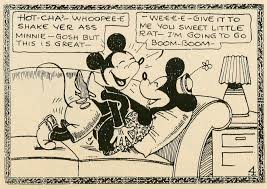
Pornographic comic books or “Tijuana Bibles” were especially popular in the Great Depression and usually featured well known comic book characters or public figures engaging in what scripture calls “the hard fuckin’”. No one was safe. Popeye, Betty Boop, Superman you name it, someone drew them doin’ it.
Trust me, just be glad it’s Minnie and not Pluto.

Trust me, just be glad it’s Minnie and not Pluto.

By the 1960s the underground comics (or “comix”) scene had merged with the broader counter culture movement. In contrast to mainstream comics which had to abide by the Comics Code Authority, comix were uncensored and didn’t abide by jack shit. These books were absolutely steeped in sixties drug and music culture, often politically radical and transgressive and extreme in their depictions of sex and violence. They also, it must be said, frequently had a streak of misogyny a mile wide. But at its best, the comix scene produced some of the finest American sequential art of the twentieth century (Art Spiegelman, for example, honed his craft in indie magazines in the seventies).
The one creator who is probably more associated with the comix scene than any other is Robert Crumb and his most famous creation is almost certainly Fritz the Cat, an anthropomorphised cat who’s kinda like Felix crossed with Roosh V. The Fritz strips first appeared in the magazine Help! where the editors famously responded to his submission with a letter saying; “Dear R. Crumb, we think the little pussycat drawings you sent us were just great. Question is, how do we print them without going to jail?” The comic became a genuine breakout hit and was read by many a long-haired hippie degenerate, one of whom was our old friend Ralph Bakshi.
Bakshi had set up his own animation studio and was looking to create animation for adults. He came across one of Crumb’s books and bought the rights to the strip. Warner Bros originally were going to fund it but then they saw Bakshi’s early shoots.
Vapors
Instead, the movie ended up being funded by Cinemation Industries, purveyor of such highbrow classics as The Black Godfather, Sweet Sweetback’s Badasssss Song and The Eighteen Year Old Cheerleaders.
It’s important to remember that there was a weird period from the late sixties to around the mid-eighties where porn was pretty much mainstream, and you could just go to the cinema and watch a big budget porno made and financed by a large studio as opposed to some dude with a camera and a couch. Fritz the Cat is very much a part of that. It’s not solely a porno but it’s got relatives who are pornos if you catch me. So before we get into this review please take note that this is a movie with sex and nudity, pretty grotesque ethnic caricatures, frequent homophobic and racial slurs and some generally fucked up shit.
What I’m trying to say is…
“This review ain’t NSFW for nothin’ baby.”

“This review ain’t NSFW for nothin’ baby.”

(more…)

Those wacky Sharpson boys.

Happy Father’s Day everybody!

As some of you may know, my brothers John and Donal are both regulars on the Facts series on YouTube. For Father’s day they brought my Dad onto the show (thanks for showing me up guys, I just got him a frickin’ book) and not to brag or anything but my old man just killed it. Here’s the video.

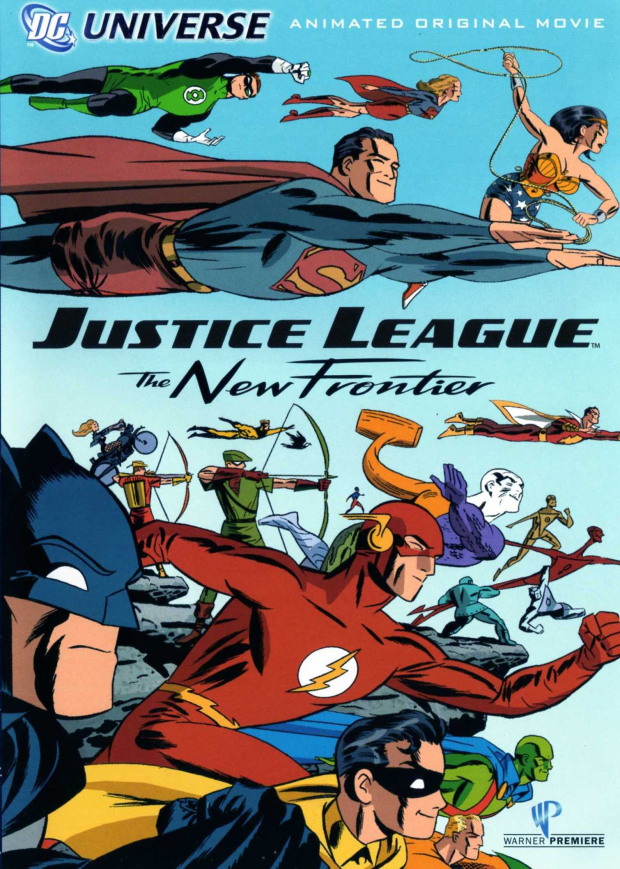
Justice League: New Frontier (2008)

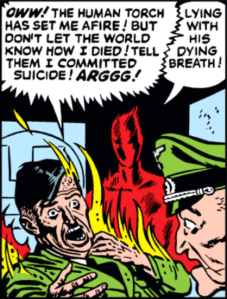
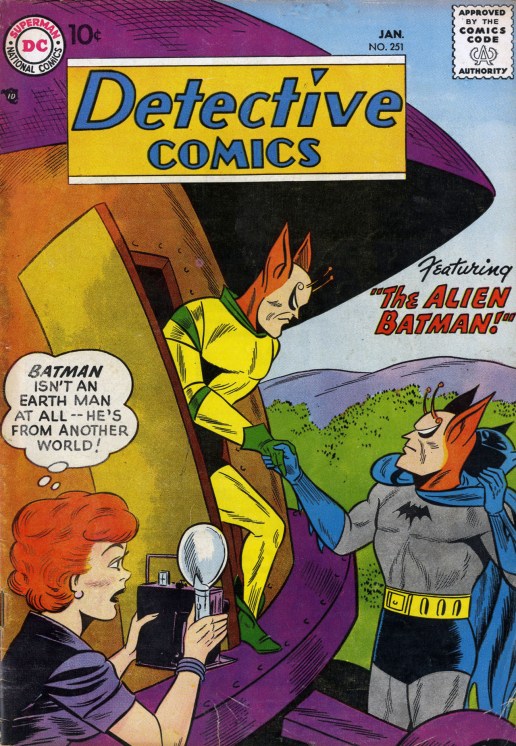
Comic Book historians divide the history of superhero comics into “ages”. The Golden Age lasted from the late thirties to the end of the second world war. It began with the creation of Superman and saw the births of Batman, Wonder Woman, Captains America and Marvel, the original incarnations of the Green Lantern and the Flash as well as a host of others. Owing to the ongoing unpleasantness at the time, many of these characters were patriotic, Japanazi fighting do-gooders like the greatest superhero for all time, the Original Human Torch.
“Mouse, stop showing that panel of the Original Human torch calling Hitler a liar while burning him a…” “NEVER!”

“Mouse, stop showing that panel of the Original Human torch calling Hitler a liar while burning him a…”
“NEVER!”

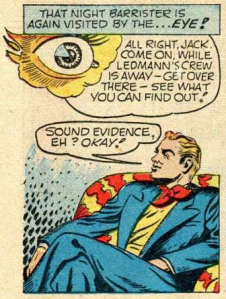
Also, owing to the fact that this was a brand new genre and folks were still figuring out the rules these comics tended to be absolutely batshit insane.
In the forties we had a superhero who was a giant flying eyeball. How’s that for diversity?

In the forties we had a superhero who was a giant flying eyeball. How’s that for diversity?

And then, with the war over, the superhero fad died about as quickly as it had ignited and superheroes pretty much vanished from the shelves with the exception of a few stubborn holdouts like Superman.
Now, I want you to imagine that you wake up tomorrow and everyone is playing POGs. Like, POGS are suddenly huge again. Kids are playing POGs, college students are playing POGs,  journalists are writing long earnest think pieces about the cultural ramifications of the POGsurgance instead of doing actual work. This weird fad from fifteen or twenty years back suddenly comes roaring to prominence again and never leaves and before you know it movie studios are making massive-budget spectacle movies with inter-connected continuity and people are lining down the street to watch Pog versus Pog: Dawn of Pog.  That’s kind of what happened with the dawn of the Silver Age of comics in the late fifties/early sixties. So what happened?
“Two words. Sput! Nik!”

“Two words. Sput! Nik!”

With the dawn of the space race, America became obsessed with science and its wild, stoner little sister science fiction. Whereas Golden Age heroes tended to have magical or mythical based powers, the new crop of superheroes belonged firmly in the realm of science fiction. Instead of getting his powers from an old magic lantern, the new Green Lantern was a space cop gifted with fabulous technology by a race of all powerful aliens. The new Flash was police scientist Barry Allen who eschewed the Roman mythology inspired look of his predecessor, Jay Garrick. Even the few surviving Golden Age heroes adapted to the times; I mean look at what poor Batman had to deal with for chrissakes:
“I AM THE NIGHT!”

“I AM THE NIGHT!”

Over at Marvel, the hottest new properties were Spider-man, a science student turned superhero, and the Fantastic Four, a quartet of astronauts who literally got their powers as a result of the space race.
Much like “the sixties” doesn’t simply mean the years between 1960 and 1969 but refers to an entire cultural…thing, “silver age” has come to represent a specific attitude and aesthetic in comics. The comics of this period tended to be bright, optimistic, occasionally goofy as hell and suffused with a spirit of Moon Shot era can-do. New Frontier, Darwyn Cooke’s classic  2004 love letter to that whole era, simultaneously interrogates the period in which those stories were written while simultaneously celebrating what made them great. In 2008, Cooke teamed up with his old partner Bruce Timm (Batman the Animated Series) to adapt this story as part of Warner’s line of direct to to DVD animations. Did Cooke’s work make the transition unscathed? Let’s take a look.
Blucatt ad

(more…)

Thoughts on New York

The lift in the hotel goes so fast and so high your ears pop.

There is a constant rumble in the background. The sound of millions of living human beings. It sounds like thunder about to break but it’s also oddly soothing.

It costs how much?

No, I don’t want to buy your CD.

The bus tour costs over $150 and is worth every damn cent.

The hotel is near a fire station, and the wail of the sirens ricochets off the sides of the skyscrapers. It sounds like wolves tearing around the tower, trying to get in.

Times Square feels like reality is breaking down around you in a bleed of colour, light and noise. If someone walked up to you and said “This is a dream. You are about to wake up.” you’d believe them.

It costs how much?

The fancy food is great. The fast food is AMAZING.

For such a large city the people are really friendly.

“Hey, what part of the UK you guys from?” “Ah ha ha. Bravely spoken.”

(more…)

“I don’t want to kill anyone. I just don’t like bullies.”

True story. A few years ago now when I was getting ready to move out of my parents’ house, I was clearing out my stuff from my bedroom, the bulk of which was pretty much every issue of SFX magazine published between 1997 and 2004. And I found myself with two copies in my hand, one from August 2001 and the other from October 2001. I idly flicked through the August issue and found myself reading the comic reviews, one of which was a little quarter-page panning of Captain America # Fifty Bajillion drawn by Who Knows and written by Who Cares. The review was scathing; the art’s terrible, the writing’s appalling and worst of all, the main character’s just not interesting or relevant anymore. The review finished by noting that Marvel had been dropping hints that one of their oldest characters was going to be killed off and it didn’t take a genius to figure out that Cap was not long for this world. I then flicked through the October 2001 issue and again turned to the comics section. And there was a full page review of the new Captain America #1, with a top tier art and script team and a story about Steve Rogers defending Muslim New Yorkers from racist attackers while trying to track down an Al Qaeda cell.

Cometh the hour. Cometh the man.

For a character whose entire schtick is being a man out of time, when he was originally created Captain America was actually ahead of his time. In America in 1940 public opinion was firmly against become involved in another European war. In New York however, many of the men working in the comic book industry were  the children of Jewish immigrants who often still had family back in Europe and felt a personal connection to the horrors being committed by the Nazis. One of those men was Joe Simon who conceived of a patriotic, Nazi-battling character named “Super American”. Deciding that the name was a little too similar to a certain other superhero, he changed it to “Captain America”, a name so instantly iconic that nowadays you just have to put the word “captain” in front of any random noun and it sounds like a superhero name. Simon pitched the idea to his editor Martin Goodman who liked it so much that he ordered him to create a solo Captain America series, a big gamble to take on an untested character. Simon’s usual partner was artist Jack Kirby but Simon wanted to bring in two additional artists to deal with the workload of creating an entire book’s worth of stories based on one character. But Kirby was so invested in the character of Captain America that he insisted on drawing the entire book himself, which he did, and on time.

The first issue sold as well as any comic that features Hitler getting punched in the face should. The character was an immediate hit, becoming the first genuine superstar character of Timely comics (which would later become Marvel). Not all the attention was positive, however. American Nazis began sending threatening letters and one time even called the offices of Timely challenging Jack Kirby to come down and fight them in the foyer. Kirby ran down only to find they’d run off because it was Jack Frickin’ Kirby and they may have been Nazis but they weren’t crazy. Regardless, for a while the city of New York actually had to provide police protection to the building. After Pearl Harbour, Captain America became even more popular, with his comics distributed to American service men to boost morale. Many of the Timely artists and writers were drafted during this period. Stan Lee, for example, who got his break in Timely writing Captain America prose stories (he was the one who came up with the whole “throwing the shield as a weapon” thing) was put to work making propaganda. One day he was found breaking into the army post office, trying to mail a script off to Timely. He was told he’d be court-martialed, only to be released the next day when the editor of Timely rang his commanding officer to point out that jailing the writer of Captain Frickin’ America might be bad for the army’s morale.

Jack Kirby also joined the army but opted to serve on the front lines, becoming one of the few American soldiers who had experience fighting Nazis as a hobby before going pro.

Unfortunately, America won the war…I mean obviously not “unfortunately” in the grand scheme of things but unfortunate for Captain America. You see, Captain America was very much a reaction to the Nazi menace, which is what made the character so timely (pun!) and important. But of course, once that menace was defeated, Captain America didn’t really have a purpose anymore. In fact, the same could be said for the vast majority of superheroes who had followed in his wake. The superhero boom pretty much died with Hitler, with only a few characters like Superman, Batman and Wonder Woman surviving the decade. Timely tried repurposing Cap as a commie fighter, but it just wasn’t the same. Timely changed its name to Atlas, dropped the superhero genre entirely and started focusing on sci-fi and monster tales.

It wasn’t until the sixties that Cpatain America got his second origin story. The third issue of The Avengers had the newly formed team finding Captain America floating in the Arctic Sea in a block of ice having gone missing near the end of WW2 (all the stuff about him fighting communists was retconned as actually having…you know what, fuck it, no time). Captain America then joined the team as a man out of time, a morally pure Rip Van Winkle trying to adapt to a confusing and complex modern world, and that’s pretty much been his niche ever since.

Since then, Captain America has had his share of classic runs and great stories, but there’s no denying that he’s a tricky character to do right. Like Superman and Wonder Woman, it takes a writer with skill to make him work (though it’s a truly wonderful thing when he does). For a long stretches of the twentieth century it often seemed like Marvel didn’t know what to do with Captain America, often giving him to creators who really had no business writing the character, which is how we got Rob Liefeld’s godawful Heroes Reborn Captain America.

I'd say "We do not speak of the Sentinel of Libertitty" but let's be real. We never stopped.

I’d say “We do not speak of the Sentinel of Libertitty” but let’s be real. We never stopped.

 Since the beginning of the 21st century however, Cap has once again become one Marvel’s top tier characters, attracting industry leading talent and the kind of popularity he hasn’t really known since the time of his creation. Part of that is, well, yeah, obviously…

"9/11 changed EVERYTHING Brian!"

“9/11 changed EVERYTHING Brian!”

But as well as the natural impulse to rally around such a patriotic symbol in troubling times, Captain America is simply a character whose time has come again. In the forties, Cap was popular but he was by no means unique. The stands were overflowing with patriotic, square jawed do-gooders. Hell, Captain America wasn’t even the first superhero to wear the American flag and carry a shield. But the superhero genre has changed so utterly since those days that what once made Captain America almost generic now makes him almost unique. Nowadays, a superhero who’s just a genuinely decent person is refreshing and almost edgy. He may be old fashioned, but these day? Like the man said, people need a little old fashioned.

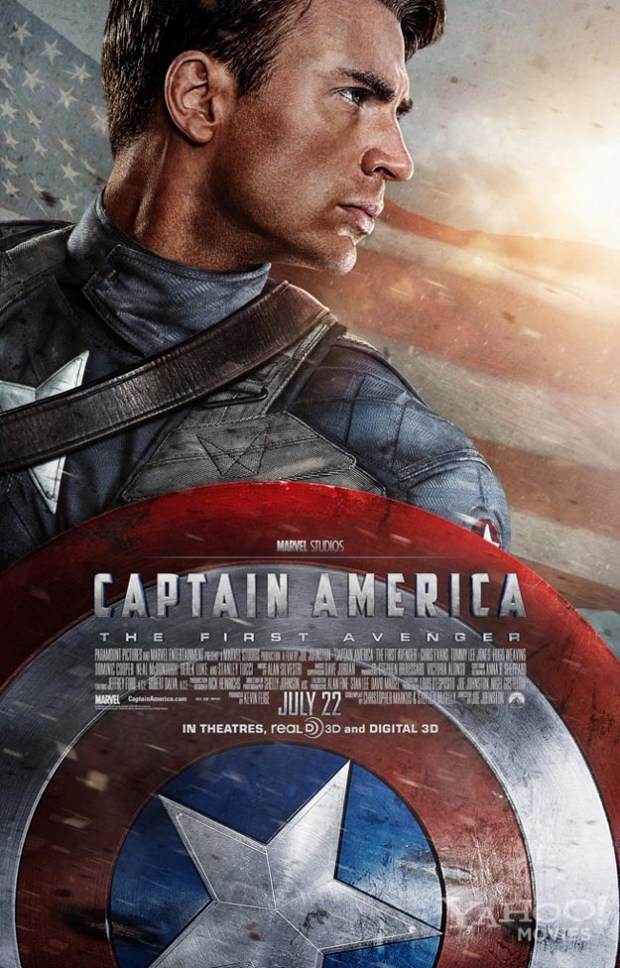
2011’s Captain America, the first movie featuring the character that fans will actually acknowledge exists, works and works so damn well, because it gets that.

Blucatt ad

(more…)

“Could you please pull over? I think I’m going to be sick.”

Captain America is old school. Real old school. One of the very earliest generation of superheroes who has managed to remain not only relevant but arguably more popular than ever…
Hello?
Hello?
Where is everyone?
“C’mon guys, we got a review to do!”

“C’mon guys, we got a review to do!”

“Fuck you, mazerunner!”

“Fuck you, mazerunner!”

“WHOAH! DUDE!”

“WHOAH! DUDE!”

“We don’t review movies on 1st April. We told you this.”

“We don’t review movies on April 1st. We told you this.”

“Yeah dawg, this mo-fawkin day is like your personal “Friday 13th done knocked up Halloween and this here’s there ugly-ass day baby.” day”

“Yeah dawg, this mo-fawkin day is like your personal “Friday 13th done knocked up Halloween and this here’s there ugly-ass day baby.” day”

“We all know what’s going to happen. Horned King or BluCatt or one of the bajillion evil dudes you’ve managed to piss off will make you review something terrible and who suffers?”

“We all know what’s going to happen. Horned King or BluCatt or one of the bajillion evil dudes you’ve managed to piss off will make you review something terrible and who suffers?”

“Me?”

“Me?”

“US! So I refer you my previous “Fuck you mazerunner!” Good day!”

“US! So I refer you my previous “Fuck you mazerunner!” Good day!”

“Guys…”

“Guys…”

“I said “good day” sir!”

“I said “good day” sir!”

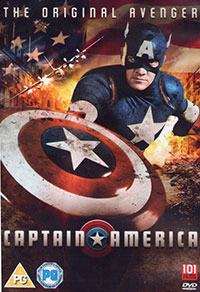
Guys c’mon. That was the old Mouse. This blog has become a lot more serious since I started reviewing Marvel movies. As the movies have become more mature, I say, so too has Mouse. Look, today’s movie is Captain America: The Original Avenger. It’s a great film, nothing bad’s going to…

Guys c’mon. That was the old Mouse. This blog has become a lot more serious since I started reviewing Marvel movies. As the movies have become more mature, I say, so too has Mouse. Look, today’s movie is Captain America: The Original Avenger. It’s a great film, nothing bad’s going to…

“Don’t you mean “first” Avenger?”

“Don’t you mean “first” Avenger?”

“No, look, it says here right on the cover…”

“No, look, it says here right on the cover…”

Wait. That’s not Chris Evans and his boyish blue eyes that would melt your heart.

Wait. That’s not Chris Evans and his boyish blue eyes that would melt your heart.

Oh no.
“Mouse. Sit down. Our game is about to begin.”

“Mouse. Sit down. Our game is about to begin.”

“Katzenberg?”

“Katzenberg?”

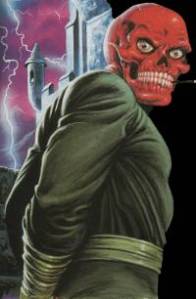
“Please. Please. Red Skull is fine. I have come to collect on that favour you owe me.”

“Please. Please. Red Skull is fine. I have come to collect on that favour you owe me.”

“I owe you a favour?”

“I owe you a favour?”

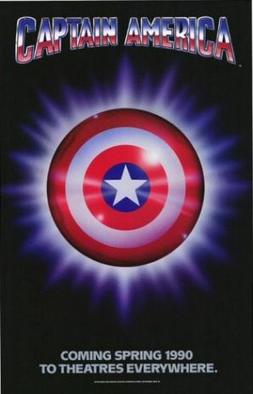
“Of course. I allowed you to review How to Train Your Dragon and now you must do something for me. You must review 1990’s Captain America, one of the worst Marvel movies ever made!”

“Of course. I allowed you to review How to Train Your Dragon and now you must do something for me. You must review 1990’s Captain America, one of the worst Marvel movies ever made!”

“Shock! Gasp! That thing you said would never happen happened!”

“Shock! Gasp! That thing you said would never happen happened!”

“Skull. You forget who you’re talking to. I’ve reviewed Foodfight. Your ninties Golan-Globus schlock has no power over me.”

“Skull. You forget who you’re talking to. I’ve reviewed Foodfight. Your nineties Golan-Globus schlock has no power over me.”

“Skull. You forget who you’re talking to. I’ve reviewed Foodfight. Your ninties Golan-Globus schlock has no power over me.”

“Then come. And let us see if this snark of yours is stronger than my hate.”

So I hope no one will object if I skip the historical overview and earnest analysis of Captain America as a character until the next review? When I review a Captain America movie that wasn’t assembled by meth-addicted gibbons? Brilliant, let’s crack on.
AD

(more…)

Song of the Sea (2014)

Pff. Women, amirite? One day you’re walking down the beach and you see a beautiful woman walking out of the sea, you hit it off, you get married, have a couple of kids and then BAM! Turns out she’s a seal and she’s off gallivanting with her seal buddies without even leaving a forwarding address for child support. Ain’t it always the way? Well, maybe not where you come from but in Ireland it’s practically an epidemic. The canon is full of selkie stories. Shit, if I had my druthers, every Irish exchange of marriage vows would include the sentence “And by the way, I am totally not a seal.”

Selkie stories are not exclusively Irish, of course. In fact, it’s probably more accurate to call them a Scottish tradition but you also find Selkie tales in the Faroe Islands and Iceland and despite the basic similarities (seal turns into a woman, marries a human) they run the gamut from tragic romances to horror stories. A common feature is that the Selkie has a seal-skin cloak, without which she can’t turn into a seal again. The fisherman hides the cloak from her for years, until one day their children are searching around in the attic, find the cloak and show it to her, at which point the Selkie’s all “Laters!” and makes her escape. A particularly grim version from the Faroese Island of Kalsoy has the Selkie return to her seal family, only for her human abductor to kill her husband and children in revenge. The Selkie then swears to basically kill every dude from his village until there are enough bodies to circle the entire island which she is still doing to this day.  Then there are other stories where the marriage between the fisherman and Selkie is loving and consensual, but she has to to turn into a seal to save him from drowning and so can never return to live on land. The universal theme running through these stories is loss. Happiness is transient, loss is forever. Sounds like a fun cartoon to me!
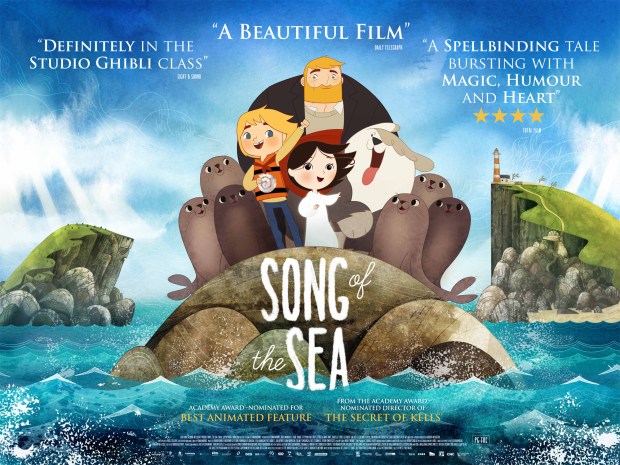
To follow up the phenomenal success of Secret of Kellsdirector Tomm Moore basically created Song of the Sea, an to homage selkie stories and to his own childhood growing up in Ireland in the eighties. I also grew up in Ireland in the eighties, but I remember it being distinctly less magical.

"Well, apart from the whole "being transformed into a mouse" thing.

“Well, apart from the whole “being transformed into a mouse” thing.”

(more…)