Hey folks, new episode has dropped. This go round we talk about Johnson and Friends, an Australian show for tots that aired in the nineties and that features grown ass adults in fuzzy animal costumes. What could be more wholesome?
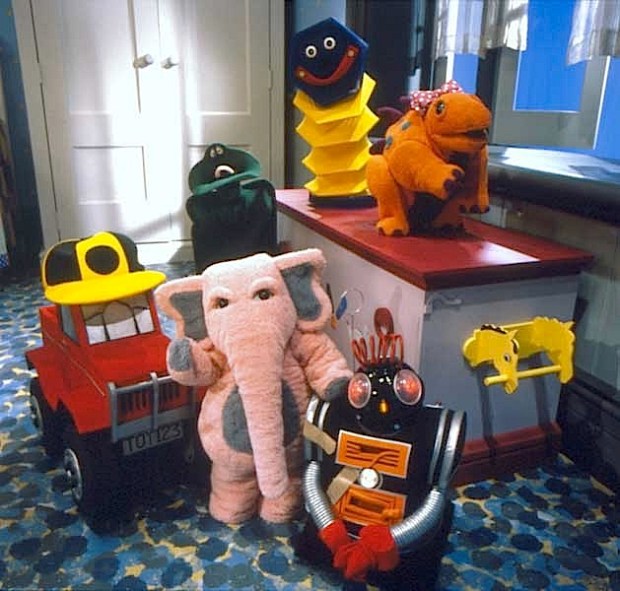
Hey folks, new episode has dropped. This go round we talk about Johnson and Friends, an Australian show for tots that aired in the nineties and that features grown ass adults in fuzzy animal costumes. What could be more wholesome?
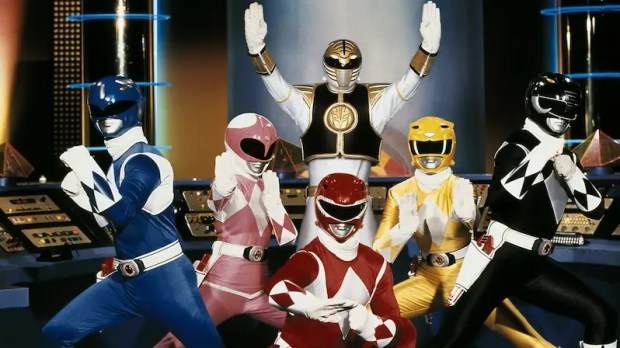
Hey folks, sorry for the wait, but we think it’s worth it! Our epic ninety minute look back at the iconic (in)famous Mighty Morphin’ Power Rangers!
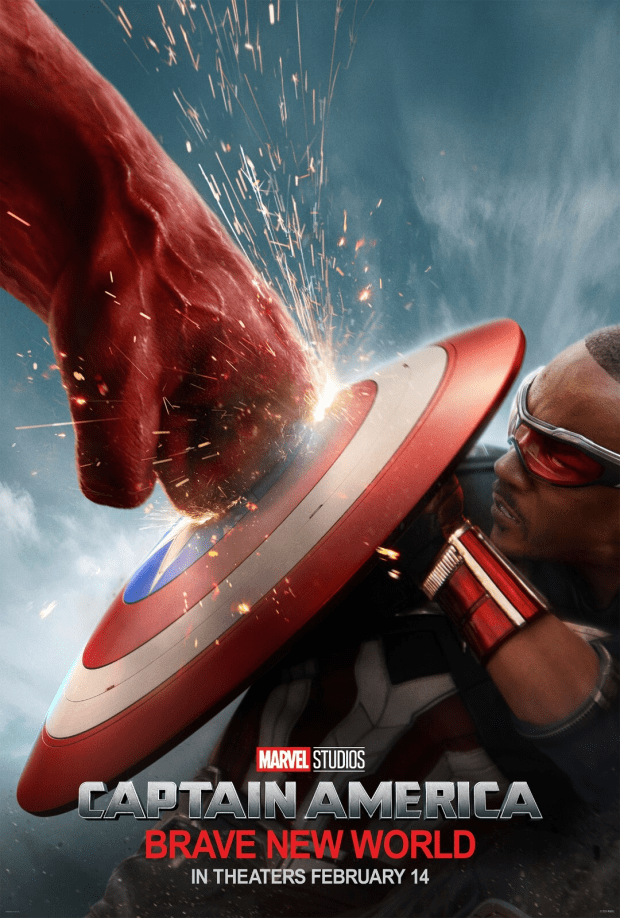
It’s not a job I’d want as a writer, I’ll tell you that much.
Trying to write the first movie about a black Captain America in such a viciously polarised time is a hell of a poisoned chalice and I don’t envy the approximately eighteen thousand screenwriters who worked on Captain America: Brave New World. What does it mean for a black man to represent America given, y’know, the whole business? That has to be delved into right?
Or does it? Is it fair to insist that Sam Wilson has to make some great serious statement on The Issue of Race, when you would never ask that of Steve Rogers? Shouldn’t Sam Wilson just be able to be Captain America without it being a whole thing?
Personally, and this is just my instinct as a writer, I would have focused on winning the crowd over in the first movie with a really kickass Captain America movie and keep the heavy stuff for further movies down the line once Wilson/Mackie had been accepted by a critical mass of the fanbase as the new Cap.
I don’t know how I would have done that exactly.
I can tell you one thing: I wouldn’t have done this.
This being a stealth sequel to 2008’s The Incredible Hulk where Captain America feels like a supporting character in his own damn movie.
(more…)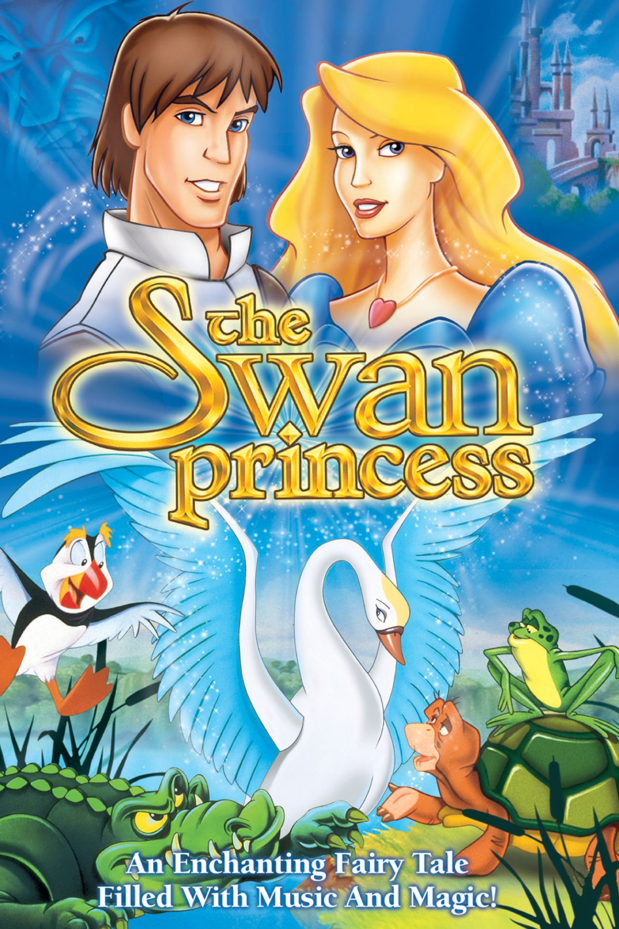
There really should be a sub-genre for animators who left Disney during the eighties all ready to set up their own animation studio with blackjack and hookers…only for Disney to get their groove back with The Little Mermaid and eat them alive. We all know of Don Bluth, of course, the one who came closest to unseating the Mouse from its throne. And we’ve also met Phil Nibbelink. Well today we’re going to look at another of these would-be contenders; Richard Rich:

So how’s this for some animation bona fides: Richard Rich was the director of not one but two Disney animated features.

Those features were The Fox and the Hound and The Black Cauldron.

Now now, let’s be fair. Disney in the mid-to-late eighties was in its most hellish creative funk since World War Two. The kind of hellish creative funk that would not be seen again until the early 2000s and…now. Of all the hellish creative funks Disney has been in I’d rank it…somewhere in the middle. Bad times, anyway. Disillusioned by working on Oliver & Company (as anyone would be) he left in 1986, convinced that the old studio was a goner and that nothing could ever change that.

After a stint in the desert making religious animation for the Church of Latter Day Saints, Rich watched the Disney Renaissance take off and decided to make his play for the crown with The Swan Princess, an animated re-telling of the ballet Swan Lake, without any actual ballet (thank Christ). Made on a paltry budget of 20 million dollars, it was worked on for four long years before being released in 1994, where it had to compete against The Lion King. The result was pretty much what would happen if you pitted a real swan against an actual lion, but it did have an extremely healthy second life on video. It’s not the worst of the Disney-chasers of this era, nor is it close to being the best. But it is significant for one very important reason. This was the last feature length, cinematically released animated motion picture that was created entirely by hand. Not a single cel of this was touched by the infernal machine. So let me be clear, no matter what I think of this movie…

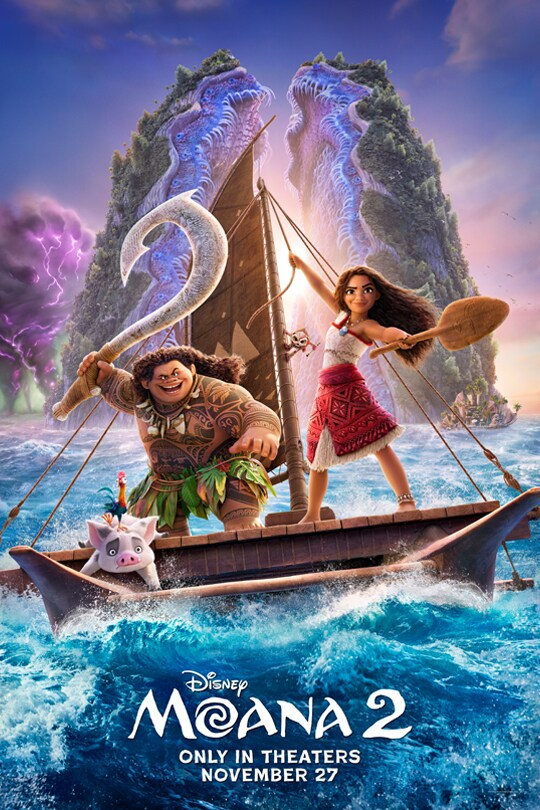

After a string of godawful mediocrities and outright turds the likes of which the canon hadn’t seen since the earliest years of the millennium, the opportunity was ripe for Disney to start filling the executive-grade wicker basket with heads and put some people in charge with fresh ideas and real talent.
But noooooooooooo.
Disney pulled the old “take the first three episodes of a scrapped TV show, wash it off and serve it up as a new movie” trick they used to pull in the direct-to-video sequel era and what did you do? Did you laugh? Did you scorn such obvious desperate chicanery? Did you hell!
ONE BILLION AT THE BOX OFFICE. FOR THIS.
We could have had another Renaissance with a bit of luck. Instead, I’m going to be reviewing Frozen 13 when I’m in my nineties. Because obviously the reason Strange World, Raya and Wish flopped was not that they were poop on a bun, it’s because they were original ideas (kinda). I mean, it’s hard to make the argument that quality was the issue when all it took them to make a billion dollars was to put the number “2” after the title of one of their most popular films.
The future is bleak, and I’m not just saying that because the proliferation of AI slop online means that every time I search for images to use I run the risk of seeing something that will make me want to put my head in a mouse-trap.

You have probably never heard of Theodore Kaufman, an obscure American self-published author who wrote in the 1940s. Hell, even if you’d been living in America in the 1940s you almost certainly would never have heard of him. However, if you were a German living in the Third Reich during the war you would absolutely have known who he was, and would have believed him to be one of the most dangerous men alive.
In 1941 Kaufman self-published Germany Must Perish!, a bright little volume about how Germans are pure evil, just bad on the genetic level, and that the only way to ensure the peace of the world was to sterilise the entire nation and let them die out. Now, you might (I really hope you wouldn’t, but you might) argue that race-based genocide is fine if the other guy started it first, but that’s because you forgot about Goebbels.

Goebbels milked Kaufman’s little pamphlet for everything it was worth, using it to turbocharge Germany’s propaganda machine and convince ordinary Germans, even those who hated the regime, that the war was a literal battle for their survival as a people. Goebbels presented Kaufman as FDR’s Svengali, the intellectual driving force behind America’s war against Germany. When, in reality, he was the forties equivalent of the least unhinged political Tiktoker. Germany Must Perish! was such a gift to Goebbels that the American journalist Howard Smith remarked:
“No man has ever done so irresponsible a disservice to the cause his nation is fighting and suffering for than Nathan Kaufman.”
Which is why, even at the risk of friendly fire, it is so important to call out people on your own side of the aisle who are saying evil, crazy shit. Not just because it’s evil and crazy (though that should be enough reason) but because it’s tactically vital.
We can dismiss Kaufmann’s thesis out of hand, just as any racially essentialist argument should be dismissed out of hand, but that still leaves the questions:
Why Germany? Could it have happened anywhere and Germany just drew the short straw? Or was there something particular about Germany that made its local manifestation of fascism so uniquely malevolent? And if so, how much blame do ordinary Germans bear for the actions of the regime?
My, this is a fun one, isn’t it?
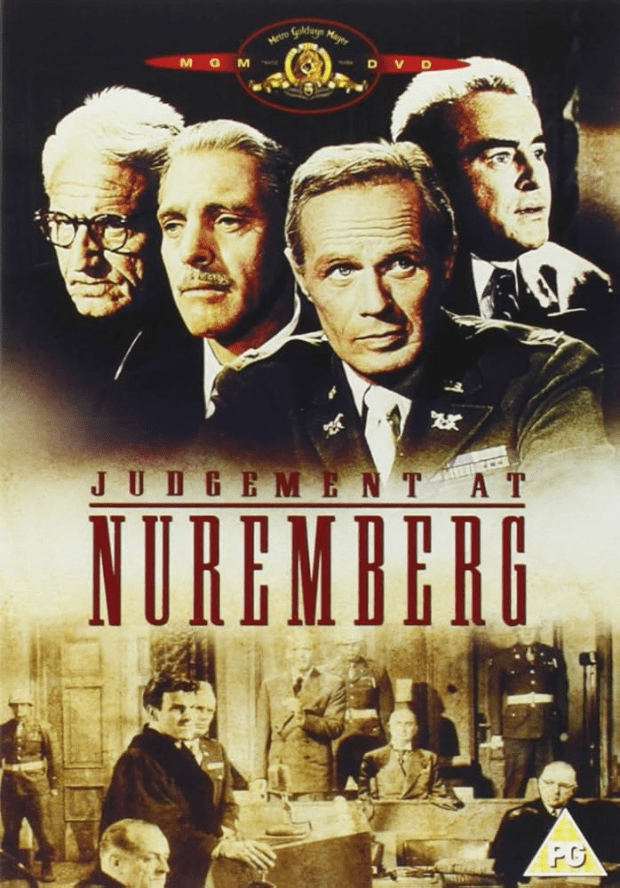
It’s not something that can ever be objectively proved. I’ll keep my own answers until the end of the review but they’re just, like everything else on this blog, my own opinion. Today’s movie grapples with those very questions. And it begins within a man arriving in the ruins of Nuremberg, as the ashes of the last war still cool, and a cold wind has begun to blow in from the East…
(more…)
Probably the most thankless job a director can set himself is trying to adapt a beloved stage musical to screen, as the people you most need to win over for your movie to be a success (fans of the stage version) are also the people most likely to tar and feather you in the streets over the slightest deviation from the source material. You may think comic fans get salty about adaptation changes, but they have nothing on musical theatre nerds.
That’s probably why, despite musicals still being a lucrative movie genre, stage musicals adapted to screen are a rare beast and only getting rarer. Of the 50 top grossing movie musicals, only six began life on stage. The rest are either originals like The Greatest Showman, animated musicals or jukebox musicals like Bohemian Rhapsody or (sigh) Alvin and the Chipmunks.
Of course, it wasn’t always thus. The middle decades of the 20th century were a golden age for adaptations for stage musicals as that was the point where theatre and cinema were most alike. Colour photography and improvements in sound tech meant that cinema could finally match the visual and audio splendour of theatre. But, cinema had yet to fully embrace the freedom inherent in the medium and movies of the first half of the century often closely resembled filmed plays with constructed sets and static cameras. As cinema became less and less indebted to its theatrical roots, adapting stage musical to screen became a lot more challenging. To put it simply: movies are not plays and plays are not movies. And trying to turn one into the other can result in some pretty radical changes. And all those challenges are right up on screen in Into the Woods, a movie based on one of the most inherently theatrical musicals of the modern era.
(more…)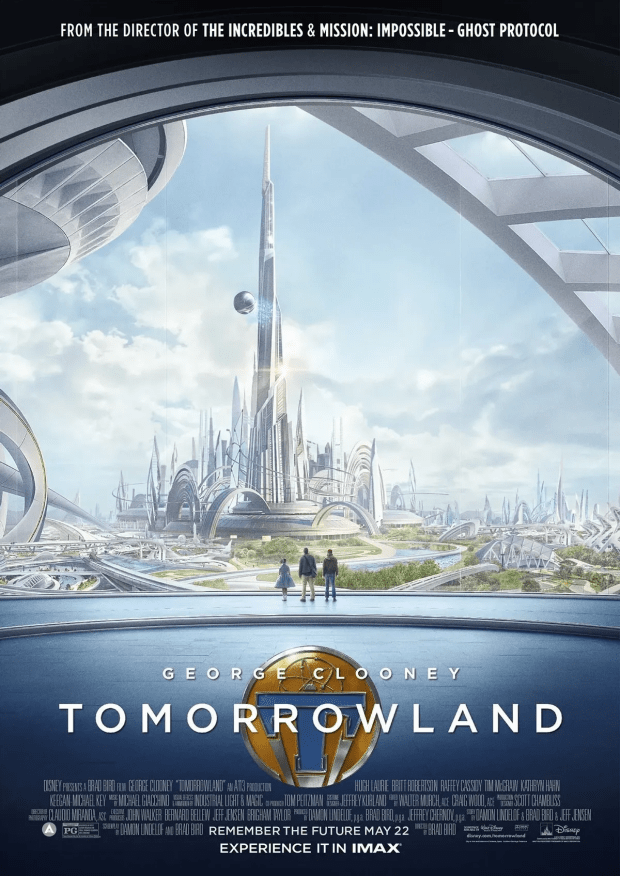
Hey remember that time Disney spent a load of money on a science fiction epic that was visually spectacular but also kinda inert, weirdly off-brand for them, with a load of tonal and pacing issues that ended up costing them a load of money?
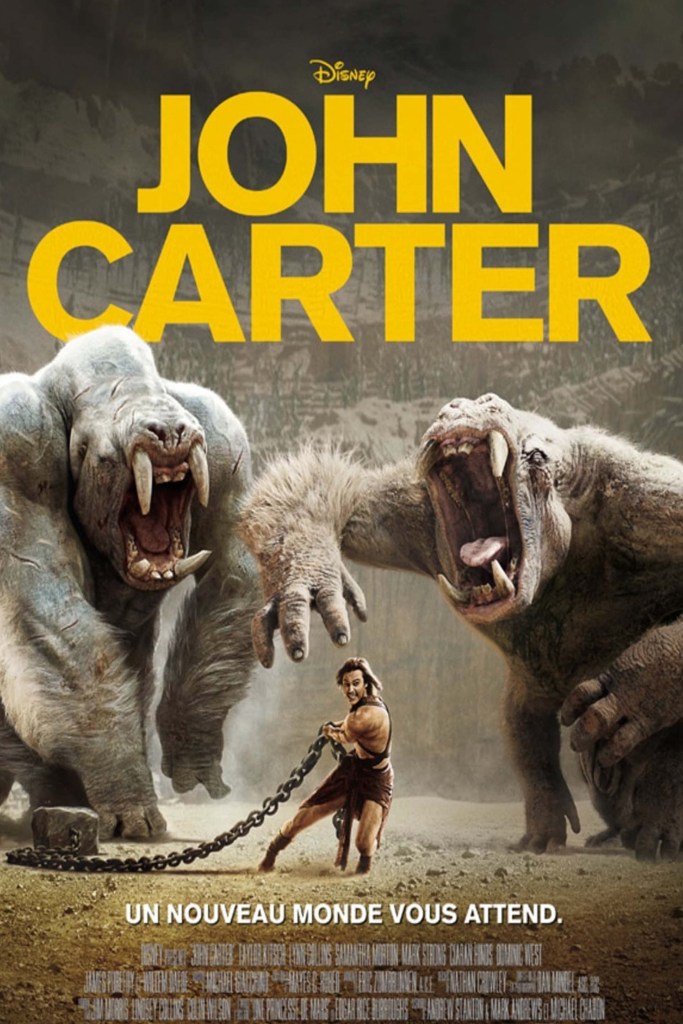
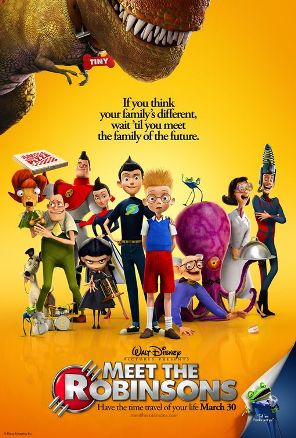
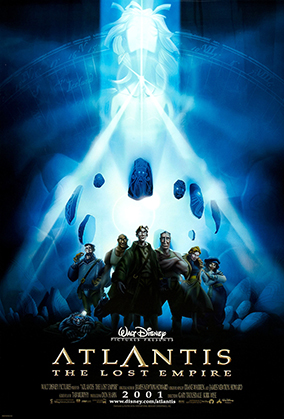
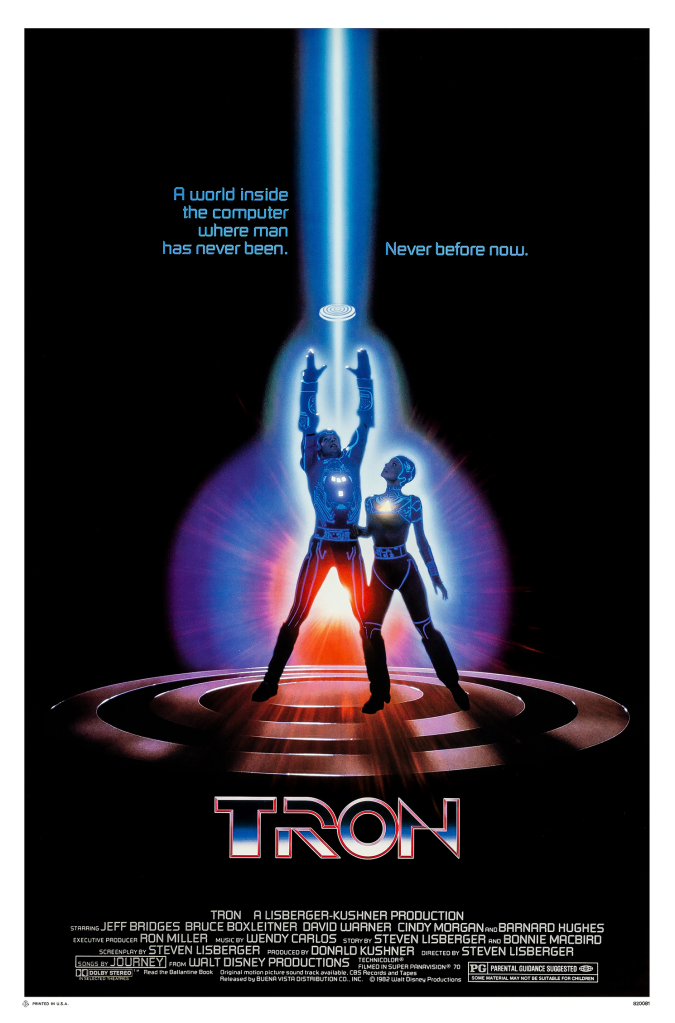
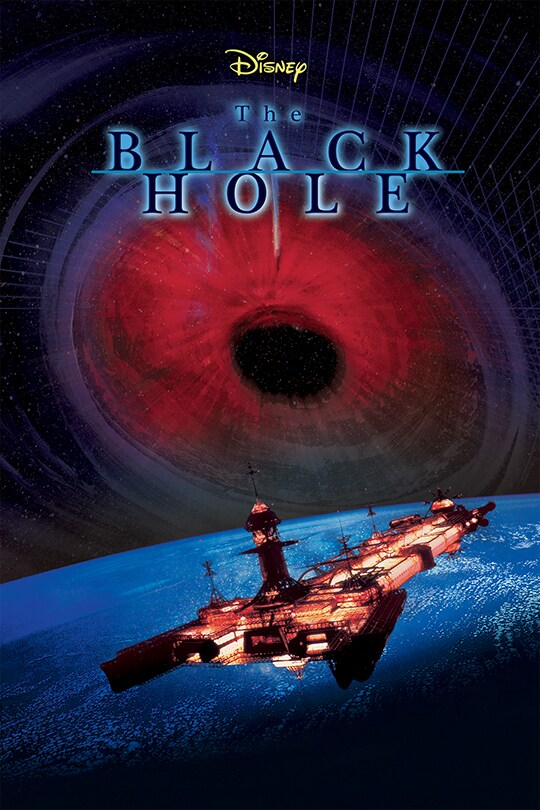
Anyway, Tomorrowland is the second (and to date last) live action feature directed by animation legend Brad Bird and it keeps alive the proud Disney tradition of sci-fi movies that I respect and want to like but are just fundamentally too dang flawed on the writing level to get anything other than a qualified endorsement.
(more…)
The nineties were awesome.
Look, I know everybody idolises the first decade they can properly remember but this is different. The nineties really were awesome. The Cold War was over, the War on Terror hadn’t started, we’d fixed acid rain and the hole in the ozone layer (and that whole global warming thing would probably sort itself out) and the only threats to world peace were goobs like Saddam Hussein and Slobodan Milosevic who would occasionally show up to cause trouble before being punted into the air like Team Rocket.
Plus, the movies, the TV shows, the music. I love this whole era. So I was overjoyed when I finally got my hands on a boxset of the complete Daria, an animated sitcom that ran from 1997 to 2002. Not merely a nineties show, but probably the most nineties show.
And imagine my disappointment on discovering that, like so much nostalgia, it doesn’t actually hold up all that well.
(more…)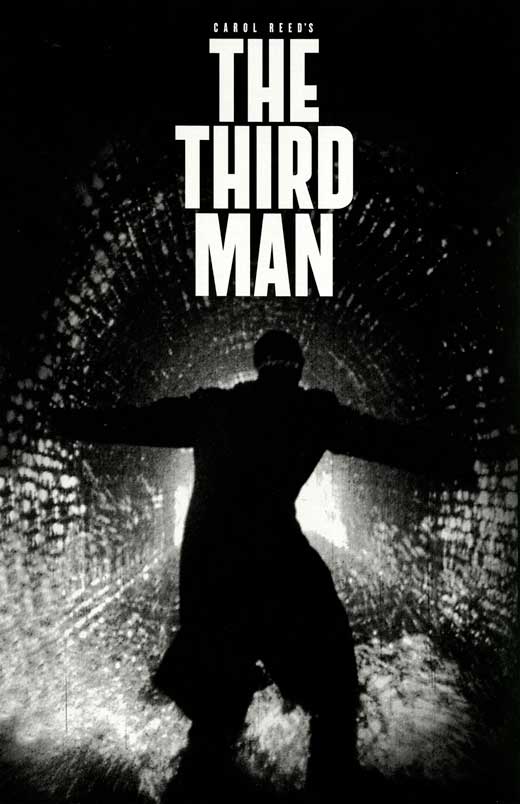
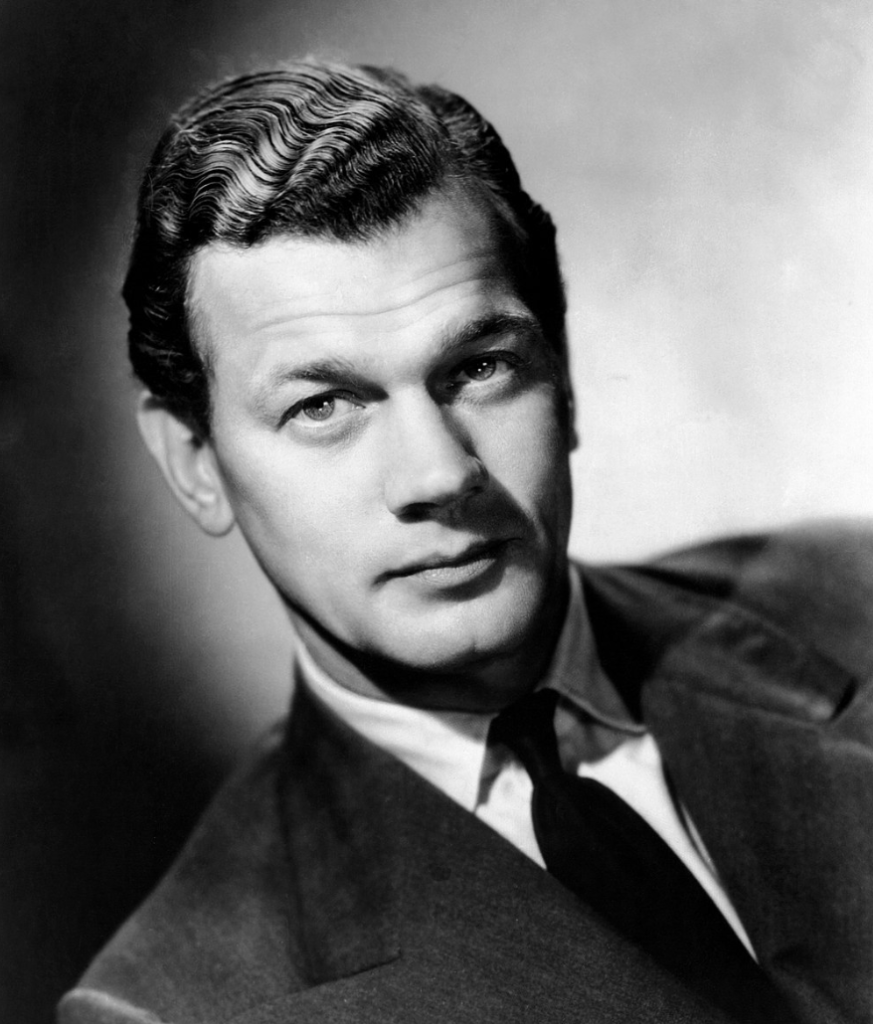
I don’t honestly know if I should feel sorry for Joseph Cotten or envy him. He had a long and storied career in theatre and film, appearing in several movies that are the mainstay of any respectable list of greatest films of all time. How could you pity any actor whose CV includes The Third Man, The Magnificent Ambersons and of course the big gorilla in the room, Kane?
At the same time, when you think of those movies Cotten’s name isn’t exactly the first one that comes to mind, is it? Of course not.
It certainly doesn’t appear that Cotten resented the fact that Orson Welles was essentially the star around which Cotten’s career orbited, as the two men maintained a close and warm friendship right up until Welles’ death in 1985. And it’s not like he was completely overlooked, either. In fact, it’s so common to say that Joseph Cotten was one of the most underrated stars of Hollywood’s Golden Age that he probably no longer even qualifies as underrated. But screw it, it’s my blog, and if I want to turn it into a Joseph Cotten appreciation corner who of you will stop me? That’s what I thought. We’ve Gotten Cotten Fever up in here!
 unshavedmouse