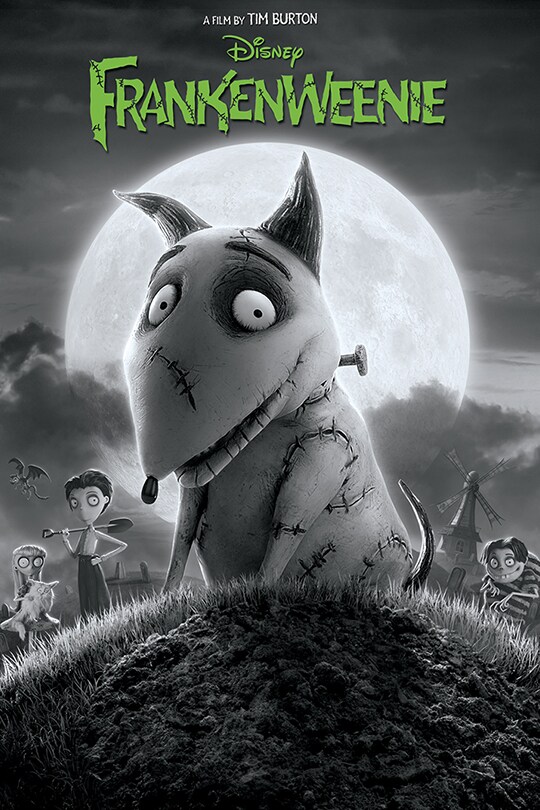
In 1984 Disney took a punt and gave one of their young animators, a skinny pale young-feller-milad named Tim Burton some money to make a live action short and recoiled, in horror, at what he wrought by tampering in God’s domain. It’s a truly terrifying film, and even looking at the poster has driven me quite mad. Oh yes!
It’s called”Frankenweenie” but he’s not a weenie dog he’s a bull terrier and no one ever mentions that am I MAD I MUST BE MAD HAHAHAHAHAHAHAHA!
Seriously, it’s a rather charming if ludicrously cheap and cheerful little short about a boy named Victor Frankenstein who uses lightning to bring his beloved dog back to life. And Disney took one look at it and said “Dark? Weird? GOTHIC?! We never expected this of YOU, Tim Burton!” and fired his ass.
Fortunately, the short brought him to the attention of Paul “Pee-Wee” Reubens and Burton’s career was off to the races. Flashforward a few decades and Disney have finally realised that they quite like this Tim Burton character and he’s settled into a groove as one of the most reliable nipples from which they milk their never-ending stream of content. And what better way to mend fences than for Disney to pony up the money for a lavish, stop-motion, feature length do-over of Frankenweenie?
Do you need me to send you a picture of a weenie dog or are you assholes trolling me?
Now, I’m a pretty big Burton fan all things considered but his late period collaborations with Disney have been the absolute nadir of his career. But, can this return to his roots shoot a few volts into his long dead artistic drive?
The Lord of the Rings really shouldn’t work, should it?
Nine hours of wandering around in a made up fantasy world with tons of different factions, fake languages, dozens upon dozens of characters and a story drawing on thousands of years of fictional history, it should be a series that only the most hardcore nerds would have any interest in. So why is it so popular?
I think it comes down to two things:
Complexity resting on simplicity.
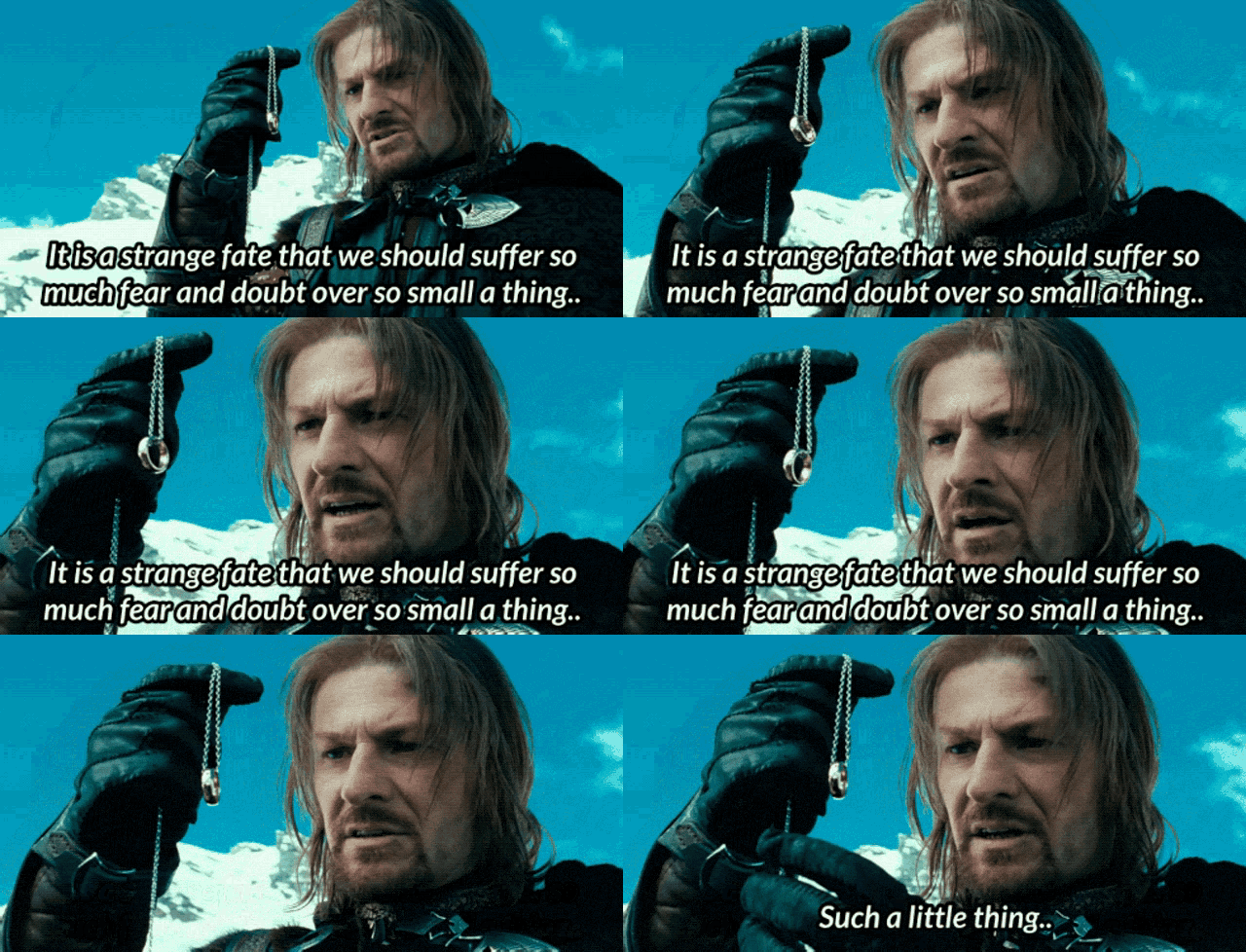
The Ring is not just a Ring.
The story of Lord of the Rings is fiendishly complicated but it all relies on one very small thing.
Frodo must destroy the One Ring. That’s the key to understanding everything that happens in the movie. Every other character’s story and motivations somehow branch off from that one central spine: Frodo must destroy the One Ring, everyone else is either trying to help him or stop him. Huge complexity resting on something very simple.
So what’s all this got to do with The Dark Crystal?
At some point in the early eighties someone in Hollywood (possibly Stephen Spielberg) decided that the children must be made to suffer.
I don’t know what it was, but the eighties were an absolute Golden Age for media ostensibly aimed at children that seemed “aimed” more like you’d “aim” a psychological terror campaign against an enemy army.
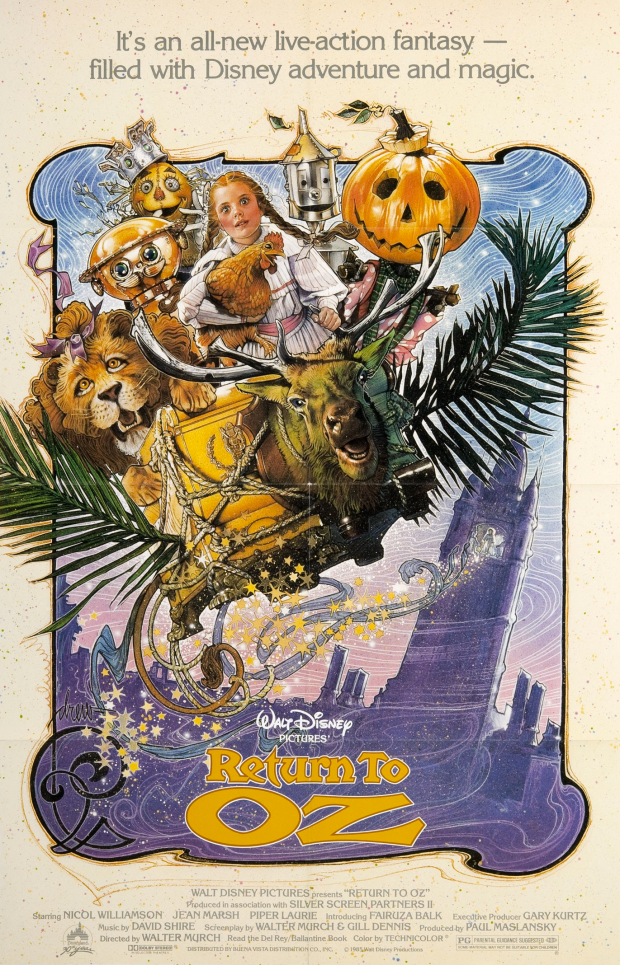
And atop any list of eighties kid’s movies guaranteed to traumatise your little angels you’ll find 1985’s Return to Oz a movie that I never saw growing up, presumably because my parents knew that if they tried to take me to it the cinema would never not smell of piss again.
My wife, however, has seen it and has kindly agreed to watch it with me…
“Hahaha no she hasn’t. Fuck off.”
‘Till death do us part my ass.
Alright, what is this thing anyway?
1939’s The Wizard of Oz is regarded by many to be the greatest movie Disney ever made, which tears them up inside because they didn’t actually make it. L. Frank Baum’s been dead a long ass time and if you want to make a movie based on his Oz books you just knock yourself out because they’re all in the public domain. But so much of what people associate with the Oz story comes not from the books but from the movie, which is still owned by MGM. Which means you gotta be real careful when making your own movie that you don’t impinge on any of the unique elements of that film like the ruby red slippers or the famous dialogue or Margaret Hamilton’s Wicked Witch of the West or else MGM will send the big lion around to eat your feet.
Of course, Disney would love to make their own direct sequel or remake to the Wizard of Oz but they can’t because a certain company lobbied hard and dirty to ensure that movie copyright in America lasts until roughly the heat death of the universe.
Ah karma. Sweet as mother’s milk.
Anyway, that’s more or less how we got Return to Oz. It’s a sequel based on an amalgamation of two of Baum’s later Oz books that the filthy Oz casuals among you probably didn’t know even existed. And rest assured, if it is shamelessly aping an older film, it’s definitely not Wizard of Oz.
“Man, Mouse sure has been pumping out those Batman reviews this year.”
“Da. No doubt because he is supporting the Hollywood Strikers by refusing to review any Marvel or Disney films until the strike ends.”
“Uh yeah. That’s what I did.”
Firstly, holy shit, Comrade Crow’s still alive.
Secondly, yeah, while that was totally my reason for focusing so heavily on Batman movies this year I swear, it was also because I wanted to finish Batman Begins so that this year’s Shortstember wouldn’t occur out of series chronology because OCD be a harsh mistress.
So, what’s on the menu this year, Mouse, you ask?
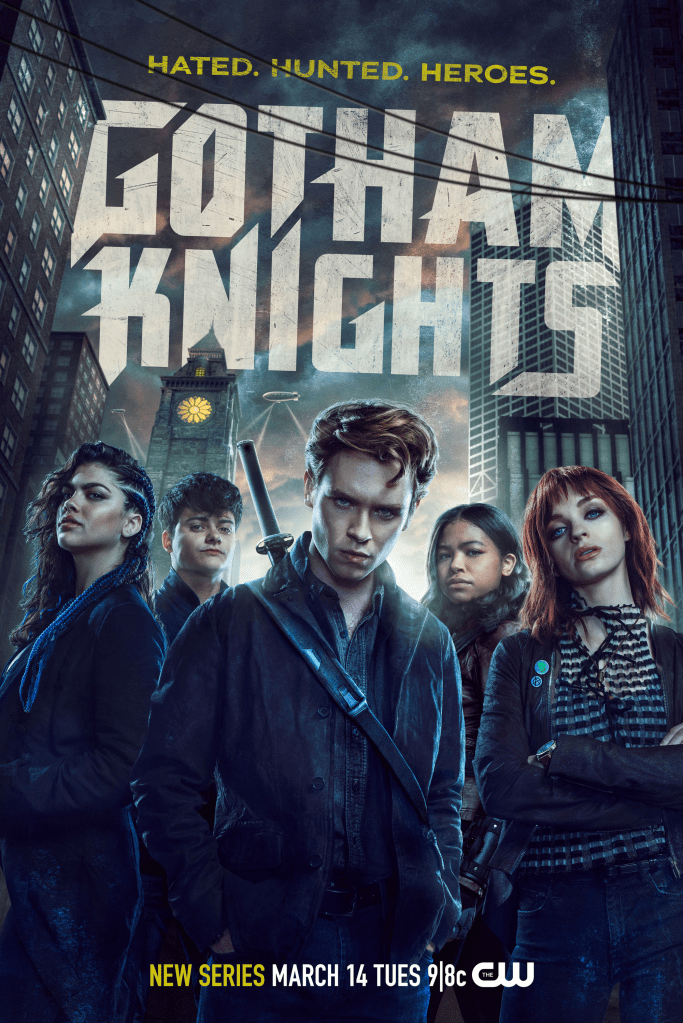
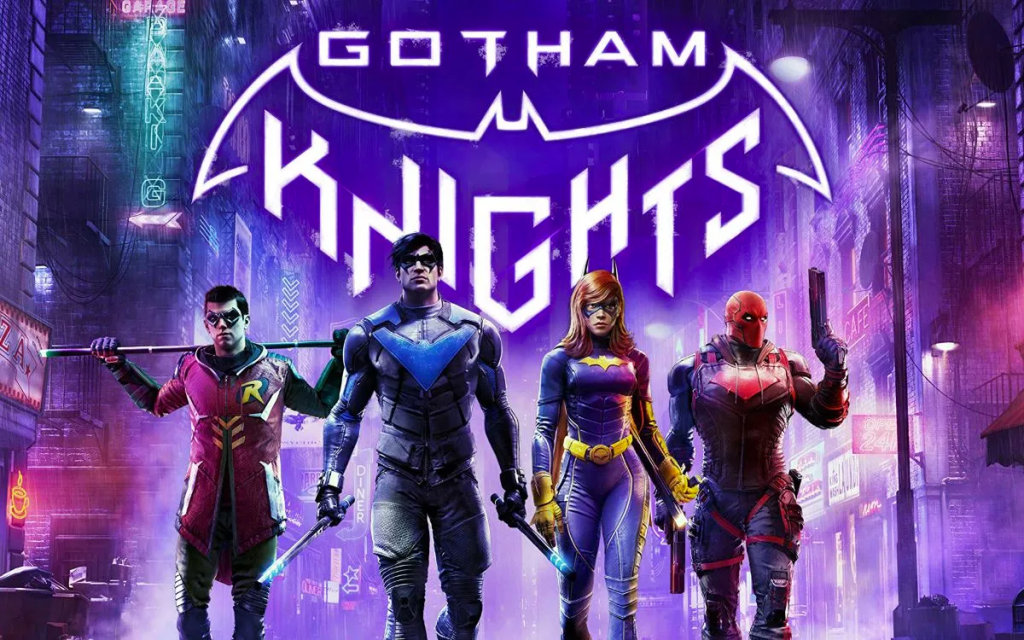
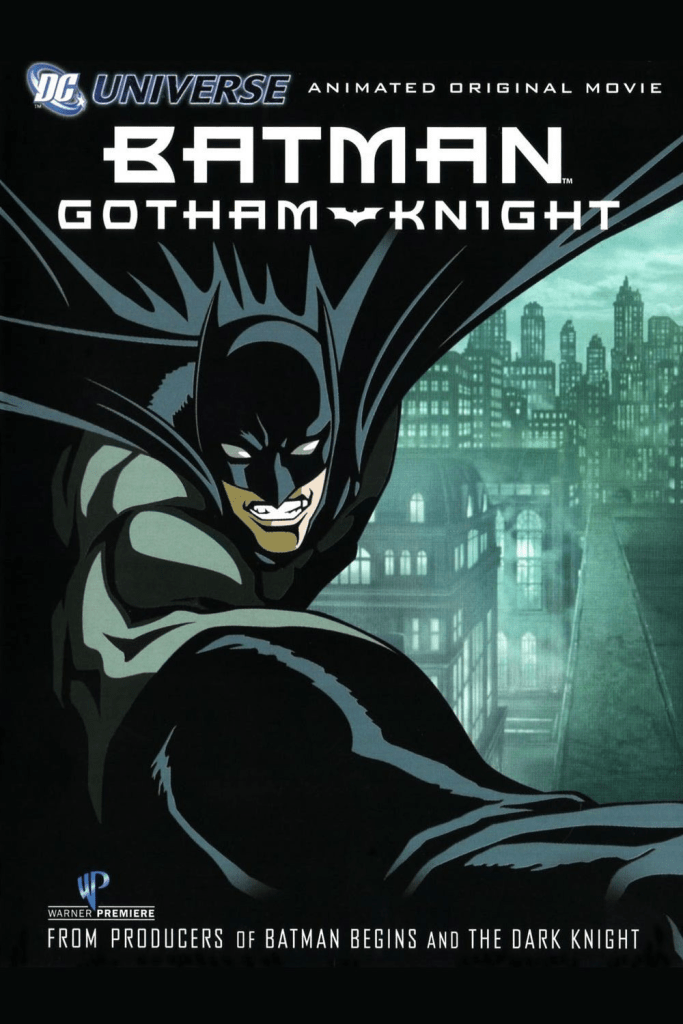
GOTHAM KNIGHT.
NO.
The other one.
NOOOOOOO. THE OTHER ONE.
Gotham Knight is a 2008 anthology film that takes places in the continuity of the Nolanverse between Batman Begins and Dark Knight. It’s a collection of animé shorts produced by different animé studios to whet fan appetite before the sequel to a popular movie comes out. You know, a bit like the Animatrix. Wait, no. That’s unfair. It’s exactly like The Animatrix.
Look, it’s animé Batman directed with Kevin Conroy. If your pants aren’t already on the floor, why are you even reading this blog?
So, here’s a little interesting factoid about me. If you ever meet someone from Ireland with the surname “Sharpson”, they are related to me. Like, immediately related. There are, at the time of writing, eight Sharpsons in the entire country. When I was growing up, there was my Dad, my three brothers, and me (my mother being a strong independent woman who refused to change her maiden name even for the sake of boosting the stats). That was it. My grandfather emigrated to Britain from Cyprus and then moved to Ireland in the fifties.
And, along the way, he anglicised his name to Sharpson, a name that had never existed in the country before then. So, we’re what you might call a rare breed.
Now, contrast that with my wife, whose family is as old as the hills, vast as the oceans and mad as lovely, lovely people. I say this not just as a way of banging out an intro to a review of a movie that I don’t really have much to say about other than “it’s good, I enjoyed it”, but to explain why the main character of Summer Wars, Kenji Koiso resonates with me.
Alright, firstly I want to discuss a resolution that I’ve made. Like many movie critics (and after eleven years that still feels presumptuous to say, thank you imposter syndrome) I’ve noted that the CGI in Marvel’s recent output has been of inconsistent quality. This inevitably comes across as a criticism of the VFX artists who worked on these films, which is horribly unfair. As has become more and more clear in recent years, the problem is not with the artists but with Disney’s tendency to over-work their artists while micromanaging every visual aspect of their films to the point that the effects teams often have very little time to do their work to the standard they would ideally like. So, I’m no longer going to say “the CGI is shit” in these reviews. Instead I will say “the studio is shit”, just so we all know who’s really at fault here.
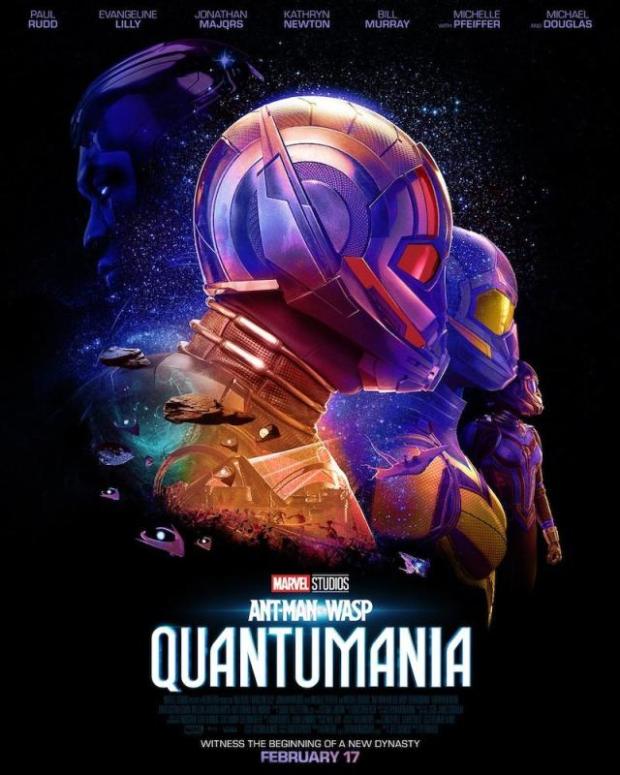
Will I have cause to make use of this new paradigm when reviewing Ant-Man 3?
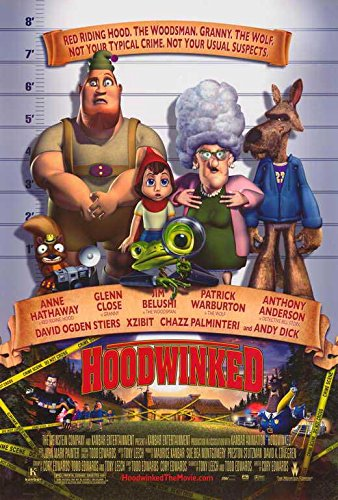
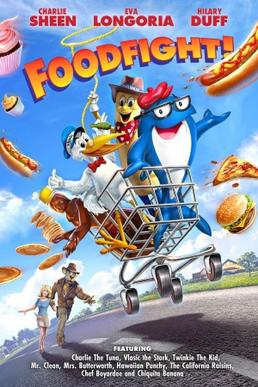
I won’t lie guys, that exclamation mark frickin’ terrified me. Unless a movie is a prestigey old-timey musical, an exclamation point has no place in its title. You know what other independently produced CGI movie has an exclamation point in its title?
“They worshiped the dragon who had given authority to the beast, and they worshiped the beast, saying, “Who is like the beast, and who can wage war against it?”
Fortunately, Hoodwinked! is not as bad as The Abomination and it’s not even the worst movie I’ve reviewed this year (although that is more an indictment of the year than an endorsement of the movie).
So what is Hoodwinked!?
Gah, see, this is the problem with having an exclamation point in the title. It looks like I’m screaming in panic.
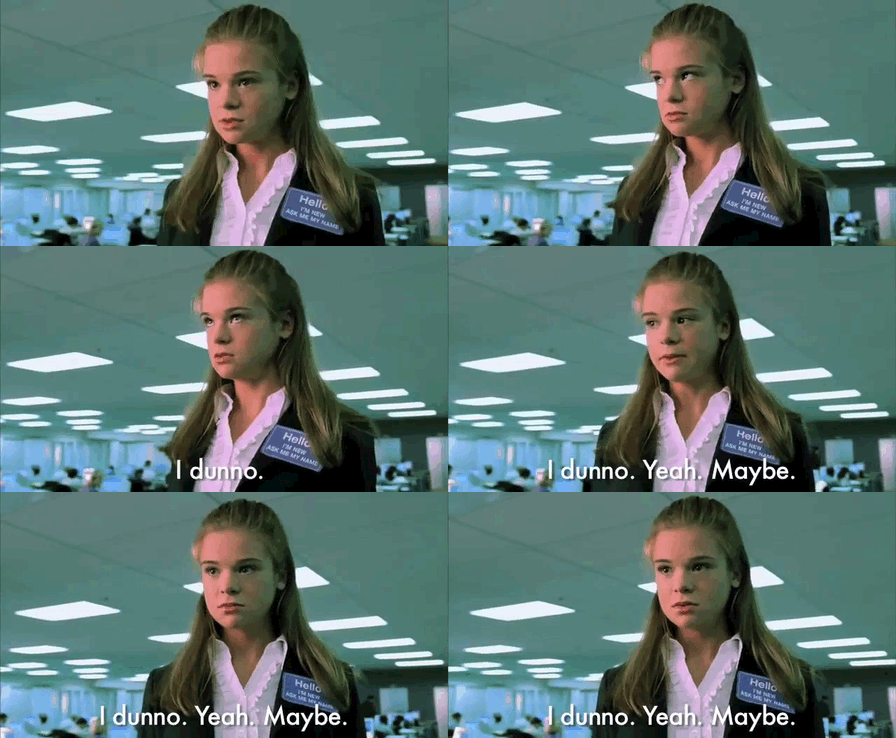
“What is Hoodwinked?!”
“I DUNNO!”
“Aaaah!”
“AAAAAAH!!”
Now Hoodwinked! was a movie that I was tangentially aware of. I’d never watched it, but I’d occasionally see it across the crowded room that is the modern animation landscape. And it would wink at me. And I would pretend I hadn’t noticed because it looked like the ugliest fucking Shrek rip-off I had ever seen and there wasn’t enough booze in the world for me to go home with it. But, like anyone who creates content on the internet for long enough, soon enough you find yourself doing things you never would have imagined doing. I watched Hoodwinked!
Hello everyone. Recently I decided to get back into acting and I’m going to be appearing in a production of Comedy of Errors in two weeks time as Dromio of Ephesus aka the best Dromio.
Dromio of Syracuse is trash and you all know it.
Also, Spouse of Mouse is on a business trip leaving me with two orphans crying plaintively for their mother night and day.
Also, I have a really tight writing deadline to meet this week.
Ergo, review short. Soz.
***
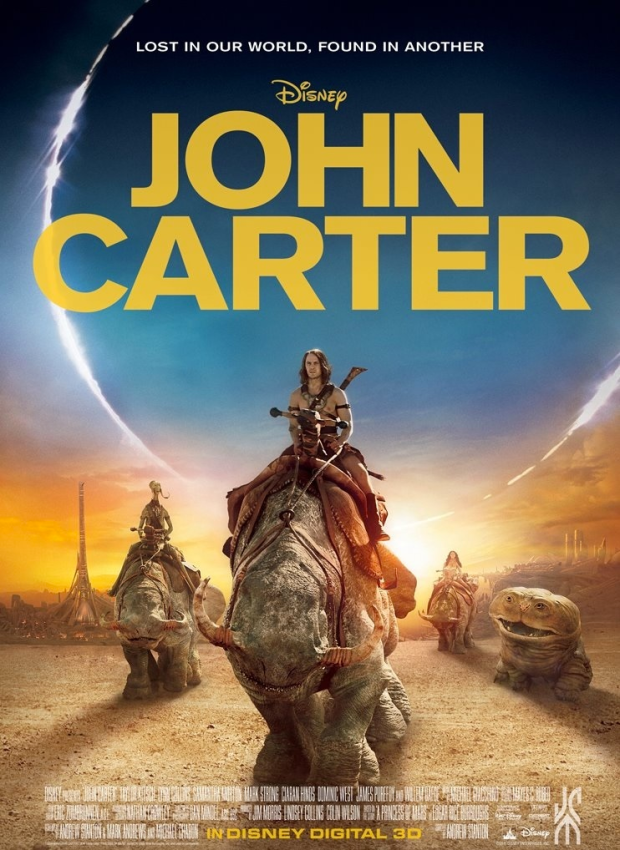
Normally, a film like John Carter is exactly the kind of movie that I dread to review.
It aroused no strong feelings in me. I didn’t love it and I didn’t hate it. But honestly, the more I watched it the more I realised…this is kinda good? I mean, the elements are really strong. For being a decade old, the effects hold up a lot better than most of what Disney is putting out today.
The cast is full of actors I love or at least have no ill will towards (I like Taylor Kitsch, y’all are just mean). The script is nothing spectacular but perfectly solid. There was clearly a lot of thought and love and creativity and subtle world-building that went into the design of its fictional Martian setting. And there’s some strikingly beautiful cinematography. Like this scene where John Carter is fleeing on horseback across the Arizona Territory pursued by Union Soldiers:
Just gorgeous, old fashioned film-making. There is a lot to like in John Carter.
And yet, and yet…something isn’t working here. Some wheel just ain’t clicking.
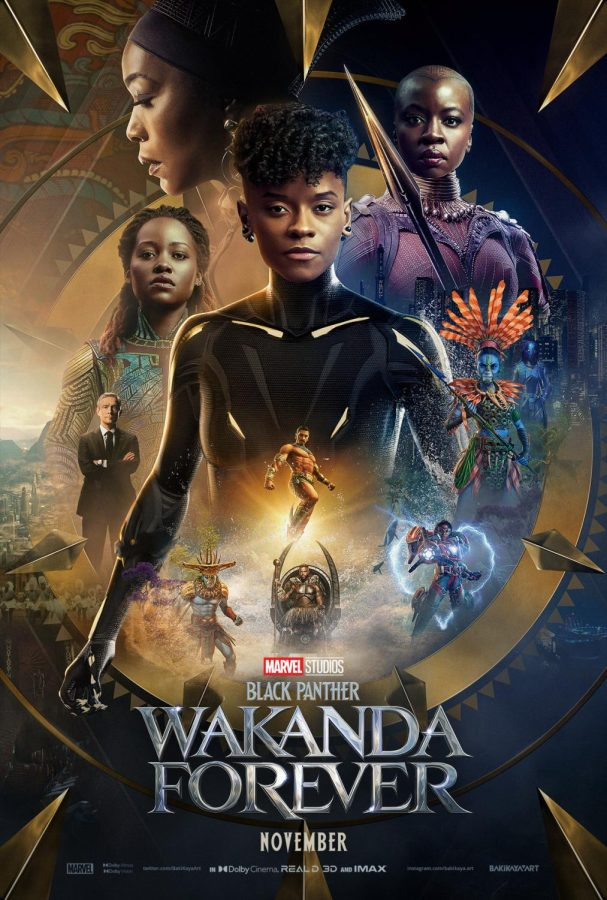
No one wanted it this way. Marvel didn’t want to make a Black Panther without Chadwick Boseman, we the audience didn’t want a Black Panther movie without Chadwick Boseman and I certainly don’t want to give a bad review to a Black Panther movie without Chadwick Boseman.
His loss was first and foremost a human tragedy and if this movie succeeds at anything it’s in bringing across just the sheer, crushing grief of everyone involved in this. It’s not a fun time. It should not be a fun time.
Is it a good movie? I’m sorry, no it’s not.
But, it has good moments and I’ll be sure to highlight those.
It also has plenty of flaws and, well, I’ll be mentioning those too. But rest assured, I will feel like a complete asshole.
“Welcome mes amis! Please to be seated. I ‘ave called you ‘ere so zat we may solve zis murder!”
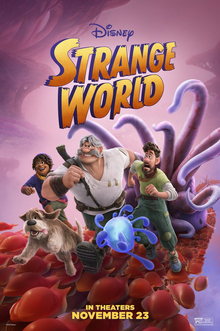
The facts of the case, they are simple. Strange World, the youngest heir of a very long, very respectable line of animated features, went missing from the box office in the winter of last year. A few months later, it was found, face down in a cold stream of content. There are many possible suspects. The movie boasted Disney’s 98th first gay character. Perhaps this was a hate crime? Or perhaps Covid 19 was to blame? But no, I believe there can be only one killer. Monsieur Disney, J’ACCUSE!
“What! How dare you! This is preposterous! I loved Strange Journey!“
“Strange World.”
“Gah! Such a bland, forgettable title! How was I supposed to market him!? I’m the victim here! ME!”
“I knew it! You killed him, just like you killed my brother!”
(Man, I have GOT to write a Knive’s Out style murder mystery with sentient Disney movies, I have to do that.)
***
You’re all asking the wrong questions, you know.
The mystery is not “Why did Strange World flop?” I can tell you that right now.
Last year I sat down to plot out my review schedule for the next decade or so (I will never, ever, ever auction reviews off again. That was stupid. I was a stupid Mouse).
And this was an honest to God chain of thought I experienced:
Oh hey, I should probably put aside a slot to review the next canon Disney movie.
Oh damn, what even IS the next canon Disney movie?
Oh shit. Strange World? I haven’t heard anything about this. When is it coming out?
Oh fuck. It’s in theatres NOW.
Yeah. I’ve been reviewing the Disney canon since Obama and I both still had black in our hair and even I knew nothing about this thing. It didn’t fail because it as too gay or not gay enough or because every time Disney tries to make a sci-fi animated movie the monkey paw exacts a terrible price, NO. It failed because Disney didn’t market it and bad word of mouth delivered the coup de grace.
But what I can’t really get my head around is why Disney buried this so hard. I mean, it’s definitely bad, but it’s a kind of bad that Disney can and have managed to sell before. To take the most recent examples, Rayaand Wreck It Ralph 2 ate the box office alive and those are both, I remind you, hot effing garbage.
Was it really the fact that the main character is gay? I’ve always found that line of thinking flawed and conspiratorial. If a studio doesn’t want to release a movie with a gay main character, they can just, y’know, not make the movie and save the estimated €180 million dollars. But in this case…I dunno, maybe? It definitely feels like Disney has dropped bigger turds than this and yet was able to convince a sufficient amount of the population that it was selling them chocolate ice-cream. And hell, the reviews for this were actually very positive (not from me, I’m gonna dance on this thing’s fucking head) but most mainstream critics dutifully cooed “representation”, dropped a handful of stars and clocked off for lunch. It really was the audience reaction to this that was sharply negative. Maybe that was a homophobic backlash? Or maybe it was just the burgeoning realisation that most of Marvel/Disney/Pixar’s recent output has been trending worse and worse and people are now treating the brand less as a mark of quality than a warning label.
I don’t know and I’m not going to try to guess. I am DONE trying to game this kind of stuff out. Back in my Raya review I said that the age of Disney movies being big, unifying cultural events was over only for Encanto to come along and be that exact thing. I cautiously mused that Encanto might be the Disney ship righting itself only for Strange World to come along, cough once and die on my carpet so fuck it. I am just going to review the damn movie and leave the big pronouncements to people who actually know what they’re talking about.







 unshavedmouse