Long Reads

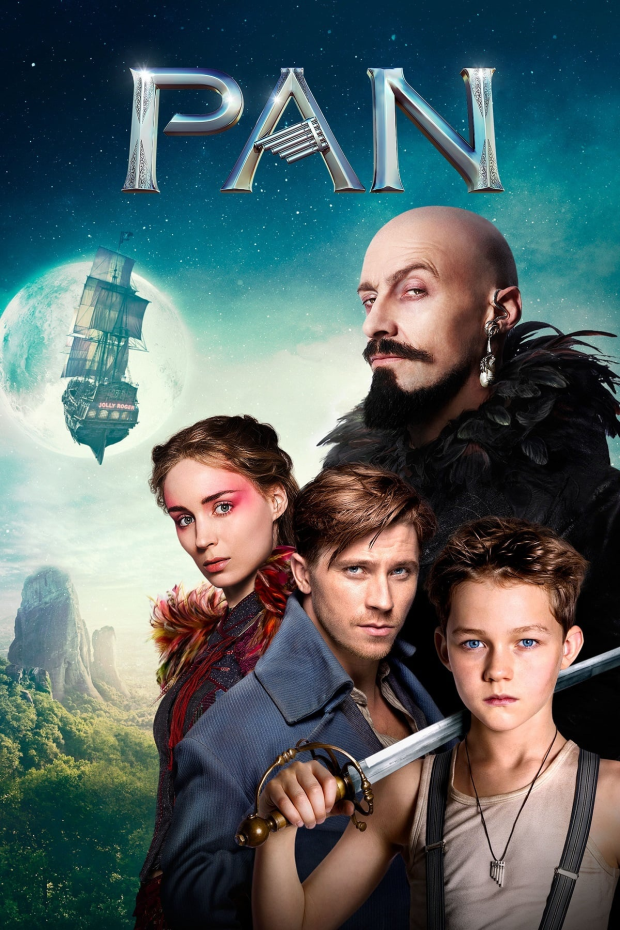
Pan (2015)

Old lags on this blog know, from my review of Disney’s Peter Pan written way back in the Hadean Epoch, that JM Barrie’s Peter and Wendy is one of my favourite books of all time. By a strange coincidence, I recently finished reading it to Mini-Mouse (my first full read-through in around fifteen years) and I was once more struck by how achingly beautiful it is purely as a piece of writing.

Look at this passage describing Hook’s ship:

One green light squinting over Kidd’s Creek, which is near the mouth of the pirate river, marked where the brig, the Jolly Roger, lay, low in the water; a rakish-looking craft foul to the hull, every beam in her detestable, like ground strewn with mangled feathers. She was the cannibal of the seas, and scarce needed that watchful eye, for she floated immune in the horror of her name.

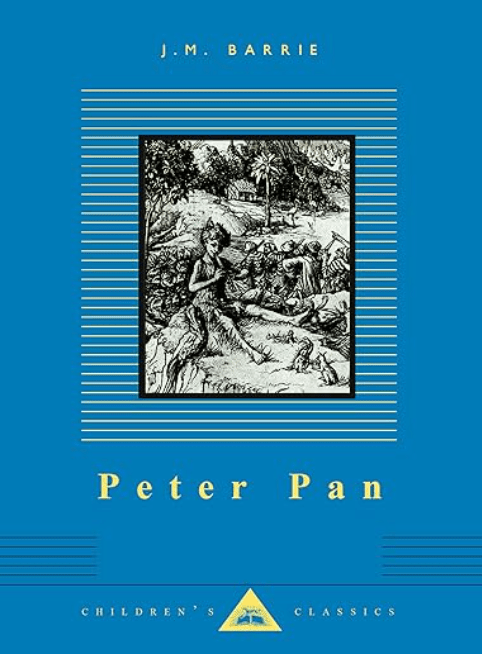
Now, I’m not normally one to gush about editions of books and what not. If it’s a good story, I don’t tend to care about the packaging. But I do make a special exception for my copy of Peter Pan.

The Everyman Children’s Classics edition with illustrations by F.D. Bedford. I got this one Christmas many years ago and it’s always been indescribably special to me.

When I see a bad adaptation of Peter Pan, it feels I leant this book to someone and got it back torn, stained and with obscene notes scribbled on every page.

I feel angry and appalled and betrayed.

Watching Pan, however, felt like I leant this book to someone and they put it in a shredder and painstakingly re-arranged the shreds into a diorama depicting the Conference of Versailles.

Now we’re waaaaaay past angry. Now I’m just baffled and confused.

Why? Why did you do that?

(more…)

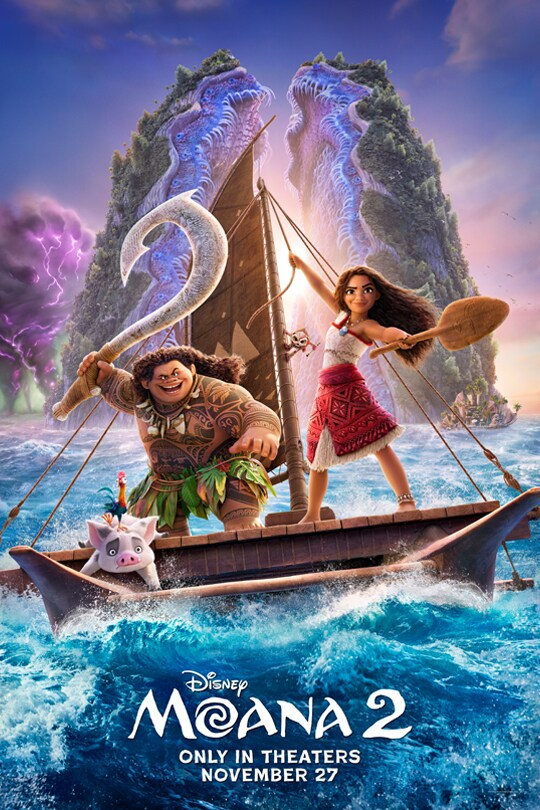
Disney Reviews with the Unshaved Mouse #63: Moana 2

“You sons of bitches, we were so close. We were so close!

After a string of godawful mediocrities and outright turds the likes of which the canon hadn’t seen since the earliest years of the millennium, the opportunity was ripe for Disney to start filling the executive-grade wicker basket with heads and put some people in charge with fresh ideas and real talent.

But noooooooooooo.

Disney pulled the old “take the first three episodes of a scrapped TV show, wash it off and serve it up as a new movie” trick they used to pull in the direct-to-video sequel era and what did you do? Did you laugh? Did you scorn such obvious desperate chicanery? Did you hell!

ONE BILLION AT THE BOX OFFICE. FOR THIS.

We could have had another Renaissance with a bit of luck. Instead, I’m going to be reviewing Frozen 13 when I’m in my nineties. Because obviously the reason Strange World, Raya and Wish flopped was not that they were poop on a bun, it’s because they were original ideas (kinda). I mean, it’s hard to make the argument that quality was the issue when all it took them to make a billion dollars was to put the number “2” after the title of one of their most popular films.

The future is bleak, and I’m not just saying that because the proliferation of AI slop online means that every time I search for images to use I run the risk of seeing something that will make me want to put my head in a mouse-trap.

If you want to imagine the future, picture pregnant cross-eyed Moana stamping on a human face, forever.
(more…)

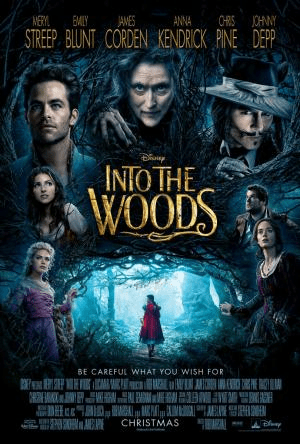
Into the Woods (2014)

Probably the most thankless job a director can set himself is trying to adapt a beloved stage musical to screen, as the people you most need to win over for your movie to be a success (fans of the stage version) are also the people most likely to tar and feather you in the streets over the slightest deviation from the source material. You may think comic fans get salty about adaptation changes, but they have nothing on musical theatre nerds.

That’s probably why, despite musicals still being a lucrative movie genre, stage musicals adapted to screen are a rare beast and only getting rarer. Of the 50 top grossing movie musicals, only six began life on stage. The rest are either originals like The Greatest Showman, animated musicals or jukebox musicals like Bohemian Rhapsody or (sigh) Alvin and the Chipmunks.

Of course, it wasn’t always thus. The middle decades of the 20th century were a golden age for adaptations for stage musicals as that was the point where theatre and cinema were most alike. Colour photography and improvements in sound tech meant that cinema could finally match the visual and audio splendour of theatre. But, cinema had yet to fully embrace the freedom inherent in the medium and movies of the first half of the century often closely resembled filmed plays with constructed sets and static cameras. As cinema became less and less indebted to its theatrical roots, adapting stage musical to screen became a lot more challenging. To put it simply: movies are not plays and plays are not movies. And trying to turn one into the other can result in some pretty radical changes. And all those challenges are right up on screen in Into the Woods, a movie based on one of the most inherently theatrical musicals of the modern era.

(more…)

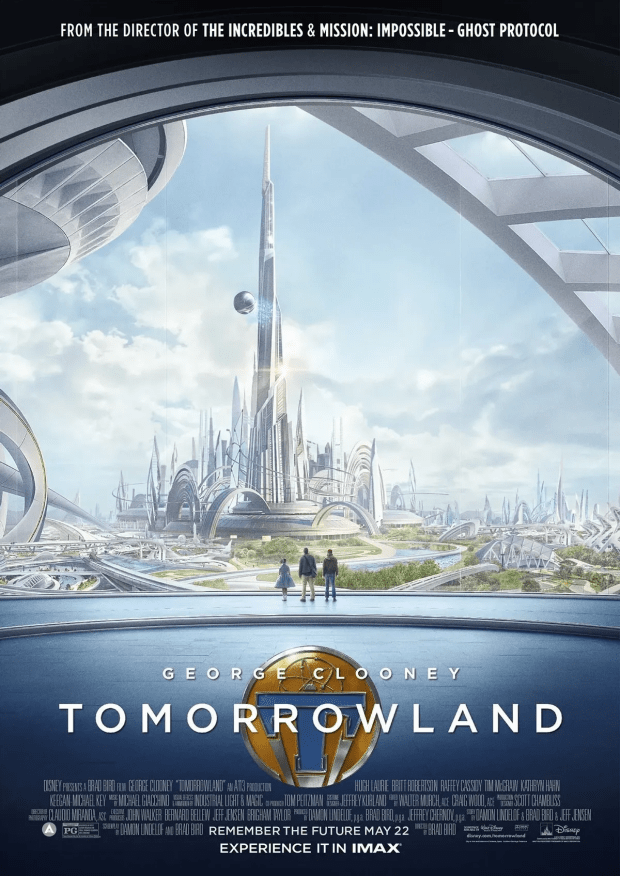
Tomorrowland (2015)

Hey remember that time Disney spent a load of money on a science fiction epic that was visually spectacular but also kinda inert, weirdly off-brand for them, with a load of tonal and pacing issues that ended up costing them a load of money?

I guess by this point it kinda IS on brand?

Anyway, Tomorrowland is the second (and to date last) live action feature directed by animation legend Brad Bird and it keeps alive the proud Disney tradition of sci-fi movies that I respect and want to like but are just fundamentally too dang flawed on the writing level to get anything other than a qualified endorsement.

(more…)

Daria (1997-2002)

The nineties were awesome.

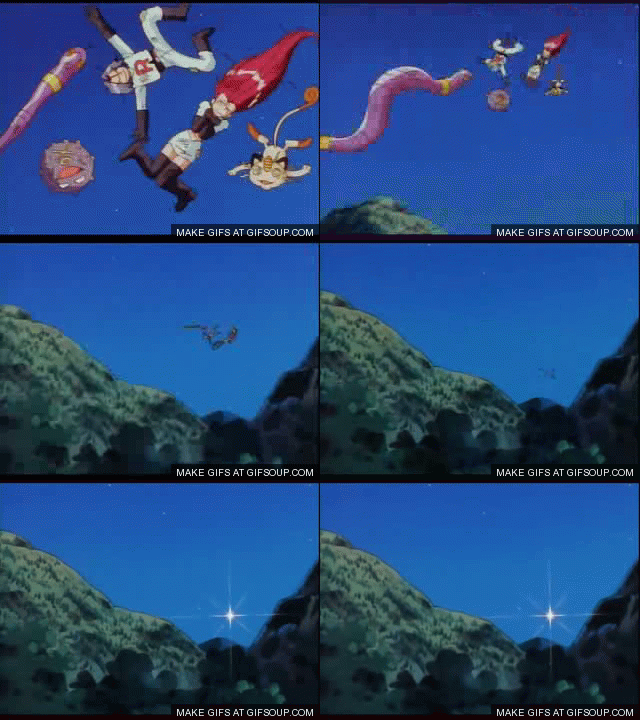
Look, I know everybody idolises the first decade they can properly remember but this is different. The nineties really were awesome. The Cold War was over, the War on Terror hadn’t started, we’d fixed acid rain and the hole in the ozone layer (and that whole global warming thing would probably sort itself out) and the only threats to world peace were goobs like Saddam Hussein and Slobodan Milosevic who would occasionally show up to cause trouble before being punted into the air like Team Rocket.

Meowth is Gaddafi fyi.

Plus, the movies, the TV shows, the music. I love this whole era. So I was overjoyed when I finally got my hands on a boxset of the complete Daria, an animated sitcom that ran from 1997 to 2002. Not merely a nineties show, but probably the most nineties show.

And imagine my disappointment on discovering that, like so much nostalgia, it doesn’t actually hold up all that well.

(more…)

“Cowabunga.”

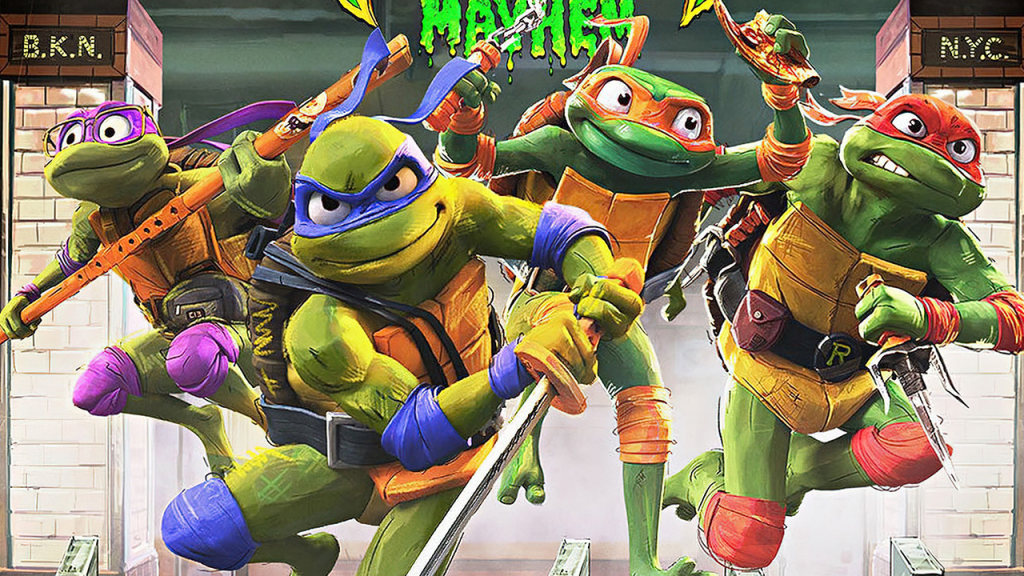
In 1984, two broke young illustrators named Kevin Eastman and Peter Laird were trying to break into comics. Eastman randomly doodled a turtle in ninja attire and the pair decided that it was a Teenage Mutant Ninja Turtle, essentially a madlib of everything that was popular in comics at the time (except for turtles).

They then wrote a silly little issue parodying Frank Miller’s Daredevil run and that, of course, was that.

This one weird joke concept riffing on an incredibly specific moment in comic book history in a black and white indie vanished without a trace, the very definition of a flash in the pan.

Wait, no. *checks notes*

It went on to conquer the goddamn world. To this day, TMNT is quite possibly the most lucrative Western comic book property not published by either DC or Marvel. Third most successful toyline of all time. Seven TV series, seven films, multiple videogames, hundreds and hundreds of comic issues and a metric shit-ton of merch. Which, on the one hand, is crazy.

How did a concept so ridiculous, and so seemingly instantly dated become one of the most successful and enduring pop culture phenomena of the past half century? Well, success has many fathers. Firstly, I think the franchise’s longevity was sealed with this:

A theme tune that catchy only comes around once in a blue moon. Play it over NINE SEASONS and it’s practically brainwashing.

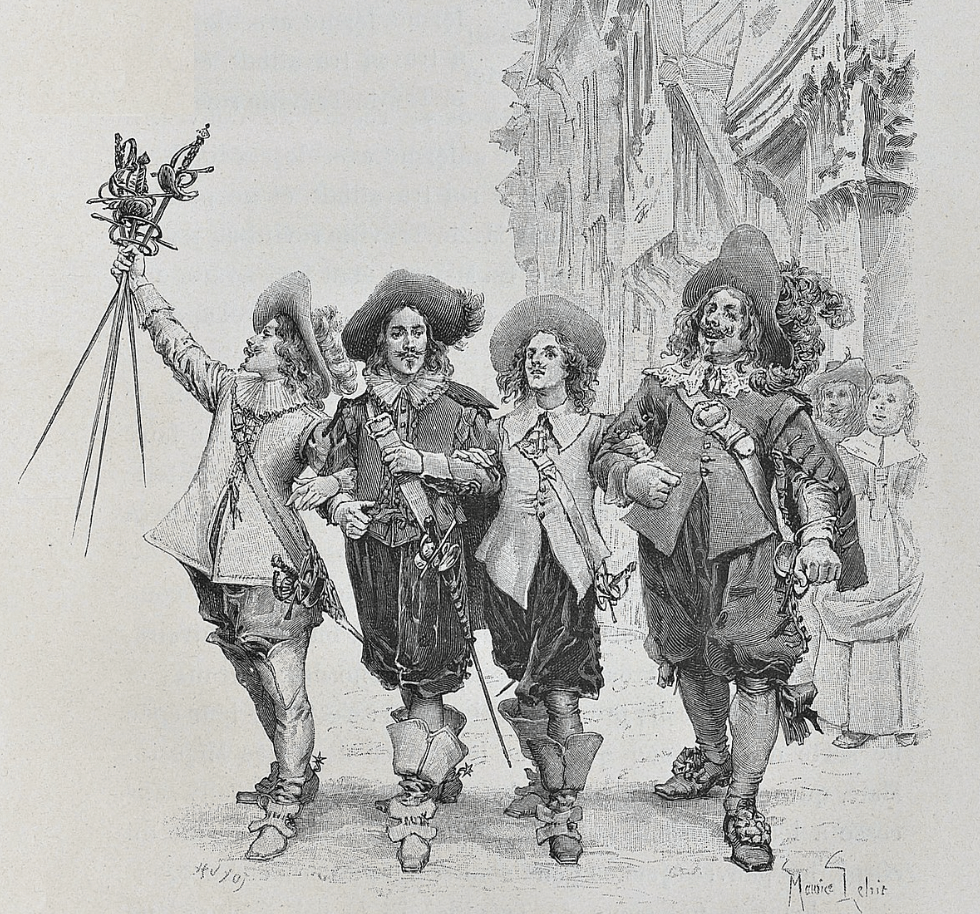
Then there’s the fact that TMNT relies on a template that has proven to be amazingly durable over the last 180 years.

Hothead. Stoic Leader. Smart Guy. Big fun doofus.

The Musketeer Archetypes are like the Four Chords of character writing. They’re bloody everywhere, but they’re there for a reason. They work, dammit. And these character traits (Leads, Does Machines, Cool but Rude, Party Dude) hold true across virtually all interpretations of the characters which gives continuity across the franchise. But, and this is crucial, with that stability and continuity there also comes incredible plasticity. The Turtles fandom is fantastically diverse in terms of its age range and that’s because TMNT can be this:

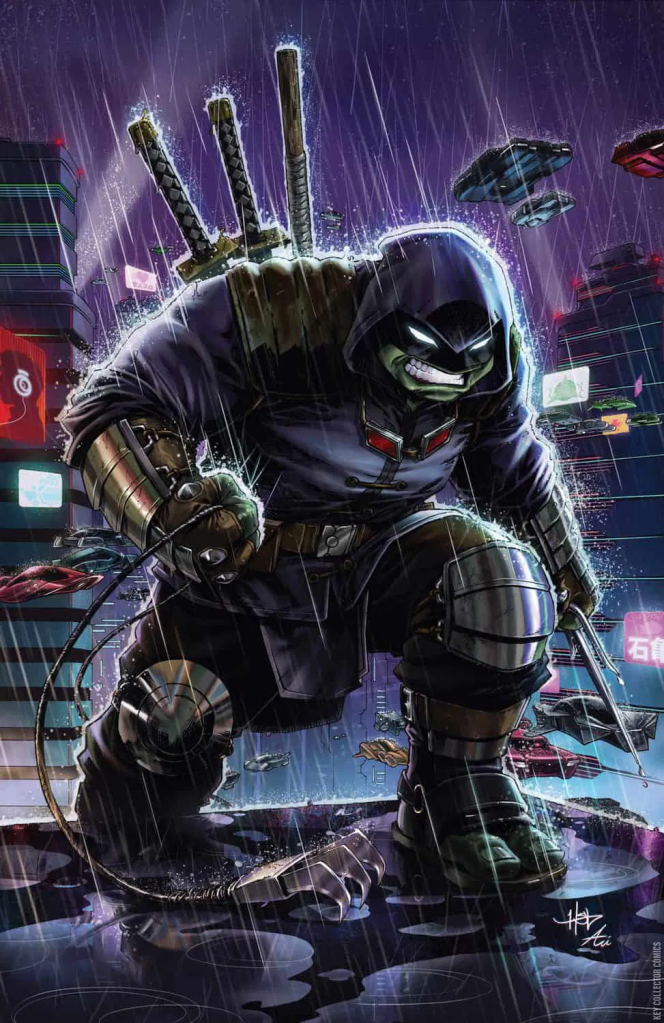
Or it can be THIS:

Once you get past the initially (very, very, very) silly premise, the Brothers Turtle can grow with their audience. There’s stuff for kids and there’s also stuff for adults. So, class, where have we heard that before? A character that has a rock solid core that’s also surprisingly adaptable and can tell stories for any and all ages?

So before we go any further, I owe you all an apology. I know I said I’d be reviewing Turtles Forever but you need to know three things:

  1. My DVD of Turtles Forever didn’t arrive in time (that’ll teach me to support physical media).
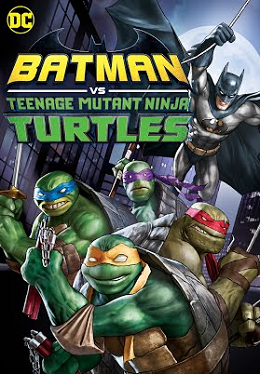
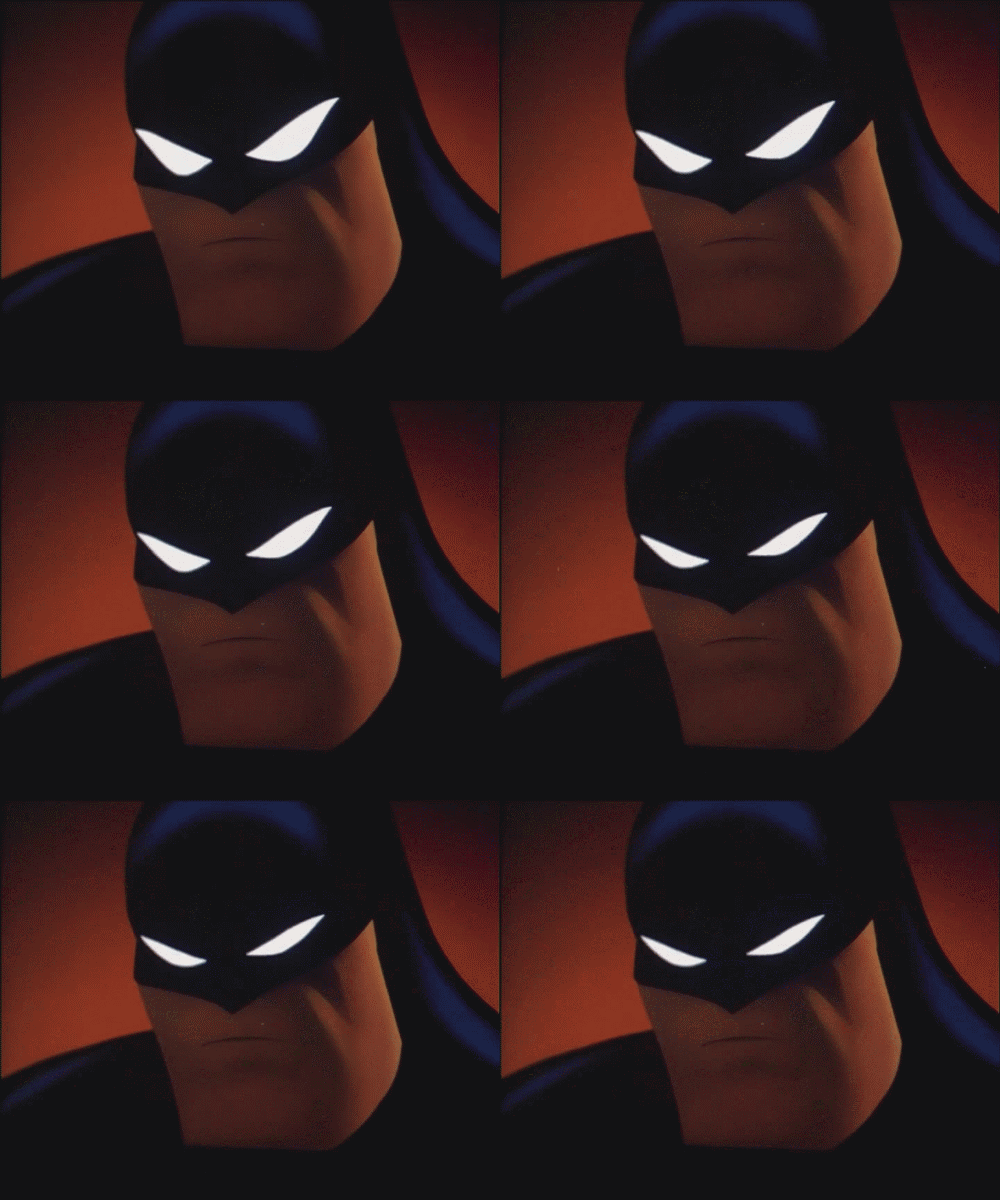
  2. There’s a Turtles movie with Batman in it, how am I NOT going to review that?
  3. It is SHOCKINGLY good.
(more…)

The Third Man (1949)

I don’t honestly know if I should feel sorry for Joseph Cotten or envy him. He had a long and storied career in theatre and film, appearing in several movies that are the mainstay of any respectable list of greatest films of all time. How could you pity any actor whose CV includes The Third Man, The Magnificent Ambersons and of course the big gorilla in the room, Kane?

At the same time, when you think of those movies Cotten’s name isn’t exactly the first one that comes to mind, is it? Of course not.

It certainly doesn’t appear that Cotten resented the fact that Orson Welles was essentially the star around which Cotten’s career orbited, as the two men maintained a close and warm friendship right up until Welles’ death in 1985. And it’s not like he was completely overlooked, either. In fact, it’s so common to say that Joseph Cotten was one of the most underrated stars of Hollywood’s Golden Age that he probably no longer even qualifies as underrated. But screw it, it’s my blog, and if I want to turn it into a Joseph Cotten appreciation corner who of you will stop me? That’s what I thought. We’ve Gotten Cotten Fever up in here!

Oh, fun fact. His hair was the model for Norman Osborn in Spider-Man. Orson Welles can’t say that, can he?
(more…)

Joseph: The King of Dreams (2000)

1998’s Prince of Egypt is what you might call a hard act to follow and the first thing any discussion of Joseph: The King of Dreams should stress is that it is neither fair nor productive to compare the two. But I’d argue there is actually a lot to learn from putting the two movies side by side.

I’ve always believed that, when it comes to animation at least, “cheap” is not the same as “bad”. Obviously, a generous budget is rarely a detriment but plenty of animators have put out stunning work on a shoe-string. And plenty of movies had absolutely scads of money thrown at them and still managed to look like something that the cat puked up on the rug. What makes the Dreamworks Torah Cinematic Universe so instructive is that it’s two movies created at the same time by largely the same team of artists, just with very different budgets. King of Dreams was, like Return of Jafar, intended to be a straight to video sequel (or prequel in this case) of a much bigger, much more-high budget theatrical release. But, Aladdin was done by Disney Feature Animation and Return of Jafar was palmed off to Disney’s TV animation studios in Australia and Japan. By contrast, King of Dreams was animated concurrently with Prince with Egypt, and by the same team of animators. This makes the two movies a fascinating case study, showing how much a budget matters in determining quality and also how much it doesn’t.

Because yeah, I’m not going to sit here and tell you that the two movies are equally beautiful. Clearly they’re not.

And yes, the wonderfully detailed, semi-realistic style of human animation that Prince uses is absolute murder for the King of Dreams team trying to render it with less time and resources and it does sometimes end up looking a little janky. But honestly, more times it doesn’t. My point is, I honestly love this film for how hard it tries and frequently succeeds in escaping the creative ghetto. This is a straight to video cartoon sequel. Hell, this is a faith-based straight to video cartoon sequel. The fact that it’s not absolutely terrible is an achievement. The fact that it’s good, often touching great, is a genuine miracle.

(more…)

“Welcome to the MCU. You’re joining at a bit of a low point.”

Around the midpoint of Deadpool & Wolverine I had a rather chilling realisation during this exchange of dialogue between Elektra and Deadpool.

ELEKTRA: Every time one of us has gone up against her, they die. The Punisher,  QuicksilverDaredevil.”


DEADPOOL: “Daredevil? I’m so sorry.”

ELEKTRA: (with an indifferent shrug) “It’s fine.”

So let’s unpack this joke. Here is everything you, the viewer, need to know for this gag to land.

  1. This is Elektra, played by Jennifer Garner.
  2. Garner first played this role over twenty years ago, in the critically reviled Daredevil, and then again in the practically unseen spin-off Elektra.
  3. In Daredevil, she was the love interest of the title character.
  4. Daredevil was played by Ben Affleck.
  5. Garner and Affleck married shortly after making that film.
  6. They subsequently underwent an extremely public and acrimonious divorce.
  7. Hence, Elektra is not particularly cut up about Daredevil dying.

And virtually every joke in this thing is that kind of inside baseball uber-specific nerd bullshit that seems positively tailormade to appeal to me, a 40 something male who had comics instead of friends growing up. And yet…this thing made €1.8 billion dollars. This is as mainstream as movies get now.

Super niche nerd culture is no longer niche. The war is over. Everyone is a massive nerd now.

Total domination.

And I now find myself in a very difficult position as a movie critic.

I thoroughly enjoyed this movie. I laughed my ass off from start to finish.

And yet, when I read, say, Donald Clarke howling in sackcloth outside the sinful Gomorrah that is the modern movie industry, I can’t help but nod along.

This movie isn’t a movie. It’s heroin. It’s very good heroin. And I very much enjoyed it.

But…I should probably be ingesting food instead.

(more…)

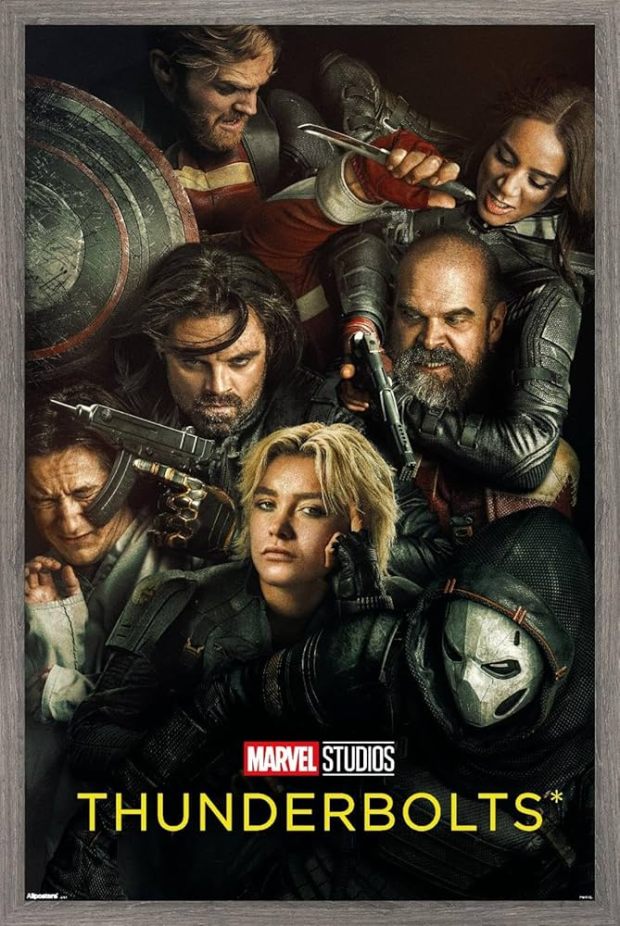
Bats versus Bolts: Piss on You! I’m working for Mel Brooks!

Comedy is a lot like politics, all careers eventually end in failure. There have been plenty of Bats versus Bolts matchups on this blog that have been, as one commenter put it “Glass Joe versus Mike Tyson” but this really is a foregone conclusion. On the one hand, Mel Brooks’ 1974 masterpiece Young Frankenstein, which would place in the low single digits on any creditable ranking of the greatest American comedies of all time. And on the other hand we have 1995’s Dracula: Dead and Loving It, a movie so critically lambasted on its release that it killed Mel Brooks’ directorial career stone dead, which is a bit like if Frank Sinatra sang a song that was so bad he was never allowed to perform again. I mean it’s Mel Brooks. If he hasn’t earned a mulligan or two, who the hell has?

(more…)