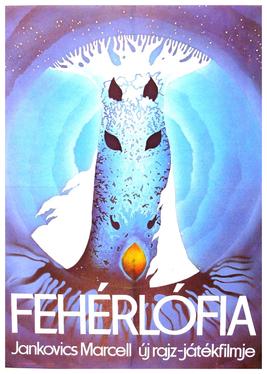
Because the experience of watching Son of the White Mare again could never top the experience of watching it for the first time.
And you know what’s crazy? This is…drumroll please…my final reader’s request. And the reason I left this one to last was because the requester simply asked me to review “something Eastern European” and I just chose this because it looked interesting. I picked this one almost at random.
Back around the time the first eukaryotic organisms were developing on the Earth’s sea floor, I coined the term “Tar and Sugar Movies” to describe the earliest films of the Walt Disney Animated Feature canon. I chose the name in reference to the often jarring tonal shifts between cloying cutsiness and shocking darkness of those films. In retrospect though, I think I got it wrong. The true Golden Age of the Tar and Sugar aesthetic was not the late thirties and forties, but the nineteen eighties.
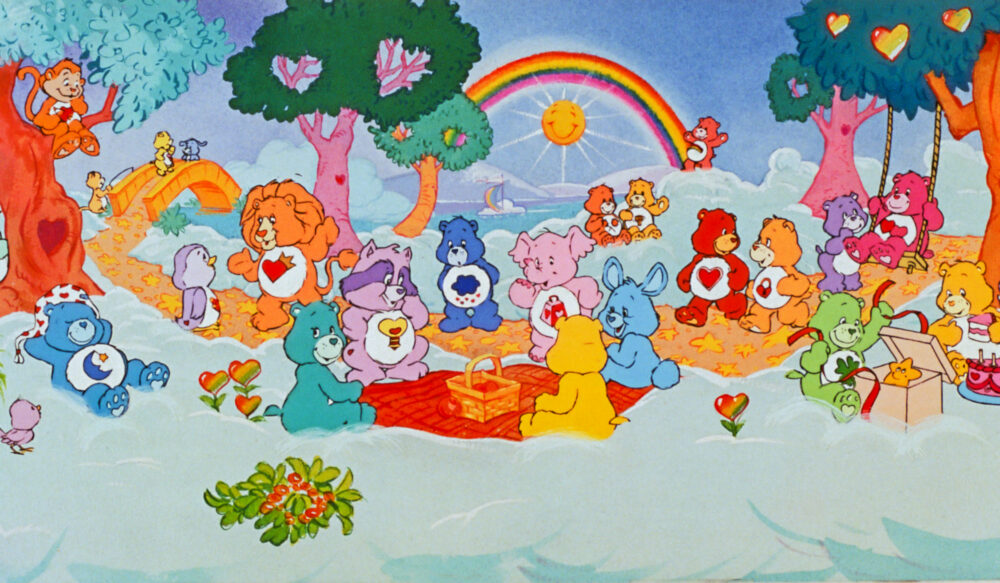
Here is the typical eighties cartoon experience:
“Golly Gee! This sure is a fun picnic! I just hope that mean ol’ Lord Hexxodrexx doesn’t show up to spoil everything.”
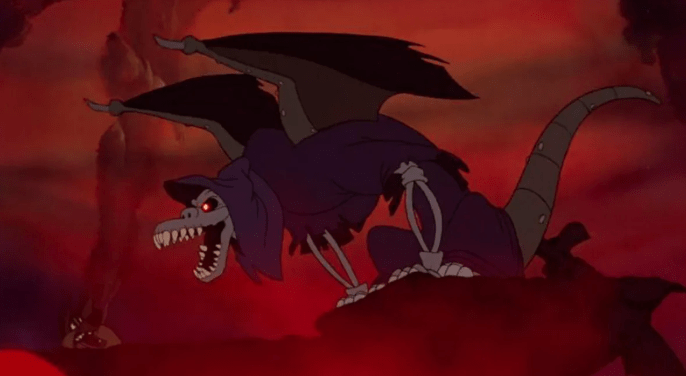
“I HAVE COME TO DEVOUR YOUR FUCKING SOULS!!! GRAAAAAAAA!!!”
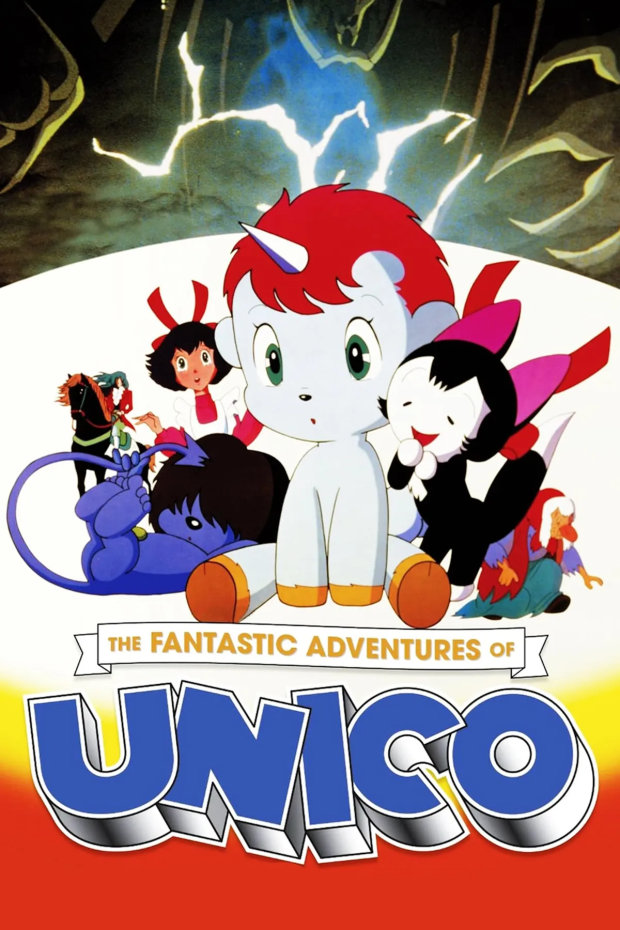
And I think, with today’s movie, I may have found the ultimate Tar and Sugar movie. And, as in most things in this life, they do it better in Japan.
I don’t have to introduce Osamu Tezuka by this point, do I? Born in 1920s Osaka, created manga and animé as we know it, the Japanese Walt Disney, one of the most influential animators of all time you know all this. He was also quite possibly one of the most prolific creators in history, writing and drawing well over 700 manga series in his lifetime encompassing virtually any genre you could think of and targeted at every possible age demographic. The basis for today’s movie was the children’s manga Unico, about a cute little unicorn who has magical powers that he uses to bring happiness and joy to everyone he meets.
Well, I’m sure there’s no way that could possibly take a dark turn.
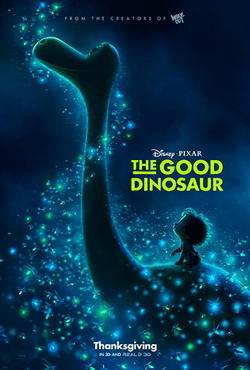
Maybe it’s me. Maybe I just shouldn’t be allowed near CGI animated dinosaur films. I don’t know why this particular mircogenre of movies manages to so consistently stick in my damn craw. I, of course, have Dinosaursitting proudly at the very bottom of my rankings of the Disney canon and I have every hope that it will remain that way for a long time.
And I would still gladly watch Dinosaur over TheGood Dinosaur. Mainly because, I can at least watch Dinosaur from beginning to end. The Good Dinosaur is the second last movie on my requested reviews because I have put it off over and over and over again. I cannot finish this thing. It bores the piss out of me.
But, before we crack on, I want to explain why I’m not doing a full plot recap for this one.
Still not entirely sure this isn’t my wife pulling off an amazingly ambitious prank.
3. This movie has practically no plot to recap.
4. Disney Plus was dicking me around something fierce, constantly crashing and freezing and making the experience of watching this movie even more interminable than normal. This, by the way, was also during Kimmelnacht so you can understand why I was eyeing my Disney Plus subscription with a steely eye and whispering…
So, not a recap, more a series of observations about why this fucking movie annoys me so much.
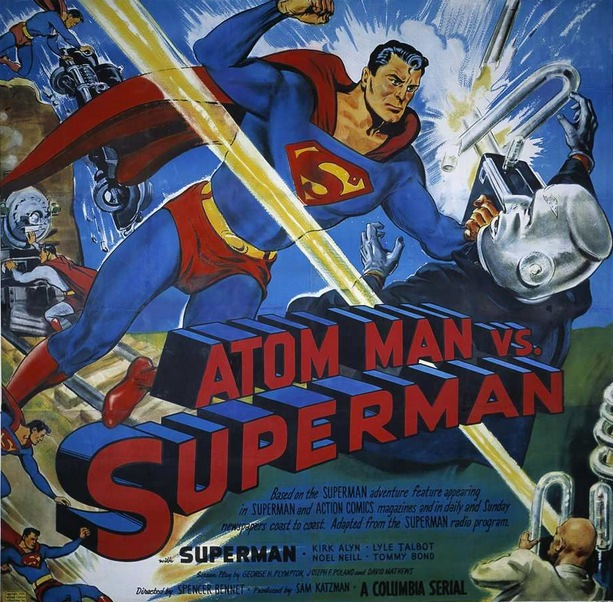
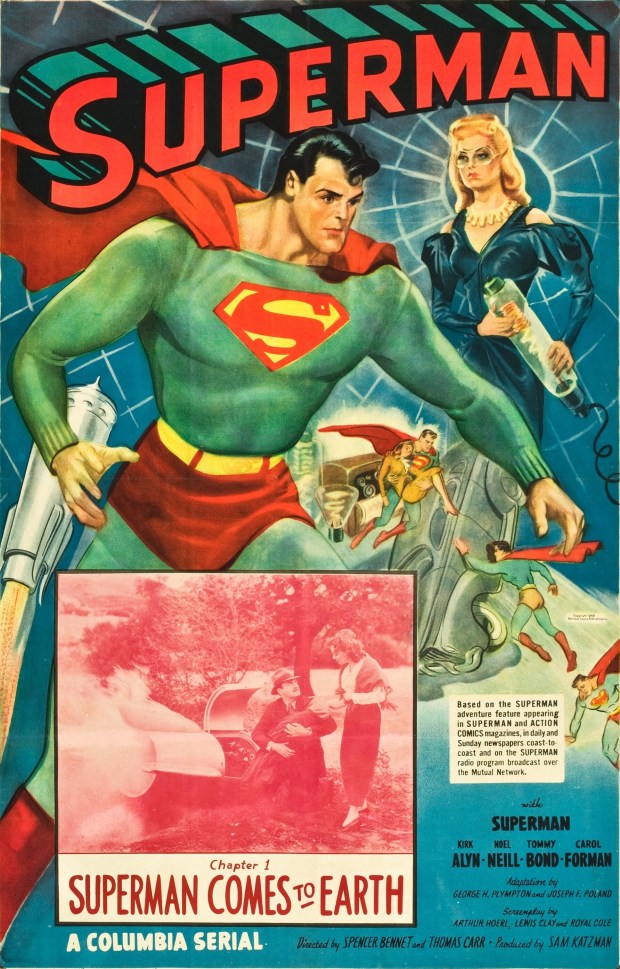
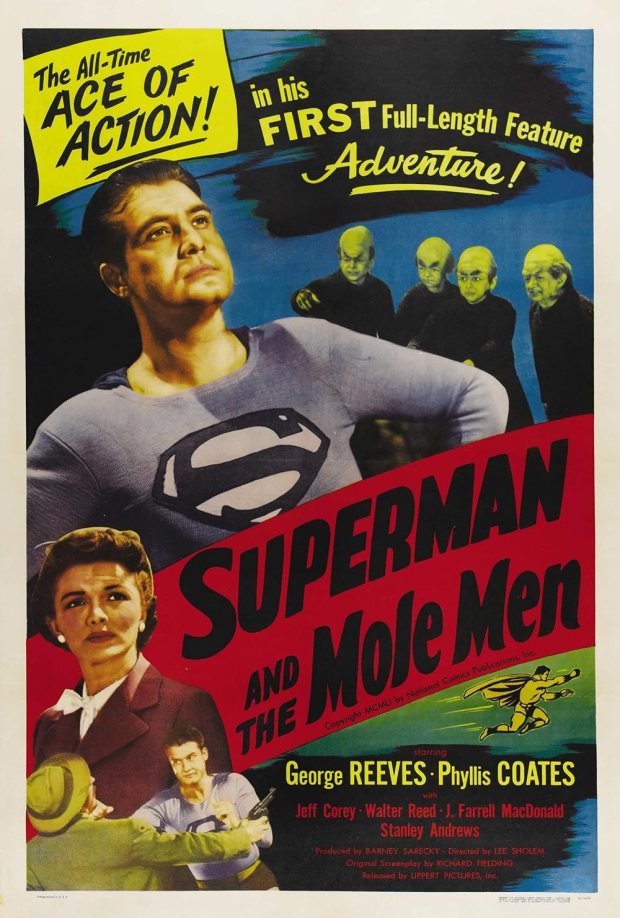
Yeah, I’m sure you’re all shocked. After watching James Gunn’s Superman I decided it was high time that the big blue boy scout got the same treatment as a certain pointy eared co-worker of his.
So yes, we’re going to be looking at every live action Superman movie while we wait for Matt Reeves to finish the script for The Batman 2 roughly around the time of the heat death of the universe (I am not bitter, I am passionate.)
Let’s begin at the beginning. It’s 1948, a mere decade after Superman’s debut in Action Comics and the character is already a bona fide cultural icon with a radio series, newspaper strips, some of the greatest cartoon shorts ever made and a metric shit ton of merchandise. But, weirdly, despite kicking off the entire superhero genre (asterisk asterisk) Superman was actually pretty late to the party when it came to being adapted into live action.
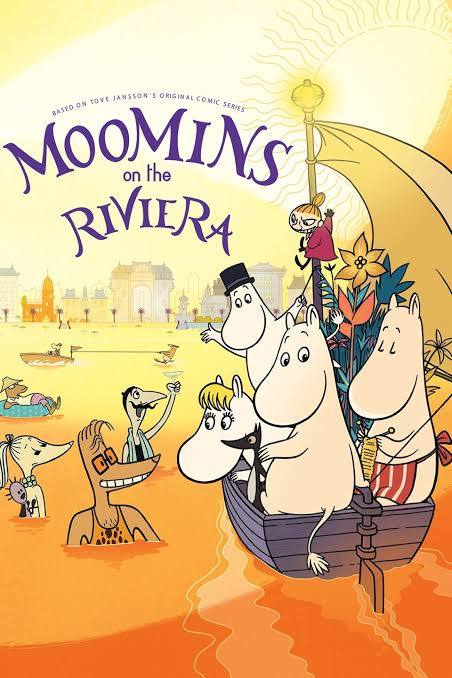
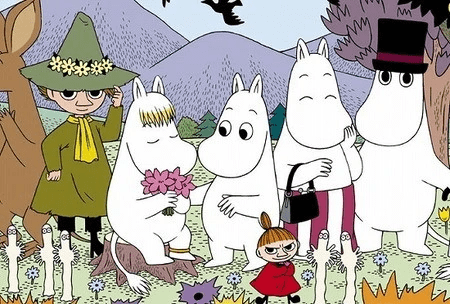
The Moomins are a topic that I feel I understand less the more I try to get my head around them. I tackled another Moomin film, Moomin and Midsummer Madness, around ten years ago so I should have been ready for this. And yet, here I am, looking at this film all…
A brief refresher, the Moomins are a multimedia franchise created by Finnish author Tove Jansson that encompasses picture books, novels, short stories, TV shows, movies, theme parks and a comic strip written and illustrated by Jansson herself. The comic strip that inspired today’s film, Moomins on the Riviera, began in 1954 and ran until 1975. This was actually the second Moomins comic strip, the first having appeared in a left wing newspaper but which failed because the readership considered the Moomins to be “too bourgeois”, because even in the late forties there were people who needed to touch some fucking grass.
So what’s it all about?
The series features things called Moomins doing stuff.
I can’t really get more specific than that.
Sometimes they don’t do stuff. Sometimes they just chill.
Okay, I gotta be careful here. Last time I reviewed a critically acclaimed 2010s animé I did an almost complete 180 on my opinion of it in the process of writing the review with the result being the most schizophrenic thing I’ve ever written on this blog.
“Mouse. You know that’s not true.”
“Yeah, you’re right, picture of a map I’ve been talking to for thirteen years.”
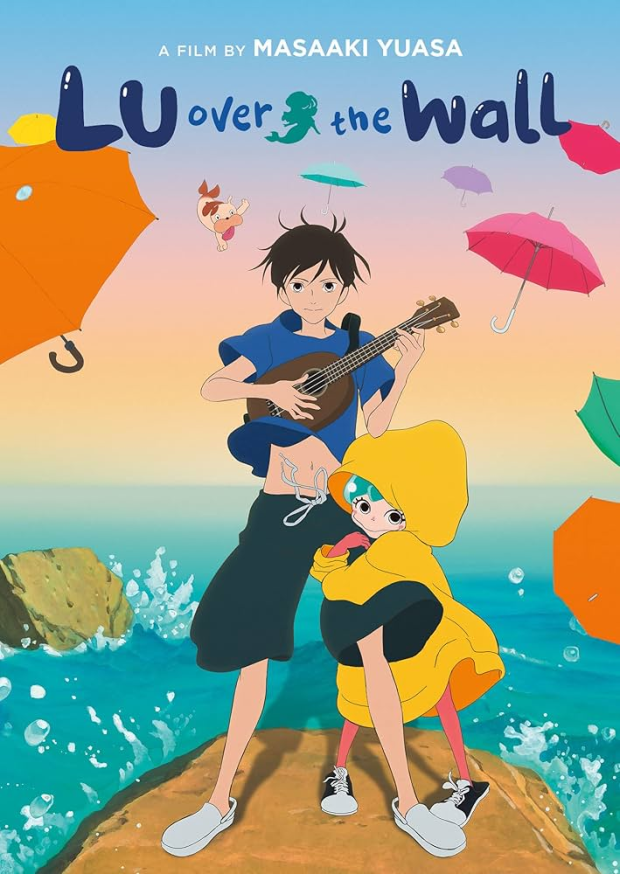
My point is, I’ve been holding off on writing this review just in case I have a similar reversal in opinion on Lu Over the Wall, but I’m pretty certain that my feelings on it are settled:
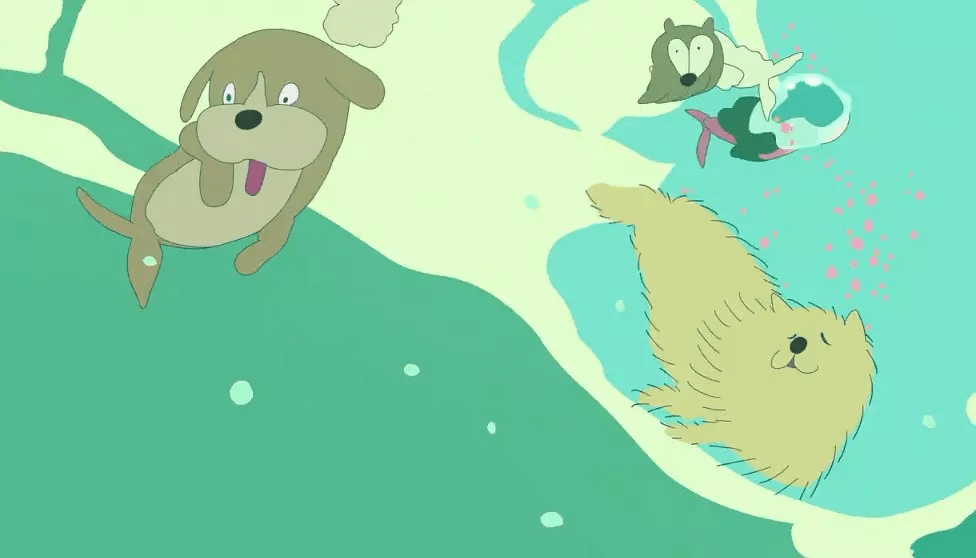
I think this is a mildly charming (if frustratingly unoriginal) “lonely boy makes friends with supernatural creature” story that is thoroughly undone by disastrous visuals and animation.
This is entirely subjective. I’m not saying the art style is bad per se. I’m just saying I hate it with every fibre of my being.
Old lags on this blog know, from my review of Disney’s Peter Panwritten way back in the Hadean Epoch, that JM Barrie’s Peter and Wendy is one of my favourite books of all time. By a strange coincidence, I recently finished reading it to Mini-Mouse (my first full read-through in around fifteen years) and I was once more struck by how achingly beautiful it is purely as a piece of writing.
Look at this passage describing Hook’s ship:
One green light squinting over Kidd’s Creek, which is near the mouth of the pirate river, marked where the brig, the Jolly Roger, lay, low in the water; a rakish-looking craft foul to the hull, every beam in her detestable, like ground strewn with mangled feathers. She was the cannibal of the seas, and scarce needed that watchful eye, for she floated immune in the horror of her name.
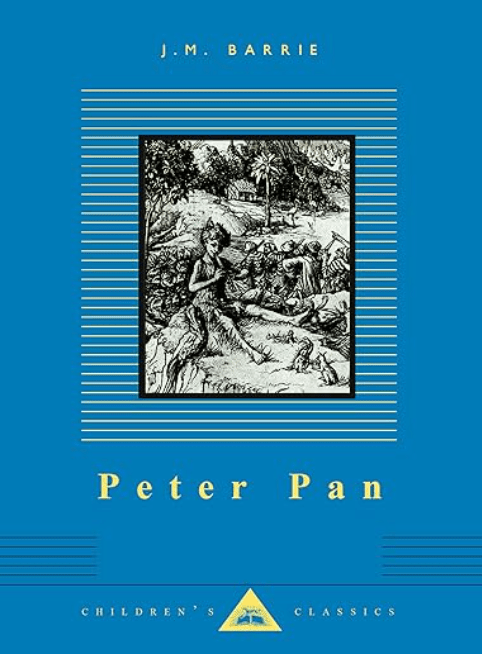
Now, I’m not normally one to gush about editions of books and what not. If it’s a good story, I don’t tend to care about the packaging. But I do make a special exception for my copy of Peter Pan.
The Everyman Children’s Classics edition with illustrations by F.D. Bedford. I got this one Christmas many years ago and it’s always been indescribably special to me.
When I see a bad adaptation of Peter Pan, it feels I leant this book to someone and got it back torn, stained and with obscene notes scribbled on every page.
I feel angry and appalled and betrayed.
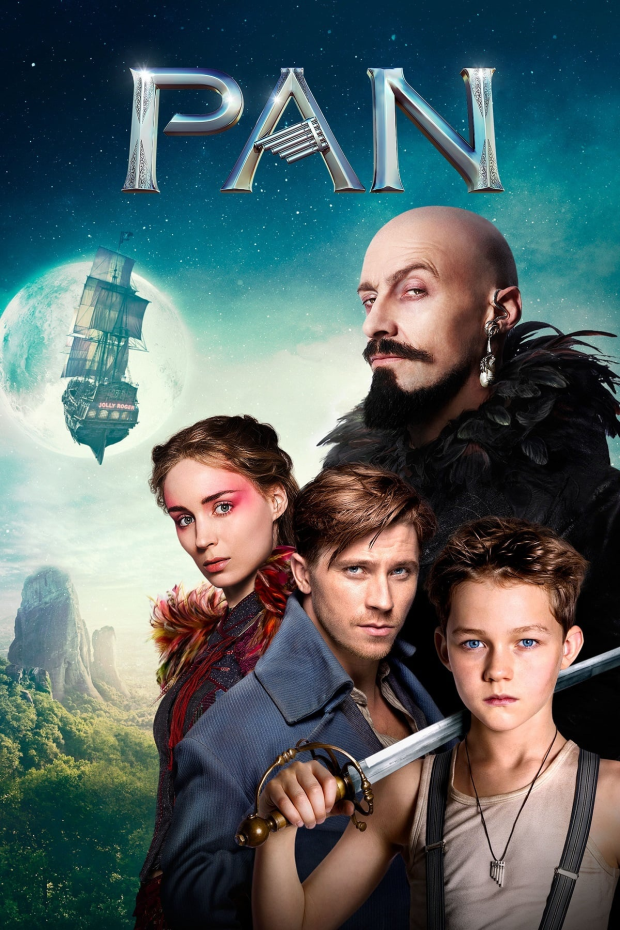
Watching Pan, however, felt like I leant this book to someone and they put it in a shredder and painstakingly re-arranged the shreds into a diorama depicting the Conference of Versailles.
Now we’re waaaaaay past angry. Now I’m just baffled and confused.
“You sons of bitches, we were so close. We were so close!“
After a string of godawful mediocrities and outright turds the likes of which the canon hadn’t seen since the earliest years of the millennium, the opportunity was ripe for Disney to start filling the executive-grade wicker basket with heads and put some people in charge with fresh ideas and real talent.
But noooooooooooo.
Disney pulled the old “take the first three episodes of a scrapped TV show, wash it off and serve it up as a new movie” trick they used to pull in the direct-to-video sequel era and what did you do? Did you laugh? Did you scorn such obvious desperate chicanery? Did you hell!
ONE BILLION AT THE BOX OFFICE. FOR THIS.
We could have had another Renaissance with a bit of luck. Instead, I’m going to be reviewing Frozen 13 when I’m in my nineties. Because obviously the reason Strange World, Rayaand Wish flopped was not that they were poop on a bun, it’s because they were original ideas (kinda). I mean, it’s hard to make the argument that quality was the issue when all it took them to make a billion dollars was to put the number “2” after the title of one of their most popular films.
The future is bleak, and I’m not just saying that because the proliferation of AI slop online means that every time I search for images to use I run the risk of seeing something that will make me want to put my head in a mouse-trap.
If you want to imagine the future, picture pregnant cross-eyed Moana stamping on a human face, forever.
You have probably never heard of Theodore Kaufman, an obscure American self-published author who wrote in the 1940s. Hell, even if you’d been living in America in the 1940s you almost certainly would never have heard of him. However, if you were a German living in the Third Reich during the war you would absolutely have known who he was, and would have believed him to be one of the most dangerous men alive.
In 1941 Kaufman self-published Germany Must Perish!, a bright little volume about how Germans are pure evil, just bad on the genetic level, and that the only way to ensure the peace of the world was to sterilise the entire nation and let them die out. Now, you might (I really hope you wouldn’t, but you might) argue that race-based genocide is fine if the other guy started it first, but that’s because you forgot about Goebbels.
You forgot about Goebbels, you utter chump.
Goebbels milked Kaufman’s little pamphlet for everything it was worth, using it to turbocharge Germany’s propaganda machine and convince ordinary Germans, even those who hated the regime, that the war was a literal battle for their survival as a people. Goebbels presented Kaufman as FDR’s Svengali, the intellectual driving force behind America’s war against Germany. When, in reality, he was the forties equivalent of the least unhinged political Tiktoker. Germany Must Perish! was such a gift to Goebbels that the American journalist Howard Smith remarked:
“No man has ever done so irresponsible a disservice to the cause his nation is fighting and suffering for than Nathan Kaufman.”
Which is why, even at the risk of friendly fire, it is so important to call out people on your own side of the aisle who are saying evil, crazy shit. Not just because it’s evil and crazy (though that should be enough reason) but because it’s tactically vital.
We can dismiss Kaufmann’s thesis out of hand, just as any racially essentialist argument should be dismissed out of hand, but that still leaves the questions:
Why Germany? Could it have happened anywhere and Germany just drew the short straw? Or was there something particular about Germany that made its local manifestation of fascism so uniquely malevolent? And if so, how much blame do ordinary Germans bear for the actions of the regime?
My, this is a fun one, isn’t it?
It’s not something that can ever be objectively proved. I’ll keep my own answers until the end of the review but they’re just, like everything else on this blog, my own opinion. Today’s movie grapples with those very questions. And it begins within a man arriving in the ruins of Nuremberg, as the ashes of the last war still cool, and a cold wind has begun to blow in from the East…
Probably the most thankless job a director can set himself is trying to adapt a beloved stage musical to screen, as the people you most need to win over for your movie to be a success (fans of the stage version) are also the people most likely to tar and feather you in the streets over the slightest deviation from the source material. You may think comic fans get salty about adaptation changes, but they have nothing on musical theatre nerds.
That’s probably why, despite musicals still being a lucrative movie genre, stage musicals adapted to screen are a rare beast and only getting rarer. Of the 50 top grossing movie musicals, only six began life on stage. The rest are either originals like The Greatest Showman, animated musicals or jukebox musicals like Bohemian Rhapsody or (sigh) Alvin and the Chipmunks.
Of course, it wasn’t always thus. The middle decades of the 20th century were a golden age for adaptations for stage musicals as that was the point where theatre and cinema were most alike. Colour photography and improvements in sound tech meant that cinema could finally match the visual and audio splendour of theatre. But, cinema had yet to fully embrace the freedom inherent in the medium and movies of the first half of the century often closely resembled filmed plays with constructed sets and static cameras. As cinema became less and less indebted to its theatrical roots, adapting stage musical to screen became a lot more challenging. To put it simply: movies are not plays and plays are not movies. And trying to turn one into the other can result in some pretty radical changes. And all those challenges are right up on screen in Into the Woods, a movie based on one of the most inherently theatrical musicals of the modern era.