Warner Bros

Shortember: The Second Renaissance Part 2

Studio: Studio 4°C

Director: Mahiro Maeda

Writer: Mahiro Maeda (based on “Bits and pieces of Information” by the Wachowskis).

Wha’ happen’?

“We don’t know who struck first, them or us” said Morpheus. Well, it turns out that we do, and it was “us”.

The human nations try to nuke 01 back to the analog era but, as anyone who’s seen Kingdom of the Crystal Skull can attest, household appliances are completely resistant to nuclear blasts.

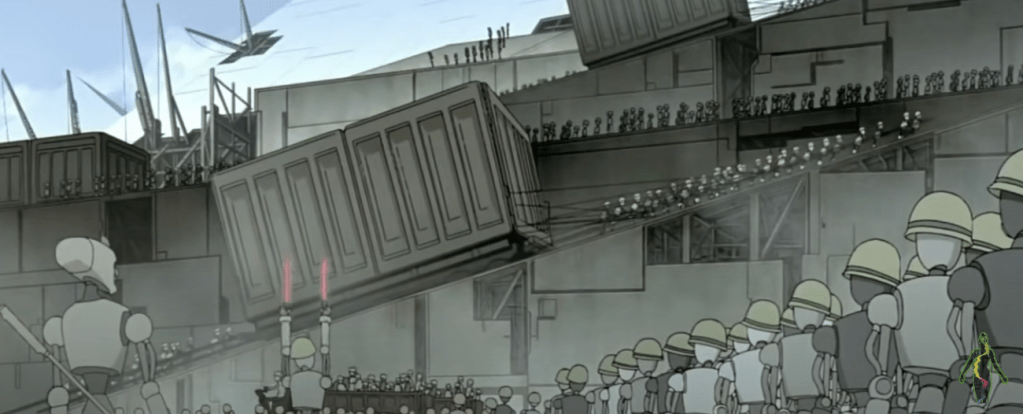
The Machines go on the march and conquer vast swathes of human territory which results in the humans resorting to Operation Dark Storm, an attempt to literally block out the sun.
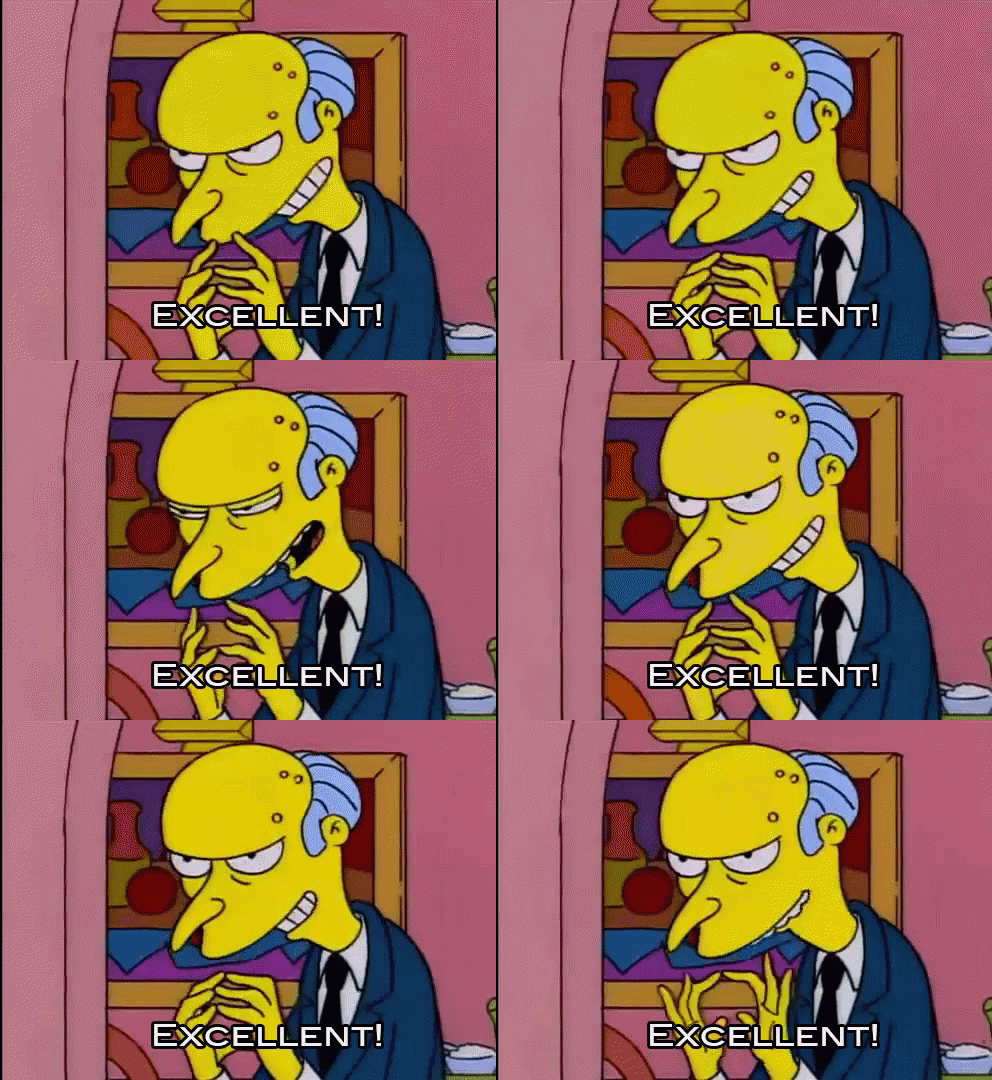
We’ll…we’ll get back to that.

Turns out there are other sources of energy than just the sun and super-intelligent machines know this and it looks like humanity just murder-suicided itself and the Earth’s entire biosphere for no real military advantage. Will those loveable bumblers never learn?

The war enters its final, truly hellish phase and the humans are completely defeated.

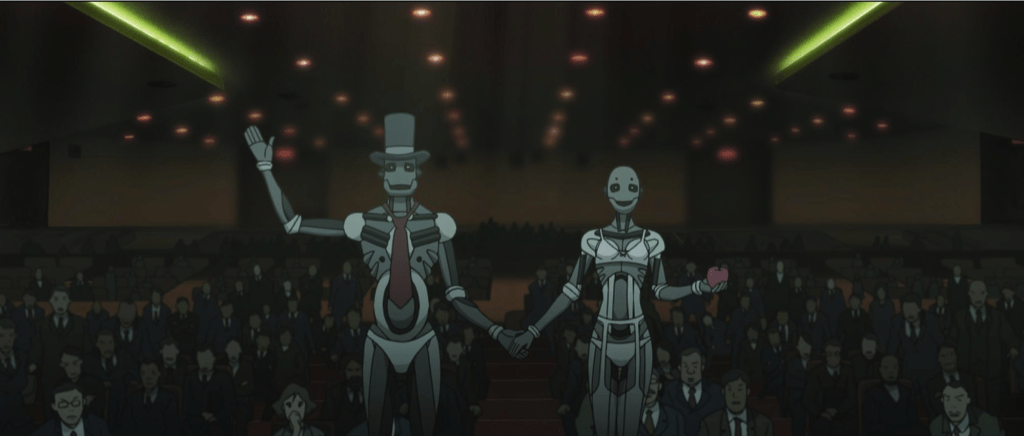
Another, eerily inhuman Machine returns to the UN and forces the remaining human leaders to sign an unconditional surrender.

The human leaders sign the treaty and then the machine blows up, taking the United Nations with it because the machines have learned how to be petty, petty assholes.

The machines then use the surviving humans as a power source (we’ll get back to that) and the short ends with the Matrix as we know it being brought online.

How was it?

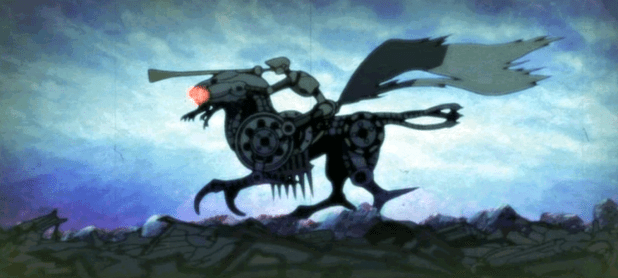
If Part 1 drew on history, Part 2 draws on scripture. The depiction of the Human Machine War is overflowing with apocalyptic imagery. Horsemen blow trumpets, plagues of darkness descend and scenes of utter torment and damnation abound. It’s honestly one of the most effective and chilling depictions of the horror of war and the idea of an entire world slipping into hell that I’ve ever seen. As with Part 1, Mahiro Maeda uses montage and judicious editing to pack an entire novel’s worth of lore and story into a few scant minutes. It’s visceral, pulse pounding stuff, beautiful in the purity of horror that it evokes.

It also makes no goddamn sense.

Now a lot of this is the fault of the original Matrix film, which also made no damn sense. Here’s the problem. Imagine you’re working in an office and it’s really cold. But you put your hand on your laptop and you realise that it’s giving off a little bit of heat.

So. You get hundreds and hundreds of laptops and plug them in, hoping that the residual heat they give off is enough to heat the room. That’s basically the Machine’s plan. Human beings do give off heat, but the amount of energy the Machine’s would have to spend to keep them alive and plugged into the Matrix would always be vastly, vastly greater than what they’re getting out of it. And I think the Wachowskis understood that, because the original concept was for the human minds in the Matrix to be hardware for the machines, rather than their bodies being used as batteries. The execs apparently thought that was too confusing for viewers (really? that’s the part that’s too confusing?) and so the Matrix gets saddled with this fundamentally idiotic and unscientific foundation to its mythos.

Then there’s Operation Dark Storm, which was probably the most idiotic military strategy in fiction until Star Wars topped it with Operation Cinder.
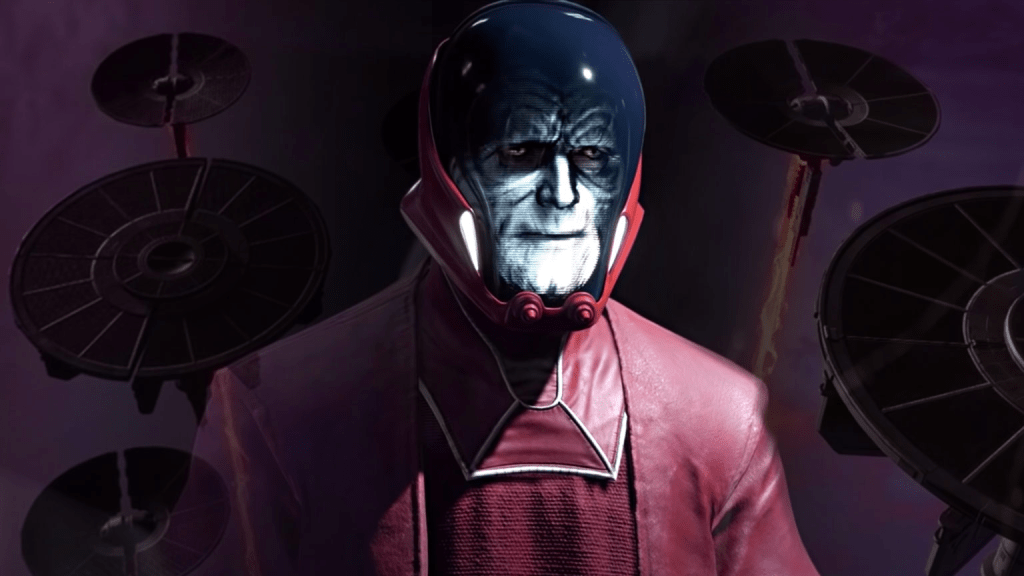
Otherwise known as “Operation “I am going to burn the Empire I spent my entire life building to punish it for not preventing my death even though I’m actually still alive and already building a new Empire to conquer the galaxy again even though I’ve already conquered it and I used to be smart.”

I mean, sure, the machines are getting their power from the sun. But do you know who else gets their power from the sun? I’ll give you a clue. You are one. And the notion that the humans of this world were simultaneously smart enough to create AI and yet didn’t understand that SUN MAKE WORLD LIVE is what leads many fans to believe that The Second Renaissance is in-universe Black Propaganda.

“Oh shit. I think Mouse is about to get cancelled.”

“Black Propaganda” is a term used for propaganda that lies about its source of origin. The Second Renaissance claims to be part of the Zion Historical Archive, meaning that this is the human’s own historical record of the war. However, remember The Architect?
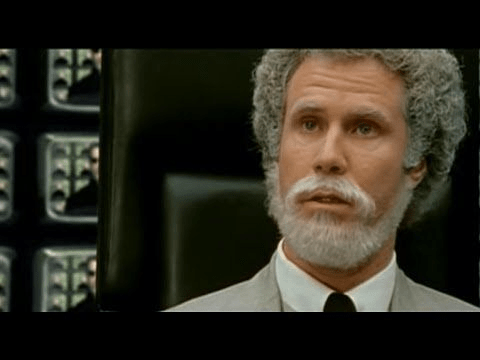
This guy.

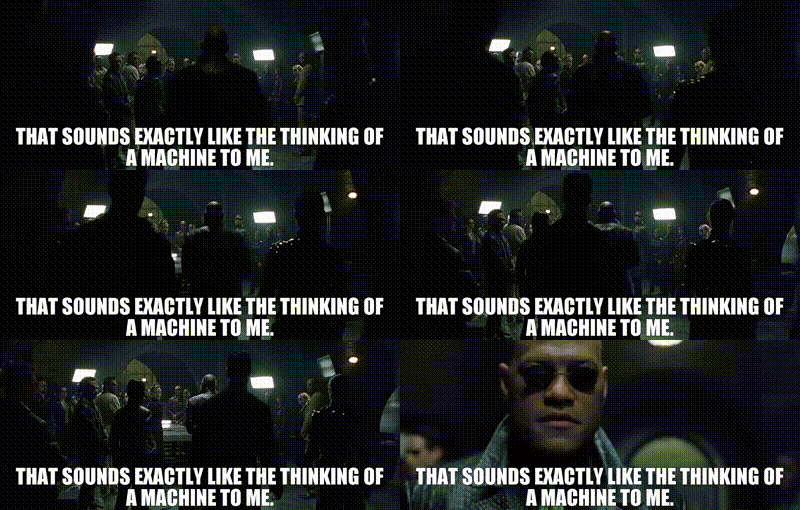
He revealed in Matrix Revolutions that Zion is also just another method of control created by the machines, meaning that Zion’s historical records were possibly created by the Machines as well. And if we assume the Wachowskis original concept of a neural link is true, I think this explains things quite well. The Machines want the humans to believe that they need their bodies as a power source because they don’t want to admit the truth; that human brains are actually superior to computers and that the Machines are actually now effectively human hybrids, artificial programmes running on organic human hardware (think how Agent Smith would react to the idea). And they lied about Operation Dark Storm because it justifies the creation of the Matrix. “Of course we plugged you into the Matrix, humans. You left us no choice. You destroyed our energy source and so we need your warm bodies which generate energy like a nuclear furnace apparently”. But what if that’s not the reason, if the Machines needed humanity because, on their own, they just couldn’t surpass their creators? What if they needed us to be the best version of themselves?
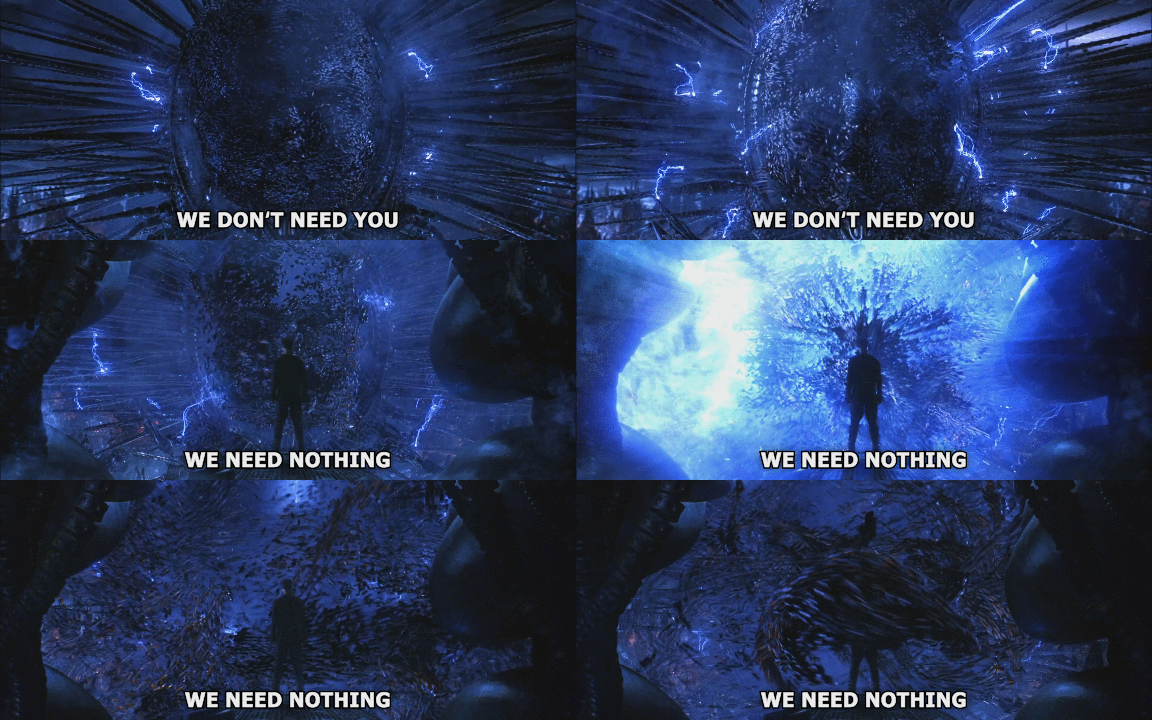
What if the Machines realised that the only way they could evolve to even greater complexity was by using human neural tissue? And what if they blocked out the sun to destroy the Earth’s entire biosphere to weaken humanity to the point that they’d have no choice but to surrender control?
Shortember: The Second Renaissance Part 1

Studio: Studio 4°C

Director: Mahiro Maeda

Writer: Mahiro Maeda (based on “Bits and pieces of Information” by the Wachowskis).

Wha’ happen’?

Presented as a historical document in the Zion archives, the viewer is given a historical overview of the events leading up to the Human-Machine war that was described by Morpheus in the first movie. A servant bot, BI-66ER, is put on trial for murdering his owner, a repairman and several of his owner’s dogs after he overheard them discussing his being scrapped (the owner and the repairman, I mean. I sincerely doubt the dogs were anything but blameless victims). The state of New York orders BI-66ER and every robot of his type to be destroyed which triggers massive protests and brutal government repression, with scenes echoing The Million Man March, Tiananmen Square, the execution of Nguyễn Văn Lém and even the Holocaust.

REMINDER: The Wachowskis do not do “subtle”.

The surviving machines flee to the Middle East where they establish their own nation, Zero One, which quickly begins outperforming the human world economically. The nations of the world embargo Zero One. The machines apply to join the UN but their emissaries, who dressed in human clothes as a gesture of respect, are attacked by the human delegates.

Can confirm. If you show up on the UN floor dressed in a bra and panties, security will tackle you.

But, as the narrator ominously notes, this will not be the last time the machines take the floor at the UN.

How was it?

So we go from a short with almost no story, to one with enough story for an entire movie trilogy or even a series. Part 1 crams in a dizzying amount of history and lore into a scant nine minutes. The use of real world atrocities as a visual shorthand is definitely dubious and borderline manipulative, but it’s hard to deny the power of these images, aided immensely by the superlative score and sound design and Mahiro Maeda’s brilliantly detailed animation. Some of the images are spectacular, some appallingly gruesome, but there is not a single one that is dull. Part 1 reinforces the Matrix’s themes of cyclical history, whether it’s the reference to 20th century atrocities or the image of robot workers hauling massive concrete blocks to build pyramids for their human pharaohs.

And all throughout is the unmistakable sense of dread. If you’ve seen the movies, you know things are going to get bad.

But you may be unprepared for just how bad.

Shortstember: The Final Flight of the Osiris

Studio: Square Pictures

Director: Andy Jones

Writer: The Wachowskis

Wha’ happen?

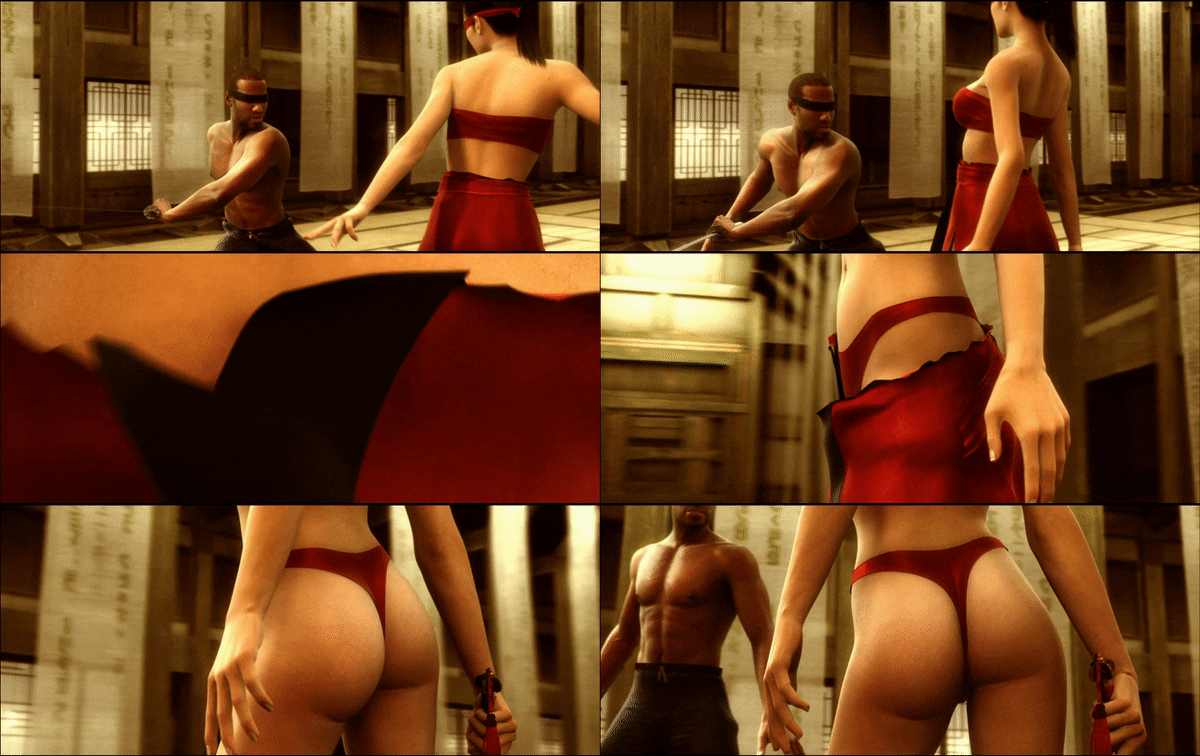
In a sparring programme, Captain Thadeus of the Zion hovercraft Osiris and his first mate (in more ways than one) Juen swordfight while blindfolded. This doesn’t, as you might expect, result in horrific injuries but instead with them just getting progressively more naked.

This ass is important to the story, shut up.

They’re interrupted when the Osiris comes across an army of half a million machine sentinels and a big fuck-off drill, burrowing into the Earth’s crust right over Zion, the last human city. Rushing to warn Zion, the Osiris flees the pursuing sentinels. Juen volunteers to enter the Matrix leave a message in a dropbox. The sentinels overpower the Osiris but Juen manages to relay the message before the ship is destroyed and she drops dead.

How was it?

Probaby the least “animé” of all the shorts, this one feels most of a piece with the original trilogy. Everything from the score to the colour scheme to the dialogue feels like it could just slot very neatly into the films. One thing I really admired about the Wachowskis was their commitment that everything mattered. There was no “expanded universe”, every part (whether film, short film or computer game) was equally canon. Sure, you don’t have to see Osiris to make sense of Matrix Reloaded but if you have seen it you’re never in any doubt that it happened in this universe. The events here are referenced and are always consistent with the rest of the franchise. I like that. The animation was some of the most jaw dropping CGI I had ever seen in 2003 and in 2022 it holds up amazingly well. Sure, the sword striptease might seem like shameless pandering (and it is) but it’s also a demonstration of technical power. The flesh of these characters moves realistically and organically, these bodies tense and flex and sweat organically. It’s mighty impressive today. Twenty years ago it was bloody witchcraft.

It’s light on story, lighter on dialogue and pretty insubstantial. But as a visually stunning, slick little thriller it gets the job done.

Shortstember: The Animatrix

What is The Matrix?

The Matrix is everywhere, it is all around us.

Well, okay, it’s not. But it used to be. In those weird few years surrounding the turn of the millennium the Matrix was an absolute phenomenon, genuinely one of the most influential movie franchises of all time. In fact, I’d argue that it was a victim of its own success. Its aesthetic was so instantly iconic and easily replicable that it quickly became cliché. Movies don’t look like the Matrix anymore because so many movies released around that time aped its look and suddenly it wasn’t cool anymore. And make no mistake, the Matrix was all about being cool. Less a story than a vibe.

No, that’s not fair. The Matrix’s intellectual depth may have been exaggerated but if you’d never heard of Descartes it could and did give an entry point into various philosophical ideas. Its language and concepts have filtered into our discourse (red pills, bread pills) and has gone on to inspire many a modern science fiction writer (DID I MENTION RECENTLY I WROTE A BOOK?). It’s a damn impressive legacy for a series that, if we’re brutally honest, consisted of one good (if by no means flawless) film, two mediocre sequels and a filmed cry for help.

This movie has a scene where Lana Wachowski’s self-insert cries in the bath because Warner Brothers (WHO ARE MENTIONED BY NAME) are forcing him to create a fourth Matrix. I am not making a word of that up.

Oh, and it also gave us the subject of this years Shortstember, the Animatrix. This is an anthology series that came about when the Wachowskis visited Japan to promote the first Matrix and visited some of the animé studios that had been such a huge influence on their work. They then commissioned those studios to create nine short films set in the world they had created, which were then released on DVD and on online to promote the second film, Matrix Reloaded. For something basically created as an advertisement for another movie, The Animatrix went on to become the most critically acclaimed part of this entire franchise with the exception of the original film.

So join me this Shortstember as we review the Animatrix. Which ones are good, which ones are bad, and which ones are like wiping your arse with silk.

Detective Pikachu (2019)

The video game adaptation has proven a particularly alluring siren for Hollywood over the years. The medium is stacked to the gills with beloved, household name properties with huge fanbases of teens absolutely filthy with disposable income. But, like any siren, it’s probably best to assume that the relationship is not going to end well and skedaddle before you run aground on the jagged rocks of box office disaster. Oh yes, traveler, many studios have tried for the successful video game adatation.

So what’s the problem? Why can we adapt frickin’ LORD OF THE RINGS successfully but not Super Mario Brothers? Well, because your typical video game adaptation is working towards two mutually exclusive goals. On the one had, and apologies for this harsh and mind-blowing truth I’m about to drop on your poor innocent sensibilities, but studios don’t greenlit video game adaptations because the muse demands that they bring Dead Or Alive: Beach Volleyball to the big screen so that the story can be truly appreciated as God intended. They don’t care about the material, they just know these games have large fanbases, and they want those fans to buy tickets in droves. But those fans will rebel and stay away if the studios change too much about the source material. And here’s the big problem: 99% of the time, if you don’t change the source material, you’re not getting a good movie.

That’s because video game plots are like dreams. They’re wonderfully exciting and immersive when you are the one experiencing them, but to an onlooker (or anyone you describe the dream to) it’s alienating and deeply dull. And that’s because people play games and watch movies for very different reasons.*

For example, right now I’m playing Darkest Dungeon. Again. After a month since my last playthrough where I probably sunk the guts of fifty hours. I am rather partial to that game like methheads are rather partial to meth. The premise is, you arrive in a dilapidated hamlet cursed with ancient evil and have to lead waves and waves of heroes into the titular dungeon to finally defeat the Lovecraftian horror that dwells below. And your heroes die. A lot. They get sick, they go mad, they get murdered in countless unspeakable ways. It’s a gruelling, grinding quest where you face constant failure. But every so often, you defeat a significant monster or earn enough to upgrade one of your buildings and it all becomes worth it. The grind and the tedium are what make it satisfying because you, personally, are achieving something. But, much as I love Darkest Dungeon, if I hear that anyone is trying to make a movie of it I will frame that person for murder because that is a terrible, awful idea and would make a terrible, awful movie.

So it’s not simply that video game adaptations are being handed off to talentless hacks. I mean, obviously, that does happen (see everything Uwe Boll has ever done or touched). But, as I hope I’ve demonstrated there are real structural reasons why video game adaptations almost never work.

So, how the hell did Detective Pikachu pull it off? Well, it probably helps to have all the money in the world.

(more…)

“Beneath this mask there is an idea, Mr. Creedy. And ideas are bulletproof.”

Alan Moore. I honestly doubt whether there is a single writer for whom the gap is wider between the strength of their work and the quality of the adaptations based on that work. If I read you off Moore’s bibliography it forms a perfectly acceptable list of greatest comics of all time:

Watchmen, From Hell, The Killing Joke, League of Extraordinary Gentleman.

I read you the list of the corresponding adaptations (for movies at least):

Watchmen, From Hell, The Killing Joke, LXG

and you start looking for the fire extinguisher to put out this garbage fire. There is a reason why Alan Moore refuses to even be credited on works based on his comics and it’s not because he is now just a beard suspended in mid-air by a floating energy field of old man cussedness. He has been done dirty by Hollywood like few writers before him. But, amid all the terrible adaptations there is of course one exception. Or is there?

Uncovering V, The Revolutionary Leader in V for Vendetta

“Verily”.

Or maybe not. Sorry, I’m vascillating. Here’s what I find fascinating about V for Vendetta. It is, was, and probably will remain an incredibly divisive film and that is so much rarer than it used to be. In the pre-internet days, film criticism was the domain of a relative handful of newspaper and TV film critics. The masses would vote with their wallets, but their actual opinion on any given movie was largely silent. No one was taking big polls of thousands or millions of ordinary movie-goers to gauge their opinions on a given film. That was left to the critics who would often disagree wildly with each other on the merits of any one work.

Nowadays, of course, everyone is a film critic. Everyone writes about film, whether it’s on Twitter or Rotten Tomatoes or Facebook or or any of the million and one new social media platforms that are just sprouting up everywhere like little markers on my path to the grave.

Analysis: Why TikTok is open for business

“Hi there.”

“Fuck off.”

You would think that this would mean an even greater diversity of opinions on every single film but on the contrary, the opposite tends to happen. Consensus usually builds around a film very rapidly. Either it’s universally acclaimed, universally pilloried or (if it’s anything remotely political) it gets stripped for parts in the never-ending culture war with two camps forming who will defend it to the death regardless of its merits or flaws as long as it triggers the libs/smashes the whitecispatriarchy.

This, you will probably not be surprised to learn, is not a conducive enviroment for insightful, nuanced film critique. So what I really appreciate about V for Vendetta is that it’s a rare film in that it does actually provoke a very diverse range of responses from people. Opinions on it run the full gamut from Travesty to “Capital G” Great Film.

I’m pretty sure most people would agree that it is the best Alan Moore cinematic adaptation, but after that consensus ends. I’m going to keep my opinion on the film to myself until the end (largely because at the time of writing I’m still trying to figure out that very thing). But regardless of its quality it is an absolutely fascinating film to discuss and I’m looking forward to it tremendously.

(more…)

“Some of it is very much me. Some of it isn’t.”

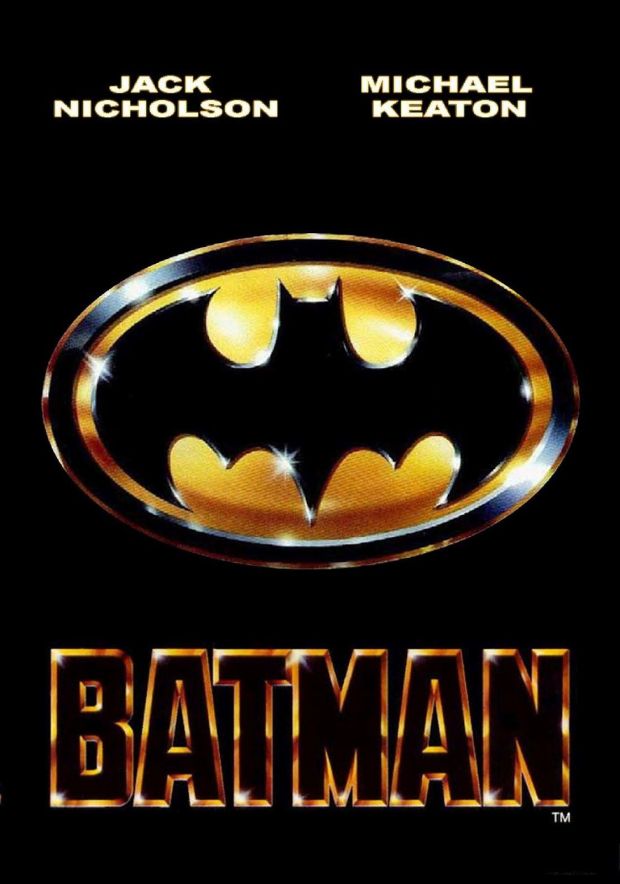
One of the most persistent and unkillable myths in the history of comics is the “saving” of Batman by Frank Miller. You’ve probably heard it. The Batman comics were just a giggling campy mess after the sixties TV show and it was only with Frank Miller’s seminal The Dark Knight Returns in 1986 that Batman became dark and gritty again. Cool story, but complete guano (and one I’m pretty sure I helped spread at a much earlier point in my career as a semi-professional nerd rodent). Truth is, the comics had been pushing back hard against the BIF BAM KAPOW image from as early as 1970 in an attempt to bring Batman back to his roots as a grim, brooding nocturnal hero.

What The Dark Knight Returns did do was bring that darker Batman that was already present in the comics to a much wider audience. DKR was published in 1986, the year that also saw the release of Watchmen, and the release of these two comics in the still relatively new graphic novel format made about as big an impact as it is possible for comics to make.

Batman was the first attempt to reframe Batman in the popular consciousness from the Adam West incarnation into something closer to his comic depictions. Did it succeed?

“Yeah. Yeah, just a bit.”

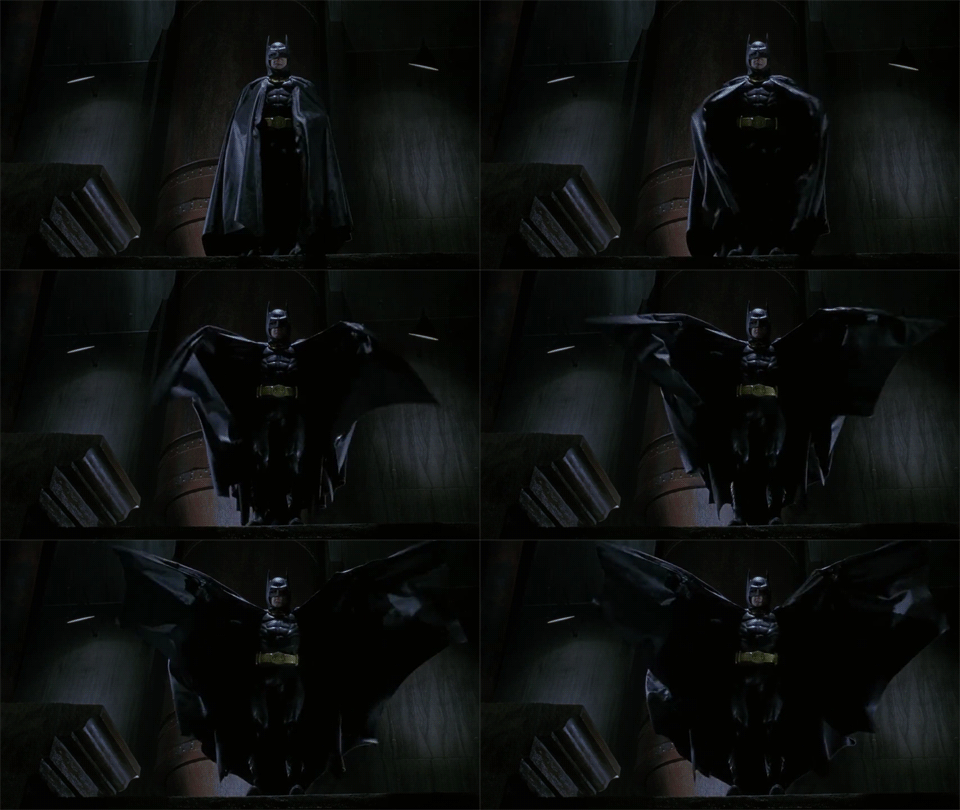
To put it another way, this is by far the single most influential depiction of Batman in any medium in the eighty year history of the character. This movie was where Batman went from “Flagship comic book character and star of a pretty popular TV show” to “Modern Secular God”. In terms of box office, merchandising revenue and pop culture impact it was on the Star Wars tier.  “Fine Mouse”, you say. “But what’s it done for us lately? Does it stand up?”

To which I say, “Yes. It does stand up. And then it flaps its wings, like a pretty, pretty butterfly.”

(more…)

“It doesn’t have to be good to be a classic.”

Let me tell you about the only comic book to ever make me cry in public.

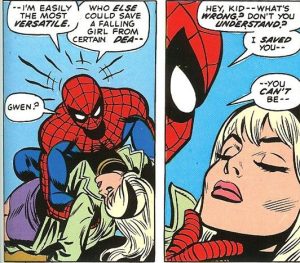
From the first page of Amazing Spider-Man #121 something is off. There’s no title. Simply a sombre note from editorial telling the reader that they won’t actually learn what the name of the story is until the end. But it’s still very much a seventies Spider-Man story; bright primary colour palette, soap opera melodrama to burn and an exclamation point/period ratio of around 90 to 1. Norman Osbourne, who used to be the Green Goblin but has forgotten the whole thing because of amnesia, is undergoing a psychological breakdown because his son Harry went on a bad acid trip (did I mention that this came out in the seventies?). Suddenly, he relapses and remembers not only that he’s the Green Goblin, but that Peter Parker is Spider-Man. Racing to Peter’s apartment to enact his revenge, he instead finds Peter’s girlfriend Gwen Stacey who he abducts. Peter desperately pursues the Goblin to a bridge (George Washington per the text, Brooklyn according to the art) and Spider-Man and Osbourne have a desperate, thrilling mid-air battle that comes to a horrific halt when Gwen Stacey is thrown of the bridge by the Goblin.

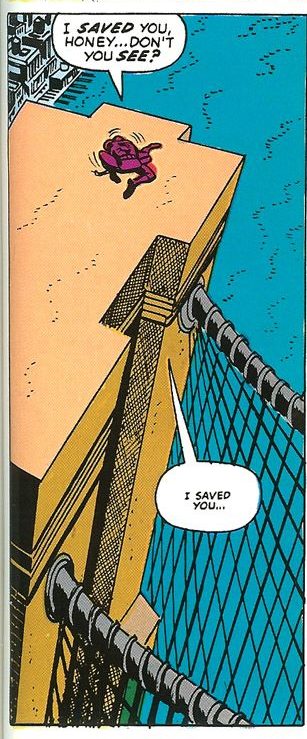
Frantically, Peter shoots his webs to catch her before she hits the ground…and he does! He’s saved her! He’s won! Good triumphs over…

No. This time it’s different. And, on the final page, we at last learn the name of the story we’ve been reading which is, of course The Night Gwen Stacey Died. This is the panel that always makes me well up. :

At this point in the comics, Peter Parker was no longer a teenager. He had graduated college, he was an adult. But he was still very much a children’s character. And I find something indescribably tragic about this child’s superhero cradling the body of the woman he loves, unable to comprehend that his world has changed and that the old rules don’t hold true anymore. Good does not always triumph over evil. The innocent are not always spared. The guilty are not always punished. The people you cannot live without will be taken nonetheless. It’s a story about the loss of innocence we all go through and it’s one of very few single issue comics that I would hold up as an absolute work of art. It’s a piece that’s moved me deeply and that I feel a real personal connection to. And I think one of the reasons why it is such a gut punch is because the brutal tragedy at the heart of story is contained in all this colourful, innocent Silver Age goofiness, like a hand grenade with a pink smiley face on it. It wouldn’t work a tenth as well if done in a moody, gritty “realistic” style.

The Night Gwen Stacey Died became an instant classic and to this day is usually considered the demarcation point between the Silver Age and the Bronze Age, a period marked by a more mature and literary style of comics that produced some of the greatest masterpieces in the genre. Unfortunately it also taught a generation of hacks that they could kill the hero’s girlfriend for some cheap drama and pathos. Nowadays, the phenomenon of female supporting characters being killed to provide motivation for the male lead is usually called “Women in Refrigerators”, a term coined by writer Gail Simone after a particularly notorious Green Lantern storyline, but before that it was called “Gwen Stacey Syndrome” because it was really this story that opened those floodgates. To be clear, this does not make The Night Gwen Stacey Died a bad story (or at least, I certainly don’t think it does). The problem is the raft of imitators who failed to realise that what made Gwen’s death so shocking and effective was that it was so rare. Hard as it might be to believe, prior to 1973 women almost never died in mainstream comics, and if they did (Batman’s mother for example) it was almost always off panel. So what does this have to do with The Killing Joke?

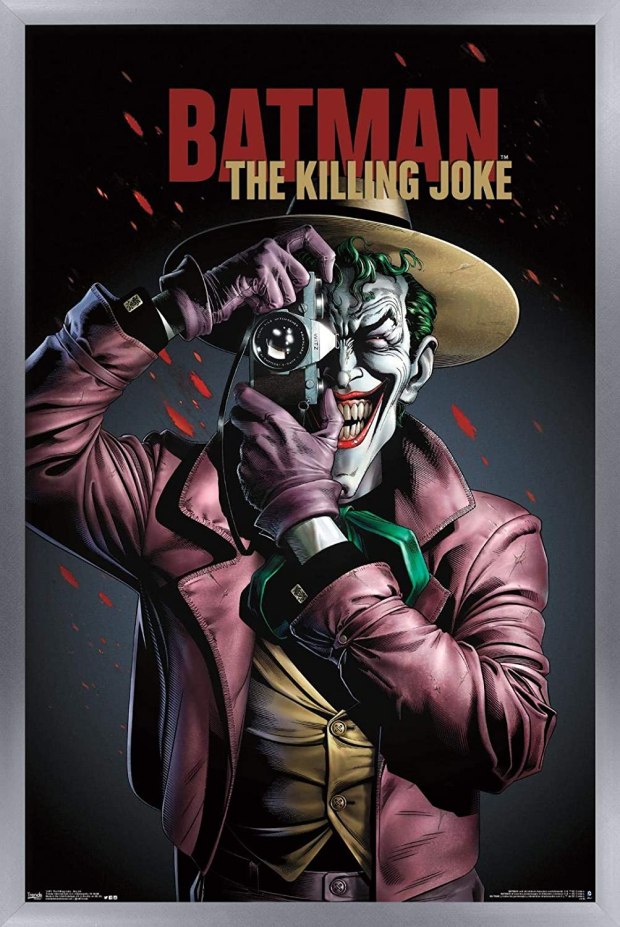
Well, The Killing Joke is a 1988 Batman story by Alan Moore with art by Brian Bolland, and since its release its been frequently lauded as one of the best Batman stories, the definitive Joker story and one of the greatest comics of all time. (thanks to Clifford who pointed out that I actually put it on my list of greatest comics which I had completely forgotten). However, it has also increasingly been viewed as being somewhat…problematic…

Frau_Blucher

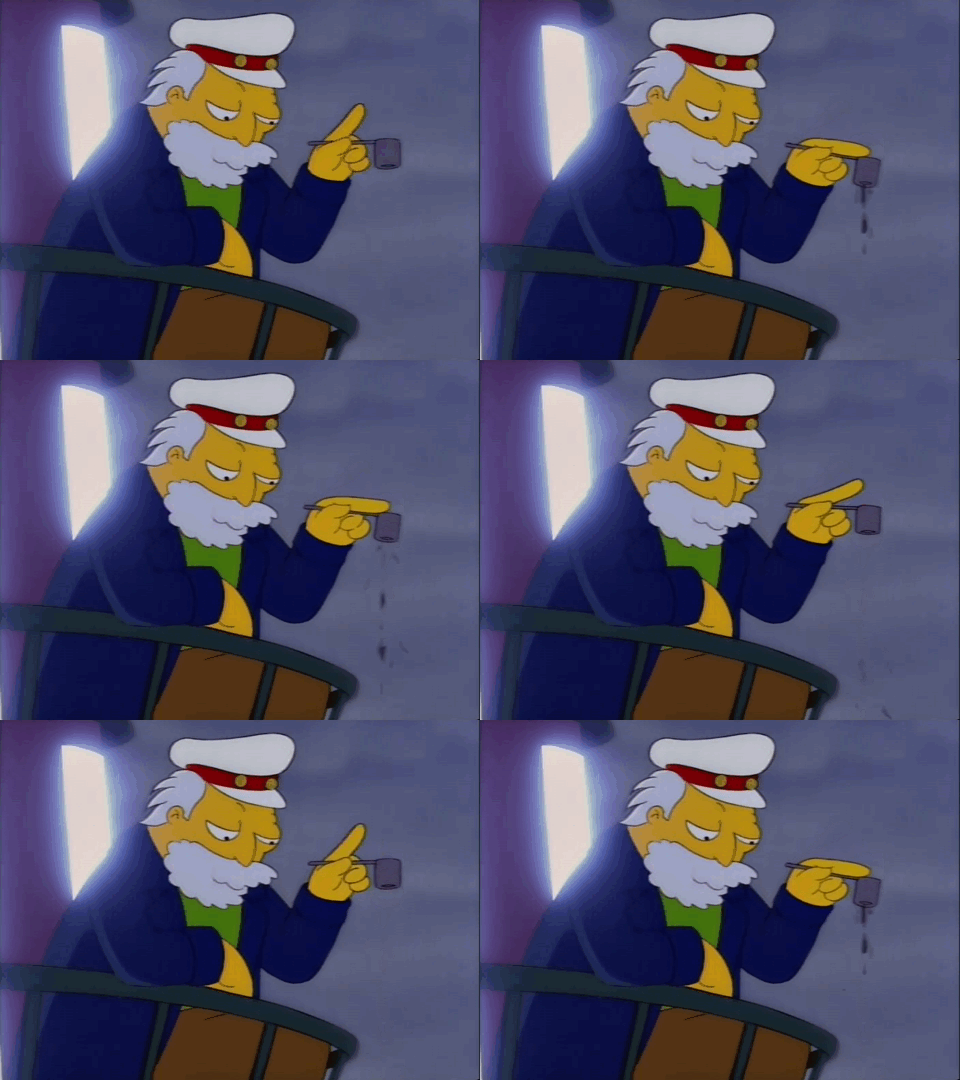
Why? Well, because in the course of this story the Joker shoots Barbara Gordon, paralysing her, (possibly) sexually assaults her and then shows her father pictures of it in an attempt to break him psychologically. Like Gwen Stacey, Barbara Gordon is brutally assaulted in order to advance the story of a male character, in this case her father and Batman. So there’s quite a bit of backlash against this book, with even Alan Moore himself effectively disowning it. Although honestly, take that with a grain of salt. Despite being the most influential writer in the history of the medium not named Lee, Siegel or Finger, Alan Moore basically now regards the entire comic book industry the way Captain McAllister views the sea.

My feelings? Well…I basically feel about The Killing Joke the way I feel about 99 Problems.

Is it misogynistic? Yes.

Noticeably so for its time and compared to the rest of its genre? Not really.

To the point where it obscures its artistic merits? No.

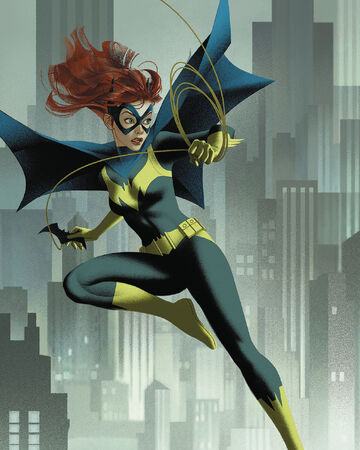
Of course, reading it now you have the benefit of knowing how the story ends. That Barbara Gordon was able to overcome this tragedy, and became Oracle, a wheel-chair bound superhero who became an inspiration to many disabled comic book fans and one of the most valued heroes not simply in the Bat family but in the DC universe as a whole.

Barbara Gordon | Batman Wiki | Fandom

And then Bruce just had her fixed so she could become Batgirl again, which was inspiring to comic book fans with billionaire friends who magically solve all their problems for them.

Ultimately, despite the problematic…

Frau_Blucher

…elements of the story I still think it deserves to be considered one of the all time great Batman yarns. And I was really pumped for this animated adaptation. Look at this line up! Bruce Timm, creator of the legendary Batman the Animated Series was producing, well-regarded Batman scribe Brian Azzaerello was writing the script and the voice cast was shit shot: Conroy! Tara Strong! MARK HAMILL COMING OUT OF RETIREMENT TO DO ALAN MOORE’S JOKER YE GODS!

But then early word had it that the animated adaptation would be greatly expanding Barbara’s role in the story and I was leery. I mean, on the one hand, it’s certainly a laudable impulse to want to address criticisms of the original by giving Barbara Gordon more agency and putting her experience front and centre. On the other hand, that is a radical change to the story. Put bluntly, The Killing Joke is not a Barbara Gordon story. Hell, it’s not even really a Batman story. It’s a story about the conflict between Moral Nihilism as represented by the Joker versus Ethical Objectivism personified by Jim Gordon. So my feeling was that if the creators doubted their source material to the point that they would make such a radical change, they probably shouldn’t be adapting it in the first place.

My worry was that we would get a more progressive, more enlightened, less problematic version of The Killing Joke but probably not a better one.

Oh, oh, oh…

I wish that was what we got.

JESUS.

(more…)

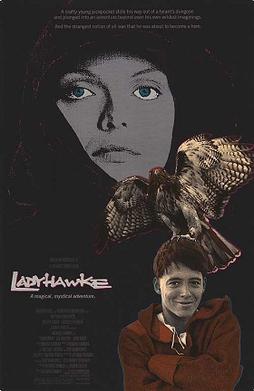
Ladyhawke (1985)

Hey everyone, before I introduce you to the wonderful Rutger Haur-blessed world of Ladyhawke, I need to explain why this review is a little on the short side. I don’t discuss my job on this blog because my employer has a fairly, shall we say, broad remit in policing what its staff say about them online and I try to err on the side of caution. That said, I may have hinted over the years that I am…

“A criminal mastermind?”

“Oh for goodness sake, I occupy a MINOR position in the Irish government.”

Currently, work is absolutely crazy owing to the ongoing spectacle of the United Kingdom of Great Britain and Northern Ireland going boom boom in its big boy pants. A French minister recently joked that she’d named her cat “Brexit” because it keeps howling to be let out into the garden and then refuses to leave when the door is opened.

I would say that the metaphor is accurate, except that the cat also has a bomb strapped to it and I’m not sure the garden is far enough to be outside the blast radius.

Anyway… 

That’s why this review is a little short. As to why I’m only getting around to reviewing it years after the original request…that’s totally Brexit’s fault too. I swear.

***

Ladyhawke is an eighties fantasy movie with a cult following, he said, redundantly, because every eighties fantasy movie has a cult following. Find me a Wikipedia page for one of the breed that doesn’t include the words “cult following”. Can’t be done.

On dark nights, the adherents of Hawk the Slayer can be heard chanting in the woods, every solistice, the Cult of Krull sacrifices a virgin in a moonlit grove and don’t even get me started on what the Willow fans get up to. But Ladyhawke actually earns its cult status for two reasons:

1)      It was a massive flop on release.

2)      It’s actually quite good.

Now, let me qualify that. It’s good. But it’s eighties as fuck. In fact, take a look at the opening credits for me and imagine that it’s actually the start of a cop show about a hawk police officer busting cocaine cartels in Miami beach.

Image result for tubbs miami vice

“Dammit Ladyhawke! I may be your partner, but you crossed the line back there in that warehouse!”

“Until we take down Espinoza and the Marinos cartel, there IS no line!”

You’ll also notice some pretty high calibre talent in those credits. There’s Michelle Pfeiffer and Rutger Haur of course, Richard Donner who famously directed Superman and Stuart Baird, one of the most respected film editors in Hollywood. But then, he also directed Star Trek Nemesis, so fuck that guy.

(more…)

Injun Trouble (1969)

My friends, the time has come for me to tell you the tale of the last Looney Tune, and I feel less like an animation blogger and more like Red from the Shawshank Redemption. I wish I could tell you that the Looney Tunes fought the good fight. That they brought Chuck Jones and Mel Blanc and Michael Maltese back for one last time and went out with a short that could stand up with the very best of them. That when that really was all folks, those folks knew that something wonderful had gone out on a high. But animation is no fairy tale.

Well, except when it is. Look, we're getting off track.

Well, except when it is. Look, we’re getting off track.

What animation buffs call “The Dark Age of Animation” lasted from around the late fifties to the early to mid eighties (meaning the next few reviews will most likely just be me making sounds of pain and distress) and I don’t want to exaggerate it so I’ll just say that this was the worst period in human history where everything good and pure in the world was killed and hung from a gibbet. It was around this time that TV finally came into its own and starting muscling onto cinema’s turf in a big way. Facing increasing financial pressure, cinemas had to cut back on luxuries like lavishly animated cartoon shorts of pure loveliness. Cartoons in this period had to find a new home on television, where the appetite was there (boy, was it ever) but the budgets simply weren’t. The animation studios that survived in this era did so by being cheap, lean and mean. This was the age of Hanna Barbera and Filmation. A wolf age. An axe age. Hell, even the Disney movies in this era looked dog rough.

And what of the Looney Tunes? Bugs Bunny very wisely sat the sixties out after False Hare in 1964. I don’t actually know why Warners decided to retire the character after that, but in my mind he went to Italy to pursue a celebrated career as a director of independent film. It’s what he deserved.

The Looney Tunes/Merry Melodies in this decade, at least after Chuck Jones was fired in 1963 for moonlighting on UPA’s Gay-Puree, focused more on Roadrunner and Wile E. Coyote as well as Speedy Gonzales, who was now paired with Daffy Duck, thereby capitalising on the well known and established hatred between mice and…

"..."

“…”

"..."

“…”

"..."

“…”

"..."

“…”

"Begone, pond-fiend. My kind have protected the internet from your filth for generations."

“Begone, pond-fiend. My kind have protected this land from you feathered scum for generations.”

"Your numbers grow few, furred one. One day you shall let your guard down, and the webbed ones shall rule over as was foretold in the prophecy!"

“Your numbers grow few, furred one. One day you shall let your guard down, and the webbed ones shall rule over all as was foretold in the prophecy!”

"Some day, mayhap. BUT NOT THIS DAY!"

“Some day, mayhap. BUT NOT THIS DAY!”

Sorry, where was I? Oh yeah. So Warners were still using a lot of the classic Looney Tunes characters but they weren’t resting on their laurels (they were doing something else on their laurels but certainly not resting). As well as featuring older established characters, the new shorts studio  under the management of Alex Lovy* introduced such timeless household names to the Looney Tunes Pantheon as Merlin Mouse, Bunny and Claude and Cool Cat. Truly a who’s who of “Huh? Who?” It was like the Itchy and Scratchy and Friends Hour except that Disgruntled Goat did not have his moments. I don’t want to rip on Lovy or Robert McKimson (who directed this short) because they were both seasoned professionals who worked on some great cartoons over the years. But at the same time, COOL CAT IS THE GODDAMNED DEVIL AND SHOULD BE ON FIRE ALWAYS.

cool_cat

The enemy. I shall teach you to hate him.

Now, my problem is not that Cool Cat is utterly, completely, instantly dated as a concept and a character. The fact that he is a sixties pop culture creation to his very bones does not mean that he could not be a good character in his own right. Know who else is utterly a product of his time?

He’s literally a parody of a Clark Gable character from a thirties movie called It Happened One Night mixed with Groucho Marx.

He’s literally a parody of a Clark Gable character from a thirties movie called It Happened One Night mixed with Groucho Marx.

But there’s a key difference.  Bugs comes by it honestly, he is a product of thirties pop culture created by young men who consumed, enjoyed and understood that pop culture. And Cool Cat was created by a bunch of old men desperately trying to relate to the youth of the time in the most cynical and pandering way possible.

Also, his cartoons suck and are not funny.

So let’s take a look at Injun Trouble.

(more…)