Comedy

Fantastic Mr Fox (2009)

(DISCLAIMER: This blog is not for profit. All images and footage used below are property of their respective companies unless stated otherwise. I do not claim ownership of this material. New to the blog? Start at the start with Snow White.)
I’ve got a lot of love for Roald Dahl, even if he was a bit of an unpleasant cuss. He taught me how to read, after all. When I was around four or five years old I was taken to Temple Street children’s hospital for one of my periodic lung re-inflations (I had asthma and smog in Dublin in the eighties was so thick you could chip your teeth on it). While waiting to be seen I picked up a copy of The Magic Finger, which I remember being the first book I ever read through from beginning to end. Dahl was huge when I was growing up. He was our JK Rowling. That probably says something about us, but then again, I think it’s often overstated just how violent and horrifying his stories were. I mean, sure, they were violent and horrifying, but it was all a matter of tone. Roald Dahl was like Rebecca Black, he sounded a lot worse than he actually was. A plot description The BFG or The Witches is arguably more horrific than the books themselves. Roald Dahl took horror and made it so ridiculous and luridly over the top that you couldn’t help but laugh at it. In doing so, he made our terrors ridiculous. I think that’s why so many children loved his work, even nervous kids like me. Roald Dahl didn’t make us feel scared. He made us feel brave.
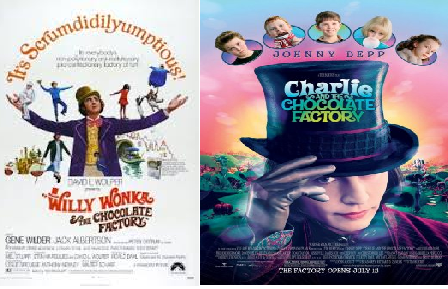
The trouble with adapting Roald Dahl for screen is that, by necessity, you lose the author’s voice and that tone I talked about often goes out the window. That’s how you get something like the 1989 BFG film which, while certainly not bad, is just cussing terrifying. There have been just under a dozen films based on Dahl’s work (not counting his own screenplays like Chitty Chitty Bang Bang) and they range in quality from “terrible” to “one of the greatest movie musicals of all time”.
Chocolate

With the same story at both poles, oddly enough.
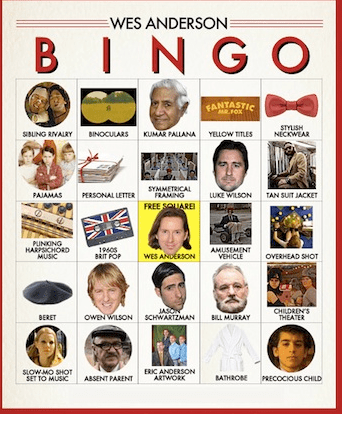
Today’s movie, Fantastic Mr Fox, is based on Dahl’s 1970 novella of the same name. It’s probably fair to call the book “minor Dahl”, it’s certainly not as well known or beloved as Matilda, BFG or The Witches but I really loved it as a child. It’s a simple enough story, Mr Fox steals poultry from three horrible farmers, said farmers roll up with some serious firepower and blast Mr Fox’s tail off but he gets the last laugh in the end by tunnelling into their farms and stealing all their cuss and throwing a big cuss-off party. Whatever, I really liked it. But as you can probably tell it’s a fairly slight story which honestly is perfect for adaptation. You see, the best Dahl movies are those where someone with their own distinctive voice comes and builds a story around Dahl’s basic framework. And there are few voices in Hollywood as distinctive as Wes Anderson, who’s work is so distinctive that Slate created a Wes Anderson bingo card.
Would you like to play a game?

Would you like to play a game?

(more…)

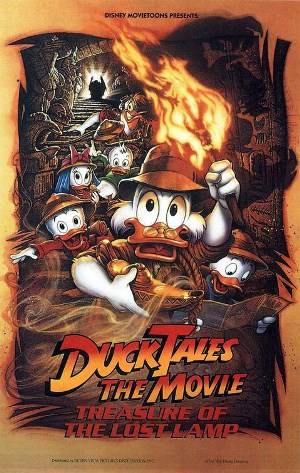
DuckTales the Movie: Treasure of the Lost Lamp (1990)

(DISCLAIMER: This blog is not for profit. All images and footage used below are property of their respective companies unless stated otherwise. I do not claim ownership of this material. New to the blog? Start at the start with Snow White.)

Eighties kids have a tendency to loudly proclaim that the cartoons they grew up with, your Masters of the Universe, your Transformers, your My Little Ponies were so much better than the cartoons made for kids today.

Why do they say that? Lead. Lead was in everything back then. Paint, exhaust fumes, you name it. And lead is well known to have a harmful effect on intelligence. Couple this with the radiation from the hole in the ozone layer frying their brains and the still lingering effects of Chernobyl and quite frankly it’s a wonder that your typical eighties kid can tied their own shoes, much less attempt an objective assessment of the state of made for TV animation then and now. God love them, they’ve suffered through so much. Now, I am an eighties kid by birth but I converted to the church of 21st century animation a looooong time ago so let me put this one to bed. No. Cartoons were not better in the eighties than they are now. Know how I know? Because cartoons have never been as good as they are now. Pretty much every cartoon made for television from the nineteen fifties to late eighties was garbage. Sure, there were talented people working on them, but they were people, not gods, and there simply was no way to contend with the forces of microscopic budgets, corporate mandated toy-schilling and stiflingly conservative broadcast standards and create something consistently excellent or even good. Yes, occasionally an episode of Transformers might get through that still holds up today but these were very, very rare exceptions (I’m talking exclusively about American TV animation I should hasten to add). Contrast that with today: American animation studios are consistently making shows for kids that are better than most of the stuff they make for adults. Pearl from Steven Universe is one of the most fascinating, layered, tragically flawed characters on television right now, period. Gravity Falls is unfolding an ongoing mystery plot with a skill and intelligence that The X-Files and Lost could only dream about. Adventure Time takes Twin Peaks to school with its pure surrealism. Eighties, I hate to break it to you, even our remakes of your shows are a tenfold improvement. You have Transformers? We have Transformers: Prime. You have Thundercats? We have Thundercats 2011. You have My Little Pony? We have Friendship is Magic.  

GIJoeHeader

You have an army?

We have a HULK.

We have a HULK.

So what happened? Whence came this huge leap forward in quality?

Where else?
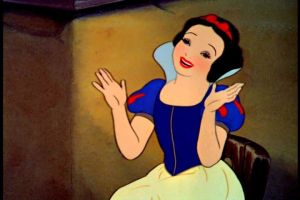
Where else?


So some time in the late eighties Disney rolled up their sleeves and decided it was time to show these chumps who the big dog was. Disney began producing high quality TV animation intended for syndication. Critics scoffed, saying that this was an expensive folly that would bring the Disney company into bankruptcy.
"Ha. Motherfuckers never learn."

“Ha. Motherfuckers never learn.”

Instead, these shows completely revolutionised the American animation TV landscape. Soon after, Warner Bros also got in on the act with Tiny Toons, Animaniacs and Batman the Animated Series to name a few. In essence, all modern TV animation owes its existence to Disney’s gamble in the late eighties, and in particular to their most popular show; DuckTales.
The massive popularity of DuckTales is something that’s always confused me a little. I mean sure, I watched the show and I liked it fine, but what is it about this story about three duck kids and their miserly grunkle that made it to 100 episodes? Couple of things. Firstly, simply by dint of the fact that it wasn’t terrible it was already head and shoulders above pretty much any other cartoon on the air. But I think another key to its longevity was the fact that it’s quite similar to Doctor Who. One of the reasons that show is older than Jesus is because, aside from the fact that they can recast the main actor, the Doctor has a machine that lets him go anywhere in space or time. There is literally no end to the stories you can tell with that basic premise. And in a way, Scrooge McDuck also has a TARDIS. He’s so wealthy that there’s literally nowhere on Earth he can’t afford to go. Want to do a story on the bottom of the ocean? Scrooge buys a submarine. Want to take him to space? Scrooge buys a spaceship. Want to do a story with dinosaurs? Scrooge gets his personal mad scientist to build him a time machine. Want Scrooge to meet Satan? He has a heart attack and goes to hell because it is easier for a camel to pass through the eye of a needle than for a rich man to see heaven. Again, you will never run out of stories.
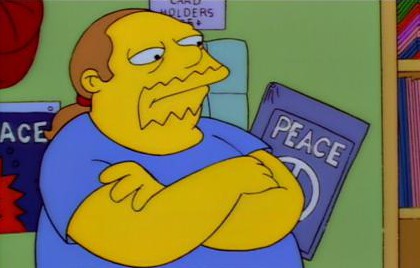
Another thing to consider is that DuckTales was based on a hugely popular comic book, by the legendary Carl Barks. Although Donald Duck was of course created by Walt Disney, it was Barks who did more than anyone else to flesh out everyone’s favourite psychotic waterfowl, creating Duckburg and a whole host of supporting characters; Scrooge McDuck, Gyro Gearloose, Flintheart Glomgold, Magica deSpell (it truly was a duck blur). The Duck comics have never really been huge in the States where the comics scene is of course SUPERHEROES SUPERHEROES SUPERHEROES NOW UNTIL THE END OF TIME but they’re very popular in what I like to call “Asterix country”, Europe, Latin America and Asia. In fact, I even tried to get my hands on a copy of The Many Lives of Scrooge McDuck for this review from my local comic shop. This lead to the following exchange. I swear to almighty God I am not making this up.
Comic_Book_Guy_WEE

“Sorry, it’s sold out. We sold the last copy to Killian Murphy.”

“…Killian Murphy? The actor?”

“…Killian Murphy? The actor?”

“The Scarecrow himself, yes. He came in here and asked specifically for anything pertaining for Scrooge McDuck. Who were we to refuse him?”

“The Scarecrow himself, yes. He came in here and asked specifically for anything pertaining to Scrooge McDuck. And who were we to refuse him?”

I SWEAR TO GOD.
But yes, Donald Duck comics are a big effing deal in many parts of the world. Personally though, I always found the entire concept of DuckTales the TV show to be really depressing. Think about it. Hewey, Dewey and Louie get sent to live with their uncle, Donald. I don’t think we ever found out why in the show, but there is no good reason that happens. And then, after losing their parents, Donald passes them off on his uncle, a miserly one-percenter who clearly cares more about his money than his nephews while Donald is off in the navy. Those three little ducks must be carting around a metric ton of abandonment issues. The reason why Donald isn’t present in the series apart from a few cameos is that Roy Disney didn’t want any of Uncle Walt’s classic characters getting TV stink on ’em. Instead, the character of Launchpad was created to fill the role Donald usually did in the comics. Today’s movie, Treasure of the Lost Lamp, came out in 1990 and served as a season finale of shorts to the beloved series. Did DuckTales go out with a bang or a whimper? Let’s take a look.

Saving Mr Banks (2013)

(DISCLAIMER: This blog is not for profit. All images and footage used below are property of their respective companies unless stated otherwise. I do not claim ownership of this material. New to the blog? Start at the start with Snow White.)
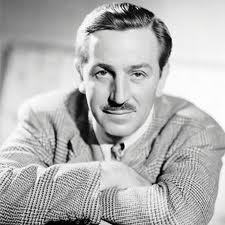
Previously on Unshaved Mouse: After learning that he’d been secretly manipulated into destroying the career of Don Bluth, Mouse swore revenge against his former mentor Walt Disney, promising to review “The Worst Disney Movie”. However, it seemed that the two had finally buried the hatchet after Mouse reviewed Big Hero 6 in an attempt to boost his flagging page views just ‘cos. But then, Walt was kidnapped by Mouse’s entire rogue’s gallery who it turned out had been led by none other than…Mouse.
Now read on.
“You’re kidding. Saving Mr Banks? That’s your pick for worst Disney movie?”

“You’re kidding. Saving Mr Banks? That’s your pick for worst Disney movie?”

“Yup.”

“Yup.”

“Not one of the straight to video sequels? Not the High School Musical movies?”

“Not one of the straight to video sequels? Not the High School Musical movies?”

“Nope.”

“Nope.”

“Pff. Lemmings. Who cares? Buncha racists.”

“Pff. Lemmings. Who cares? Buncha racists.”

"FUCK YOU, MAZERUNNER!"

“FUCK YOU, MAZERUNNER!”

“Saving Mr Banks was a critical darling! It grossed over a hundred million dollars! How can it possibly be the worst Disney movie?”

Saving Mr Banks was a critical darling! It grossed over a hundred million dollars! How can it possibly be the worst Disney movie?”

"Well, "worst" can have very different meanings."

“Well, “worst” can have very different meanings.”

Pamela Lyndon Travers, born Helen Lyndon Goff was a remarkable woman who led a remarkable life. At various times a Shakespearean actor, a scholar of Native American cultures, a propagandist during the second world war, a member of the literati who rubbed shoulders with the likes of AE and WB Yeats and the creator of Mary Poppins, one of the most popular children’s characters in English language literature. She was also, by most accounts, a bit of a pill. In fact, it’s been said that she died “loving no one, and loved by no one.” Who said that? Her own grandchildren. Yikes.
A question I got asked a lot after my review of Mary Poppins was whether I had read any of the original books and the answer was “No.” I have since had a chance to rectify that, or at least, I’ve managed to read the first book, the one that the 1964 film was based on. In my opinion it’s a charmingly written, often very witty book that’s let down by a somewhat ramshackle episodic structure and the fact that the main character is WORSE THAN HITLER.
Sorry, I know a lot of people love these books and prefer the literary version of Mary Poppins but oh my God, no. No, no, no, no, no, She is awful. Vain, mean, borderline emotionally abusive, contemptuous of everything and everyone, snobbish, nakedly hostile to anyone who is not on their knees kissing her very shoes and she sniffs. Constantly. “Mary Poppins sniffed…” it was like a goddamn tic. By the end of the book I was like…
Sniff again
And today’s movie, Saving Mr Banks, is about how that book  and its fairly unlikable author and its deeply unpleasant main character were somehow corralled into making one of my favourite movies by one of my favourite film-makers. You could not engineer a safer audience for this movie than me. So how badly do you think they had to fuck it up for me to hate this movie, to hate the Disney corporation that made it and even for a little of that hate to wipe off on my memories of the original film? How hard do you have to try to fail that badly?
Let’s take a look.

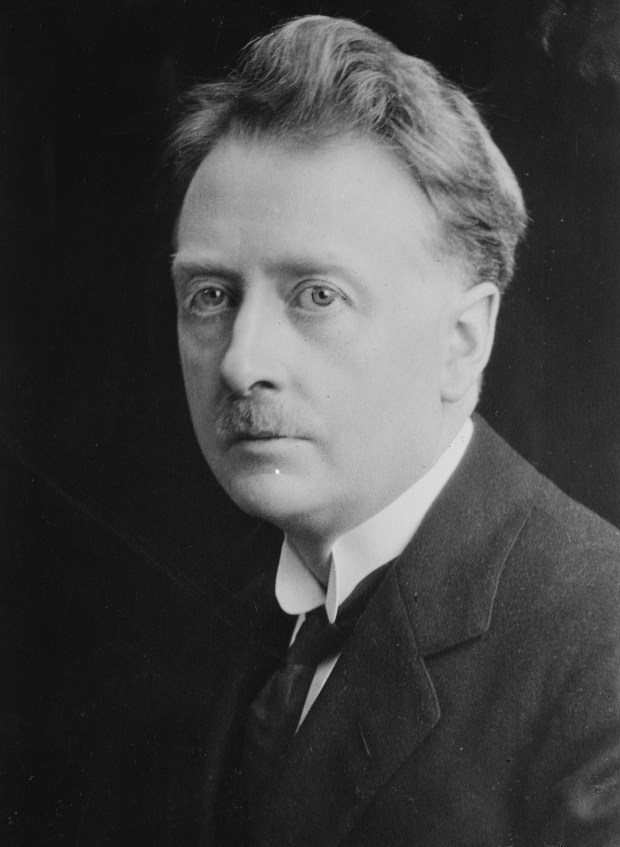
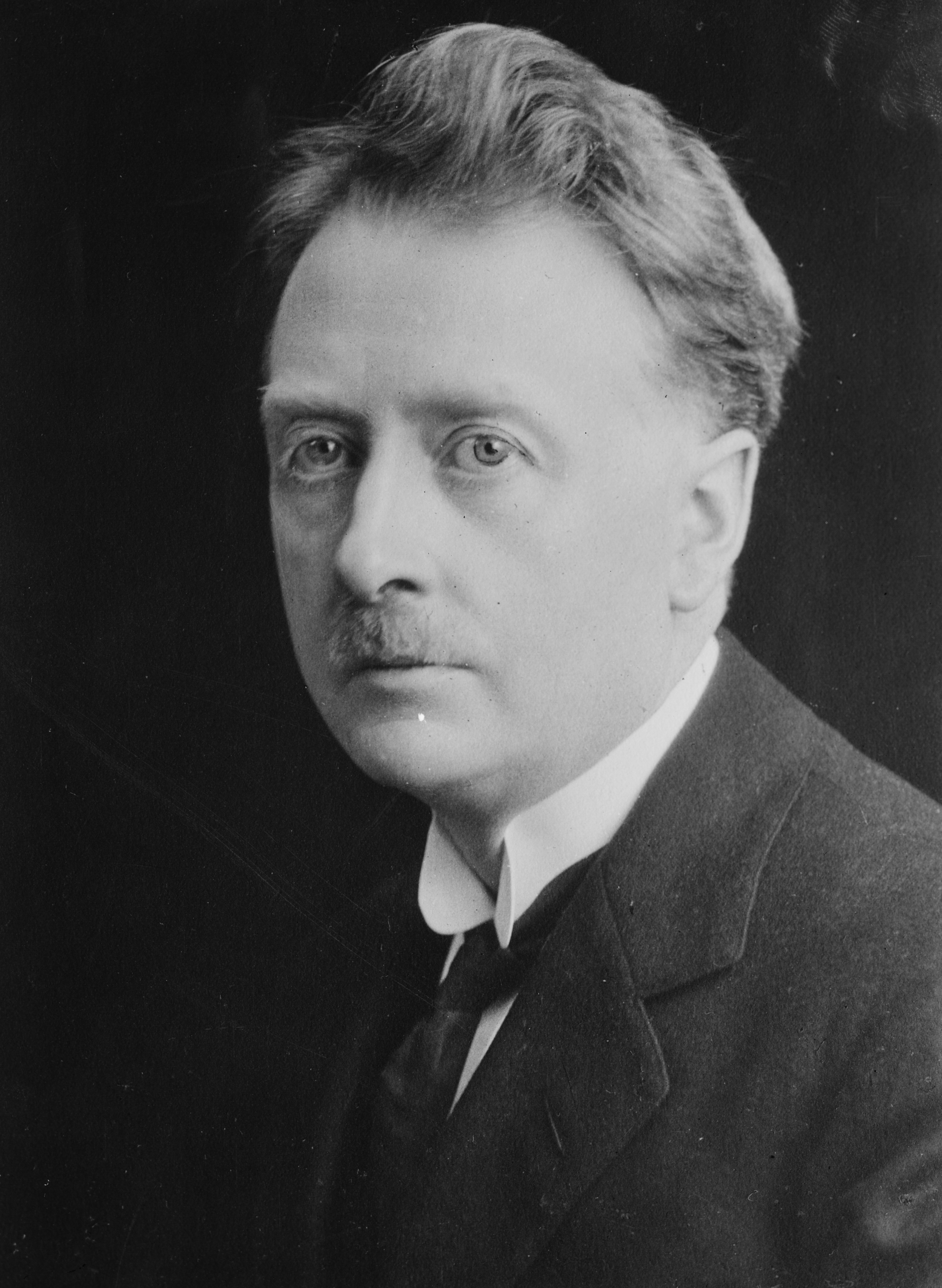
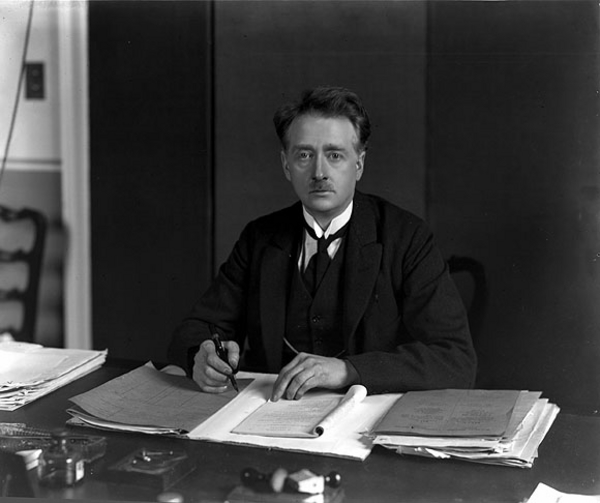
#1 W.T. Cosgrave

Name: William Thomas Cosgrave
Party: Cumann na nGaedheal (Later re-named Fine Gael)
Terms served: December ’22-March ‘32
Ask any American, regardless of their level of education or political engagement,  who was the first President of the U.S. and they’ll be able to tell you it was George Washington. But ask an Irishman or woman who was the first Taoiseach and you’ll quite possibly leave them stumped. This is not because we’re all idiots (it’s a coincidence), but more reflective of the piecemeal, stop-start nature of Irish nationhood. In Shakespeare’s Henry V the Irishman MacMorris asks “What isht my nation?” and five hundred years later we still don’t knowsht. It’s not at all easy to say when “Ireland” first came into existence. I mean, there has been an island called “Ireland” and a people called “the Irish” since time immemorial. But when did the modern nation known as “Ireland” first spring into existence? Was it when Padraig Pearse stood outside the GPO and read the Proclamation to a tittering Dublin citizenry in 1916? Was it when Collins signed his own death warrant with the Anglo-Irish treaty? Or how about when DeValera brought in the new constitution of 1937 or when John A. Costello finally said “screw this noise” and declared a republic in 1948? Also complicating things is that if you said that the first Taoiseach was Eamon DeValera, you’d be technically correct.
"The best kind of correct!"

“The best kind of correct!”

Eamon DeValera was indeed the first person to hold a title of that name. However, as I mentioned in the introduction, the current historical consensus is to retroactively  count W.T. Cosgrave as the first Taoiseach.
"Gesundheit."

“Gesundheit.”

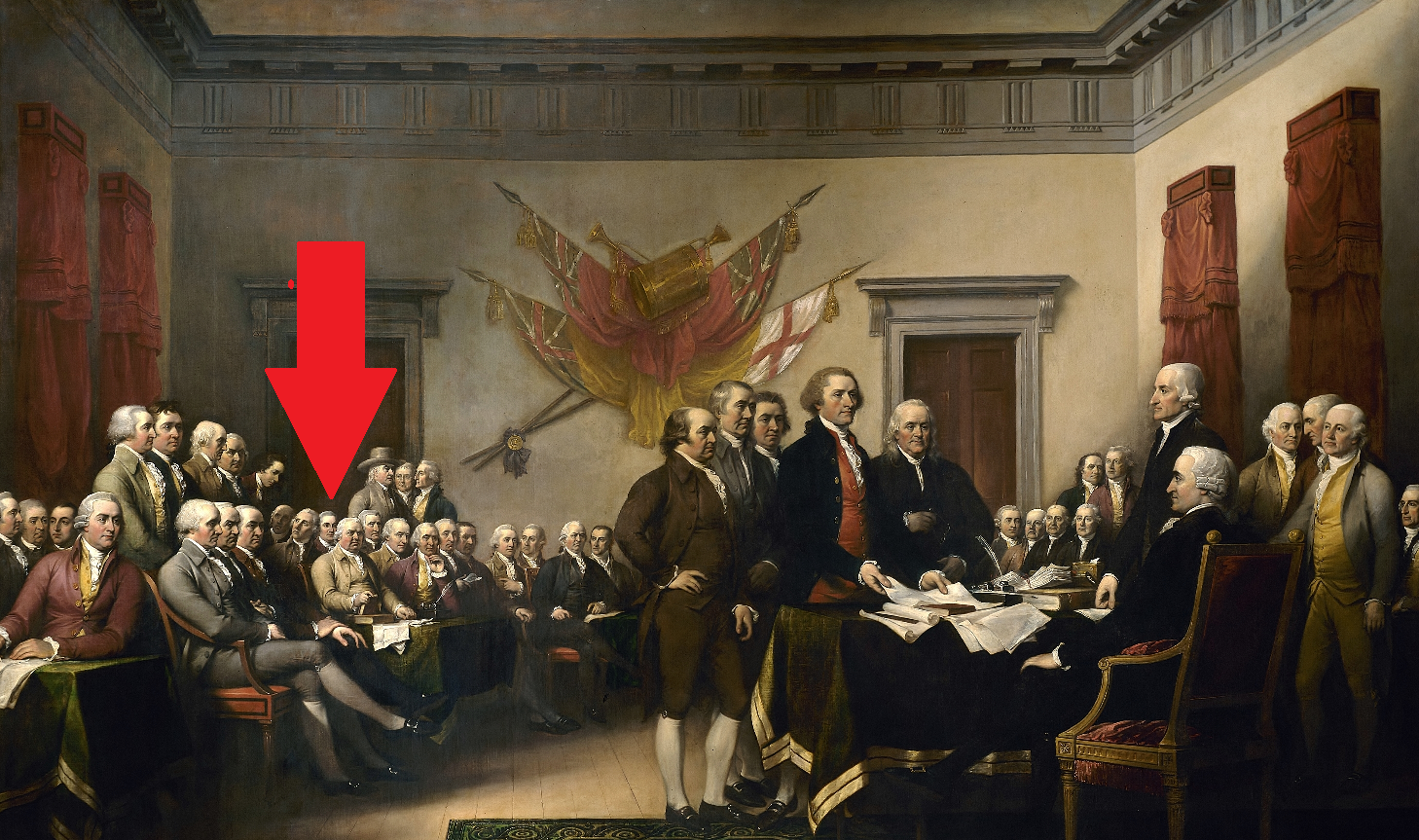
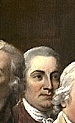
He is also, in my uninformed opinion, the greatest. Why? And if he is, why is he, if not forgotten, so often overlooked? Firstly, let me explain who W.T. Cosgrave was. And, as I know most of my readers are American, I’ll use an American historical allegory. I want you to imagine that you’re one of the founding fathers. Not one of the big guys though. You’re one of the no-names who’s always in the background of the portraits.

Founding fathers

To all the other Founding Fathers you’re considered dependable, but hardly exceptional. You don’t have a whole heap of legislative experience outside of a stint in local government. You run a tavern, that’s about it. You are, all things considered, a fairly normal Joe. The kind of guy who, when this is all over, will be lucky to get a footnote in some history book and maybe a school named after you in your home town.
So, the War of Independence kicks off and it doesn’t go as well it did in our reality. Oh, the Americans still win. But Britain manages to hold on to a few of the colonies. Washington, realising that the Revolutionary Army’s supplies of food and ammunition are running low, accepts a compromise with the British Crown that allows them to keep these colonies in exchange for independence for the rest. Jefferson, outraged, leads half of the constitutional conference in a rebellion against Washington and the newly freed colonies are suddenly plunged into Civil War.
So you’re thinking, wow, this got real bad real fast. But we’re still good. We’ve still got George Mo’Fuckin Washington and Benjamin “Lighting is my Bitch” Franklin on our side, how can we lose?
Then you wake up one day to be told that George Washington’s been fuckin’ SHOT, Benjamin Franklin has died in bed and, because half of the government went with that traitorous dog Jefferson, YOU, YOU anonymous tavern keeping, local government, back of the portrait guy, are now the President.
"Aw Crap."

“Aw Crap.”

Have fun, pally.
Now, what if, ten years later, it turned out that you managed to hold everything together? You beat Jefferson, united the freed colonies and managed to establish a stable, functioning democracy?  You’d have earned the right to feel a little smug, no?
W.T. Cosgrave was that guy.
He was just a minor member of the first Dáil who, following DeValera’s rejection of the treaty, the assassination of Michael Collins, and the death from illness of Arthur Griffith, found himself running a nation embroiled in a vicious Civil War. This explains why he looks so terrified in so many of his portraits.
"...help me.."

“…help me..”

Alright, I may have sold him a little short in that analogy. Cosgrave was actually one of the more experienced politicians in De Valera’s revolutionary government, having spent many years serving on Dublin city council. He fought in the Easter Rising and, like DeValera, just narrowly escaped execution. Upon his release from prison, he ran for election as a Sinn Féin candidate and won thanks to possibly the greatest election poster in the history of everything.
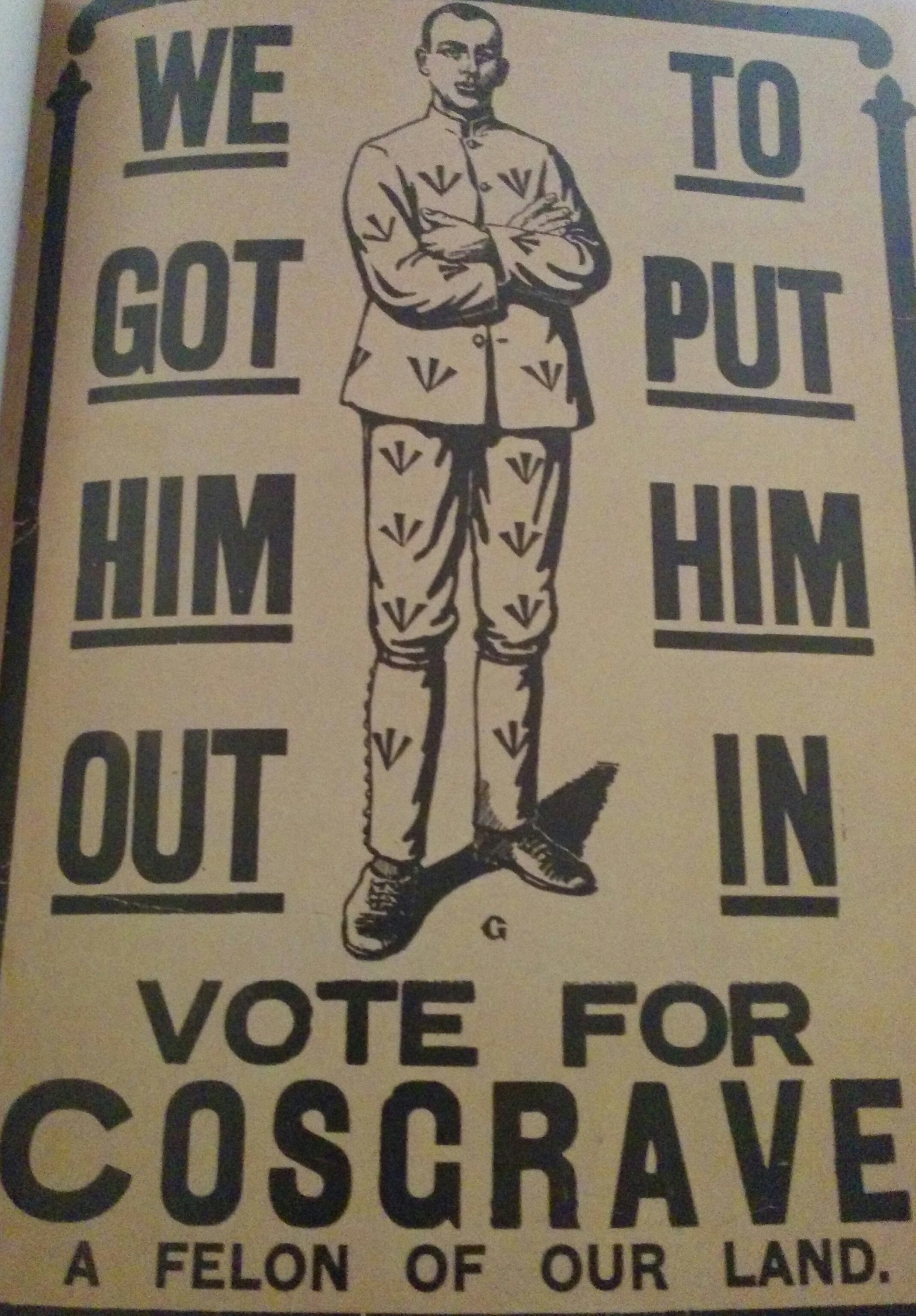
This country deserves a better class of criminal.

This country deserves a better class of criminal.

Remember back in the De Valera post I mentioned howSinn Féin were essentially able to create a parallel government to compete with Britain’s institutions? Well most of the actual sweat-work was done by Cosgrave in his role as Sinn Féin’s Minister for Local Government. (Pro-tip for any aspiring revolutionaries out there: Make sure you have a government set up to take over before you win. Don’t put it on the long finger). But still, the guy would not be your first choice to lead a nation through a civil war. In fact, he may have gotten the job purely because, at 42, he was the oldest member of the government (yeah, this was a young revolution).  He was a small, quiet, totally normal bloke.

He was also something that is vanishingly rare in politicians of every stripe and nationality: Competent. That, I think, is the word that sums him up better than any other. WT Cosgrave got shit done.

Under Cosgrave’s leadership the Free State triumphed over the anti-Treaty rebels and the Civil War drew to a close in 1923. Cosgrave then had to get down to the hard business of actually governing. This, incidentally, is where the story of former colonies who win independence usually goes sour. The occupying power is kicked out, the victorious side gets into power and starts enjoying the perks, divvying up choice positions and privileges to their supporters. Resentment builds, the government cracks down, freedoms are curtailed, military dictators rise and before you know it we have to do the whole dance all over again. One of Cosgrave’s most important gifts to the country was an apolitical Civil Service. Instead of a patronage system, new applicants had to pass an entrance examination, meaning that whether or not you got a job depended on what you knew rather than who you knew.
He also had to deal with the problem of an army that had to be significantly downsized now that the war was over. By the mid-twenties, Ireland had an army of 50,000, i.e. one soldier for every sixty people and, making it one of the most militarised nations on earth. Clearly, something had to be done. Unfortunately, the army were all “Point one. We like having jobs. Point 2. We have guns.” It was looking pretty hairy for a time but fortunately Cosgravestuck to his metaphorical guns and the army never used their not so metaphorical ones and the expected army mutiny never materialised.
Internationally, Cosgrave worked to set Ireland apart from Britain, claiming a seat at the League of Nations and becoming the first British Commonwealth nation to have its own representation in Washington DC. Economics was more of a mixed bag, Ireland at the time was an overwhelmingly agricultural nation so Cosgrave and his government focused most of their energies on that sector while neglecting industry. They did, however, set up the Electricity Supply Board, the first national electricity grid in Europe.
In the end though, nothing became WT Cosgrave’s time in power like the leaving of it. By 1932, a general election had been called and Cosgrave’s Cumann na nGaedheal party was facing Eamon De Valera’s new and energised Fianna Fáil.
Cumann na nGaedhael sensibly ran on the platform of “Hey, ten years ago no one thought this country would even still be here!” and on their record of honest and effective government. However, they made the mistake of trying to paint DeValera and Fianna Fáil as a crowd of rabid lefty communists. It was a mistake because, to this day, if you say the word “conservatism” three times in front of a mirror, the ghost of DeValera appears and slashes your welfare benefits. Fianna Fáil won the election, and Cosgrave now faced a very difficult question. Was he really going to hand over control of the nation to the man who had thrust it into a bloody Civil War? Was he going to let all his hard work, every painful sacrifice, every monumental achievement be put in jeopardy? Was he truly going to hand stewardship of the Irish Free State over to the man who had actively worked for its destruction?
And Cosgrave said: “Yes. Because that’s how democracy works.”
"Ya eejit."

“Ya eejit.”

Despite fears of violence (some Fianna Fáil TDs went into their first day of work armed in case shit went down) Cosgrave stepped aside and DeValera assumed the position of President of the Executive Council, which he would later rename “Taoiseach.”
"Gesunheit."

“Gesundheit.”

With this one action, WT Cosgrave set the nation’s future in stone. Whatever Ireland’s problems, whatever her failings, whatever disagreements arose between her children they would be dealt with in accordance with the rule of law and the will of the people. Ireland would no longer be a nation governed by the threat of violence but by the ballot box.
Ireland was now a democracy.
That is William Cosgrave’s legacy. There can scarcely be one finer.
Pros:
  • You want more? Okay, well, it bears remembering that WT Cosgrave was a democrat in a time when democracy in Europe was widely seen as being on its way out. He scrupulously defended the nation’s democratic institutions in a time when fascism and authoritarianism were far more intellectually respectable than they are now.
  • The Irish Free State also had full women’s suffrage six years before Britain, a fact that we are constitutionally required to remind them at every possible opportunity.

Cons:

  • Nobody comes through a Civil War with their hands clean, and Cosgrave was no exception. Despite being personally opposed to the death penalty (being on death row will do that to you), during the height of the conflict he ordered many executions, some almost certainly illegal as they were without trial. All in all, almost eighty republicans were executed before the war ended, far more than even the British had executed during the War of Independence.
  • Fathered Liam Cosgrave.


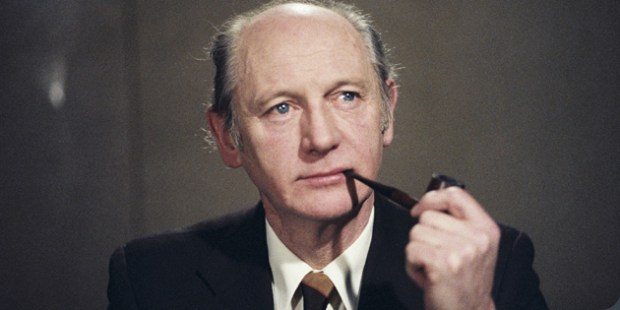
#2 Jack Lynch

Name: Jack Lynch
Party: Fianna Fáil
Terms: November ’66-March ’73, July ’77-May ’79
So remember when Michael Jordan quit basketball and became a baseball player as depicted in the documentary Space Jam? Imagine if, instead of being awful, he had gone on to become one of the best players in that sport too. Then imagine he ran for election and became one of the most popular presidents in US history. That’s pretty much Jack Lynch.
He was terrib;e

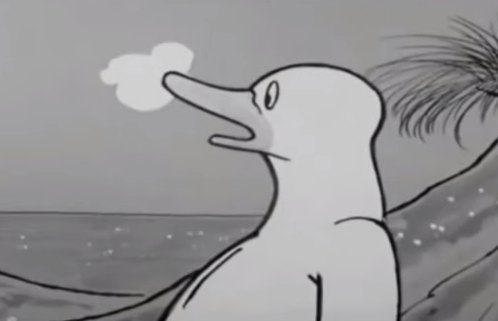
Also, instead of Bugs Bunny, Jack Lynch was aided by Daithí Lacha, Ireland’s first cartoon character. He was terrible.

(more…)

#05 John Bruton

Name: John Bruton
Party: Fine Gael
Terms of Office: December ’94-June’97
John Bruton first entered politics when he was elected to the Dáil in 1969, only 22 and barely out of nappies. He later served as Minister for Education under Liam Cosgrave but we won’t hold that against him. To understand how he became Taoiseach we have to re-join the story where we left off, with Labour’s Dick Spring walking out of Albert Reynolds’ government over the Harry Whelahan/Brendan Smyth clusterbollocks. Bruton convinced Spring to return to the batcave and enter a coalition with Fine Gael and the Democratic Left. This gave Bruton a majority in the Dáil and he became Taoiseach without even needing to be elected.
"Just like Gerald Ford."

“Just like Gerald Ford.”

Despite some tensions with Spring, Fine Gael and Labour nonetheless managed to work together to form a government that was, in hindsight, pretty not bad at all. Despite being seen as part of Fine Gael’s more conservative wing, one of Bruton’s first initiatives was the legalisation of divorce. In 1995. Which makes us possibly the only country in the world to have internet before we had divorce.

(more…)

Captain Planet and the Planeteers: If it’s Doomsday, this must be Belfast

(DISCLAIMER: This blog is not for profit. All images and footage used below are property of their respective companies unless stated otherwise. I do not claim ownership of this material. New to the blog? Start at the start with Snow White.)
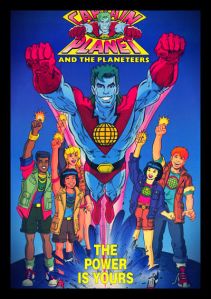
Reality, as Stephen Colbert once patiently explained to George W. Bush, has a well-known liberal bias. The flipside of that is that fiction tends to be conservative. In a typical narrative there are good guys, there are bad guys, and there are few problems caused by the latter that can’t be solved by the former punching them repeatedly in the goolies. In the real world the big problems that bedevil mankind tend to be big, messy and complex and fixing them is an absolute slog with no clear-cut right or wrong and often very little visible sign of victory or even progress.
Take, for example, the question of how to best leverage the advances of industrialisation to improve the standard of life for the maximum number of human beings without causing irreparable damage to the bio-sphere and rendering the entire planet and uninhabitable hellscape? That’s a bit of a poser. And how would you dramatise that question, particularly for a young audience? Say, for example, in a thirty minute animated series running for over a hundred episodes?
 To create a cartoon show that deals with this problem maturely and intelligently while still working as a compelling and dramatic piece of entertainment would take something close to genius.
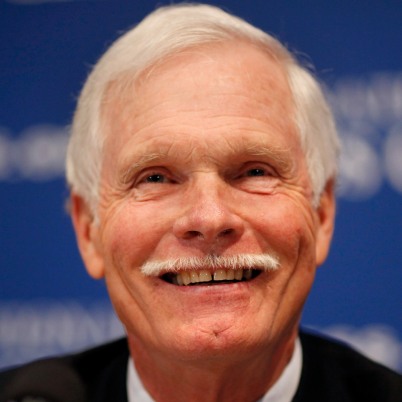
Ted-Turner-9512255-1-402

Yes. That is what it would take.

So around 1990 millionaire Ted Turner decided to create a cartoon show about heroes who took on the issues of environmental devastation and social injustice instead of doing stuff that was fun. It was called Captain Planet and the Planeteers and the premise was this: Gaia (Whoopi Goldberg), the spirit of the Earth, wakes up from a long nap and sees that human beings have been trashing the place for the last thousand years or so (well, maybe if you had actually been around to tell us to knock it off we would have known better, lady). Despite the fact that she was asleep at the switch and this is kinda her mess to clean up as much as anyone’s, she enlists five teenagers with attitude respect for nature and all its living things. They are Kwame (Levar Burton) from Africa, Wheeler (Joey DeDedio) from North America, Linka (Kath Soucie) from the Sovie…I’m sorry, EASTERN EUROPE, Gi (Janice Kawaye) from Asia and Ma-Ti (Scott Menville) from Latin America. She gives them five elemental rings with Kwame, Wheeler, Linka and Gi getting the powers of Earth, Fire, Wind and Water and Ma-Ti getting stuck with the power of Heart because poor Latin America is always the pathetic butt monkey.
“It’s true.”

“It’s true.”

Whenever they’re faced with a threat they can’t defeat alone they summon the Zords combine their power to summon Captain Planet. Who has a green mullet.
Now, as a premise it’s not…terrible. And on paper the show had a lot going for it. The animation was better than a lot of Saturday morning fare of the time and the cast was RIDICULOUSLY high-powered thanks to Turner roping in his Hollywood friends to voice the various villains including Martin Sheen and Meg Ryan back when she was probably the most successful Hollywood actress on the planet. But it also had problems, not least of which was the fact that Captain Planet is, no question, the worst superhero ever to achieve mainstream success.
Why was he so terrible? Was it the puns? The awful puns? The terrible, excruciating, abominable puns? The puns that made you want to curse God for giving you ears? The puns that made you smell colours, taste sounds and gibber in unknown tongues? The puns that made you want to tear off your skin and fold it into a little swan? The puns that made you head to the nearest clock tower with a high-powered rifle and start picking off the fleeing figures below while muttering “There’s Captain Planet. There’s Captain Planet…”?
No, it wasn’t the puns.
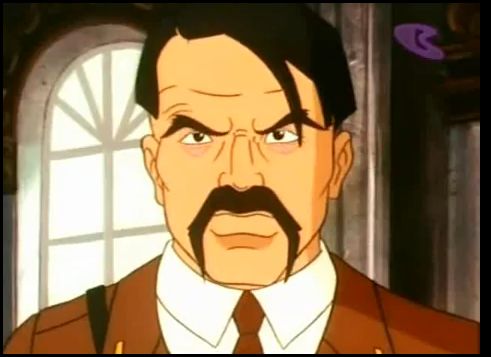
I first realised the utter crapitude of Captain Planet  as a child, when I watched the episode “A Good Bomb is Hard to Find” where the Planeteers travel back in time to prevent Doctor Blight from selling a nuclear bomb to Hitler.
Adolf_Hitler_(Captain_Planet)

“Hey boss, how can we make sure people know it’s supposed to be Hitler?” “Hitler had a moustache, didn’t he?” “Yeah.” “Give him a moustache. That way they’ll know.”
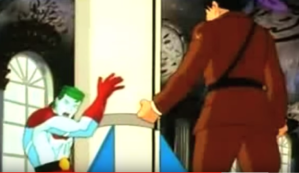
Captain Planet comes face to face with Hitler and immediately curls up in a little ball because the hatred coming off him is so strong that it’s a form of pollution. It was at this point that I stood up, pointed an accusing paw at the TV and loudly declared:
“NO! NO! A superhero who comes face to face with Adolf Hitler and does not punch him right in his stupid face is not a superhero! Good day sir!”
“NO! NO! A superhero who comes face to face with Adolf Hitler and does not punch him right in his stupid face is not a superhero! Good day sir!”

“But what we’re trying to show is that prejudice can…”

“But what we’re trying to show is that prejudice can…”

“I SAID “GOOD DAY” SIR!”
“I SAID “GOOD DAY” SIR!”

Think about that for a minute. They created a superhero whose kryptonite is evil. Captain America is one of the greatest superheroes ever because in his very first appearance he punched Hitler right in the face. He didn’t collapse weeping in a puddle because HITLER DIDN’T COME WITH A GODDAMN TRIGGER WARNING!
Warning for: Hatred. Genocide. Inaccurate moustache.

Warning for: Hatred. Genocide. Inaccurate moustache.

As notorious as that episode is, there’s one that (in my  neck of the woods at least) is even more infamous; “If it’s Doomsday, this must be Belfast”, better known here as “The one where the IRA got a nuclear bomb.”
I have never actually seen this one but this thing is legendary in Ireland. I have, no lie, been waiting to do this review all year. I have a feeling this is going to be the greatest experience of my life.
Let’s take a look.

(more…)

#06 Garret Fitzgerald

Name: Garret Fitzgerald
Party: Fine Gael
Terms served: June ’81-March’82, December ’82-March ’87, 
We Irish tend to view our politicians with the mixture of pity, loathing and disgust normally reserved for the kind of people who have to go door to door whenever they move to a new neighbourhood. A big exception to that rule is Garret Fitzgerald. We Irish love us some Garret Fitzgerald. To this day he’s remembered fondly as a man of principle, integrity and humanity and also because in his later years he bore a passing resemblance to Tom Baker.
"Care for a jelly baby?"

“Care for a jelly baby?”

Not just a politician, Fitzgerald was also one of our foremost men of letters, writing for The Economist and the Irish Times where he was a contributor for almost sixty years. And a great Taoiseach right? Riiiiiiight?
Shurg

(more…)

# 07: Eamon de Valera

Name: Eamon de Valera
Party: Fianna Fáil
Terms of Office: December ‘37-February ‘48, May ’51-May ’54, March ’57-June ‘59
Ah. The big one. Right so.
Great Man History, or the historical method of viewing past events as some great epic story whose course is controlled by a handful of heroes and villains, is largely bunk. World War 2 was not a personal duel between Hitler, Churchill, Roosevelt, Tojo and Stalin but the result of a billion different political, military and economic factors all crashing into each other. Real history is incredibly complicated, massively messy and almost entirely too big for any human being to comfortably conceive. And yet, the thirties, forties and fifties of Irish history really feel as if they belonged solely to one man: Eamon de Valera. In Ireland Dev personifies that whole era of our history in the same way that Andrew Jackson did his in the States, and like Jackson the appraisal of his legacy is incredibly controversial and getting more negative with every passing year. I quite purposefully put de Valera right smack dab in the middle of the rankings. For me, Dev is like a ninja assassin. I disagree morally with what he did, but I have to admit he was, very, very good at it.
Ironically, despite being the towering figure of Irish history for much of the twentieth century, Dev wasn’t born here. He was born in New York in the 1880s to an Irish émigré named Catherine Coll and her husband, the Spaniard Juan DeValara. Maybe. The historical record on this is actually super sketchy and no marriage certificate for Dev’s parents has ever come to light. In fact, no evidence has ever come to light that Juan de Valera even existed, leaving questions of his parentage and legitimacy that would dog de Valera all his life.
Lost Targaryen Prince. Calling it now.

Lost Targaryen Prince. Calling it now.

Anyway, after Juan’s death (uh-huh), the now widowed (riiiiiiiight) Catherine sent the infant Eamon to Ireland to be raised by his grandparents. He grew up an excellent student and devout Catholic, even considering joining the priesthood before deciding against it because of the issue of his possible bastardy. He became active in the Irish independence movement and joined the Irish Republican Brotherhood, a secret society that had controlled or influenced virtually every Irish freedom organisation both political and military since the 1850’s. He was a commander during the Easter Rising of 1916 and just barely escaped being executed by the British because of American diplomatic pressure. As quite literally the last man standing of the rising’s leaders, de Valera was elected president of Sinn Féin, a political party formed to win total independence from Great Britain (as opposed to the wishy-washy “Home Rule” that the Irish Parliamentary Party had been trying and failing to get for decades). Sinn Féin had been founded by a man named Arthur Griffith who was an absolutely brilliant thinker (also a bit of an anti-Semite, but you can’t have everything). Griffith’s ground-breaking notion was this: instead of trying to win Irish independence within the British power structure, simply set up an Irish government with its own departments, police force, postal service, bureaucracy and ignore the British government until it goes away. Absolutely revolutionary. Might even have worked. As it turned out, Sinn Féin under de Valera did succeed in creating an entire alternate government capable of providing services that equalled (and in some cases even proved superior to) the British institutions they were competing against. This is especially incredibly when you consider that we’re talking about an illegal organisation running a government while being on the run from the government. But Griffith’s vision was for non-violent resistance to British rule and that did not happen. Because while Sinn Féin under de Valera was wresting political control from the British, the Irish Republican Army under Michael Collins was showing them this new thing he’d invented called “modern urban guerrilla combat” and why that was going to be something of a game changer for the rest of the twentieth century.
During this time de Valera toured America to raise publicity for the Irish cause and to try and get Woodrow Wilson to acknowledge the Irish Republic. He didn’t get recognition, but he did win significant support and donations for the Irish cause. He also visited the Chippewa reservation and spoke of the shared history of oppression and colonialism of Native Americans and the Irish people. He was then made an honorary chief of the tribe, and I get to use this picture.
This is a good day.

This is a good day.

Back home, the war raged on until finally the British sued for peace. de Valera then made one of the most controversial and debated decisions of his entire career (which is saying a whole heap). With peace negotiations scheduled in London, the expectation was that Dev would lead the Irish delegation himself. Instead, he decided to sit this one out and sent Michael Collins in his place. Now, the deal that the Irish delegation ended up getting was, in retrospect, pretty darn good. Ireland would get dominion status, essentially the same relationship to Britain as Canada and Australia. Ireland would have its own flag, and its own freely elected government.

(more…)

#08: Albert Reynolds

Name: Albert Reynolds
Party: Fianna Fáil
Terms: February ’92-December ‘94
“Interesting” would be the word to describe Albert Reynolds’ life even before he became the most powerful man in the country. He grew up in rural Sligo, the son of a coach maker, and left a secure civil service job to pursue a wide range of business activities like selling fish, running dancehalls and cinemas and owning what Wikipedia calls  a “bacon factory” but I’m going to out on a limb and assume was either a pig farm or a slaughterhouse.
"But…then where did they build the pigs?"

“But…then where did they build the pigs?”

He got into politics in his mid-forties and helped Charles Haughey get the support he needed for his successful leadership challenge and as a reward was given the position of Minister for Transport. This put Reynolds in the middle of one of the downright  weirdest incidents in recent Irish history where a deranged Australian ex-Trappist monk named Laurence Downey hijacked an Irish plane to France (Iran was his first choice but he was told there wasn’t enough gas in the tank).  Downey claimed that he had read the Third Secret of Fatima (a religious prophecy that supposedly revealed the End of Days) and wanted to force the Pope to reveal it to the world. Reynolds was in Paris as the Irish government’s man on the ground during the crisis.
He then spent the rest of his time in France with a sexy linguist fleeing an albino monk.

He then spent the rest of his time in France with a sexy linguist fleeing an albino monk.

(more…)