This horror will grow mild, this darkness light;
Besides what hope the never-ending flight
Of future days may bring, what chance, what change
Worth Waiting.
John Milton
This horror will grow mild, this darkness light;
Besides what hope the never-ending flight
Of future days may bring, what chance, what change
Worth Waiting.
John Milton
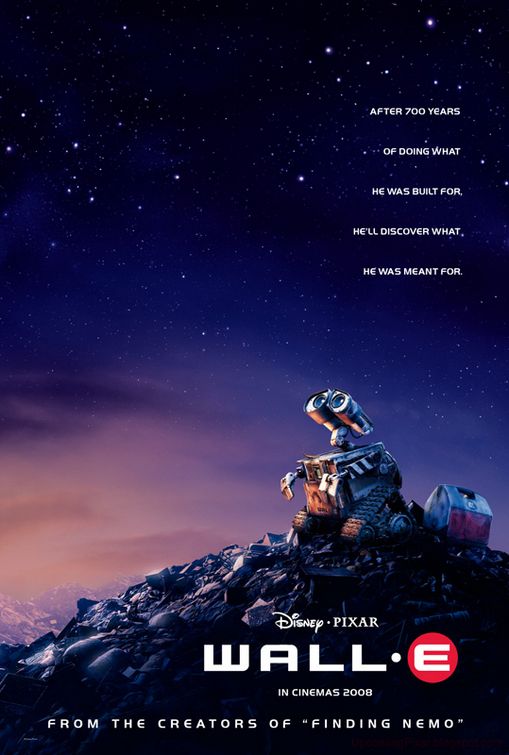
WALL·E sucks!
“MOUSE WHAT ARE YOU DOING?!”

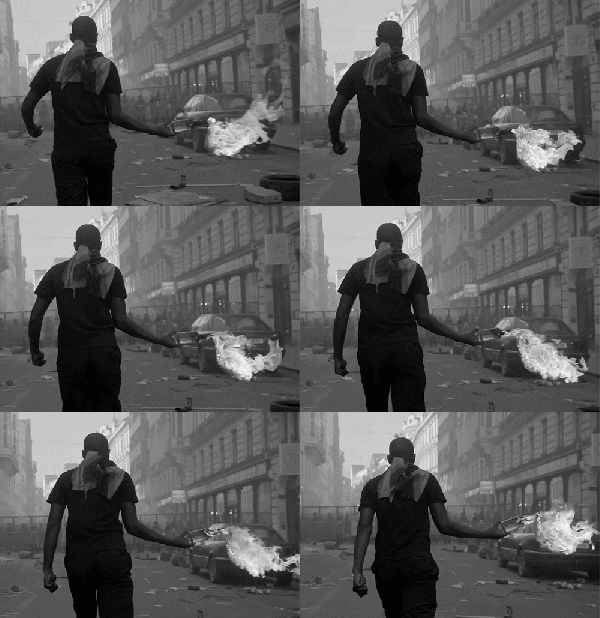

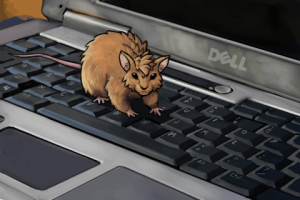
“MWAH HA HA HA HA! YES!! BURN THE INTERNET! BURN IT TO THE GROUND!
Sigh.
Okay, fine, WALL·E doesn’t suck. I was just trying to get out of this review.
WALL·E is the kind of movie I actively dread tackling and the reason why (ignoble automotive abberations aside) I’ve largely steered clear of the Pixar canon in these reviews. They are possibly the most beautiful, perfectly crafted feature length animated movies ever made and that makes them absolute kryptonite to a Snarky Internet Reviewer like me. What the hell am I supposed to make fun of here? “HA HA, look at these idiots and their perfectly crafted and utterly charming meditation on the human condition”? I got nothing to work with here. Nothing!

This is what I see when I look at this movie.
Alright. Background. So, one day in 1994 John Lasseter, Andrew Stanton, Pete Docter, and Joe Ranft sat down in the Hidden City Cafe for a cup of coffee, a chat, and to change the history of animation as we know it (as you do). From this legendary brainstorming session came the ideas that would eventually become A Bug’s Life, Monsters Inc, Finding Nemo and WALL·E. No doubt muttering “What the FUCK was in that coffee?” they then paid their bill, and left a generous tip for the waitress along with a cure for cancer that Lasseter had idly scribbled on a napkin. One thing you notice about WALL·E is that it’s not so much one film as two short films starring the same characters. The first is a film about the last robot on earth discovering humanity through its refuse and the second is a sci-fi romp about plucky robots helping the human race overthrow a dictatorial wheel. There’s a reason for that. The first half of the movie, with WALL·E putzing around on Earth, arrived fully formed at that meeting and never changed all through the writing process. The second half, through, got re-written to hell and back and at one point was going to be about a robot uprising against evil aliens called “the Gels”.
This means that WALL·E is the rare movie that not only has fans, but has fans of different parts of the movie. There’s probably someone out there who loves the first half of WALL·E utterly but doesn’t regard the second half as canon. That happens a lot with TV shows. Movies? Not so much. What do I think?
I think this movie is going to kick my ass and make me say “Thank you sir, may I have another?” Let’s just get this over with.
SVB NLMLULINH. DSZGH TLRMT LM LEVI SVIV?
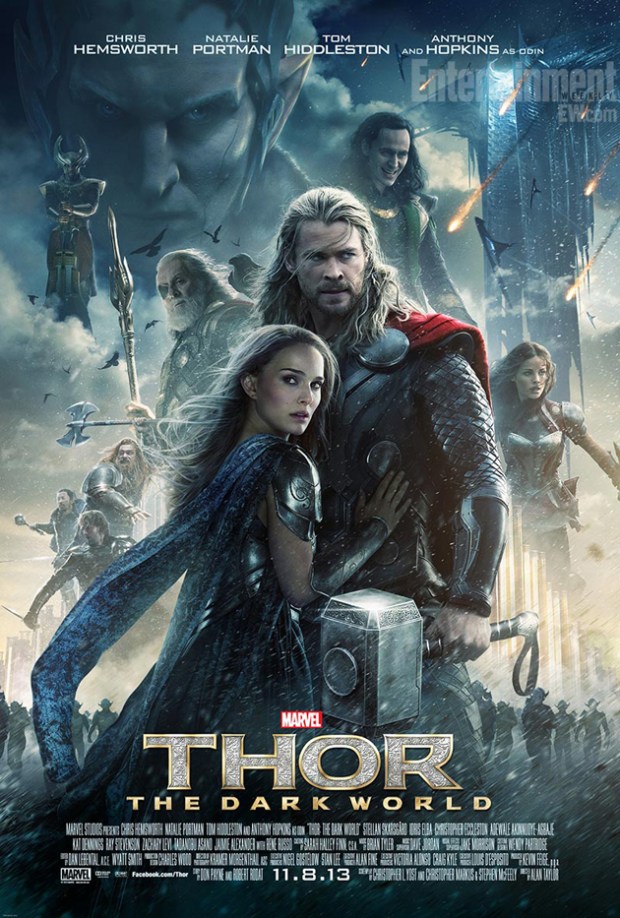
By now we are thirteen films into the MCU and the question of which movie is the “worst” feels more and more moot. Sure, we all love ranking things from best to worst because this is the future and the internet has turned us all mildly autistic but really, what’s the point? There have been so many of these things, that the Marvel Cinematic Universe has become less like a series of stand alone movies and more like a single, ongoing epic to the point that calling one movie “the worst” is almost like singling out a single chapter of Lord of the Rings for scorn and derision. Why bother?
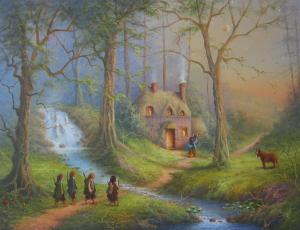
Although, I think we can all agree that with Chapter VII, In The House of Tom Bombadil, Tolkien utterly shat the bed.
I bring this up not because I think Thor 2: The Dark World is the worst MCU movie but because it sure does pop up a lot in that particular conversation. Part of that, of course, is just blatant Thor-prejudice. Lotta people just can’t grok with the character. But there’s no denying that this is a flawed movie, and while it certainly wasn’t the most troubled Marvel production (Ant Man sits on that throne and will not be vacating for a good long time) it was, by all accounts a rather unfun experience for all involved. After the original director, Patty Jenkins (who’s now helming Wonder Woman) was axed over “creative differences” Natalie Portman almost walked out in solidarity. Jamie Alexander was injured on set and was out of commission for a month. Replacement director Alan Taylor hated the final product. Screenwriter Don Payne died of bone cancer during production. Idris Elba described the shoot as “torture”. And plagues of locusts and boils befell the production and the catering table ran with blood. Probably. In fact, it seems that only one of the principals involved actually had a good time.
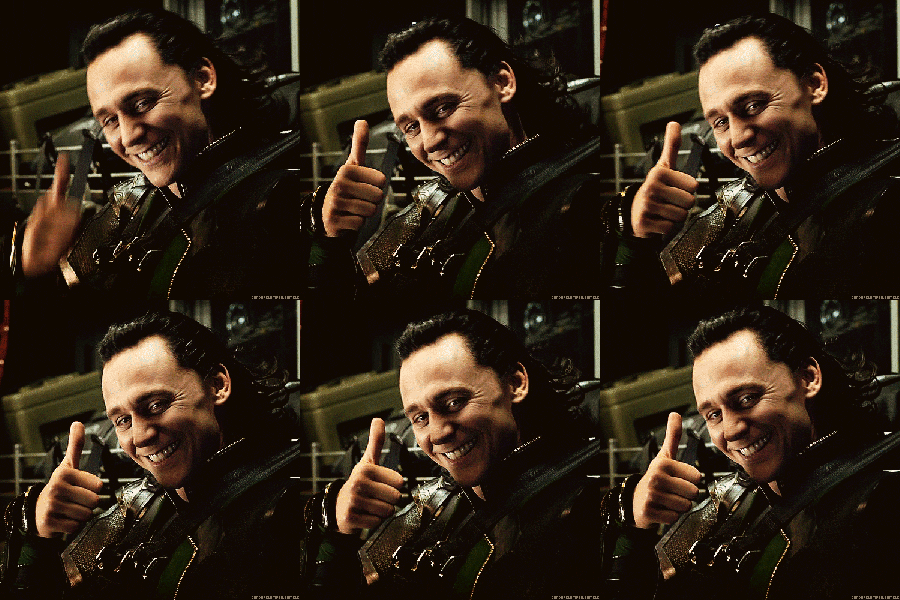
He brings the party with him.
But just because almost everyone spent every waking minute wishing for the sweet release of death, that doesn’t necessarily mean that the movie sucks. Apocalypse Now had a hellish shoot after all. Then again, so did The Island of Doctor Moreau. Which example does Thor 2 follow? Let’s take a look.
It’s never fun to be woken at four in the morning and told that an unfinished blog post is wandering the Internet in a confused state and with its dangling typos on display to the gawking neighbours. Yes, as many of you noticed, the Thor 2 review published early (well I have only been doing this four years). Sorry for this unscheduled look at how the sausage is made.
Hello there, my friends of the t-internet variety.
How be you be? I be fine.
Well, you may ask, where the hell were you this week?
Eh, I was working on a show for the Fringe Festival. Went well. Took a few days. Whaddayawant, blood?
Anyhow, what did I see this week. OK. What did I see…


“Who?”
“That’s them.”
Townshend adapted the story into a musical, the rights of which got picked up by Warner Bros, which had just swallowed Turner Feature Animation whole, along with most of its animators. One of those animators was a likely lad named Brad Bird, who has worked on some animation in his time and is generally understood to know what he’s doing. Bird was put in charge of adapting Townshend’s musical, which he did by making it…not a musical. ‘Kay. Regardless, when it was screened for test audiences the response was absolutely ecstatic. Unfortunately, Warner Bros had neglected to prepare any kind of marketing campaign for the movie because Quest for Camelot had tanked so badly the year before. This had convinced the excecs that audiences weren’t going to go see animated films that weren’t made by Disney.

Goddamit Warners. Quest for Camelot didn’t tank because audiences wouldn’t take a punt on non-Disney animation. Quest for Camelot tanked because sometimes God pays attention. So of course, released into theatres with zero publicity The Iron Giant crashed harder than a giant alien death machine falling from the sky. In the years since, it has become one of the most critically beloved animated American films of the 1990s. Does it live up to the hype? Let’s take a look.
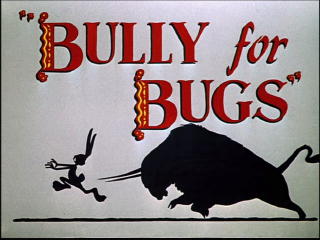
Jiminy Christmas, hard to believe we’re already halfway through Shortstember. I’ve honestly been having a blast with these reviews and I hope you have too. The downside of focusing on only one short per decade, though, is that we’re now halfway through the twentieth century and I’ve already missed two chances to talk about Bugs Frickin’ Bunny and the Goddamn Looney Tunes and that shit ain’t right. The Looney Tunes series of shorts and its sister series Merry Melodies began in 1930 and 1931 respectively, as a naked attempt by Warner Bros to ride Disney’s coattails in the wake of Mickey Mouse and the Silly Symphonies Shorts. In case you’re wondering, the different between Looney Tunes and Merry Melodies originally was that the ‘Tunes were in black and white and the Melodies were in colour (kinda, Disney had Technicolour exclusively at the time) and certain characters were exclusive to each (Porky Pig and Bugs Bunny both started out in a Merry Melody despite now being the quintessential Looney Tune characters). By the forties though, both series were being done in colour and characters were freely crossing over from one series to the other and there wasn’t really any appreciable difference between the two. So, if I say “Looney Tunes” from here on in, just assume I’m talking about a Warners Brothers short that could have been either a Looney Tune or a Merry Melody. Makes no difference. They’re all beautiful, man.
Hi guys. Iron Man 3 review is going to be a little late this week. Ms Mouse has been a little under the weather and I’ve been busy running back and forth between the abandoned tractor in the meadow bringing her medicine from the local cabal of genetically engineered rats. Hope to have it ready for you by Monday. Thanks for being so understanding, Mouse out.

 unshavedmouse