animation

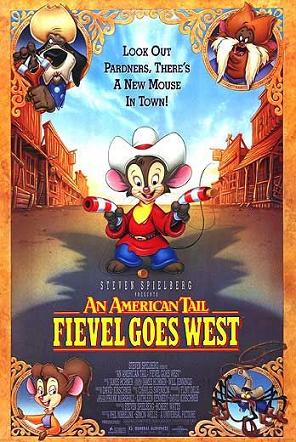
An American Tail: Fievel Goes West (1991)

Hey everybody. Merry Christmas, Happy Hanukkah and for all you other religions…um…good luck with whatever you got goin’ on right now. Keep on truckin’. Yes it’s the night before Christmas, and despite belonging to a species that traditionally is known for not stirring at this time of year,  I’ve decided to review…
"Mouse...Moooooouuuuuse..."

“Mouse…Moooooouuuuuse…”

“Jacob Marley?”

“Jacob Marley?”

“I wear the chain I forged in life! Link by link! Yard by yard…”

“I wear the chain I forged in life! Link by link! Yard by yard…”

“Stop. Stop. No. Look, this is not going to be a Christmas themed review. We’re not doing the Christmas carol thing. Sorry.”

“Stop. Stop. No. Look, this is not going to be a Christmas themed review. We’re not doing the Christmas Carol thing. Sorry.”

“But it’s a tradition…”

“But it’s a tradition…”

“Yes. One that’s been done to death. Sorry, not happening. Get lost.”

“Yes. One that’s been done to death. Sorry, not happening. Get lost.”

“Dude, I’m a ghost, you’re going to have to do better than “Get lost!”

“Dude, I’m a ghost, you’re going to have to do better than “Get lost!”

“Sigh. AVAUNT THEE FOUL SPIRIT! RETURN TO THE NETHERWORLD FROM WHENCE THOU CAME!”

“Sigh. AVAUNT THEE FOUL SPIRIT! RETURN TO THE NETHERWORLD FROM WHENCE THOU CAME!”

“Oooh, nice. “Avaunt”. That takes me back.”

“Oooh, nice. “Avaunt”. That takes me back.”

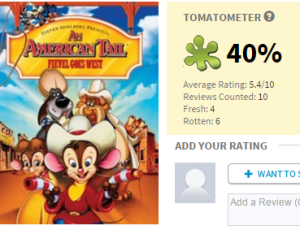
Right. So. Today’s movie is An American Tail 2: Fievel Goes West, a sequel to a Don Bluth movie made without the imput of Don Bluth. Now, “Sequel to a Don Bluth movie made without the imput of Don Bluth” is a sub-category of film with a slightly lower degree of prestige and respect than “Uwe Boll video game adaptation” or “hobo snuff film” and this film’s reputation is not exactly sterling.
40! There are Police Academy movies with higher scores than that!

40%?! There are Police Academy movies with higher scores than that!

So, following the stunning success of An American Tail (which, I remind you, was a big freaking deal) Stephen Spielberg wanted a sequel to be the first production of his new animation studio, Amblimation. Bluth by this time was based in Ireland and was working on The Land Before Time with Sullivan Bluth so Spielberg had to bring in a new team of animators under the direction of Phil Nibbelink and Simon Wells. Amblimation is a weird little footnote in the annals of American animation history, tapping out after only three films (this one, We’re Back and Balto). I haven’t seen Balto and I do NOT care for We’re Back...
IT DID.

IT DID.

…but I think Amblimation could have been a real contender under different circumstances. Why? Because, if nothing else, the animation in these movies was SMURGES. Let’s take a look.

(more…)

The Secret of Nimh (1982)

Know what movie I’m absolutely dreading having to review? Go on. Guess. You’ll never guess.
Seriously. You’ll never see this coming. Ready?
Land Before Time.
Toldja.
Why? Do I hate it? Do I think it’s a bad movie? Do I project some of my utter loathing for Dinosaur onto it inadvertently? No, absolutely not and yes, but I’m working through my issues with the help of friends and the love of Jesus. No, the reason is that any review of that movie has to address the elephant in the room, said elephant being the awful, awful tragedy that was the death of Judith Barsi.
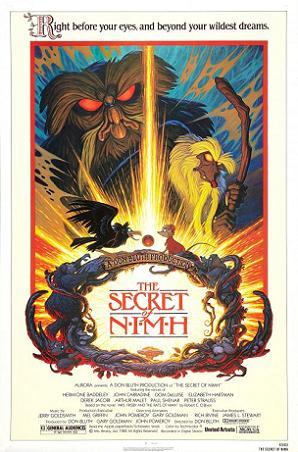
I mean, you have to make note of it, and then you have to go back to reviewing the rest of the movie and cracking jokes and “Bahia! Kookaburras!” and…yeah. I don’t know how I could pull that off. Today’s movie offers me something of a dry run because it is another beloved Don Bluth film with the spectre of tragedy draped over it like a quilt (albeit not quite as awful). Elizabeth Hartman, the actor who voiced Mrs Brisby, tragically took her own life in 1987.
The Secret of Nimh was Hartman’s last major Hollywood role, a beautiful coda to a tragic career that exploded into existence with her rapturously received performance opposite Sidney Poitier in A Patch of Blue. At 22 she became the youngest woman ever nominated for Best Actress at the time but as the years went by both the roles she was offered and her problems with depression grew steadily worse. So it goes.
Since her death, Mrs Brisby has become Hartman’s defining role, to the point that amongst the movie’s fandom Mrs Brisby’s full name is “Mrs Elizabeth Brisby” (we never learn her first name in the film). And there’s no denying that the struggles of Mrs Brisby take on a special resonance when watched once you know what happened to her.
A mouse trying to stop a tractor.
As accidental analogies for the struggle with depression go, I’ve certainly heard worse.
As I went into in the Fox and the Hound review, in 1979, Don Bluth and nine other animators left the Walt Disney company with a simple mission; to save the feature length American animation as an artform. Bluth recognised that Disney basically had not made any major innovations in their animation techniques since the studio’s near-death experience with Sleeping Beauty in 1959. Ever since then, in order to keep costs down, the animation had been cheaper, scrappier and less technically challenging. Bluth envisioned a return to the dark, moody animation of Disney’s golden age; a film that would challenge formula rather than using it as a crutch. Basically, Bluth wanted to create a Tar and Sugar movie.
Did he succeed? Let’s take a look.

(more…)

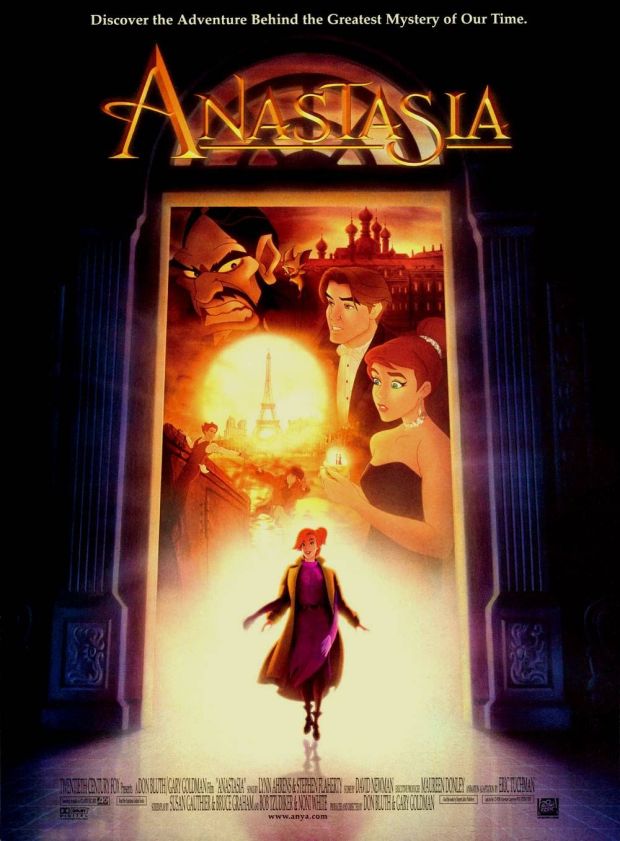
Anastasia (1997)

(DISCLAIMER: This blog is not for profit. All images and footage used below are property of their respective companies unless stated otherwise. I do not claim ownership of this material. New to the blog? Start at the start with Snow White.)

I love reading history. I have a copy of Tacitus’ Annals on my bedside table (because I’m just that kind of pretentious prick) and as a modern reader there’s something really bizarre about reading history written in ancient times.
See, you’ll be into a very serious passage about corruption in the Senate or the war against the Parthians (those Parthians, buncha troublemakers I tell ya what) and suddenly ol’ Tacitus will veer off into describing all the dire portents about Nero’s future rule and it’s all dreams of blood, and visions of locusts and more virgins giving birth to two-headed snakes than you know what to do with.
And then he’ll talk about taxes.
As if the previous stuff was just perfectly mundane. But here’s the thing; for Tacitus it was perfectly mundane. Magic and visions and miracles and supernatural powers were just an accepted fact of life back then. And as a modern reader, sure, we might be a bit sceptical but…we kinda just have to accept all that stuff as part of the historical record. Because Tacitus said it happened and he’s our guy on this stuff, you know? You going to call Tacitus a liar? Did you write one of the greatest works of Latin literature, serve in the Senate and later become governor of Asia?
Yeah. That’s what I thought.
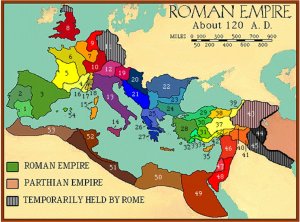
Rome

It’s less impressive when you realise that “Asia” was just a chunk of Turkey back then.

Of course, when you start getting into more recent history, magic and mysticism aren’t part of the picture anymore. Or, at least, they’re not supposed to be.
I think that’s the reason I was always fascinated as a kid by Grigory Rasputin. Here was a twentieth century figure who seemed to come from a time when magic was still real. In the early years of the twentieth century, the Russian royal family had their own wizard.
Wizard
That is awesome.
In secondary school I actually did my final year project on Rasputin and the Romanovs and I’m something of a buff on this whole period of Russian history. And that low sound you just heard is all the Anastasia fans (of which there are a great many) in the audience groaning “Oh God. He’s going to pan it.”
And sure. I can get why you might think that. I mean, if I tore Saving Mr Banks a new one because PL Travers was crying for the wrong reason, I’m probably not going to look too kindly on the February Revolution being started by zombie Rasputin. Or am I? Maybe not. Or maybe yes? Ha ha ha ha! Which door do you choose, Anastasia fans?! Which door?!
“Ugh. Is this some kind of joke? I thought you were going to review one of my good films?”

“Ugh. Is this some kind of joke? I thought you were going to review one of my good films?”

“But…everyone loves Anastasia! It’s one of your most critically beloved movies! It made the most money of all of your films!”

“But…everyone loves Anastasia! It’s one of your most critically beloved movies! It made the most money of all of your films!”

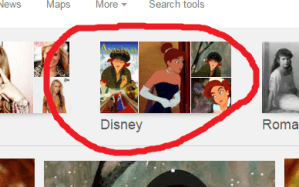
“UGH. Yeah. And google it and see what comes up.”

“UGH. Yeah. And google it and see what comes up.”

Ooooh...thats gotta hoirt.

Ooooh…that’s gotta hoirt.

“Fox asked me to make a Disney princess movie. I was desperate for the cash so I sold out. How was I supposed to make a good movie under those circumstances?”

“Fox asked me to make a Disney princess movie. I was desperate for the cash so I sold out. How was I supposed to make a good movie under those circumstances?”

I dunno Don. But I’ve seen where you can go with unfettered creative control and it often involves trolls and penguins with teeth. If it wasn’t for artists just doing it for a paycheck we wouldn’t have I, Claudius, Sherlock Holmes or half of Shakespeare’s stuff. Maybe, just maybe, you managed to make an accidental classic.
So without further ado, let’s take a look at Disney’s Anastasia.
"UGH."

“UGH.”

Sorry. That just slipped out.

(more…)

Fantastic Mr Fox (2009)

(DISCLAIMER: This blog is not for profit. All images and footage used below are property of their respective companies unless stated otherwise. I do not claim ownership of this material. New to the blog? Start at the start with Snow White.)

I’ve got a lot of love for Roald Dahl, even if he was a bit of an unpleasant cuss. He taught me how to read, after all. When I was around four or five years old I was taken to Temple Street children’s hospital for one of my periodic lung re-inflations (I had asthma and smog in Dublin in the eighties was so thick you could chip your teeth on it). While waiting to be seen I picked up a copy of The Magic Finger, which I remember being the first book I ever read through from beginning to end. Dahl was huge when I was growing up. He was our JK Rowling. That probably says something about us, but then again, I think it’s often overstated just how violent and horrifying his stories were. I mean, sure, they were violent and horrifying, but it was all a matter of tone. Roald Dahl was like Rebecca Black, he sounded a lot worse than he actually was. A plot description The BFG or The Witches is arguably more horrific than the books themselves. Roald Dahl took horror and made it so ridiculous and luridly over the top that you couldn’t help but laugh at it. In doing so, he made our terrors ridiculous. I think that’s why so many children loved his work, even nervous kids like me. Roald Dahl didn’t make us feel scared. He made us feel brave.

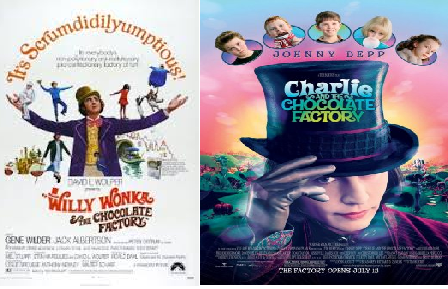
The trouble with adapting Roald Dahl for screen is that, by necessity, you lose the author’s voice and that tone I talked about often goes out the window. That’s how you get something like the 1989 BFG film which, while certainly not bad, is just cussing terrifying. There have been just under a dozen films based on Dahl’s work (not counting his own screenplays like Chitty Chitty Bang Bang) and they range in quality from “terrible” to “one of the greatest movie musicals of all time”.
Chocolate

With the same story at both poles, oddly enough.

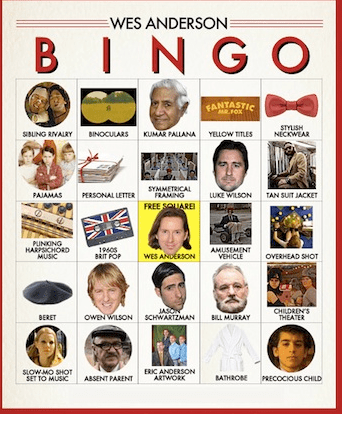
Today’s movie, Fantastic Mr Fox, is based on Dahl’s 1970 novella of the same name. It’s probably fair to call the book “minor Dahl”, it’s certainly not as well known or beloved as Matilda, BFG or The Witches but I really loved it as a child. It’s a simple enough story, Mr Fox steals poultry from three horrible farmers, said farmers roll up with some serious firepower and blast Mr Fox’s tail off but he gets the last laugh in the end by tunnelling into their farms and stealing all their cuss and throwing a big cuss-off party. Whatever, I really liked it. But as you can probably tell it’s a fairly slight story which honestly is perfect for adaptation. You see, the best Dahl movies are those where someone with their own distinctive voice comes and builds a story around Dahl’s basic framework. And there are few voices in Hollywood as distinctive as Wes Anderson, who’s work is so distinctive that Slate created a Wes Anderson bingo card.
Would you like to play a game?

Would you like to play a game?

(more…)

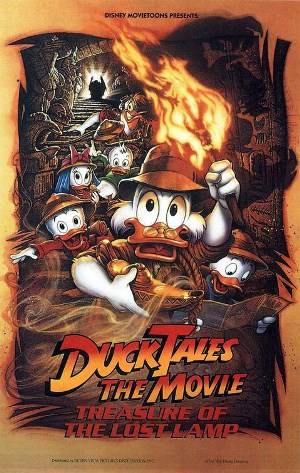
DuckTales the Movie: Treasure of the Lost Lamp (1990)

(DISCLAIMER: This blog is not for profit. All images and footage used below are property of their respective companies unless stated otherwise. I do not claim ownership of this material. New to the blog? Start at the start with Snow White.)

Eighties kids have a tendency to loudly proclaim that the cartoons they grew up with, your Masters of the Universe, your Transformers, your My Little Ponies were so much better than the cartoons made for kids today.

Why do they say that? Lead. Lead was in everything back then. Paint, exhaust fumes, you name it. And lead is well known to have a harmful effect on intelligence. Couple this with the radiation from the hole in the ozone layer frying their brains and the still lingering effects of Chernobyl and quite frankly it’s a wonder that your typical eighties kid can tied their own shoes, much less attempt an objective assessment of the state of made for TV animation then and now. God love them, they’ve suffered through so much. Now, I am an eighties kid by birth but I converted to the church of 21st century animation a looooong time ago so let me put this one to bed. No. Cartoons were not better in the eighties than they are now. Know how I know? Because cartoons have never been as good as they are now. Pretty much every cartoon made for television from the nineteen fifties to late eighties was garbage. Sure, there were talented people working on them, but they were people, not gods, and there simply was no way to contend with the forces of microscopic budgets, corporate mandated toy-schilling and stiflingly conservative broadcast standards and create something consistently excellent or even good. Yes, occasionally an episode of Transformers might get through that still holds up today but these were very, very rare exceptions (I’m talking exclusively about American TV animation I should hasten to add). Contrast that with today: American animation studios are consistently making shows for kids that are better than most of the stuff they make for adults. Pearl from Steven Universe is one of the most fascinating, layered, tragically flawed characters on television right now, period. Gravity Falls is unfolding an ongoing mystery plot with a skill and intelligence that The X-Files and Lost could only dream about. Adventure Time takes Twin Peaks to school with its pure surrealism. Eighties, I hate to break it to you, even our remakes of your shows are a tenfold improvement. You have Transformers? We have Transformers: Prime. You have Thundercats? We have Thundercats 2011. You have My Little Pony? We have Friendship is Magic.  

GIJoeHeader

You have an army?

We have a HULK.

We have a HULK.

So what happened? Whence came this huge leap forward in quality?

Where else?

Where else?


So some time in the late eighties Disney rolled up their sleeves and decided it was time to show these chumps who the big dog was. Disney began producing high quality TV animation intended for syndication. Critics scoffed, saying that this was an expensive folly that would bring the Disney company into bankruptcy.
"Ha. Motherfuckers never learn."

“Ha. Motherfuckers never learn.”

Instead, these shows completely revolutionised the American animation TV landscape. Soon after, Warner Bros also got in on the act with Tiny Toons, Animaniacs and Batman the Animated Series to name a few. In essence, all modern TV animation owes its existence to Disney’s gamble in the late eighties, and in particular to their most popular show; DuckTales.
The massive popularity of DuckTales is something that’s always confused me a little. I mean sure, I watched the show and I liked it fine, but what is it about this story about three duck kids and their miserly grunkle that made it to 100 episodes? Couple of things. Firstly, simply by dint of the fact that it wasn’t terrible it was already head and shoulders above pretty much any other cartoon on the air. But I think another key to its longevity was the fact that it’s quite similar to Doctor Who. One of the reasons that show is older than Jesus is because, aside from the fact that they can recast the main actor, the Doctor has a machine that lets him go anywhere in space or time. There is literally no end to the stories you can tell with that basic premise. And in a way, Scrooge McDuck also has a TARDIS. He’s so wealthy that there’s literally nowhere on Earth he can’t afford to go. Want to do a story on the bottom of the ocean? Scrooge buys a submarine. Want to take him to space? Scrooge buys a spaceship. Want to do a story with dinosaurs? Scrooge gets his personal mad scientist to build him a time machine. Want Scrooge to meet Satan? He has a heart attack and goes to hell because it is easier for a camel to pass through the eye of a needle than for a rich man to see heaven. Again, you will never run out of stories.
Another thing to consider is that DuckTales was based on a hugely popular comic book, by the legendary Carl Barks. Although Donald Duck was of course created by Walt Disney, it was Barks who did more than anyone else to flesh out everyone’s favourite psychotic waterfowl, creating Duckburg and a whole host of supporting characters; Scrooge McDuck, Gyro Gearloose, Flintheart Glomgold, Magica deSpell (it truly was a duck blur). The Duck comics have never really been huge in the States where the comics scene is of course SUPERHEROES SUPERHEROES SUPERHEROES NOW UNTIL THE END OF TIME but they’re very popular in what I like to call “Asterix country”, Europe, Latin America and Asia. In fact, I even tried to get my hands on a copy of The Many Lives of Scrooge McDuck for this review from my local comic shop. This lead to the following exchange. I swear to almighty God I am not making this up.
Comic_Book_Guy_WEE

“Sorry, it’s sold out. We sold the last copy to Killian Murphy.”

“…Killian Murphy? The actor?”

“…Killian Murphy? The actor?”

“The Scarecrow himself, yes. He came in here and asked specifically for anything pertaining for Scrooge McDuck. Who were we to refuse him?”

“The Scarecrow himself, yes. He came in here and asked specifically for anything pertaining to Scrooge McDuck. And who were we to refuse him?”

I SWEAR TO GOD.
But yes, Donald Duck comics are a big effing deal in many parts of the world. Personally though, I always found the entire concept of DuckTales the TV show to be really depressing. Think about it. Hewey, Dewey and Louie get sent to live with their uncle, Donald. I don’t think we ever found out why in the show, but there is no good reason that happens. And then, after losing their parents, Donald passes them off on his uncle, a miserly one-percenter who clearly cares more about his money than his nephews while Donald is off in the navy. Those three little ducks must be carting around a metric ton of abandonment issues. The reason why Donald isn’t present in the series apart from a few cameos is that Roy Disney didn’t want any of Uncle Walt’s classic characters getting TV stink on ’em. Instead, the character of Launchpad was created to fill the role Donald usually did in the comics. Today’s movie, Treasure of the Lost Lamp, came out in 1990 and served as a season finale of shorts to the beloved series. Did DuckTales go out with a bang or a whimper? Let’s take a look.

Captain Planet and the Planeteers: If it’s Doomsday, this must be Belfast

(DISCLAIMER: This blog is not for profit. All images and footage used below are property of their respective companies unless stated otherwise. I do not claim ownership of this material. New to the blog? Start at the start with Snow White.)

Reality, as Stephen Colbert once patiently explained to George W. Bush, has a well-known liberal bias. The flipside of that is that fiction tends to be conservative. In a typical narrative there are good guys, there are bad guys, and there are few problems caused by the latter that can’t be solved by the former punching them repeatedly in the goolies. In the real world the big problems that bedevil mankind tend to be big, messy and complex and fixing them is an absolute slog with no clear-cut right or wrong and often very little visible sign of victory or even progress.
Take, for example, the question of how to best leverage the advances of industrialisation to improve the standard of life for the maximum number of human beings without causing irreparable damage to the bio-sphere and rendering the entire planet and uninhabitable hellscape? That’s a bit of a poser. And how would you dramatise that question, particularly for a young audience? Say, for example, in a thirty minute animated series running for over a hundred episodes?
 To create a cartoon show that deals with this problem maturely and intelligently while still working as a compelling and dramatic piece of entertainment would take something close to genius.
Ted-Turner-9512255-1-402

Yes. That is what it would take.

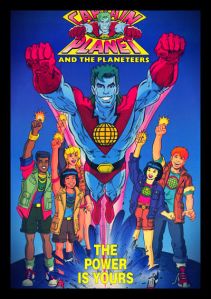
So around 1990 millionaire Ted Turner decided to create a cartoon show about heroes who took on the issues of environmental devastation and social injustice instead of doing stuff that was fun. It was called Captain Planet and the Planeteers and the premise was this: Gaia (Whoopi Goldberg), the spirit of the Earth, wakes up from a long nap and sees that human beings have been trashing the place for the last thousand years or so (well, maybe if you had actually been around to tell us to knock it off we would have known better, lady). Despite the fact that she was asleep at the switch and this is kinda her mess to clean up as much as anyone’s, she enlists five teenagers with attitude respect for nature and all its living things. They are Kwame (Levar Burton) from Africa, Wheeler (Joey DeDedio) from North America, Linka (Kath Soucie) from the Sovie…I’m sorry, EASTERN EUROPE, Gi (Janice Kawaye) from Asia and Ma-Ti (Scott Menville) from Latin America. She gives them five elemental rings with Kwame, Wheeler, Linka and Gi getting the powers of Earth, Fire, Wind and Water and Ma-Ti getting stuck with the power of Heart because poor Latin America is always the pathetic butt monkey.
“It’s true.”

“It’s true.”

Whenever they’re faced with a threat they can’t defeat alone they summon the Zords combine their power to summon Captain Planet. Who has a green mullet.
Now, as a premise it’s not…terrible. And on paper the show had a lot going for it. The animation was better than a lot of Saturday morning fare of the time and the cast was RIDICULOUSLY high-powered thanks to Turner roping in his Hollywood friends to voice the various villains including Martin Sheen and Meg Ryan back when she was probably the most successful Hollywood actress on the planet. But it also had problems, not least of which was the fact that Captain Planet is, no question, the worst superhero ever to achieve mainstream success.
Why was he so terrible? Was it the puns? The awful puns? The terrible, excruciating, abominable puns? The puns that made you want to curse God for giving you ears? The puns that made you smell colours, taste sounds and gibber in unknown tongues? The puns that made you want to tear off your skin and fold it into a little swan? The puns that made you head to the nearest clock tower with a high-powered rifle and start picking off the fleeing figures below while muttering “There’s Captain Planet. There’s Captain Planet…”?
No, it wasn’t the puns.
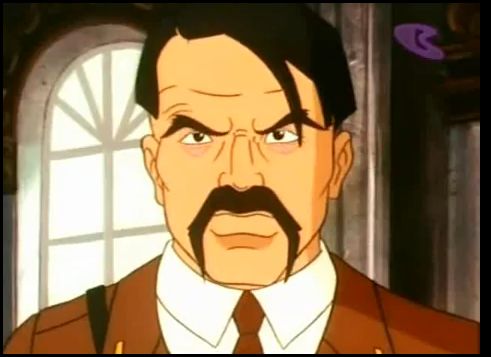
I first realised the utter crapitude of Captain Planet  as a child, when I watched the episode “A Good Bomb is Hard to Find” where the Planeteers travel back in time to prevent Doctor Blight from selling a nuclear bomb to Hitler.
Adolf_Hitler_(Captain_Planet)

“Hey boss, how can we make sure people know it’s supposed to be Hitler?” “Hitler had a moustache, didn’t he?” “Yeah.” “Give him a moustache. That way they’ll know.”

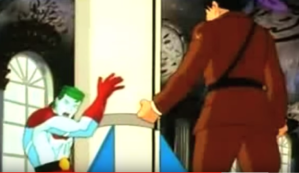
Captain Planet comes face to face with Hitler and immediately curls up in a little ball because the hatred coming off him is so strong that it’s a form of pollution. It was at this point that I stood up, pointed an accusing paw at the TV and loudly declared:
“NO! NO! A superhero who comes face to face with Adolf Hitler and does not punch him right in his stupid face is not a superhero! Good day sir!”

“NO! NO! A superhero who comes face to face with Adolf Hitler and does not punch him right in his stupid face is not a superhero! Good day sir!”

“But what we’re trying to show is that prejudice can…”

“But what we’re trying to show is that prejudice can…”

“I SAID “GOOD DAY” SIR!”

“I SAID “GOOD DAY” SIR!”

Think about that for a minute. They created a superhero whose kryptonite is evil. Captain America is one of the greatest superheroes ever because in his very first appearance he punched Hitler right in the face. He didn’t collapse weeping in a puddle because HITLER DIDN’T COME WITH A GODDAMN TRIGGER WARNING!
Warning for: Hatred. Genocide. Inaccurate moustache.

Warning for: Hatred. Genocide. Inaccurate moustache.

As notorious as that episode is, there’s one that (in my  neck of the woods at least) is even more infamous; “If it’s Doomsday, this must be Belfast”, better known here as “The one where the IRA got a nuclear bomb.”
I have never actually seen this one but this thing is legendary in Ireland. I have, no lie, been waiting to do this review all year. I have a feeling this is going to be the greatest experience of my life.
Let’s take a look.

(more…)

Disney Reviews with the Unshaved Mouse #54: Big Hero 6

(DISCLAIMER: This blog is not for profit. All images and footage used below are property of their respective companies unless stated otherwise. I do not claim ownership of this material. New to the blog? Start at the start with Snow White.)
And so, like putting on an old comfortable pair of shoes, I return again to the Disney canon. Good to be back everyone, feels like I never left. Unshaved Mouse doing what he was always meant to do, reviewing Disney movies! Put the Disney dance party album on repeat because the whole gang’s here! Including my collection of traitorous good for nothing maps who betrayed and abandoned me the very second things got rough and have now come crawling back like the worms they are.
“Hooray!”

“Hooray!”

“Ah, don’t be like that, Mouse.”

“Ah, don’t be like that, Mouse.”

“Don’t talk to me.”

“Don’t talk to me.”

"'S only ever love, M. You know that."

“‘S only ever love, M. You know that.”

“Where did you go anyway?”

“Where did you go anyway?”

“We just hung around with Rubber Lotus for a while. At first it was fun, but then it got a little weird. He kept asking us to call him “Mouse”. Did you know he has a shrine to you in his wardrobe?”

“We just hung around with Rubber Lotus for a while. At first it was fun, but then it got a little weird. He kept asking us to call him “Mouse”. Did you know he has a shrine to you in his wardrobe?”

“Yeah. Shrines. Never not creepy.”

“Yeah. Shrines. Never not creepy.”

And of course, since I’ll be reviewing a Disney movie that means the return of our old pal Walt Disney!
“Hello folks! Good to be back, Mouse. Glad to see there’s no hard feelings over that whole “brainwashing” thing.”

“Hello folks! Good to be back, Mouse. Glad to see there’s no hard feelings over that whole “brainwashing you to do my dark bidding” thing.”

“None. What. So. Ever.”

“None. What. So. Ever.”

"Glad to hear it. Say, you keep gritting your teeth like that you might chip your incisors."

“Glad to hear it. Say, you keep gritting your teeth like that you might chip your incisors.”

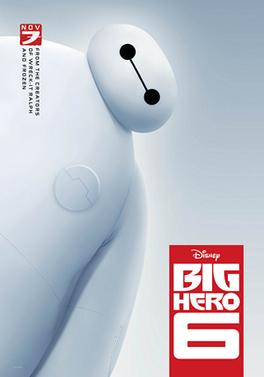
After the marriage of Disney and Marvel, the two companies did what many couples do in this situation; put their children from previous marriages in a room together and try to force them to like each other. In this case, Disney CEO Bob Iger told the Disney animators to look through Marvel’s back catalogue to see if they could find properties that would make good animated movies. Now, people who’ve followed my blog from the beginning know that when Disney adapts other properties, fidelity to the source material is not usually high on their list of priorities. Marvel fans, conversely, have a list of priorities that reads
Priorities
Marvel fans tend to get a little…um….Rain Man-esque…about movies changing even small details about their favourite characters, and films that don’t respect the source material tend to get eaten alive like a cow being dipped in a vat of piranhas.
Poor bastards never had a chance.

Poor bastards never had a chance.

So it’s not really surprising that the comic that Don Hall (director of Winnie the Pooh and writer on most of the Lost Era movies) chose the comic Big Hero 6 to adapt instead of a better known property because…well, no one gives a piping hot shit about Big Hero 6 and this way they could mess around with it as much as they needed to. In the comics Big Hero 6 is a Japanese superhero team that operates as a parody of Japanese pop culture tropes. I haven’t read the comic myself but reading up on it raised a few red flags for me, number one being that the mini-series they first appeared in was written by Scott Lobdell, a writer whose work is (if I may be horribly blunt) not my cup of tea.
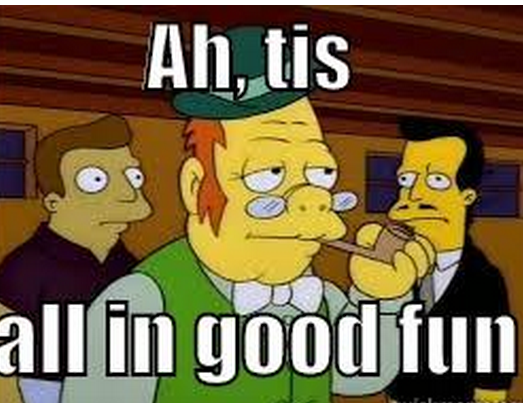
Secondly…Okay, there are those who would consider this kind of broad cultural parody to be racist in and of itself. I’m not one of them. Irish people come in for a good bit of this kind of thing and I think as a nation our general attitude is…
all in good fun
But…some of the details about this book, like the fact that one of their enemies is the embodiment of all the people who were killed in the nuclear attacks on Hiroshima and Nagasaki…
New spittake
Yeah, I think we can all agree that “loose adaptation” was probably the way to go on this one.
So much for the book. What about the movie? Oh, and while I’m not in the habit of putting up spoiler warnings I’m aware this movie only came out in 2014 so yeah, I will be discussing all major plot points just like I always do. If you haven’t seen the movie yet, get on that. The rest of you? Let’s roll.

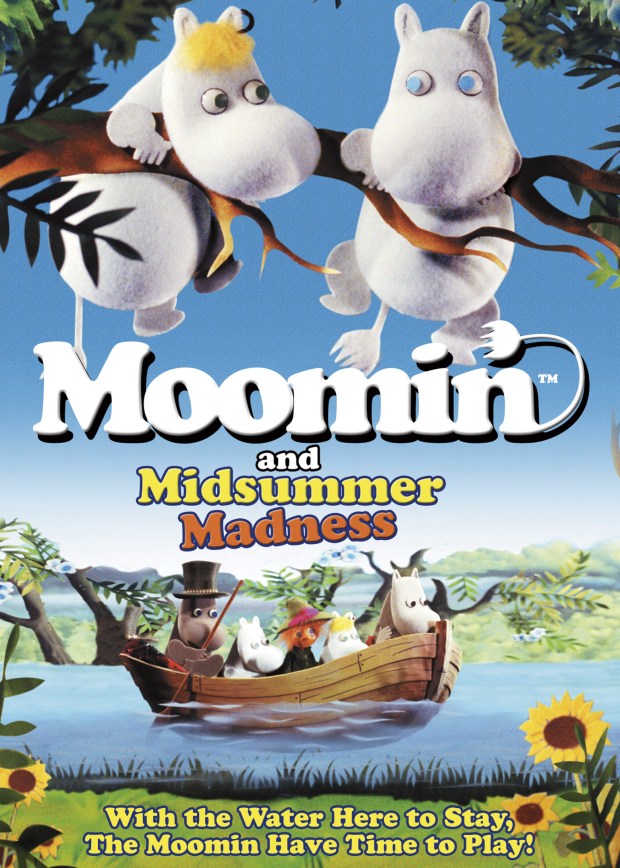
Moomin and Midsummer Madness (2008)

(DISCLAIMER: This blog is not for profit. All images and footage used below are property of their respective companies unless stated otherwise. I do not claim ownership of this material. New to the blog? Start at the start with Snow White.)

When trying to understand the appeal of the Moomins, you first have to look at their creation back in…
Hello?
Hello?
Anybody?

Anybody?

"Congratulations Mouse. You’ve finally done it. You’ve finally succeeded in completely alienating your entire readership. Bravo. Genius. Take a blog that’s largely supported by Disney fans and devote it to obscure European cartoons, Irish politics and a film that was literally never even released."

“Congratulations Mouse. You’ve done it. You’ve finally succeeded in completely alienating your entire readership. Bravo. Genius. Take a blog that’s largely supported by Disney fans and devote it to obscure European cartoons, Irish politics and a film that was literally never even released.”

WHAT HAVE I DONE!? Surely its not too late?!

“WHAT HAVE I DONE!? Surely its not too late?!”

"Nope. They’re gone. You had your one chance at internet stardom and you blew it. That was it."

“Nope. They’re gone. You had your one chance at internet stardom and you blew it. That was it. Let’s go boys.”

"No! Wait, where are you going?"

“Wait, where are you going?!”

"Back to the Google images page you stole us from. Farewell, Mouse."

“Back to the Google images page you stole us from. Farewell, Mouse.”

"See you, Mouse. It was fun except for that time I was almost fed to wyverns."

“See you, Mouse. It was fun except for that time I was almost fed to wyverns.”

"Peace out, dawg."

“Peace out, dawg.”

"No…my readers. My maps. They’re all gone…"

“No…my readers. My maps. They’re all gone…”

“There’s a grief that can’t be spoken.” “There’s a pain goes on and on.” “No more views and no more comments.” “Oh my blog is dead and gone.”

“There’s a grief that can’t be spoken.”
“There’s a pain goes on and on.”
“No more views and no more comments.”
“Oh my blog is dead and gone…”

Guys, I swear, I will review a movie you’ve actually heard of as soon as I’ve done this one. Contractual obligations and all. If it helps, I’m as much in the dark about this one as a I think most of you are (with apologies to my Scandinavian readers). That’s not to say that the Moomins are unknown in Ireland, I know quite a few people who are fans, but the whole Moomin phenomenon just kind of completely passed me by. My blind spot on the Moomins honestly extends to most things Scandinavian. I just don’t know that much about those countries apart from the fact they constantly conspire to keep Ireland out of the top five on the Human Development Index, the Nordic Marcia Brady to our Gaelic Jan.
 Nordic Marcia
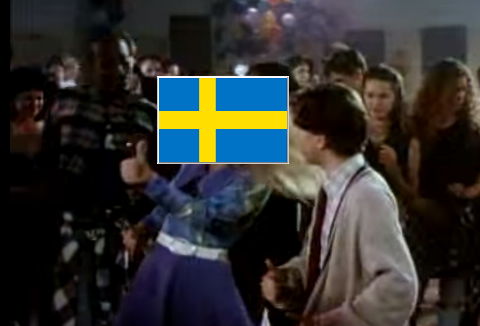
"Sweden did it again! Sweden, Sweden, Sweden!"

“Sweden did it again! Sweden, Sweden, Sweden!”


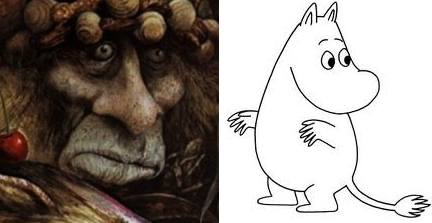
Okay. So. The Moomins. What are they? I don’t know. I mean literally, I have no idea what they’re supposed to be. Wikipedia describes them as “fairy tale” characters, which is just wonderfully specific. I suppose, since they’re called “Mumintrolls” in Swedish they’re supposed to be trolls from Scandinavian folklore but…
Yeah, how did I not get that?

Yeah, how did I not get that?

Well anyway.
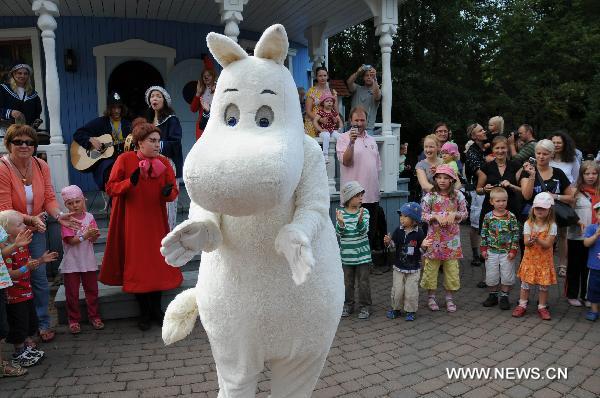
Okay. So. The Moomins. They’re a family of white, hippo…things. Who hang out. And have whimsical adventures tinged with an unmistakeable air of melancholy. They were created by a Swedish-speaking Finn named Tove Jansson who wrote and illustrated nine books featuring the characters between 1945 and 1993 and who also takes a hell of a stylish photograph.
Who you know fresher than Tove, riddle me that?

Who you know fresher than Tove, riddle me that?

There have also been EIGHT cartoon series based on them, and numerous movies with the most recent being released this year. They are, like all things that are cute but difficult to explain, huge in Japan.
And yes, they have their own theme park.
"Because Europe."

Because Europe.

So, now we’re ready to talk about the movie? Oh, we have not even begun to unpack all this.
So, one of those eight (!) cartoon series was  Opowiadania Muminków, an Austrian, German and Polish co-production that ran between 1977-82. Then, in 2008, a Finnish company took that series and edited into a single movie called Moomin and Midsummer Madness, the English dub of which I am reviewing today. So, to recap.
  • Swedish speaking Finn writes a book.
  • Germans, Austrians and Poles adapt it into a TV series.
  • Finns adapt TV series into movie.
  • Americans dub movie.
  • Man kills God.
  • Man creates dinosaurs.
  • Dinsosaur kills man.
  • Woman inherits the earth.
 Got that? Okay, let’s do this.

(more…)

Asterix in Britain (1986)

(DISCLAIMER: This blog is not for profit. All images and footage used below are property of their respective companies unless stated otherwise. I do not claim ownership of this material. New to the blog? Start at the start with Snow White.)

TINTIN CAN SUCK A DICK!

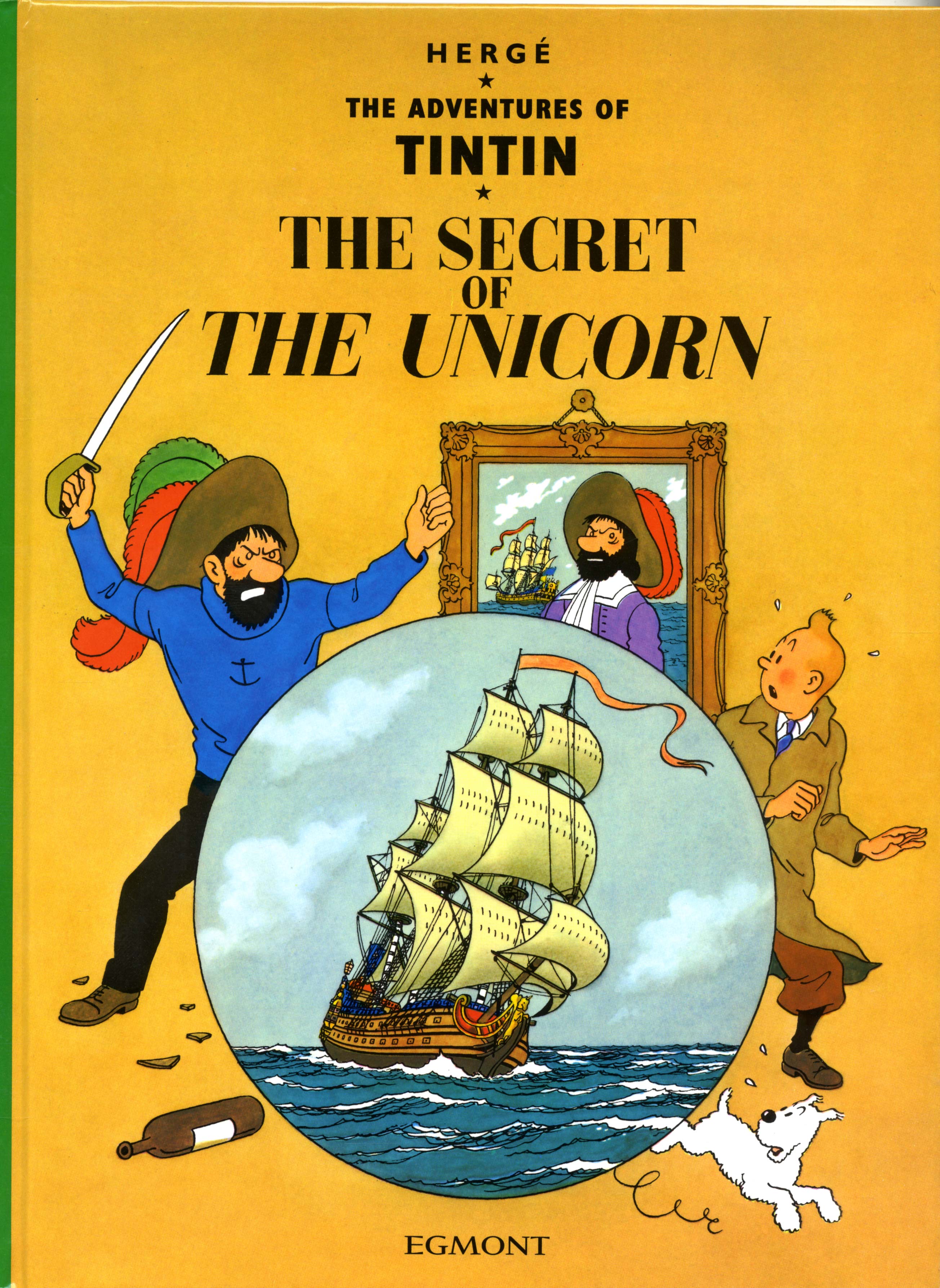
Sorry! Sorry! That was uncalled for. I apologise unreservedly. Old habits just die hard. See, when I was growing up, every public library in Ireland had a well stocked collection of both Asterix books and Tintin books (because this is the greatest damn country on Earth). And pretty much every playground was divided, Sharks and Jets style, between Tintin fans and those of us who felt that the tales of a group of superpowered Celtic warriors battling against the most powerful empire on earth might be a tad more compelling than the adventures of LITERALLY THE MOST GENERIC MAIN CHARACTER IN ALL OF FICTION…

Sorry. Sorry. Sorry.

I apologise to all fans of Tintin and Hergé and his wonderfully crisp ligne claire style.  Some wars are still being fought long after they say “We have peace.”
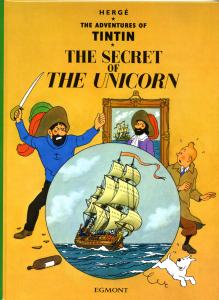
I acually love the Tintin books, I just wish Herge had wised up and renamed them "The Adventures of Captain Haddock and his ginger sober companion."

I acually love the Tintin books, I just wish Herge had wised up and renamed them “The Adventures of Captain Haddock and his ginger sober companion.”

Okay. So. Asterix. When I announced two weeks ago that I’d be reviewing an Asterix movie the response was predictable mix of “Yay Asterix!” from my non-American readers and a big “who’s the blonde midget Viking?” from my American readers so now’s probably a good time to explain who and what Asterix is.

Hey, I know which side my blog is buttered.

Hey, I know which side my blog is buttered.

So Asterix is a Franco-Belgian comic that is still going since its first appearence in 1959 but was originally created by René Goscinny and Albert Uderzo. The setup is this; it’s 50 BC and Rome has conquered all of Gaul (modern day France). All? Not quite. A tiny village of indomitable Gauls stills holds out against the Roman invaders thanks to a magic potion brewed by their druid, Getafix, that gives the Gauls superhuman strength. The heroes of these stories are Asterix, the blonde short-arse, and his buddy Obelix, who was dropped in a cauldron of magic potion as a baby and so is just superhumanly strong all the time (why the Gauls don’t just do this with all their babies is never explained). The main gag is not entirely dissimilar to that of the Flintstones, the past and present are pretty much exactly the same. The series draws its humour from many sources; slapstick, political satire, puns (as in, every single character’s name is some kind of play on words) and especially from affectionate riffs on European cultural stereotypes (the Goths are always punctual, the Greeks have flat noses like figures on urns etc). Despite the basic premise being “French people make fun of foreigners” the series is hugely popular, not only in its native France but everywhere in Europe from Malta to Finland.
"I literally could not give two fucks about...holy shit, ASTERIX!?"

“I literally could not give two fucks about…holy shit, ASTERIX!? I love that guy!”

Asterix is also huge in Latin America, India and even China. How popular is he? Goscinny and Uderzo have sold more books worldwide than any other French author. That’s right. More than Victor Hugo. More than Balzac. More than Dumas.
Well, its not like DArtagnan has his own theme park, does he?

Well, D’Artagnan doesn’t have his own theme park, does he?

So why are these books so popular? Well firstly, they’re just really, really good. Seriously. The artwork is beautiful, the character designs are Disney good in terms of being expressive, appealing and versatile and they’re goddamn hilarious. Also, the Asterix series have been blessed with legendarily good translators (the series has been adapted into over 100 languages). And yet Asterix has never really found much purchase in the United States. Why is that? Culture gap, partially. A joke about how Corsicans are constantly swearing vendetta would probably prompt some head-scratching on the other side of the Atlantic.
"Youve made an enemy today, Mouse."

“You’ve made an enemy today, Mouse.”

"Oh get in line."

“Oh, get in line.”

But mostly I think it was just due to bad timing. To get a foothold in the United States comic market Asterix would have needed to become popular in the fifties, before the Silver Age began and American comics just became SUPER HEROES SUPER HEROES SUPER HEROES SUPER HEROES FROM NOW UNTIL THE END OF TIME. The distributors for European comics just weren’t there and so Asterix missed his shot unfortunately. Oh well. Fear not Americans. It may be tricky for you to track down copies of his books but you can still watch one of the many fine animated adaptations of Asterix books that have been made over the years HAHAHAHAHAHAAAAAAAAAAHAHAAAAAA …*collapses into a weeping pile.*

Oh Christ.

There have been nine (NINE!) animated Asterix movies and four live-action movies (all starring Gerard Depardieu as Obelix).
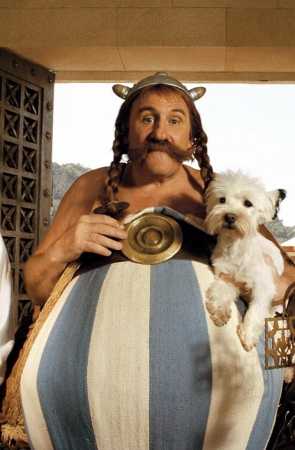
My God man! You were in JEAN DE FLORETTE.

My God man. You were in Jean De Florette.

Now, I haven’t seen all of the animated movies. But I have seen a LOT of them. And they can be broken down into four categories;

1) The ones with terrible animation,

2) The ones with terrible voice acting,

3) The ones with terrible animation and voice acting.

4) The ones with ALL THREE.

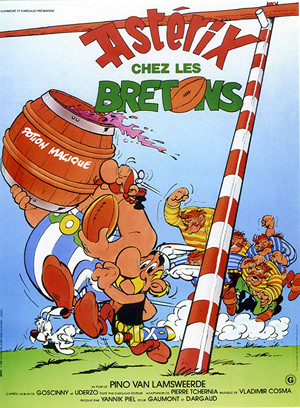
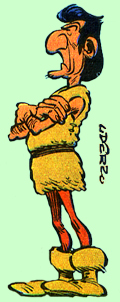
But honestly I think that even with top-notch talent in every area it would be damn hard to make a good Asterix movie that still resembled the original in any meaningful way. The comedy just doesn’t…work when you translate it to film. The timing is always off, it just doesn’t translate well (which is ironic, since Asterix is one of the most successful examples of translating comedy in human history). Today’s movie is Asterix in Britain, an adaptation of the eighth Asterix book and one of my personal favourites, firstly because it’s just classic Asterix and also because it included this guy:
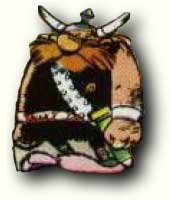
His name is Overoptimistix. He was the only Irish character to ever appear in these books. He had one line, that included the word "Begorrah". And I loved him.

His name is O’veroptimistix. He was the only Irish character to ever appear in these books. He had one line, that included the word “Begorrah”. And I loved him.

So. Will the movie be a one, a two, a three or a four? Let’s find out.

(more…)
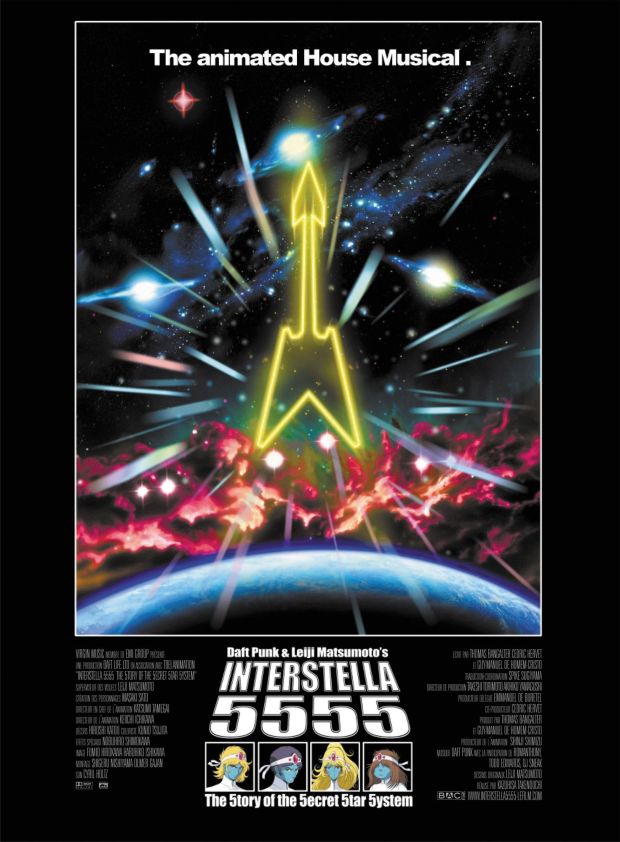
Interstella 5555: The 5tory of the 5ecret 5tar 5ystem (2003)

(DISCLAIMER: This blog is not for profit. All images and footage used below are property of their respective companies unless stated otherwise. I do not claim ownership of this material. New to the blog? Start at the start with Snow White.)

So one day Music was walking down the street somewhere in early twentieth century America and he was feeling on top of the world. Thanks to fancy new technologies like the wireless and phonograph, and this crazy new thing called “Jasz”, more people were listening to Music than ever before and that suited Music just fine.
“Hey there Mistah Music!” the newspaper boys would call as they heard him pass by and Music would tip his hat to them courteously.
Occasionally a bum would yell “You think yer so big! With your phonygrams an’ ragtime! I remember when you was bein’ spit out of a harmonica!” And then Music would drag the loud-mouthed drunk into an alley way, knife him repeatedly, and leave his body as a warning to the other bums.
He stopped on a street corner to roll himself a ludicrously expensive old-timey cigar. It was then that Music saw a tiny, starving artform, no more than a few years old, flickering and shivering on a filthy doorstep.
“Hey kid.” Said Music “What’s eatin’ ya?”
“Golly gee!” Said the infant artform “Who said that?” (Because of course, Music cannot be seen, as Music is an eight legged dragon covered in hooks and shimmering scales that go up and down, up and down and anyone who saw him would instantly go mad.)
“What’s your name, son?” Music asked kindly.
“Animation, mistah.” said Animation “I was just born and ain’t got no cultural relevancy. And I wants cultural relevancy so bad!”
“Well Animation.” Said Music “I’ve been looking for a smart young visual medium to help me expand my business ventures. I like you kid, ya got moxie. You got razzmatazz comin’ out the hooey. You and me could do great things together, kid. Whattya say?”
And so Music and his young new protégé formed a partnership that would stand the test of time. So influential was the fusion of music and animation that it even wiped out other artforms that were hugely popular at the time but have now been almost totally forgotten, like smell sculpture, colour-dancing and Grand Schmopera.
Animation has grown up a lot since the early days and can now stand on its own two feet as a medium. But if you look at the very early animated shorts from the twenties and thirties, you see that animation was almost solely used to give a visual component to music. There’s a reason those series of cartoon shorts have names like Looney Tunes, Silly Symphonies and Merry Melodies. And the link lasted long after animation had started maturing into a more narrative based style with its own way of telling stories. At Disney, even after Snow White and Pinocchio we still had movies like Make Mine Music, Melody Time and Fantasia where the animation is very much guided by and in service to the music.
Animation and Music, to put it plainly, are tight. They go way back. They’re best buds. When Film kicks Animation out of the house, he crashes on Music’s couch. Music was the best man at Animation’s wedding, Animation is the godfather of Music’s child…Music…Junior…okay the analogies are breaking down in a big way, moving on.
 
Interstella 5555: The 5tory of the 5ecret 5tar 5ystem is French electro act Daft Punk’s 2003 album Discovery. Daft Punk are a band who…
Um…
Shit shit shit. Okay, I really didn’t want to do this, but I’m going to have to ask for some help from by evil brother, The Unscrupulous Mouse. See, he may be a twisted maniac, but he’s also a pretty awesome musician and he knows more about house music than anyone else I know.
"Ha" I knew the day would come when you would bow before my greatness, brother!"

“Ha! I knew the day would come when you would bow before my genius, brother!”

"Oh just get it over with."

“Oh get on with it.”

"Wait a minute, Mouse."

“Wait a minute, Mouse.”

"What is it, Nit?"

“What is it, Nit?”

"I thought The Unscrupulous Mouse was your brother Eamonn? Donal's your brother who's a musician!"

“I thought The Unscrupulous Mouse was your brother Eamonn? Donal’s your brother who’s a musician!”

"Eh...he's...look, he's a composite character. I have three younger brothers. He's based on all of them."

“Eh…he’s…look, he’s a composite character. I have three younger brothers. He’s based on all of them.”

"Younger? But TV Tropes said he's based on your OLDER brother!"

“Younger? But TV Tropes said he’s based on your OLDER brother!”

"Yes. Sometimes TV Tropes can be wrong."

“Yes. Sometimes TV Tropes can be wrong.”

"Gasp!"

“Gasp!”

"I thought The Unscrupulous Mouse was your brother Eamonn? Donal's your brother who's a musician!"

“Look, are we doing this thing or what?”

"Enlighten us, Maestro."

“Enlighten us, Maestro.”

"A person can talk endlessly about Daft Punk's music career. Their iconic house tracks revolutionised dance music in the mid 90's and their re-imagining of funk music brought it roaring back into the mainstream until pretty much right now."

“A person can talk endlessly about Daft Punk’s music career. Their iconic house tracks revolutionised dance music in the mid 90’s and their re-imagining of funk music brought it roaring back into the mainstream right up to the present day.”

"But the main reason for Daft Punk's success is that they are completely anonymous. That means that it is impossible to hate them! They have no opinions, attributes or features and so can be judged solely on the merits of their music. The hipsters can't hate them because they're earlier music can be compared to what is popular in the underground scene at the minute, and all of the main stream listeners can't dislike them because....well I honestly believe that social media has brainwashed these people so they will like anything they've heard more than fifty times in the one day (Example: Get Lucky)."

“But the main reason for Daft Punk’s success is that they are completely anonymous. That means that it is impossible to hate them! They have no opinions, attributes or features and so can be judged solely on the merits of their music. The hipsters can’t hate them because their earlier music can be compared to what is popular in the underground scene at the minute, and all of the mainstream listeners can’t dislike them because….well I honestly believe that social media has brainwashed these people so they will like anything they’ve heard more than fifty times in the one day (Example: Get Lucky). “

"You don't like Get Lucky? You monster!"

“You don’t like Get Lucky? You monster!”

"In conclusion, the only reason you can hate Daft Punk is because they're French and have silly names."

“In conclusion, the only reason you can hate Daft Punk is because they’re French and have silly names. Now if you’ll excuse, my dark genius is needed elsewhere.”


Interstella 5555 is certainly not the first attempt to turn an album into a full length movie (you’re got The Wall and Yellow Submarine to name two), nor is it the first time Japan and France have collaborated in animation (Uly-seeee-eeeeeeeeee-eeeee-es). You might not know this (I certainly didn’t), but manga is absolutely HUGE in France, making up around half of all comics published there.

Likewise, animé has had a big presence on French TV for many decades, with most young Frenchlings having grown up watching shows like Dragon Ball Z and Robotech. Little wonder then, when Daft Punk were looking for a studio to animate their album, they looked East, not West. Specifically, they turned to legendary animator Leiji Matsumoto (the guy behind practically every animé TV series from the seventies and eighties) and Interstella 5555 is the product of their creative union. How did it turn out? Let’s take a look.
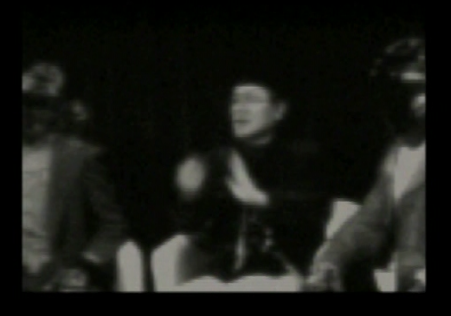
So the movie begins with footage of an interview with Matsumoto, flanked by Daft Punk in their robot costumes, discussing the origin of the film. Although, what with the grainy black and white footage, it looks more like the bit in a fifties sci-fi movie where the mad scientist announces to the world that his robot army will destroy them all.
“Fools! You called me mad! You denied the beauty of my children! But now the whole world shall bow before the steel legions of Doctor Matsumoto!”

“Fools! You called me mad! You denied the beauty of my children! But now the whole world shall bow before the steel legions of Doctor Matsumoto!”

(more…)